

A sandwich panel may look like a standard choice for an industrial building, but the right enclosure often depends on conditions that a standard specification does not fully cover. Production processes, corrosive environments, heavy snow, low temperatures, and local weather can all change what the building envelope needs to handle.
This becomes especially relevant when a factory or warehouse will operate for many years. A material that works well in an ordinary environment may face very different demands inside an industrial facility.
The difficult part is often not choosing a panel. It is identifying which project conditions should influence that choice before production begins.
The Problem With a Standard Specification
A typical procurement request may specify panel thickness, insulation type, surface coating, and quantity. These parameters provide a useful starting point, but they do not necessarily describe the environment around the building.
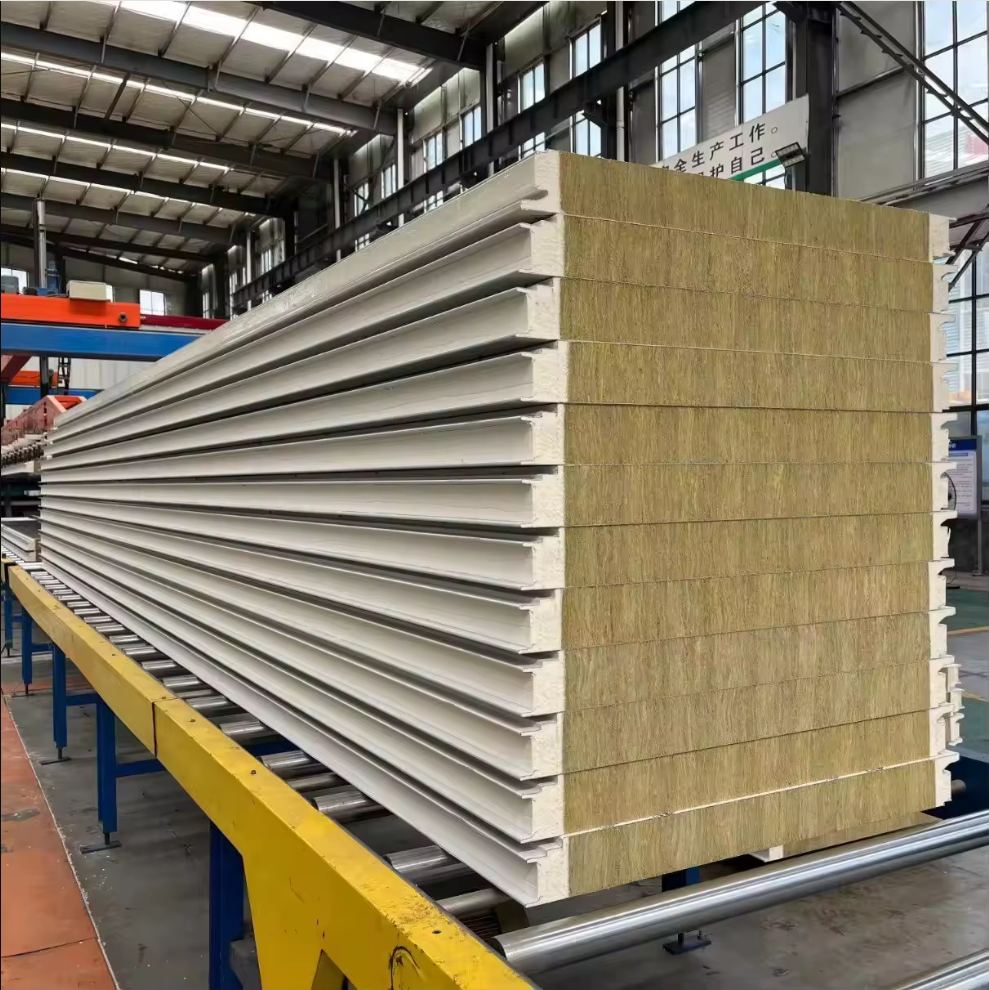
An industrial factory can create conditions that are much harsher than those outside. Humidity, chemicals, process vapors, frequent washing, and temperature changes can gradually affect the building envelope. The risk does not always appear during installation. It may develop after months or years of operation.
The external environment creates another layer of requirements. A factory in a cold region may experience heavy snow loads, large temperature differences, and strong seasonal changes. These factors can influence roof design, connection details, panel support, and the overall arrangement of the envelope.
A standard sandwich panel specification may not account for all of these conditions.
This does not mean that every industrial project needs a special material. It means that the starting specification should come from the actual operating environment rather than from a generic product list.
When the Factory Environment Changes the Decision
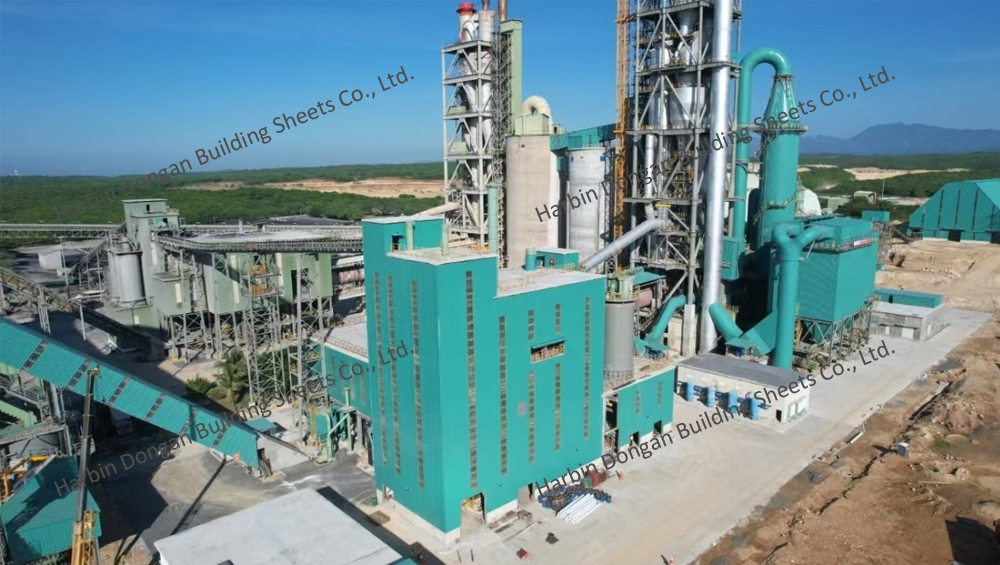
The Russian alcohol plant project completed by DongAn provides a useful example.
The production environment inside an alcohol factory can create higher corrosion demands than those found in an ordinary warehouse. Instead of treating the enclosure as a standard wall-and-roof package, the project considered the corrosive production environment during the design and optimization stage.
This led to targeted adjustments intended to improve the long-term durability of the sandwich panel system. The point was not simply to select a different panel. The surrounding details and material choices also needed to respond to the conditions in which the building would operate.
The same thinking applied to the exterior environment. The project location experiences very cold weather and significant snow loads. These conditions required corresponding attention to the building envelope, including how panels and supporting details would perform under local winter conditions.
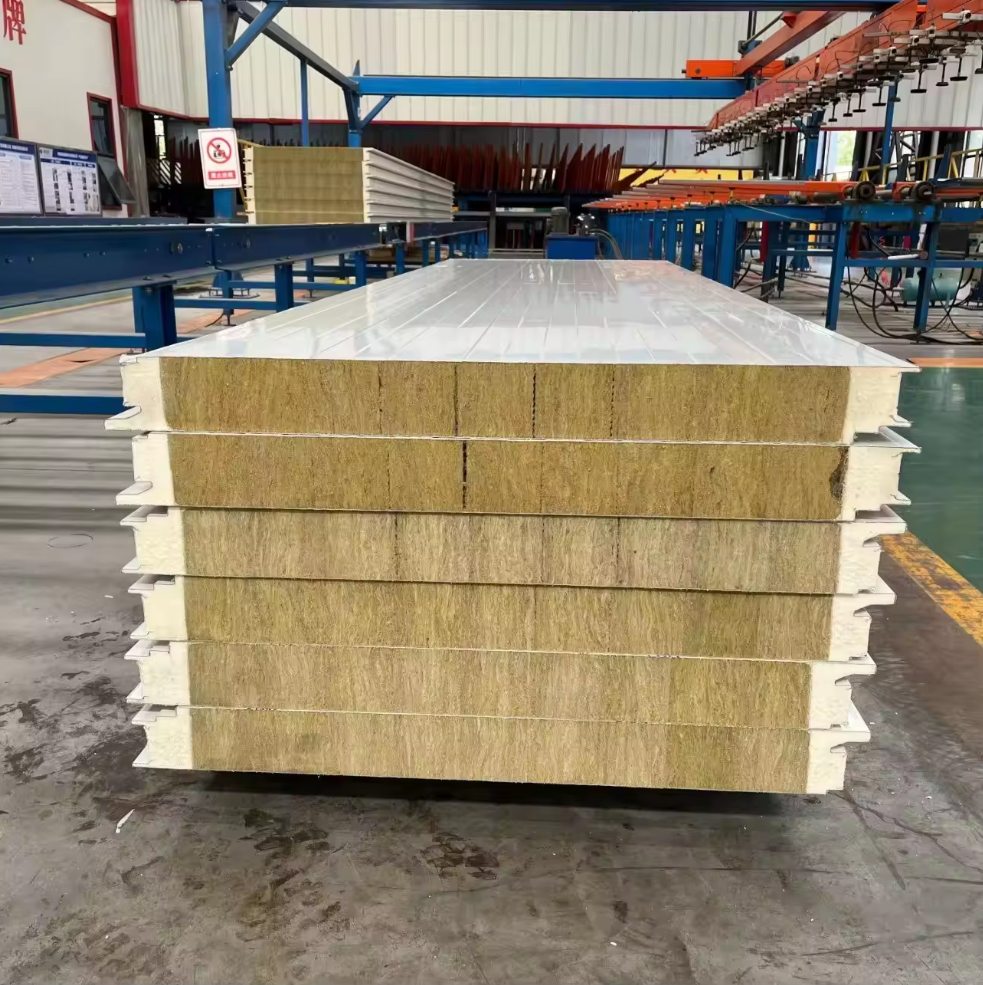
A rock wool sandwich panel can offer advantages where fire performance matters, but material selection alone does not solve every environmental challenge. The same applies to a sandwich wall panel. Its suitability depends partly on the substrate, coatings, joints, fasteners, supporting structure, and exposure conditions around it.
This is where project-specific optimization becomes more useful than simply upgrading to a higher-grade product.
Small Decisions Can Protect the Whole Envelope
The most important decisions often sit between the major specifications.
For example, a project may need to consider how panel joints respond to moisture, how metal surfaces interact with a corrosive atmosphere, or how roof details handle accumulated snow. Openings and penetrations may also require different treatment from ordinary industrial buildings.
Production accuracy matters as well. When panels and associated components leave the factory with consistent dimensions, installation becomes easier. Fewer site adjustments also reduce the risk of creating gaps or poorly sealed connections.
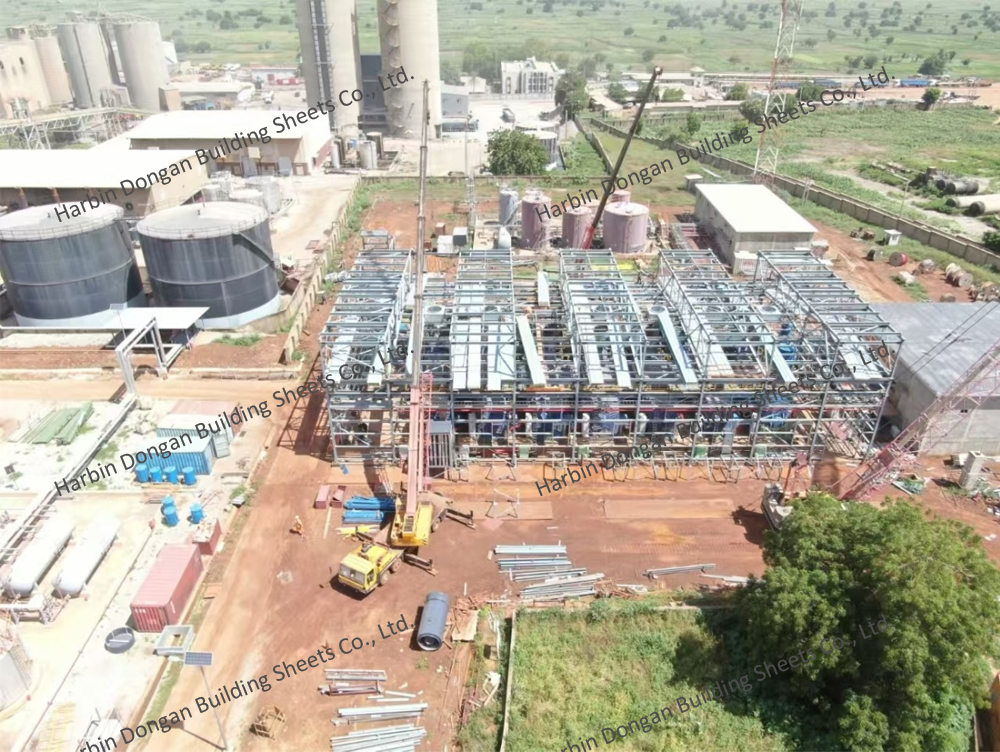
These decisions rarely appear as a single line in a quotation. They emerge from understanding how the building will actually operate.
The Russian alcohol plant illustrates this approach well. Its enclosure requirements came from two directions at once: a demanding internal production environment and a harsh external climate. By considering both during design and optimization, the project could move beyond a generic specification and develop a more suitable envelope arrangement.
That is the real reason industrial buildings often need more than standard panels. The panel is only one part of the decision. The useful question is how the entire enclosure will respond to the conditions surrounding it, both inside and outside the building.
For an industrial project, this kind of thinking can prevent a common problem: discovering after construction that a material was technically acceptable, but not particularly well suited to the environment in which the building must operate.
Post time: Sep-04-2026