

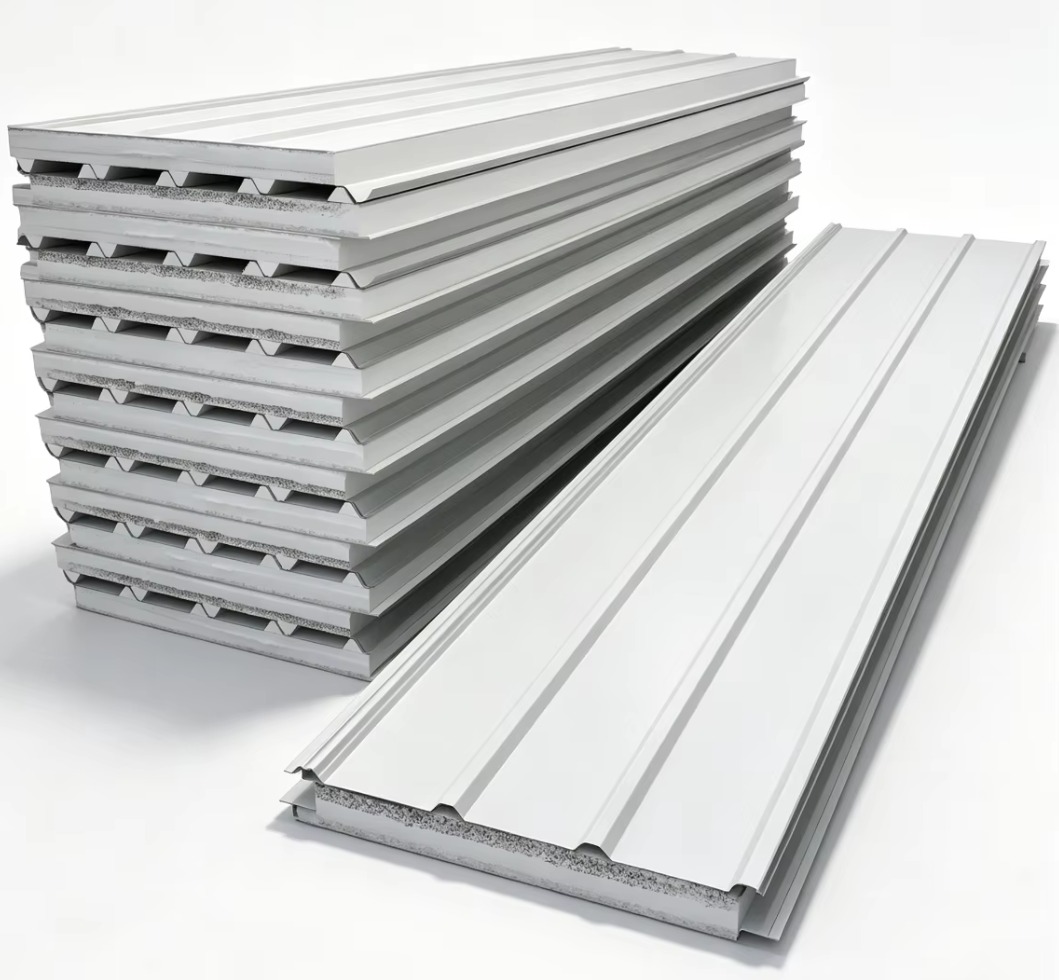
EPS sandwich panel can be a practical choice when a project needs economical thermal insulation, fast installation, and straightforward wall or roof construction. They are widely used for warehouses, workshops, agricultural buildings, and other spaces where the insulation and fire requirements remain within a manageable range.
The key is not to treat every sandwich panel as interchangeable. The right choice depends on the building’s use, local climate, fire requirements, and budget. In some projects, EPS makes sense because its advantages match the actual requirements. In others, a different core material may justify the additional cost.
Start With the Building’s Actual Requirements
The first question is not how much the panel costs. It is what the building needs from its envelope.
A dry warehouse, logistics building, or simple workshop may not require the same thermal or fire performance as a food-processing plant or industrial facility. If the building mainly needs basic insulation and weather protection, EPS can provide a relatively simple solution.
The same applies to temperature requirements. For buildings without strict temperature control, moderate insulation performance may be sufficient. There is little value in specifying a more expensive panel simply because it offers a higher insulation rating than the building actually needs.
Panel thickness also matters. A thicker EPS core can improve thermal resistance, but the final selection should consider the local climate and the required indoor conditions. Wall and roof applications may also use different thicknesses.
This is where project details become more useful than general material comparisons. A panel that works well for a dry warehouse may not be appropriate for a production area with high humidity or strict fire protection requirements.
Consider Cost Alongside Performance
Cost is one of the main reasons project teams consider EPS. The material generally offers an economical way to create insulated walls and roofs, particularly when the building does not require advanced fire or thermal performance.
However, the lowest panel price does not always mean the lowest project cost. Panel thickness, joint details, accessories, transportation, installation, and expected maintenance can all affect the final figure.
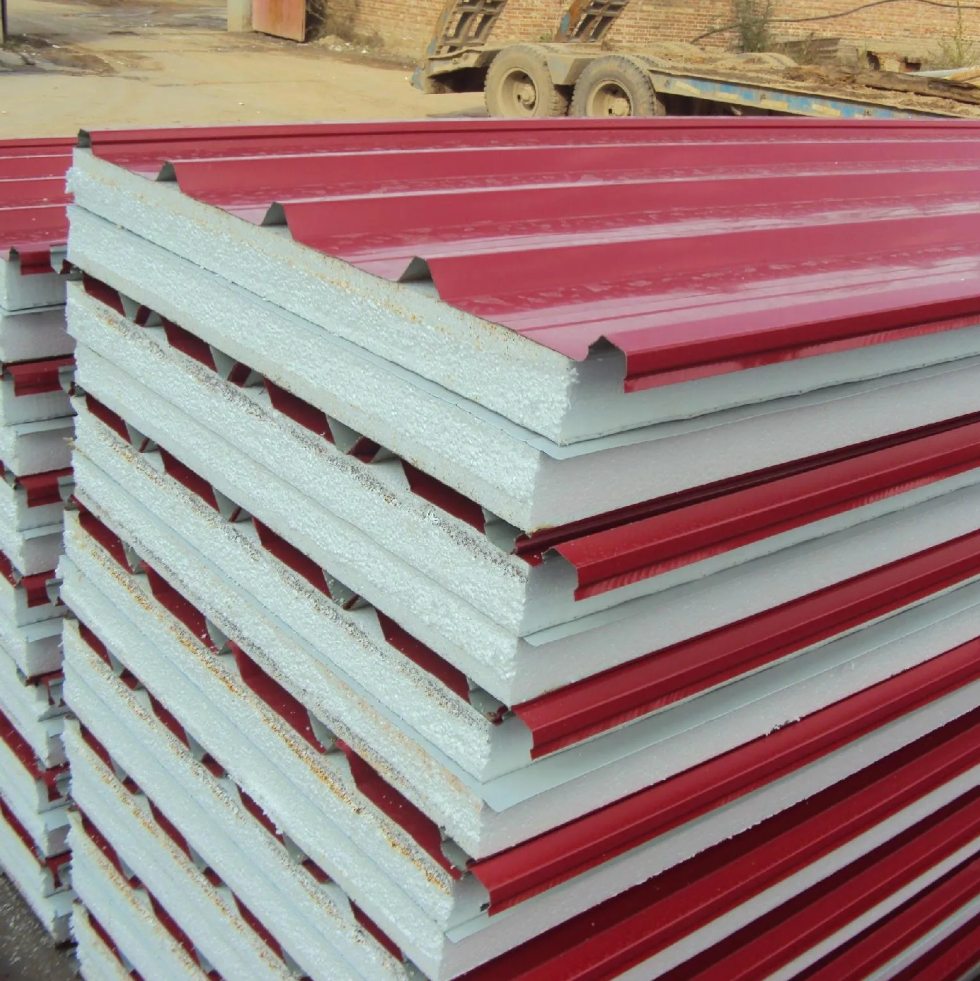
For a straightforward warehouse, a simple panel system may reduce both material and installation complexity. Standard panel dimensions can also make production and site installation easier to organize.
At the same time, it is worth checking the complete specification before comparing quotations. Two sandwich panels may look similar while using different core densities, steel thicknesses, coating systems, or joint designs.
A realistic comparison should therefore consider the complete wall or roof system rather than the core material alone.
Know When Another Core Makes More Sense
EPS has a clear place in the market, but it should not be selected simply because it is inexpensive.
Fire performance is one of the main points to check. Where a building has strict fire-resistance requirements, a rock wool sandwich panel may be more appropriate. Rock wool can offer much stronger fire performance and is commonly considered for industrial buildings where fire protection receives greater attention.
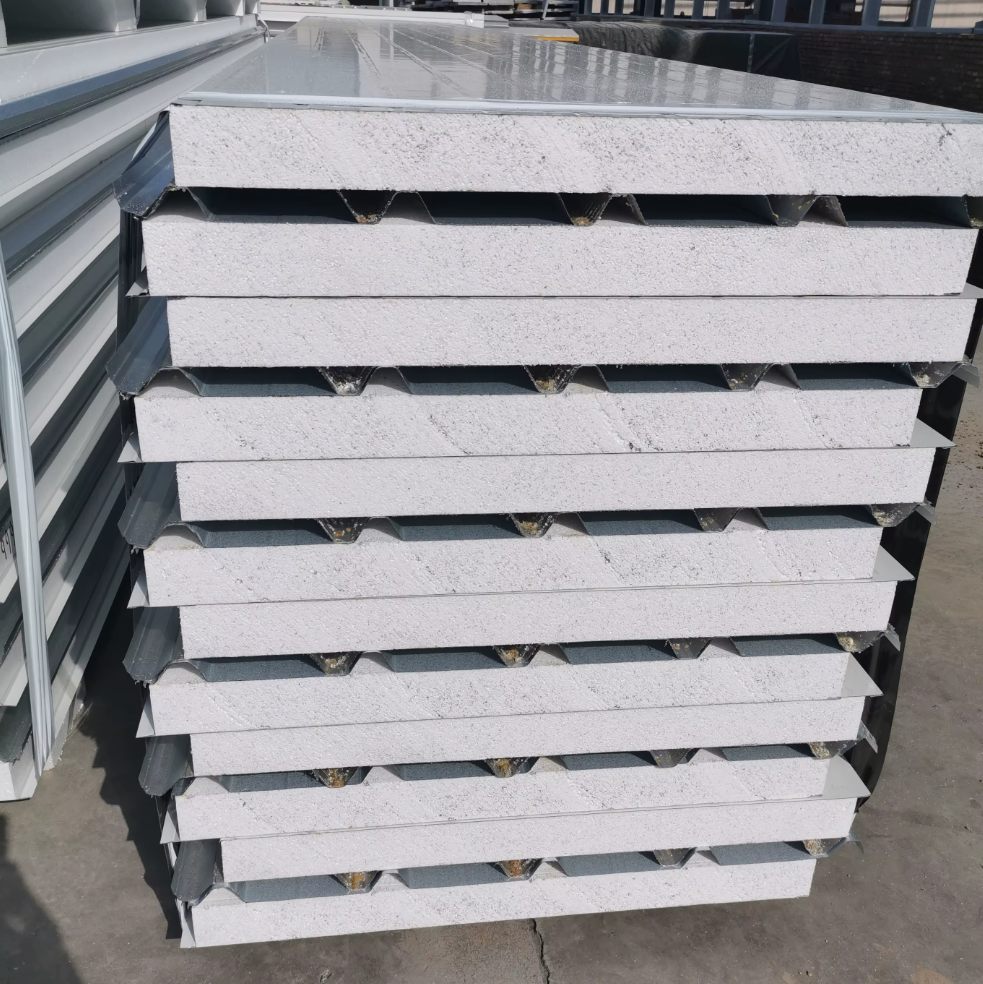
Thermal performance can also change the decision. A PIR sandwich panel can provide lower thermal conductivity than EPS in applications where insulation performance is a major concern. This may become relevant for buildings with tighter temperature-control requirements or limited wall thickness.
The surrounding environment matters as well. A cold-storage building, for example, normally has more demanding requirements than a conventional warehouse. Moisture, temperature differences, hygiene requirements, and door or refrigeration interfaces all need to work with the panel system.
The same principle applies to industrial workshops. If the building involves welding, hot processes, chemicals, or other specific risks, the panel specification should reflect those conditions instead of relying on a general-purpose solution.
A Practical Way to Make the Choice
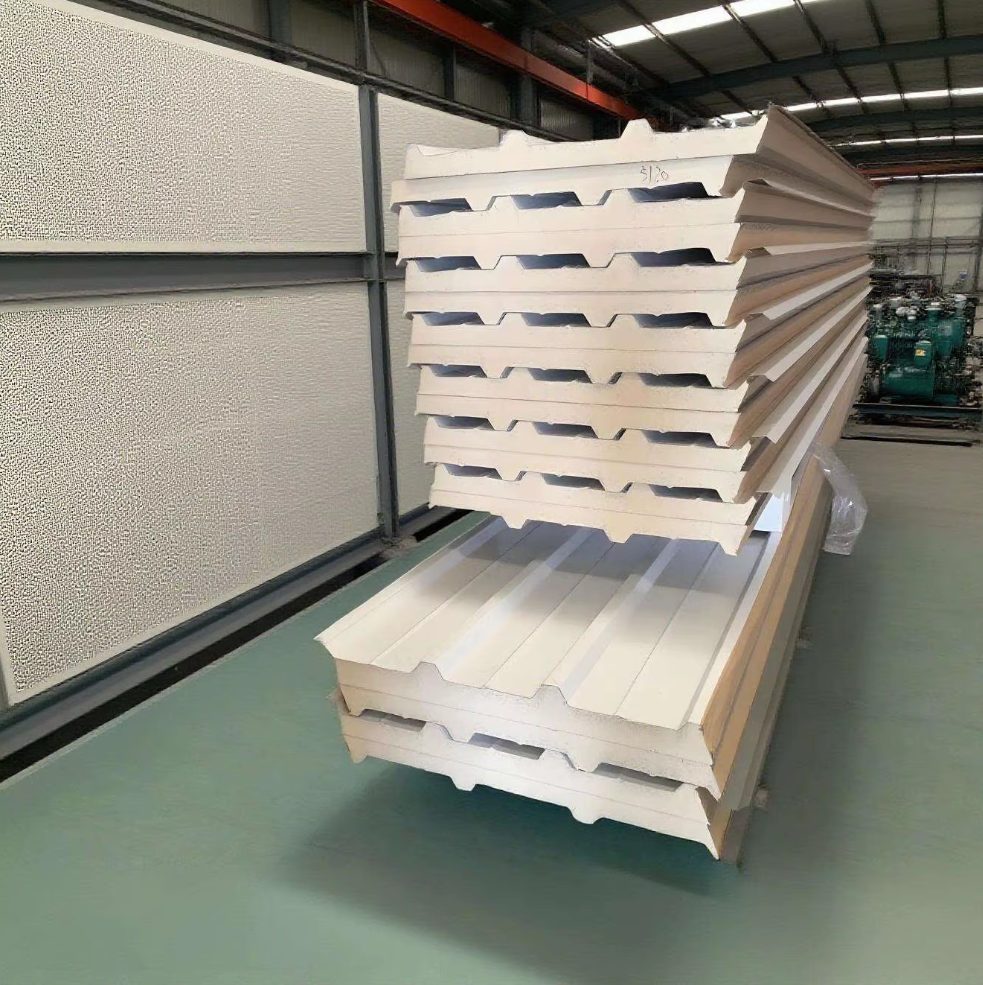
EPS sandwich panel can work well when their performance matches the actual requirements of the building. They are particularly relevant to projects that need basic thermal insulation, economical construction, and relatively straightforward installation.
The decision becomes more complicated when fire protection, high thermal performance, cold storage, or demanding industrial conditions enter the picture. In those cases, comparing EPS with rock wool and PIR on the basis of the complete building requirement is more useful than comparing prices alone.
For an ongoing project, the useful question is therefore not simply, “Which panel is cheapest?” It is, “What does this building actually require, and which panel system meets those requirements without adding unnecessary cost or performance?”
Post time: Sep-30-2026