

A walk-in cooler can give a growing food business access to reliable cold storage without the scale and complexity of a large cold chain facility. For restaurants, small food processors, retailers, farms, and local distribution operations, this difference matters. They may need more storage space, but not necessarily a large warehouse or a complicated refrigeration project.
A modular cold room offers a relatively low entry barrier. It can fit into an existing facility, require less construction work, and be installed within a defined area. This makes cold storage easier to introduce when demand is growing but future requirements remain uncertain.
A Practical Step Between Small and Large Storage
Storage demand does not always grow in a straight line. A restaurant may start with limited chilled inventory and later need more space. A food processor may add a new product line. A retailer may need additional capacity during a busy season.
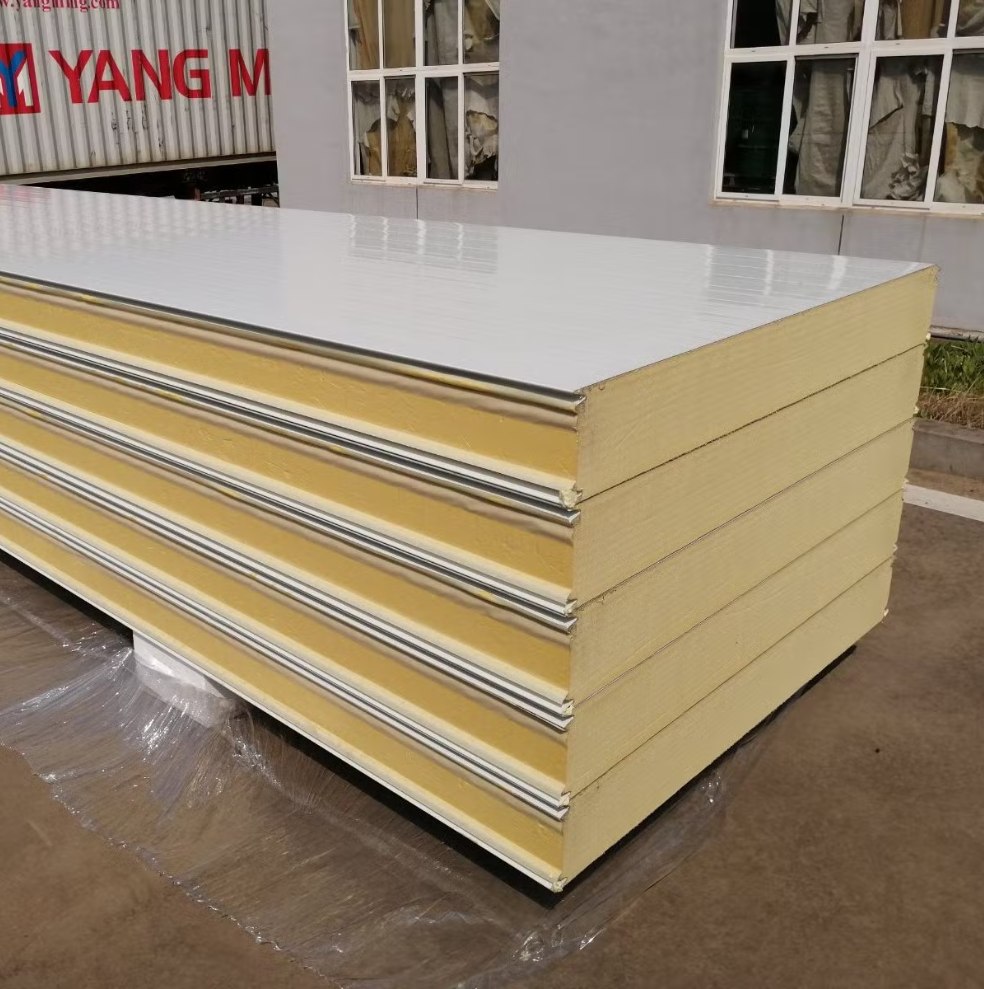
In these situations, building a large cold storage facility from the beginning may create more cost and operational complexity than necessary. A modular cold room provides a more measured option. It creates dedicated temperature-controlled space without requiring a major change to the whole building.
The advantage is not simply its smaller size. It is the relatively low barrier to use. A properly designed room can be installed within an existing workshop, commercial kitchen, warehouse, or food-processing facility. Once installed, its operation is also relatively straightforward compared with managing a larger cold storage building.
This simplicity can be valuable for businesses that do not have dedicated refrigeration specialists on site. Daily operations often come down to temperature management, door discipline, product organization, cleaning, and routine equipment checks. The system remains important, but its operation does not need to become a separate management burden.
Flexibility also comes from the modular format. A business can choose a room based on its current storage requirements rather than paying for capacity it may never use. If demand later changes, the layout or capacity can sometimes be adjusted with less disruption than a conventional building expansion.
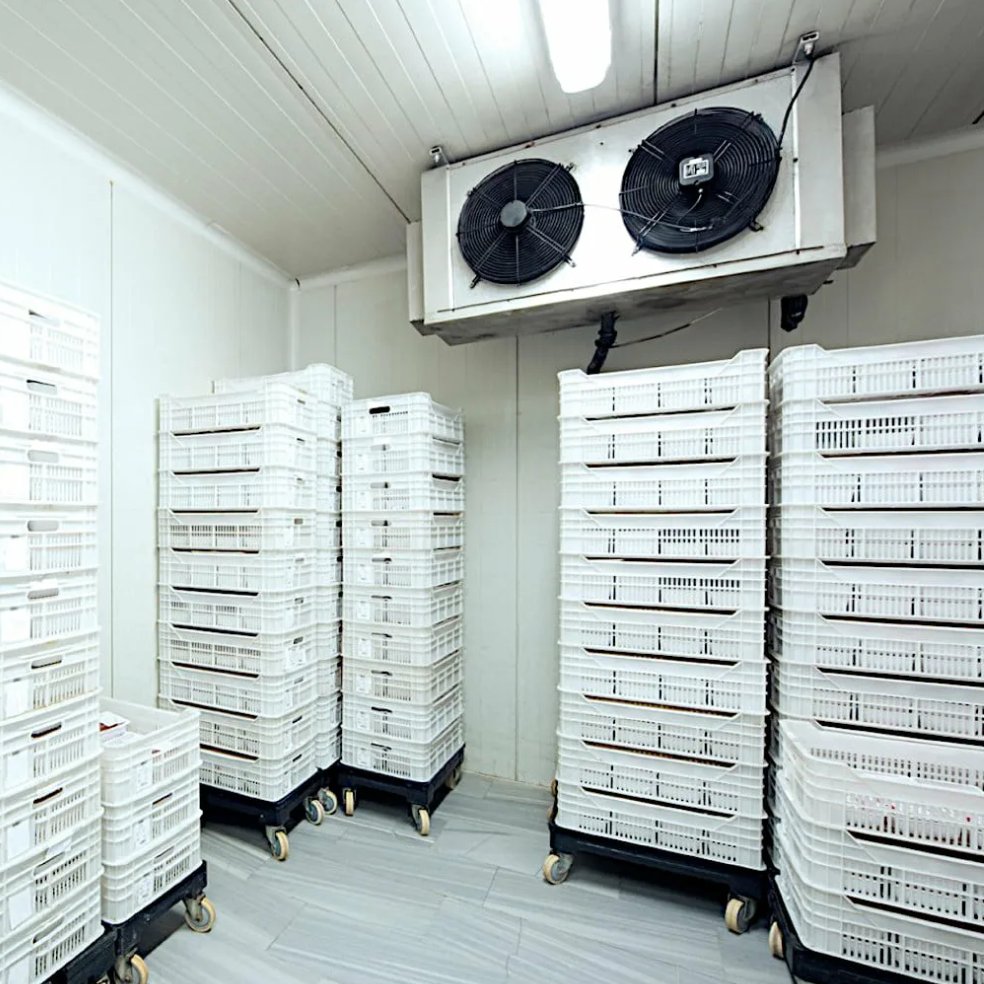
The Easier the Installation, the More Important the Preparation
A modular cold room may look simple after installation, but that simplicity depends heavily on what happens before production.
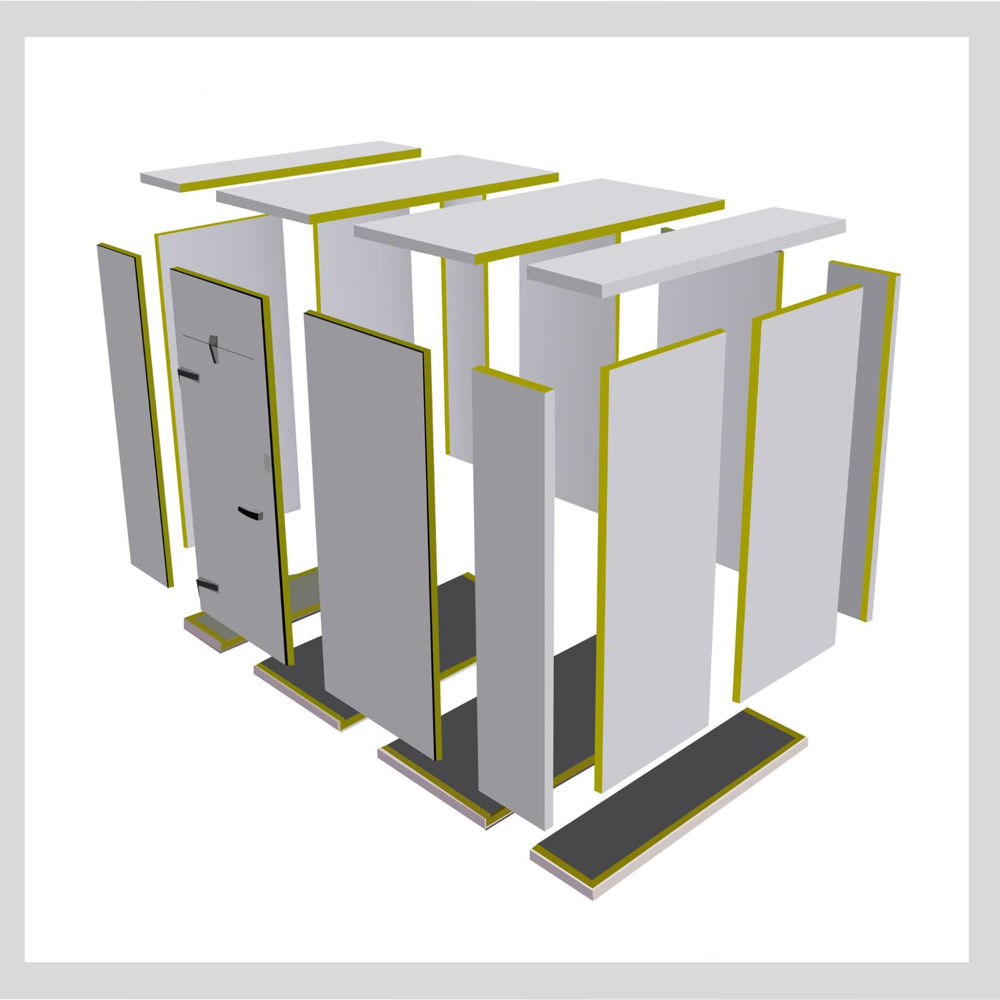
Because the panels, doors, floors, ceilings, and connections need to fit together accurately, design coordination becomes particularly important. Dimensions, panel thickness, joint positions, door locations, floor construction, refrigeration requirements, and internal clearances should be considered as one system.
This places higher demands on the supplier than simply manufacturing insulated panels. Drawings need to translate the customer’s available space and operating requirements into a workable room configuration. Production then needs to follow those details accurately.
Prefabrication is one of the main reasons installation can remain relatively simple. Panels and components can be prepared before arriving at the site, reducing the amount of cutting, adjustment, and improvised work during assembly. Clear labeling and consistent connection details can make the installation process easier to understand, even when the project team has limited experience with cold room construction.
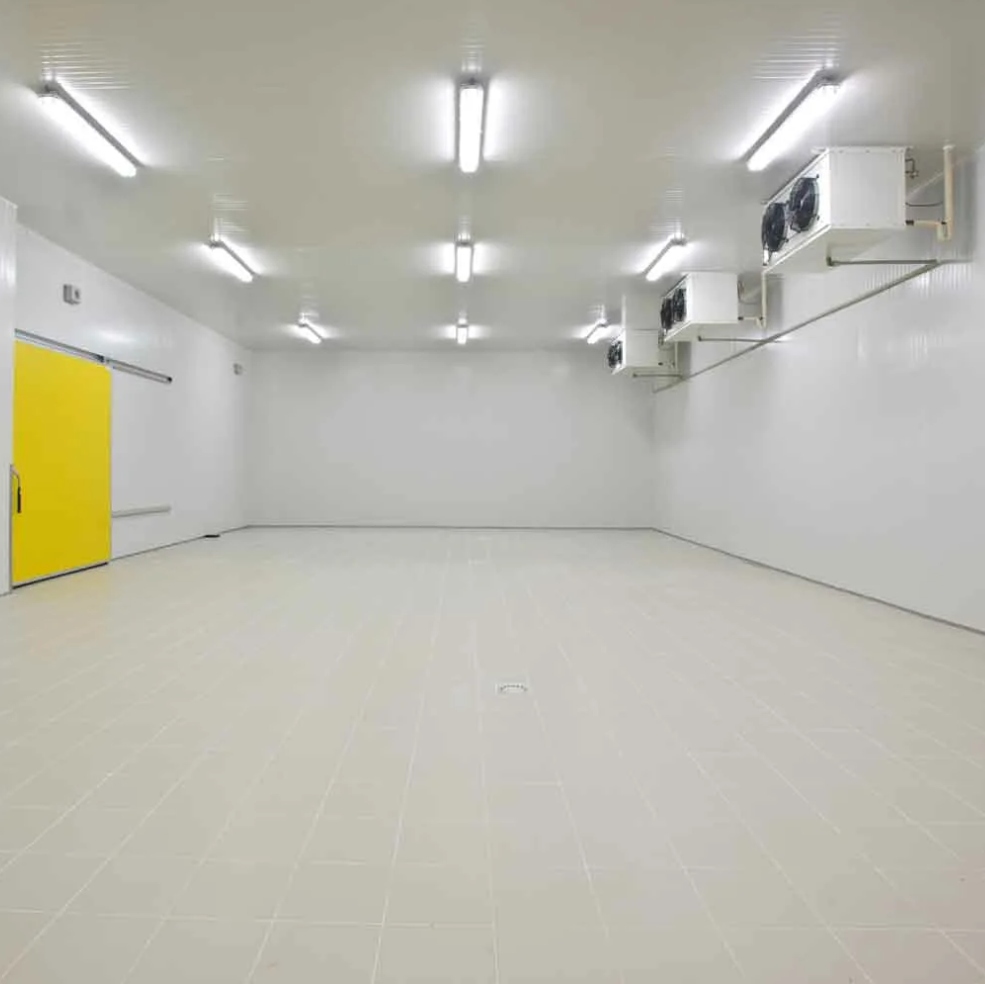
The same principle applies to maintenance. Good access to refrigeration equipment, sensible door placement, reliable seals, and well-resolved panel joints can make routine operation less demanding.
The goal is not to make every project technically elaborate. It is almost the opposite. More planning before production can create a simpler experience after delivery.
Flexibility Without Unnecessary Complexity
The flexibility of a walk-in cooler should not be confused with a requirement to expand continuously. Many businesses may simply need a practical cold room that meets their present needs for several years.
For them, flexibility means having options without carrying unnecessary complexity from the beginning. A room can be sized around current inventory, available space, and daily workflow. If circumstances change later, a modular configuration may provide more opportunities to modify or add capacity than a fixed structure.
This can also reduce the financial and operational burden of growth. A business does not necessarily need to plan and finance a much larger cold storage facility simply because future demand is difficult to predict. It can establish an appropriate storage base first and make further decisions when actual demand becomes clearer.
Design should therefore consider both present use and reasonable future scenarios. Door frequency, product turnover, pallet or shelving dimensions, personnel movement, and cleaning requirements all affect the practical capacity of a cold room. Leaving sensible access and service space may be more valuable than simply adding storage volume.
Refrigeration should follow the same logic. Cooling capacity needs to reflect product loading, ambient conditions, door openings, and the required temperature range. A system designed around actual operating conditions is easier to manage and less likely to create unnecessary energy costs.
For many growing food businesses, the appeal of modular cold storage lies in this balance. It offers a relatively accessible way to establish controlled storage, keeps installation manageable, and leaves room for change without assuming that every business will eventually need a large cold chain facility.
The best solution is therefore not necessarily the largest one. It is a cold storage system that matches today’s operation, remains understandable to the people using it, and does not make tomorrow’s decisions more difficult than they need to be.
Post time: Aug-12-2026