

A steel structure workshop is one of the most cost-optimizable construction types available to industrial developers today — yet most projects never capture that potential. The savings don’t come from cheaper materials or cutting corners. They come from smarter design decisions made before fabrication begins. Once steel goes into production, the opportunity to reduce cost without reducing performance largely disappears.
So where does the 15% actually come from? It comes from a systematic review of the structural design — specifically, column spacing, section selection, connection details, and load assumptions.
Where Design Inefficiency Hides In A Steel Structure Workshop Project
Most steel structure workshop projects arrive at the fabrication stage with drawings that work structurally but haven’t been optimized for material efficiency. Engineers design to meet load requirements with a safety margin. However, when that margin is applied uniformly across every member without reviewing actual load distribution, the result is steel that’s heavier than it needs to be.
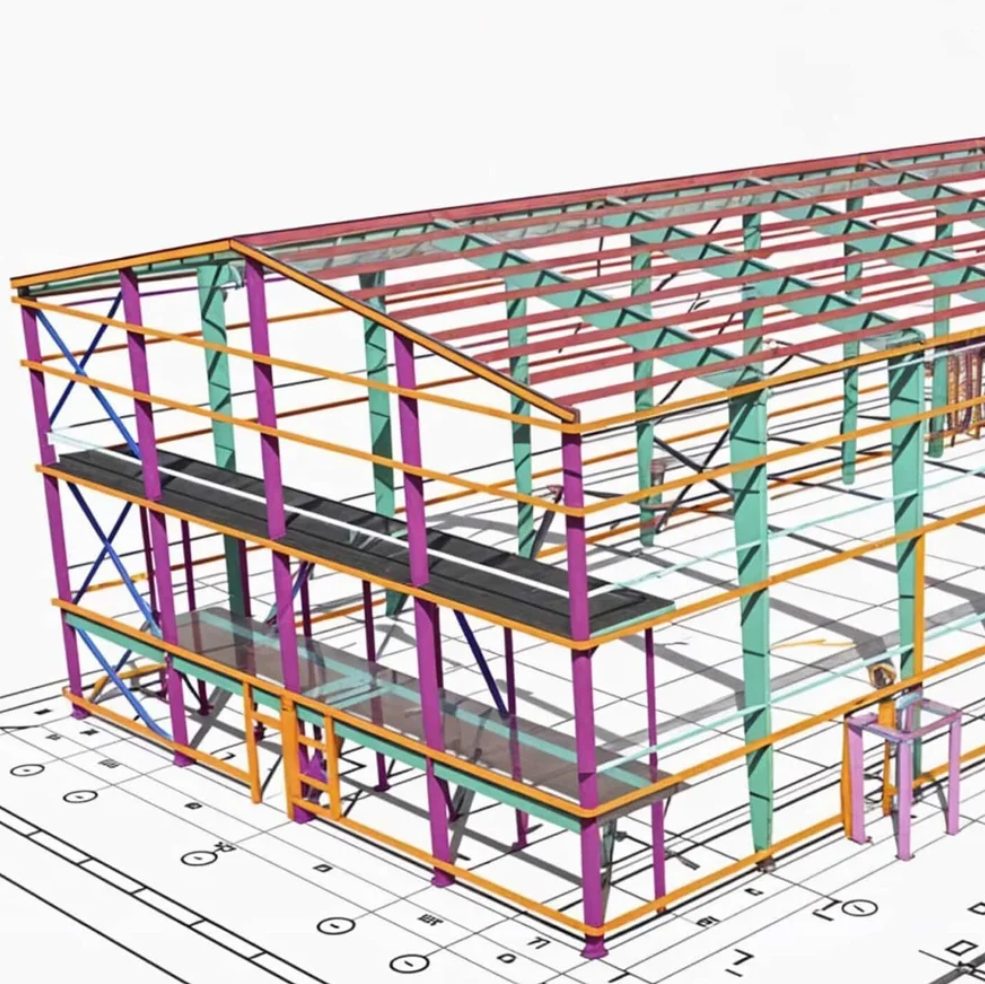
Column spacing is a common source of excess. Closer column grids use more steel per square meter of floor area than wider spans with appropriately sized rafters. Similarly, secondary structural members — purlins, girts, bracing — are frequently over-specified because they’re designed conservatively rather than calculated precisely for the actual building geometry.
Connection design also matters. Over-engineered base plates and beam-column connections add fabrication time and material cost without improving real-world performance. Furthermore, roof pitch, eave height, and wind load zone all interact in ways that experienced designers can leverage to reduce total tonnage — but only if someone actually reviews those interactions before the BOM is locked.
Many clients don’t know this review is possible. They receive a quote based on the drawings they have and assume that’s the floor price.
What Happened on a Real Project
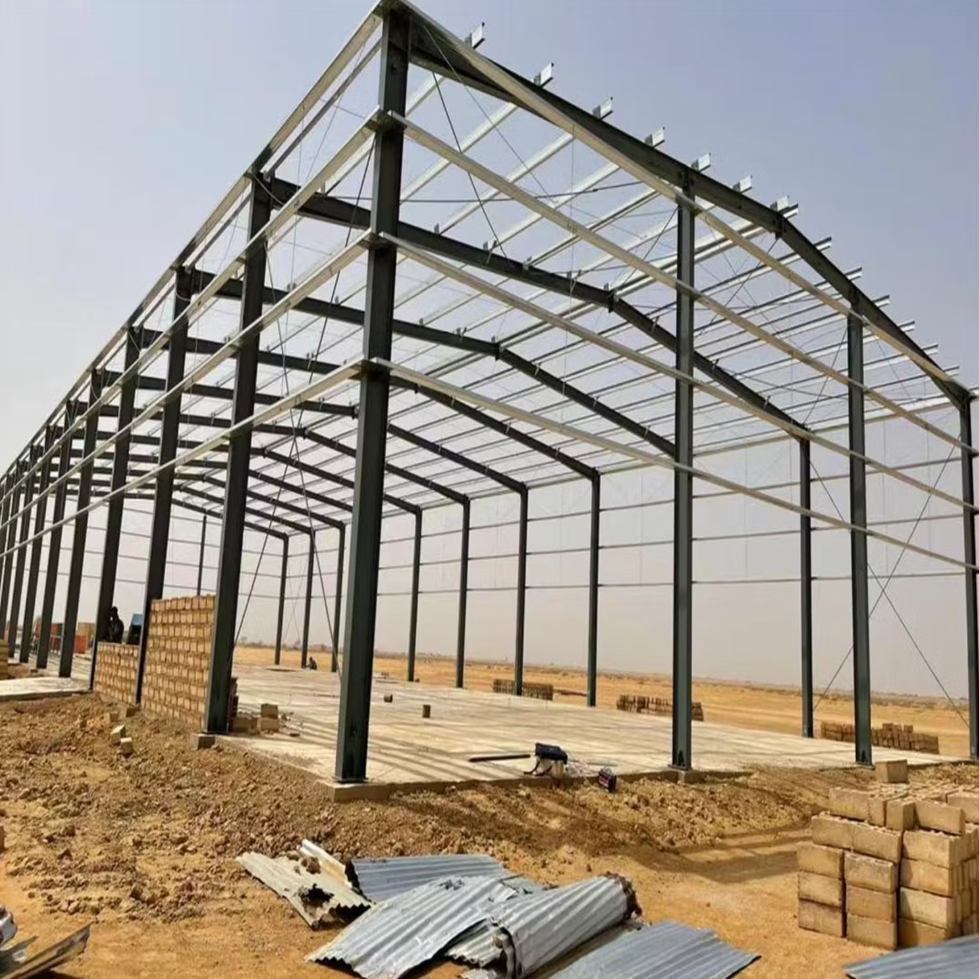
A logistics and manufacturing client in the Solomon Islands approached us with an existing design for a 60*30*7.5 metre steel structure workshop. The drawings were complete and structurally sound. The original bill of materials called for approximately 235 tonnes of steel.
Before we accepted the design as-is, our sales team and factory engineers reviewed the drawings together. They identified three areas where the specification carried unnecessary weight: the column spacing was tighter than the span required, the purlin gauge was over-specified for the actual roof load, and the base plate design used section sizes that exceeded what the wind and seismic conditions genuinely demanded.
We proposed a revised design to the client. They were understandably cautious — the original drawings had come from their own engineer, and changing them felt like a risk. So we walked them through each modification with load calculations attached, explaining the reasoning rather than simply asserting the change was safe.
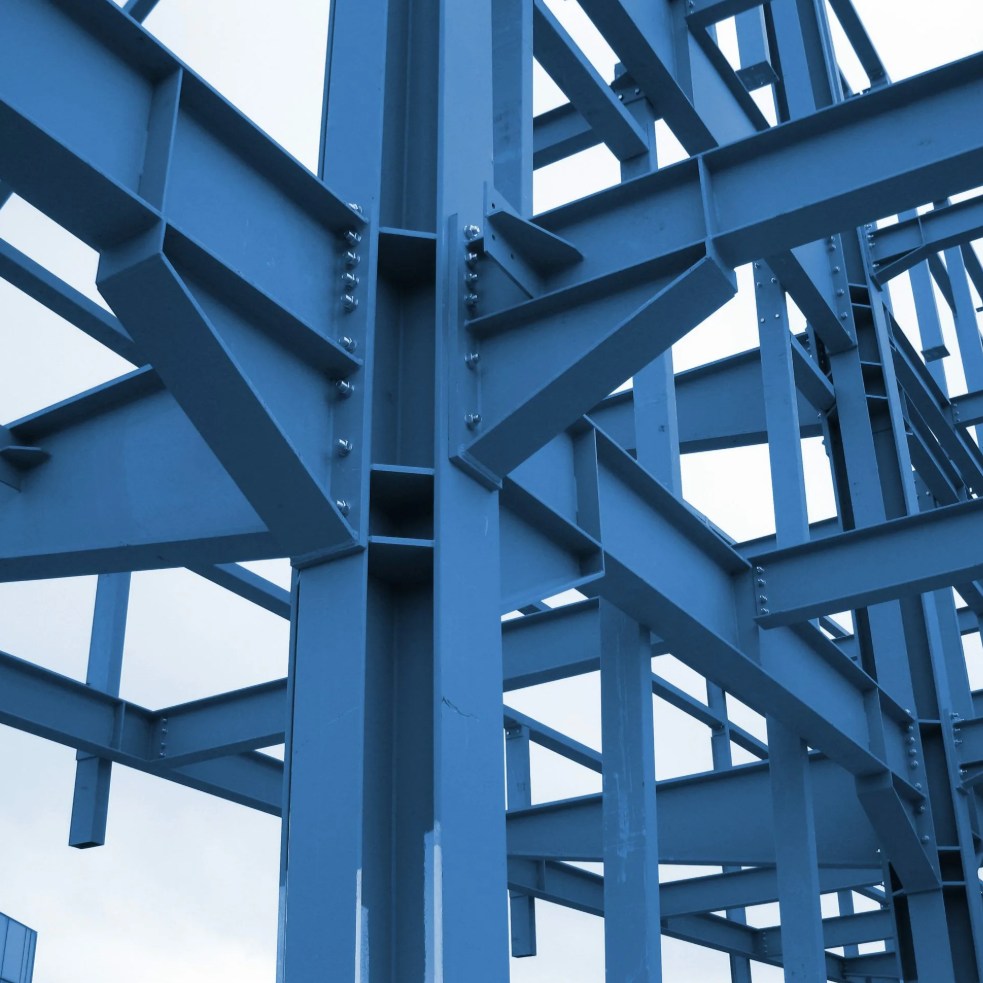
The client approved the optimized design. Final steel tonnage came in at 200 tonnes — a reduction of approximately 35 tonnes, or just under 15% of the original material cost. The structural performance met the same specifications. The delivery timeline didn’t change.
That conversation added two weeks to the pre-production stage. It saved the client a meaningful sum on a mid-sized project. On a larger steel structure workshop, the same review process yields proportionally greater returns.
If you have existing drawings for an upcoming project and haven’t had them independently reviewed for material efficiency, that review costs nothing to request. It’s worth asking the question before fabrication starts.
Post time: Apr-22-2026