

A steel structure project can look complete when the main frame is installed, but its real performance depends on decisions made long before the first beam reaches the site. In many overseas projects, the biggest challenges appear years later: corrosion, coating damage, unexpected repairs, and reduced service life.
These problems often do not come from the strength of the steel itself. They usually come from whether the design considers local climate, transportation conditions, and long-term maintenance requirements. A durable steel structure needs more than a strong frame. It needs a complete approach that protects every component throughout its service life.
Common Durability Problems After Project Completion
Many industrial buildings, warehouses, and workshops operate in environments that are much more demanding than expected. Coastal areas, tropical regions, and places with frequent storms can create continuous pressure on steel components.
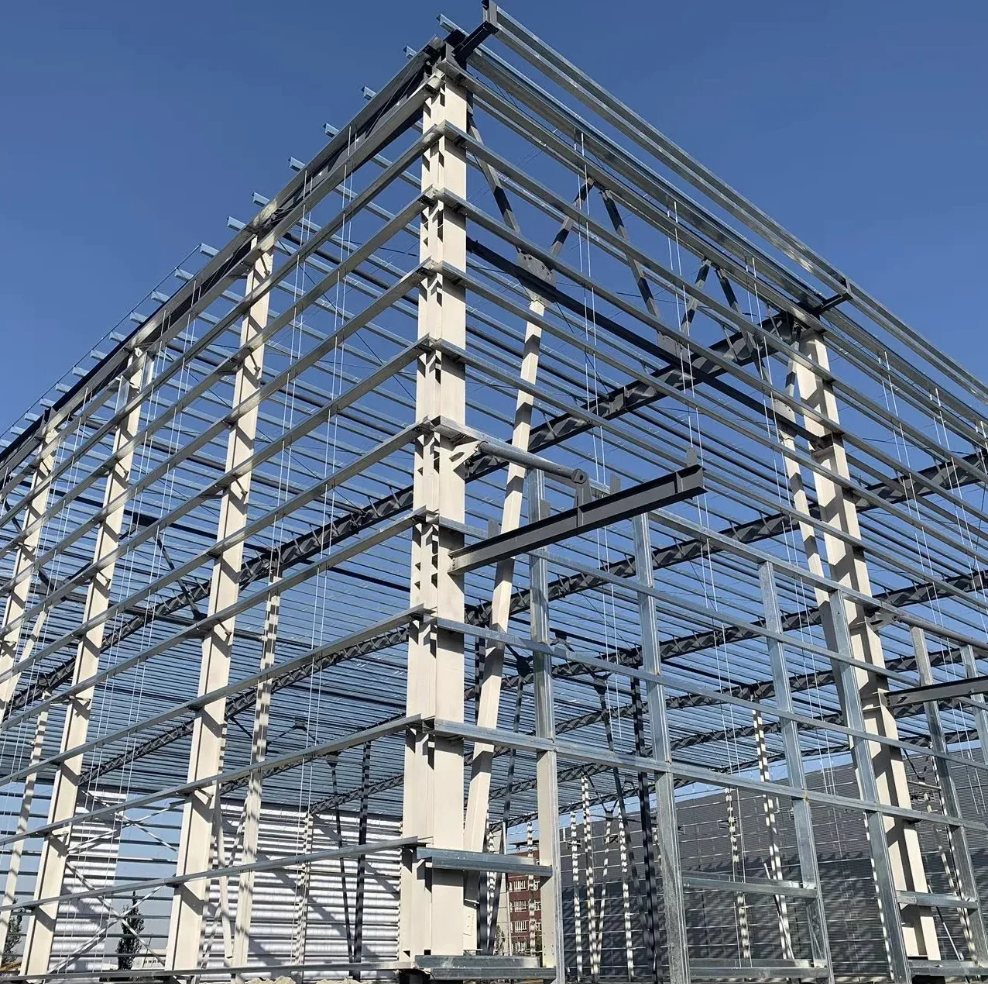
One common problem is corrosion. When steel members are exposed to moisture, salt air, or heavy rainfall for long periods, surface protection becomes increasingly important. Small coating damage during transportation or installation can become a starting point for rust. Over time, corrosion may affect appearance, maintenance costs, and structural reliability.
Another issue is that some projects focus mainly on initial construction costs while paying less attention to future conditions. A coating system that works well in a dry inland area may not provide the same protection in a humid coastal environment. Without considering local climate during the design stage, the building may require more frequent maintenance later.
Installation and transportation also influence durability. Steel components often travel long distances before reaching overseas sites. During loading, unloading, and assembly, protective layers can be damaged. If these details are not considered, the project may face problems even before operation begins.
For overseas steel structure projects, durability is not only a material issue. It is a combination of climate analysis, surface protection, fabrication quality, and construction planning.
Key Decisions That Improve Steel Structure Lifespan
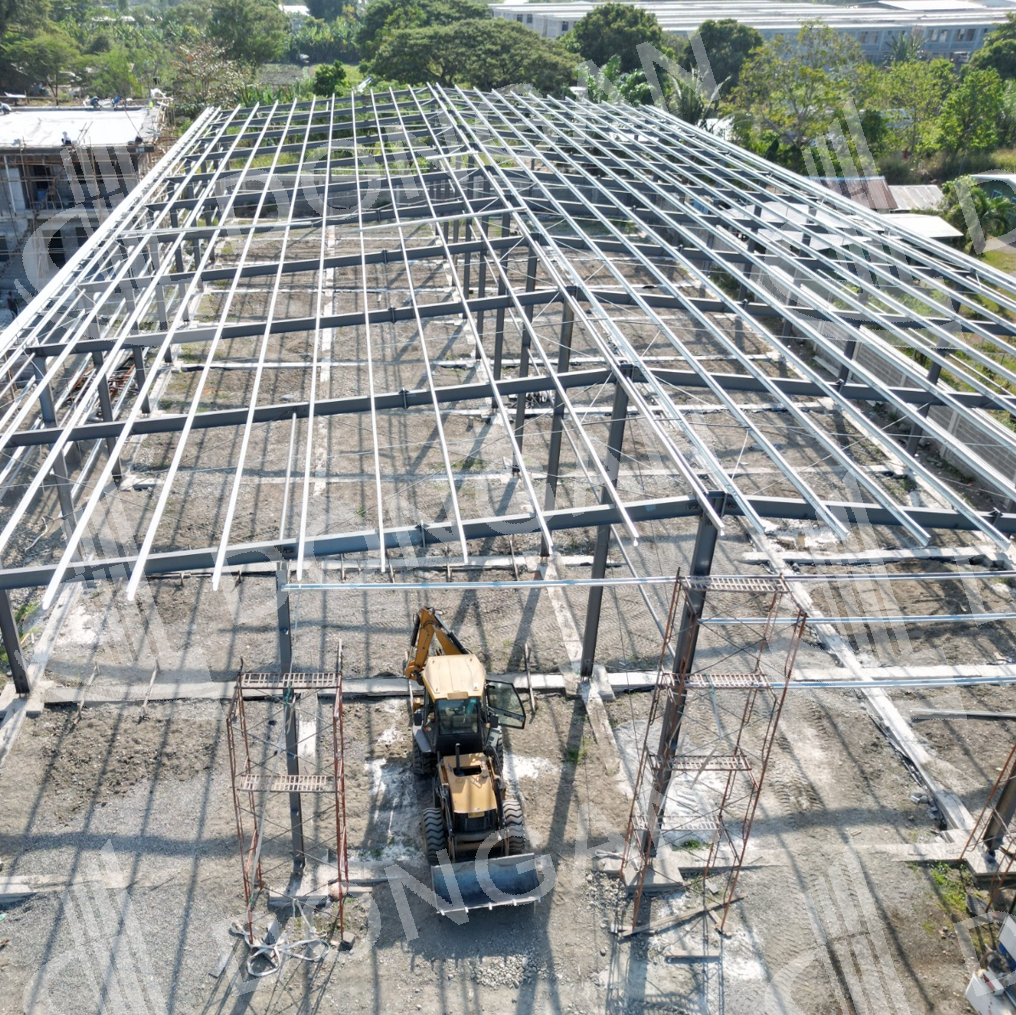
Improving durability starts with understanding the actual environment where the building will operate. Different regions create different challenges. A warehouse near the ocean needs stronger protection against salt corrosion, while a workshop in an area with large temperature changes may require different coating considerations.
Surface treatment is one of the most important decisions. Galvanized coatings, protective paint systems, and proper surface preparation work together to create a barrier between steel and the environment. The right combination depends on factors such as humidity, wind exposure, rainfall, and expected service life.
Attention to details also makes a difference. Connections, edges, and areas where water may collect require careful planning. Even a strong steel member can face problems if small design details allow moisture to remain on the surface.
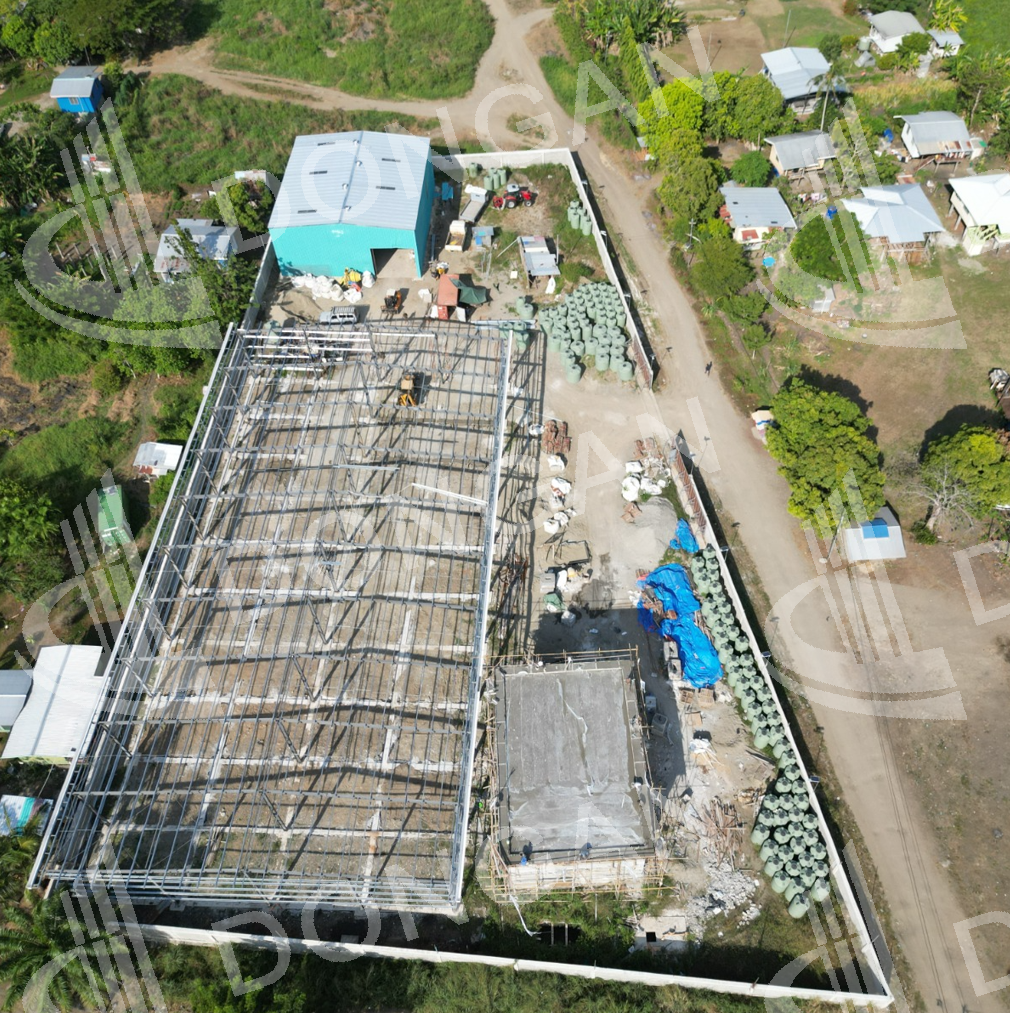
Maintenance planning should also be considered during the early stages. A practical design does not only focus on how a building will be completed. It also considers how easily inspections, repairs, and protective treatments can be carried out in the future.
This approach helps reduce unexpected costs and keeps the building performing well throughout its intended lifespan.
A Practical Example From the Solomon Islands
The importance of climate-based decisions can be seen in a steel structure project in the Solomon Islands. The project location has a tropical coastal climate, where high humidity, salt exposure, and tropical cyclone winds create additional challenges for long-term steel protection.
Instead of applying a standard protection approach, the project design considered the local environmental conditions from the beginning. The steel components received special treatment in their coating and painting process to improve resistance against moisture and corrosion.
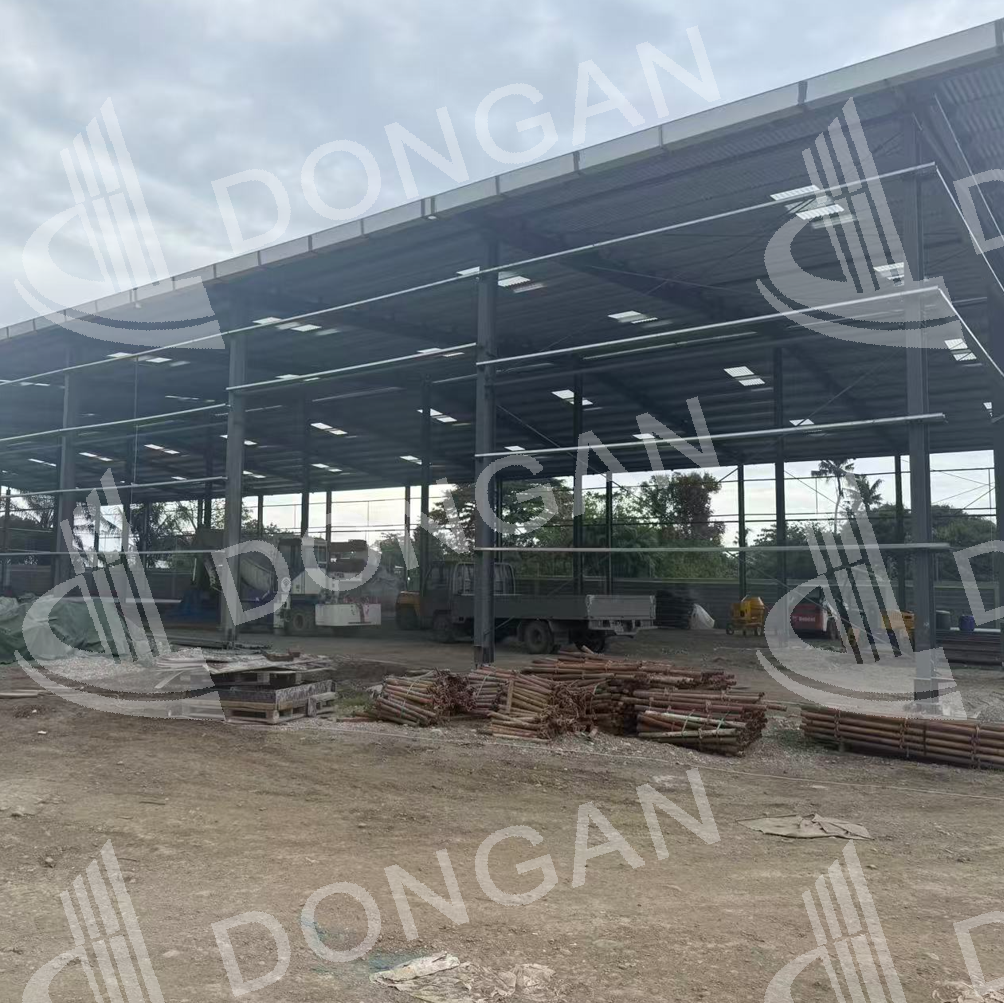
This decision was important because buildings in tropical coastal areas face continuous exposure rather than occasional weather events. Strong winds from tropical cyclones can also increase the risk of coating damage, which may accelerate corrosion if the steel surface loses protection.
By adjusting the surface protection system according to the local climate, the project achieved better resistance against the surrounding environment. The improved coating strategy reduced potential maintenance risks and helped support longer service life under challenging conditions.
This example shows that durability often depends on decisions made before construction starts. Choosing suitable protection methods based on the project location can prevent problems that are much harder and more expensive to solve later.
Building for Performance Beyond Completion
A successful steel structure project is not only measured by how quickly construction finishes. Long-term performance depends on whether the building can continue operating reliably after years of exposure.
Climate conditions, protective coatings, fabrication details, and maintenance planning all influence the final result. When these factors are considered together, a steel structure can provide more stable performance and fewer unexpected problems during its service life.
For projects in challenging environments, durability is not an additional feature. It is part of the original design decision.
Post time: Jul-22-2026