

A sandwich panel looks similar whether it ships to the Caribbean or Siberia — but the specification behind it should look completely different. Climate is one of the most consequential variables in any building envelope decision, and it’s also one of the most frequently underweighted during procurement. Many project teams pick a panel system based on price and availability, then discover performance gaps after installation.
If your next project sits in a high-temperature, severe-cold, or high-humidity environment, here’s how the selection logic actually changes.
What Climate Does to Your Envelope Requirements
The core function of a sandwich panel is thermal separation. However, the mechanism of failure differs completely depending on the climate type.
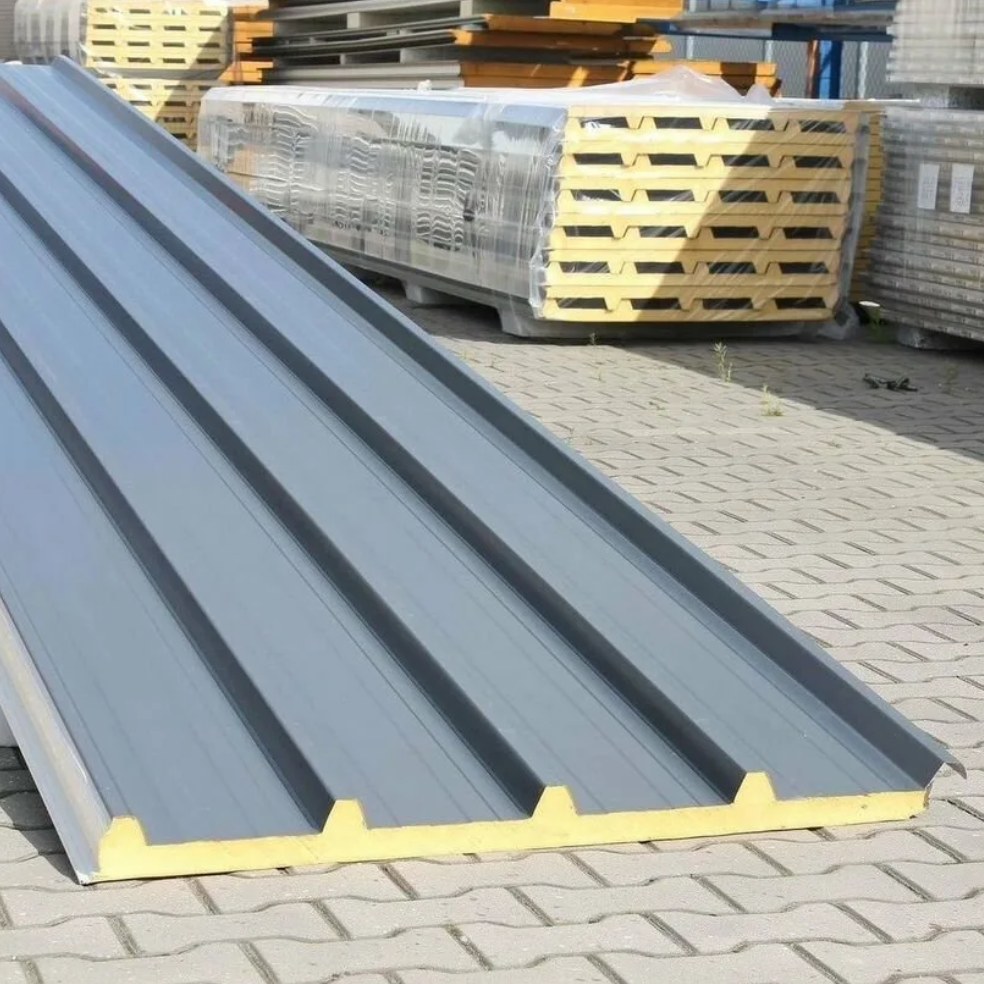
In high-temperature and high-humidity environments — such as coastal tropical regions, ports, or marine industrial facilities — the primary threat is moisture ingress and corrosion. Humid air carries salt, condensation forms aggressively on cold surfaces, and panel facings without adequate corrosion resistance degrade faster than most project timelines account for. Furthermore, UV exposure in tropical climates accelerates surface coating degradation significantly over time.
In severe-cold environments, the threat shifts. Here, the primary concern is thermal bridging, vapor pressure differentials across the panel, and the structural behavior of the panel system under freeze-thaw cycling. A panel that performs adequately at 0°C may behave very differently at -35°C, particularly at joint interfaces and fastener points.
High humidity combined with large daily temperature swings — common in coastal sub-arctic regions — creates the most demanding conditions of all. Moisture drives inward during the day and is pushed back by cold at night. Without properly designed vapor management and high-density core materials, condensation accumulates inside the panel assembly over time.
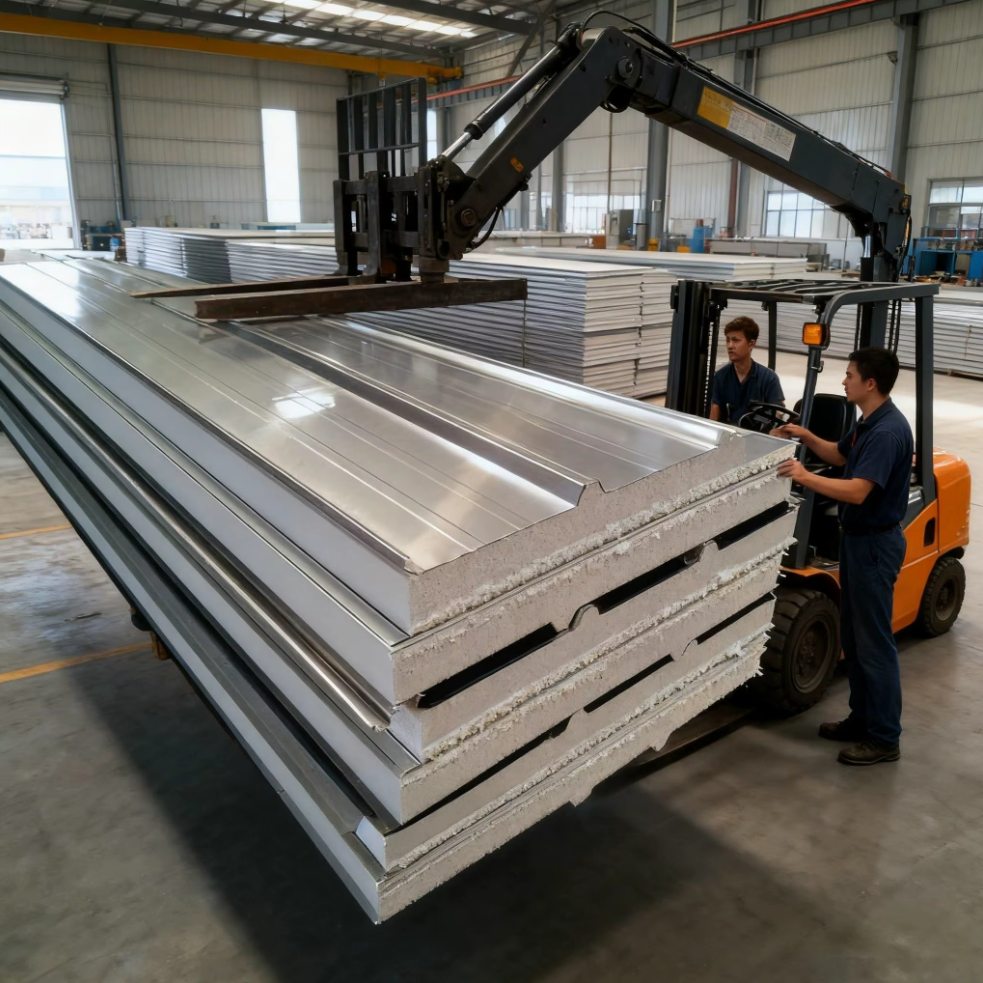
Two Real Projects, Two Different Answers For Sandwich Panel
This isn’t theoretical. We supplied building envelope systems for two very different projects, and the panel specifications looked nothing alike.
For the Dominican cement plant enclosure, the project sat in a high-temperature, high-humidity Caribbean coastal environment. We specified rock wool composite panels with a hot-dip galvanized substrate and a polyester topcoat rated for tropical UV exposure. The priority was corrosion resistance and breathability, not maximum thermal insulation. The cement plant environment also required panels with strong fire resistance ratings, which influenced core material selection directly.
For the Vladivostok shipyard enclosure in Russia, the operating environment reaches -35°C in winter with significant coastal humidity. There, we specified high-density rock wool sandwich panels with a thicker insulation core, enhanced joint sealing, and steel facings with a stronger anti-corrosion coating suitable for marine-adjacent conditions. Thermal performance dominated the specification, but vapor management at every joint and penetration point was equally critical.
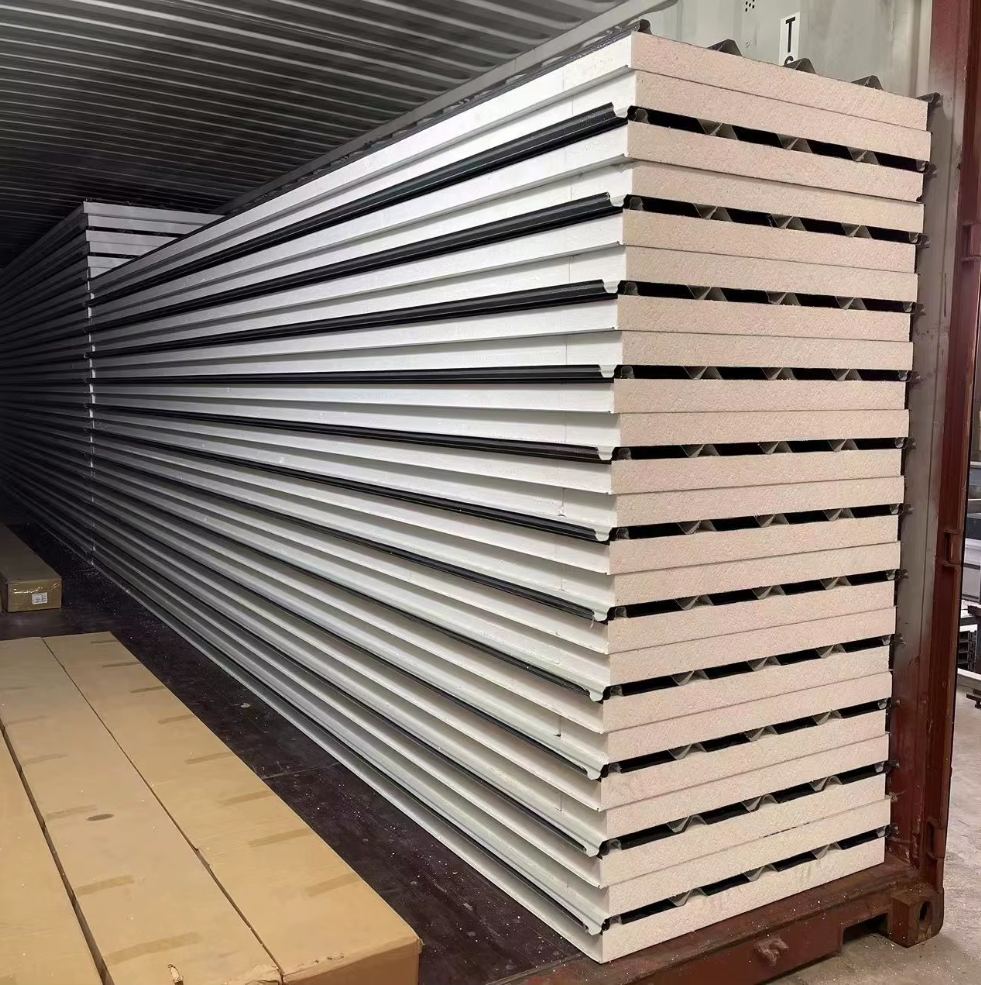
The same panel thickness on paper — say, 100mm — would perform acceptably in the Dominican Republic and inadequately in Vladivostok. The difference lies in foam density, facing specification, joint design, and coating system. These details rarely appear prominently on a standard quotation, which is exactly where project teams get into difficulty.
So if your project sits in an extreme climate and you’re currently reviewing panel proposals, the right question to ask your supplier isn’t just “what thickness?” It’s “what density, what facing, what coating, and what joint system — for this specific climate?”
That question takes thirty seconds to ask. Getting the answer right saves considerably more than that.
Post time: Apr-22-2026