

A steel structure is becoming a practical choice for many industrial projects in developing countries. As markets expand and infrastructure demand increases, more companies are looking for construction methods that balance speed, cost control, and long-term performance. Prefabricated solutions are gaining attention because they help shorten construction periods and make project planning more predictable.
Why Prefabricated Buildings Fit Growing Markets
Many developing regions face similar challenges during industrial development. Land demand is increasing, manufacturing activities are expanding, and new facilities need to become operational quickly. Traditional construction methods can struggle with long preparation periods and complex site coordination.
Prefabricated buildings offer a different approach. Factories can prepare structural components, panels, and accessories before they arrive at the construction site. This reduces uncertainty during installation and allows local teams to focus on assembly and coordination.
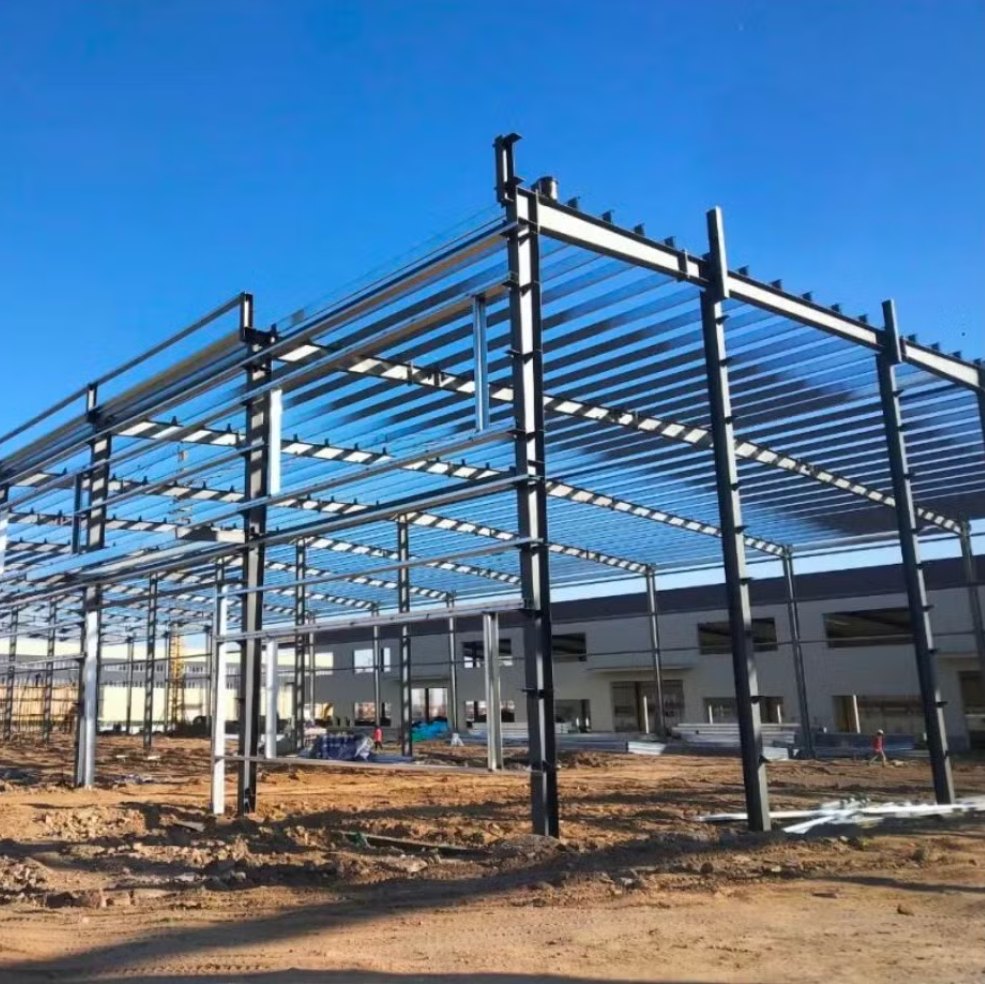
For example, a warehouse project may require a large open space, reliable protection from weather, and efficient installation. A workshop may need flexible layouts that allow future expansion. Prefabricated systems can support these requirements with standardized production and customized design.
This approach is especially useful in areas where skilled labor, transportation conditions, or construction schedules create additional pressure. Instead of building every part from scratch on site, project teams can combine factory production with local installation resources.
From Concept to Industrial Reality
The growth of prefabricated solutions does not only come from construction speed. It also reflects changing expectations for industrial development. Many companies now pay more attention to lifecycle costs, maintenance requirements, and future adaptability.
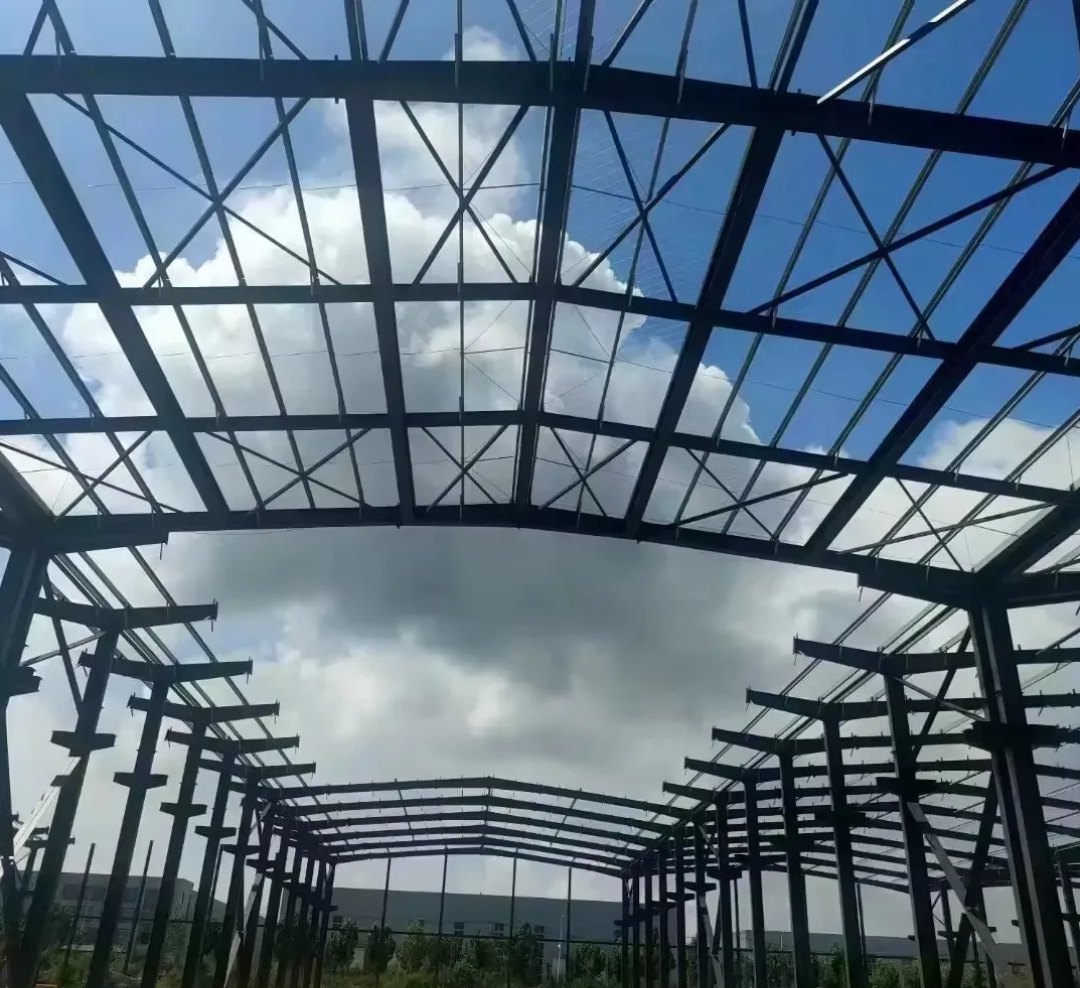
A steel structure project usually involves more than the main frame. The overall solution may include roof systems, wall cladding, insulation materials, doors, and other building components. A well-coordinated design helps different parts work together and reduces problems during construction.
In developing countries, industrial facilities often serve different purposes. Some projects support manufacturing, while others focus on logistics, agriculture, or cold chain development. A food processing facility may require temperature control and hygienic conditions. A production workshop may prioritize ventilation, lighting, and equipment arrangement.
Prefabricated systems provide room for these differences. Designers can adjust materials and layouts according to climate, local regulations, and operational needs. This flexibility helps projects move forward even when conditions vary from one region to another.
Better Coordination for Cross-Border Projects
International industrial projects require careful communication. Drawings, material specifications, transportation plans, and installation procedures all need to match the actual site conditions.
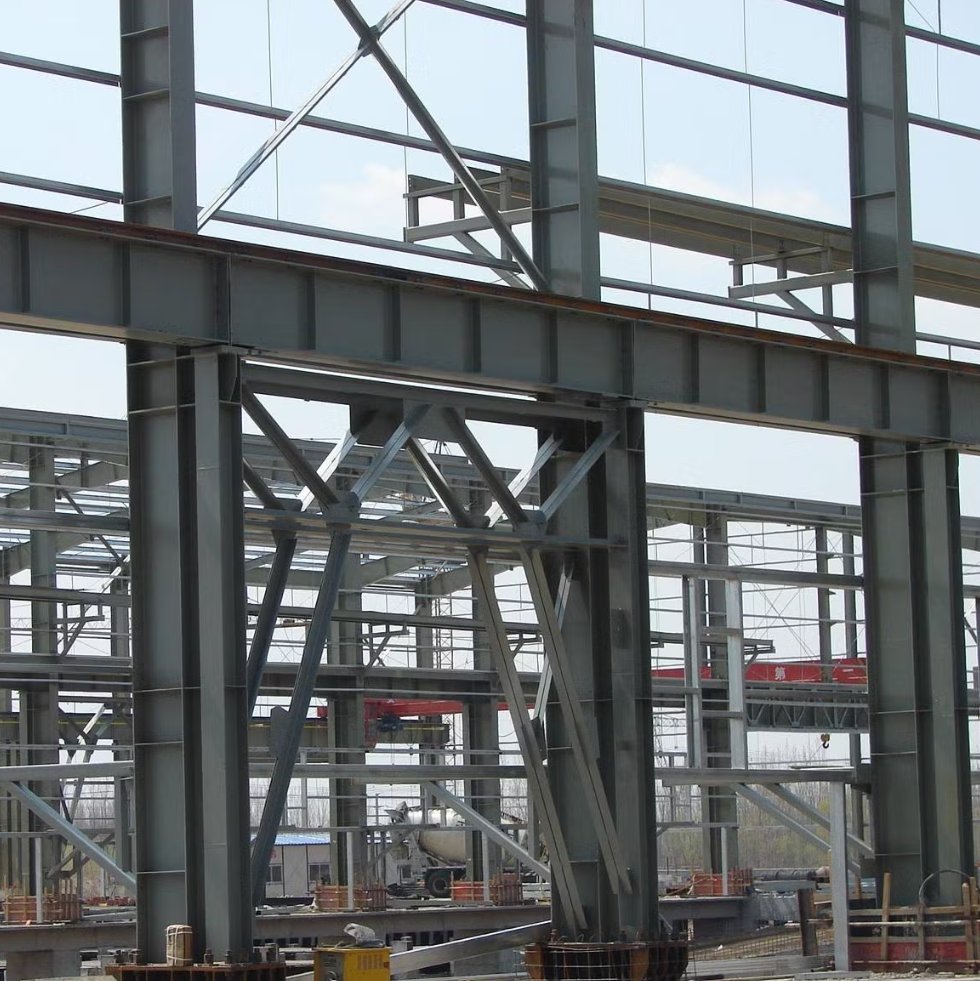
For overseas projects, prefabrication can reduce some common risks. Factory production creates a clearer process for quality checks and packaging. Meanwhile, detailed planning before shipment helps avoid delays caused by missing components or unclear installation steps.
A successful steel structure solution depends not only on manufacturing capacity but also on understanding the practical needs of the project. Local weather, available equipment, construction experience, and future usage all influence the final design.
This is why many developing markets are showing stronger interest in integrated building solutions. They are not simply looking for a faster way to build. They are looking for reliable facilities that can support business growth over many years.
The expansion of industrial activities in developing countries will continue to create demand for efficient construction methods. Prefabricated solutions provide a balance between flexibility and efficiency, helping different types of projects move from planning to operation.
As more regions improve their infrastructure and manufacturing capabilities, modern building approaches will continue to play an important role. The focus is gradually shifting from simply completing a building to creating a practical space that supports long-term development.
Post time: Aug-05-2026