

A modular cold room is becoming an effective solution for businesses that need reliable temperature-controlled spaces in remote and expanding markets. As food supply networks grow and regional industries develop, more projects require flexible cold storage systems that can be installed quickly and adapted to different operating conditions.
Why Modular Cold Storage Fits Remote Areas
Many developing regions are experiencing changes in agriculture, food processing, and distribution. New production areas often need cold storage facilities closer to farms, ports, and local markets. However, traditional cold storage construction may involve long preparation periods, complex site work, and higher transportation costs.
A modular cold room provides a more flexible option. Its main components can be prepared in advance and assembled according to the specific requirements of the project. This approach helps reduce construction complexity and allows facilities to become operational within a shorter period.
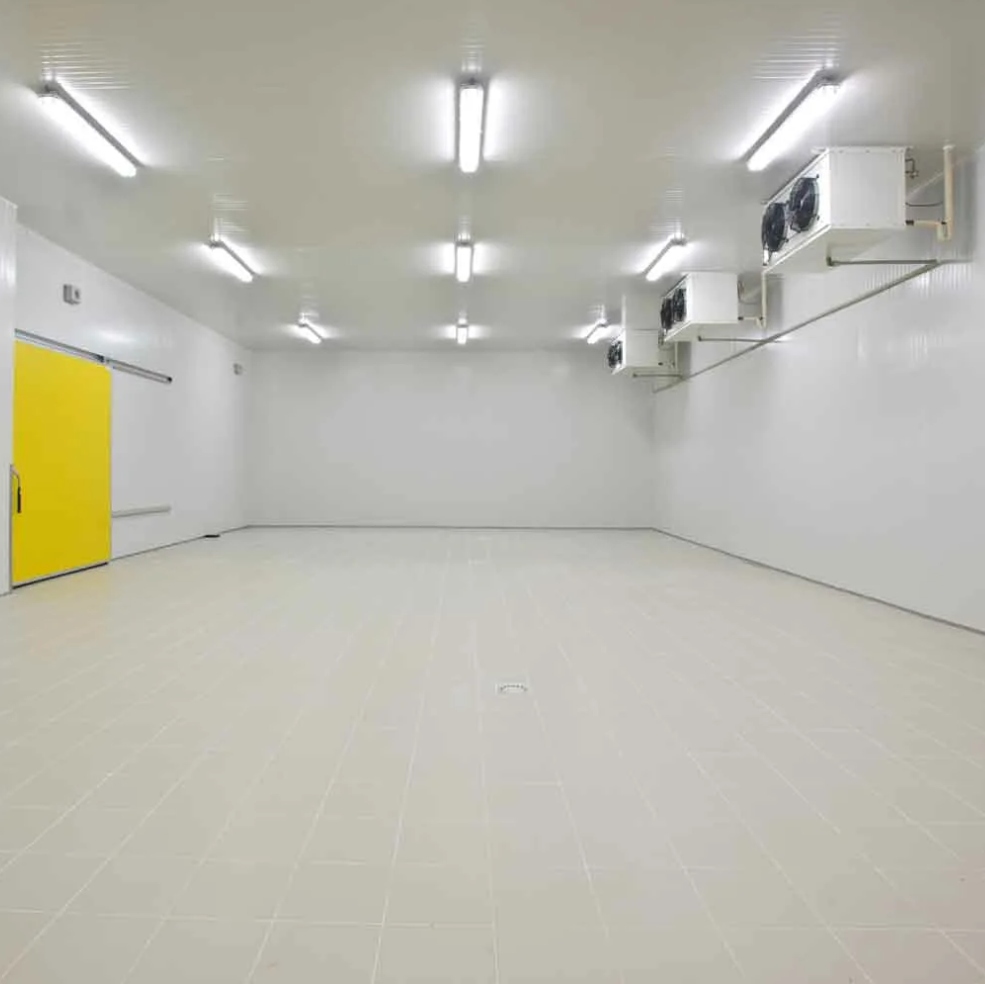
For remote locations, project conditions can vary significantly. Some areas may have limited construction resources, while others may face challenges related to climate, transportation, or infrastructure. Modular systems can be designed around these factors, making them suitable for different environments.
A small food distributor may need a mini cold room for daily storage. A growing agricultural area may require a larger cold storage facility to support seasonal production. The ability to expand step by step gives operators more flexibility when planning future development.
Supporting the Growth of Cold Chain Networks
The development of cold chain systems is closely connected with modern food supply. Fresh products, frozen goods, and pharmaceutical materials all depend on stable temperature management during storage and transportation.
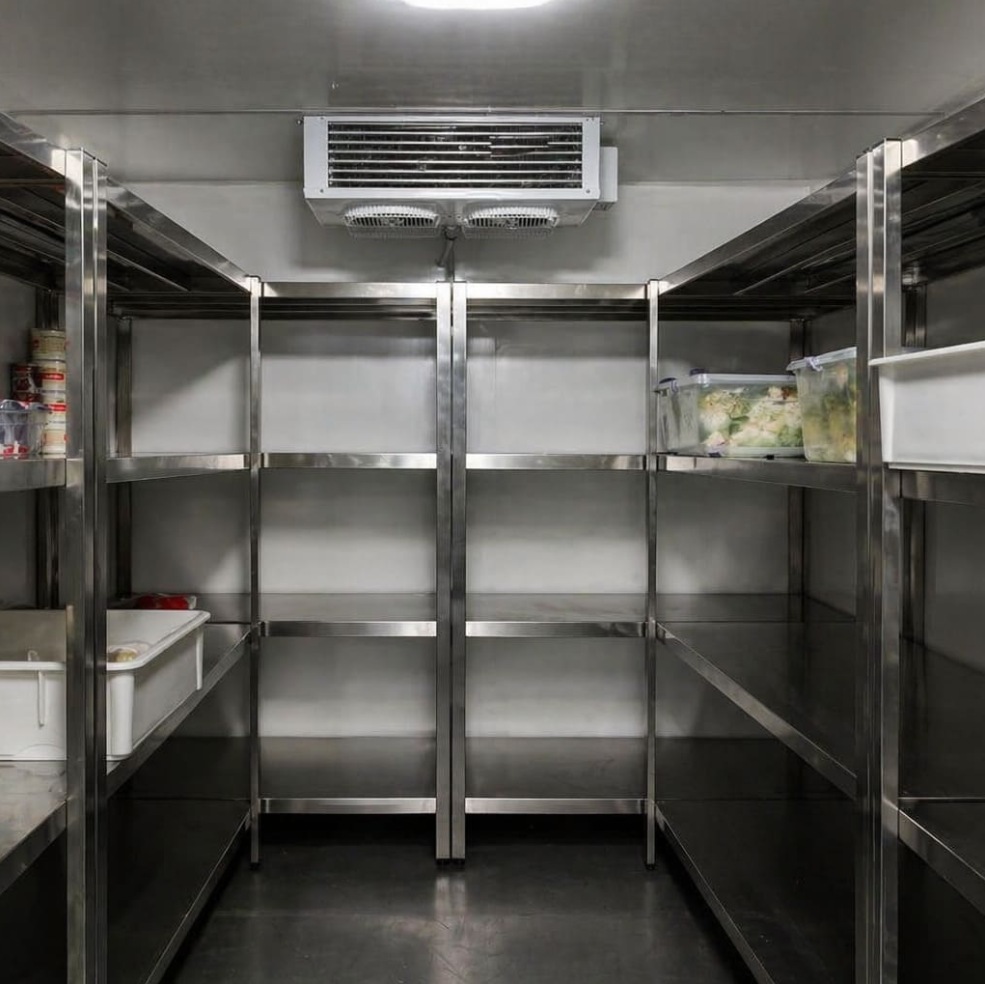
A cold storage project is not only about installing cooling equipment. The building structure, insulation performance, doors, and internal layout all influence long-term operation. A well-planned system helps maintain stable conditions and reduces energy losses during daily use.
In many expanding markets, demand does not always appear at a large scale from the beginning. Businesses may first need a smaller facility and then increase capacity as their operations grow. This is where modular solutions can offer practical advantages.
For example, a mini cold room near a farming area can support local collection and distribution. Later, additional modules can be added to meet higher storage requirements. This gradual approach allows businesses to match facility investment with actual market growth.
Flexible Solutions for International Projects
Cross-border cold storage projects require careful coordination between design, manufacturing, transportation, and installation. Different regions may have unique requirements related to climate, available energy supply, and operating habits.
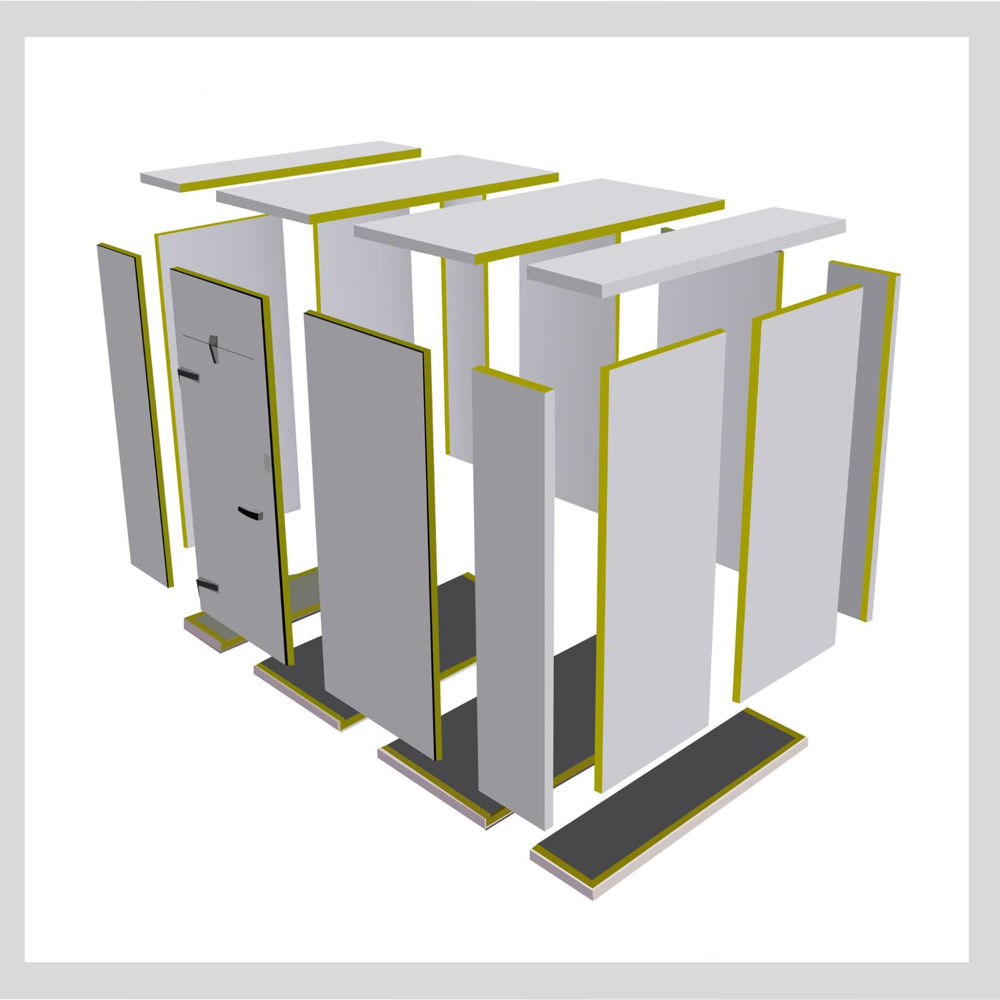
A modular cold room solution can simplify communication because the system is based on clearly defined components and installation procedures. Before shipment, technical details such as panel specifications, refrigeration capacity, and layout plans can be confirmed in advance.
For overseas projects, transportation efficiency is also an important consideration. Compact packaging and organized component management can help reduce difficulties during delivery and installation. Local teams can complete assembly with proper guidance and preparation.
The success of a cold storage project depends on understanding the actual business environment. Temperature requirements, product types, operation schedules, and future expansion plans all influence the final design.
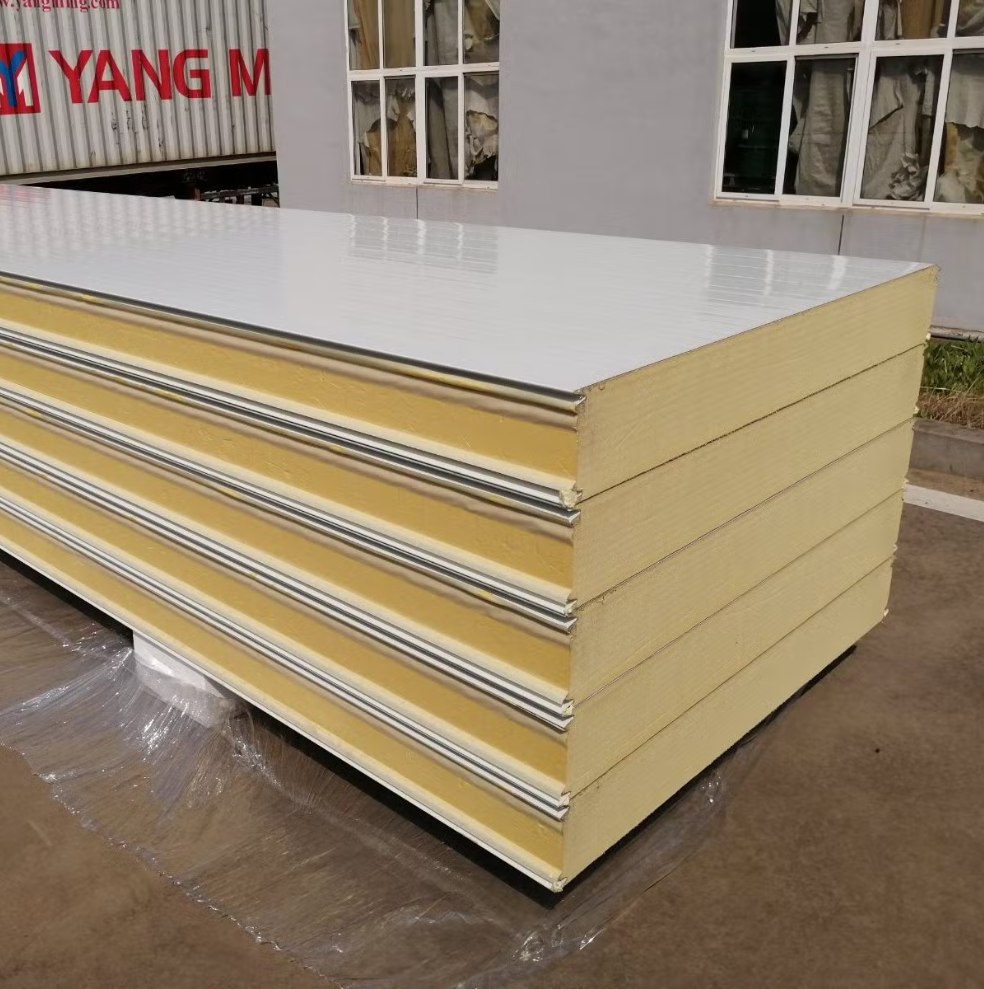
As more regions improve their food distribution networks and industrial capabilities, modular cold room systems are likely to become a practical choice for many applications. They offer a balance between flexibility, efficiency, and long-term usability.
Looking Toward Future Demand
Remote and expanding markets continue to create new opportunities for temperature-controlled infrastructure. From agricultural storage to regional distribution centers, cold chain development requires solutions that can respond to changing demand.
A modular cold room helps connect production areas with wider markets by providing reliable storage capacity where it is needed. As industries continue to grow, adaptable cold storage systems will remain an important part of modern supply networks.
Post time: Aug-05-2026