

Modular cold room systems have become a standard, practical solution for large-scale industrial storage and cold chain infrastructure. For project developers and engineering contractors, choosing a modular approach significantly impacts assembly timelines, thermal efficiency, and long-term operational predictability.
Navigating Engineering and Environmental Challenges in Cold Storage
In large-scale industrial developments, establishing precise temperature control involves variables that extend far beyond simply purchasing refrigeration equipment. Modular cold room installations frequently encounter hidden environmental and logistical risks that can compromise system integrity if left unaddressed.
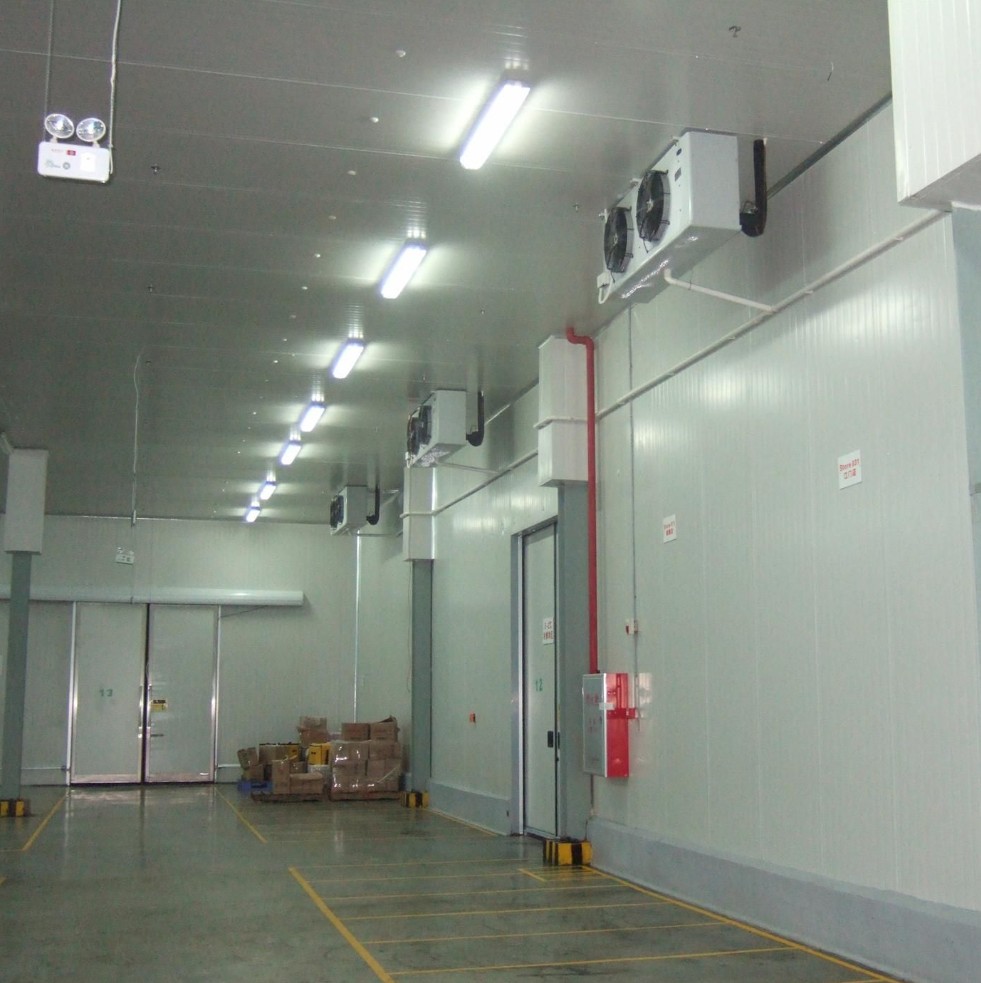
First, remote or developing sites often lack a stable power grid, directly threatening the consistency of refrigeration performance. Transporting materials to these locations also introduces risks; high-volume insulation panels and sensitive mechanical components can easily sustain structural damage during long-haul transit or complex customs clearance processes. If delivery schedules slip, the timeline for the entire project is often disrupted.
On-site, contractors frequently must contend with uneven subfloors or imperfectly prepared structural shells. In cold storage, even minor structural misalignments can lead to poor panel joints, compromising the thermal envelope. This results in thermal bridging, moisture infiltration, and severe energy loss.
Furthermore, project teams often overlook long-term maintenance accessibility during the initial layout phase. If adequate service clearance around evaporator units, valving, and control panels is omitted, routine inspections, cleaning, and repairs become exceptionally difficult for facility operators.
Technical Engineering Advantages and Lifecycle Economics
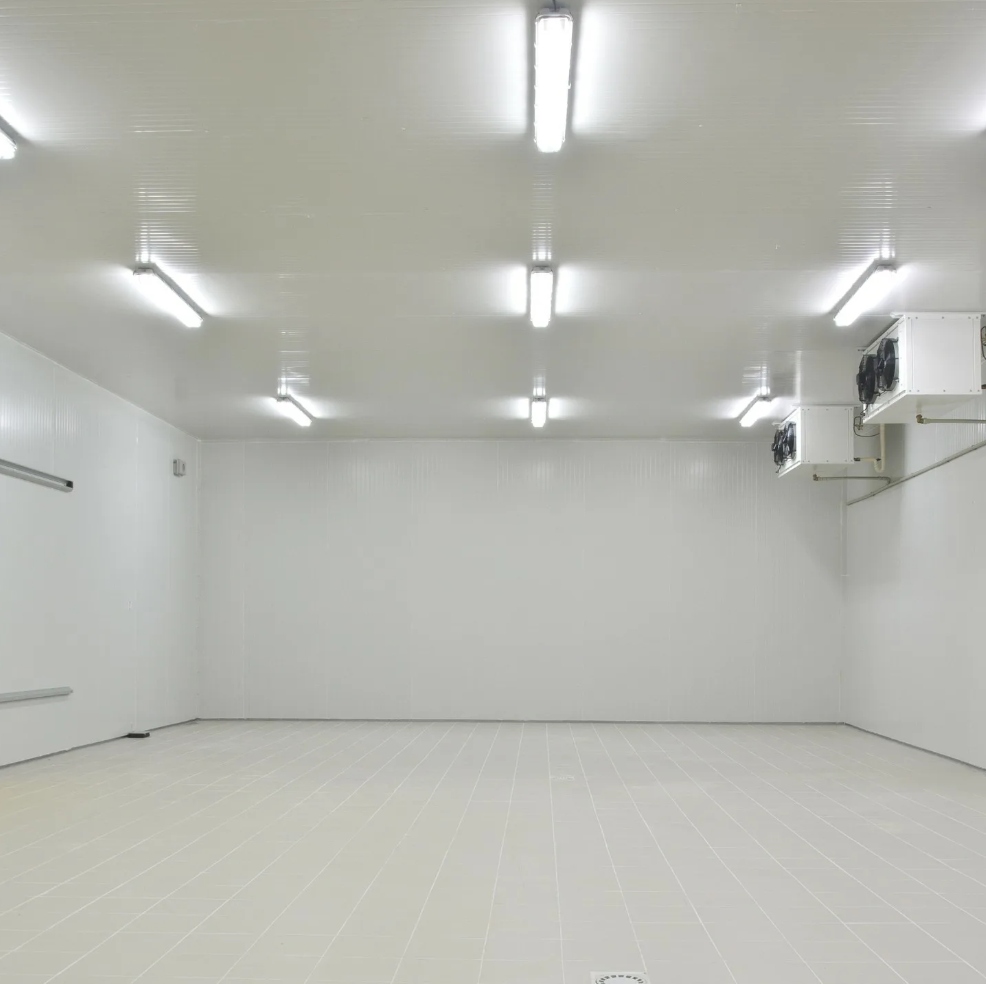
Pre-engineered modular cold room solutions directly address these field challenges by shifting the compliance and precision burden from the job site to the factory.
Because components arrive pre-fabricated and engineered to tight tolerances, on-site assembly time is drastically compressed. This speed of installation reduces field labor costs and limits the project’s exposure to unpredictable local weather conditions. However, achieving true thermal efficiency still depends entirely on the precision of panel interlocking, robust humidity management strategies, and meticulous joint sealing.
When sealing details are neglected, vapor barriers fail, leading to ice formulation and increased compressor loads. Conversely, a well-executed modular envelope ensures high thermal resistance. By stabilizing internal temperatures, the system minimizes compressor cycling, making operational energy costs highly predictable.
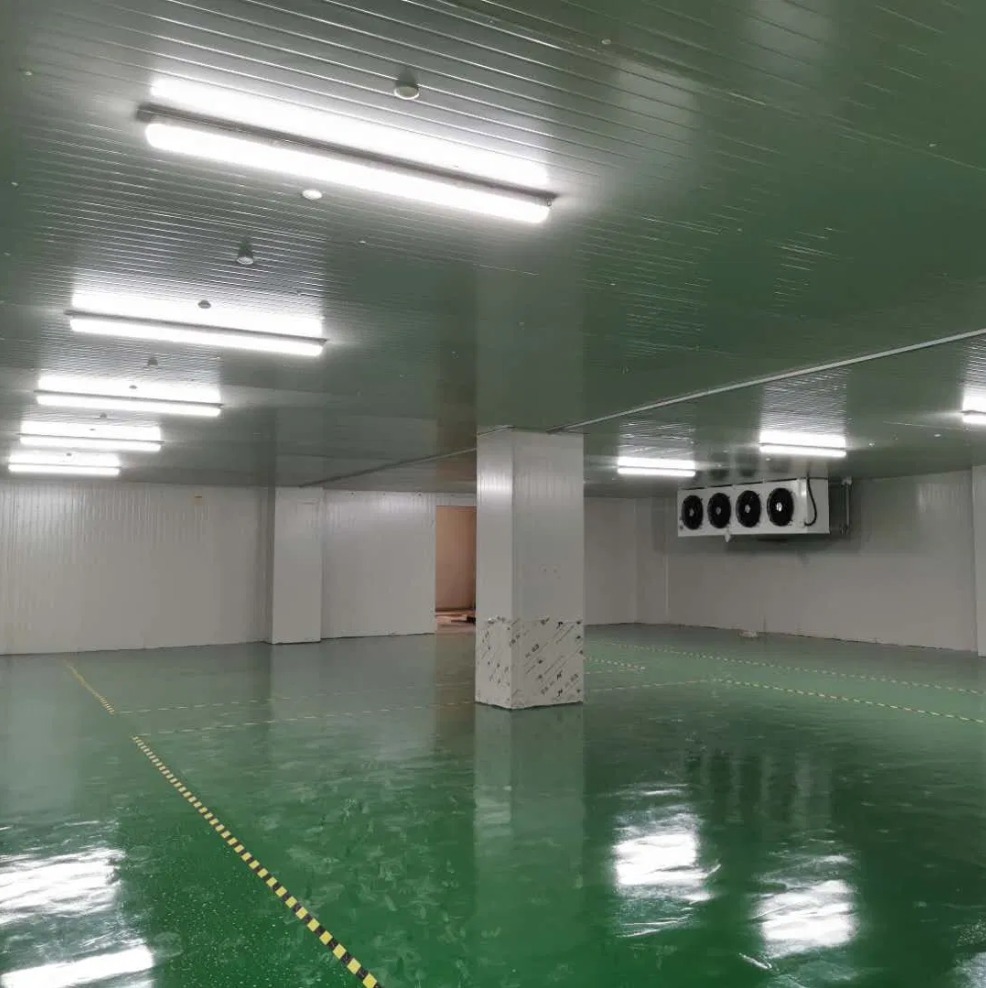
This high level of structural stability is paramount across food processing, pharmaceutical logistics, and industrial supply chains, where even minor temperature fluctuations can void compliance or ruin product inventory. While initial procurement pricing is always a key metric for investors, the true economic viability of a cold storage facility must be calculated using Total Lifecycle Cost—factoring in energy consumption, routine maintenance overhead, potential downtime, and future expansion flexibility.
Addressing modular cold room design during the early structural planning phases ensures seamless integration between the primary building envelope, the refrigeration systems, and local site conditions. This proactive engineering approach eliminates costly mid-construction redesigns, controls risk, and ensures a reliable, high-performance cold chain asset.
Post time: Jun-01-2026