

A modular cold room is more than a small refrigerated box assembled from insulated panels. Its real value appears when storage capacity, temperature zones, site conditions, or operating needs may change over time.
That is why modular cold storage deserves a slightly different approach to design. The panels, joints, doors, floor, refrigeration equipment, and future expansion points all need to work together. A fast installation means little if the room becomes difficult to modify later.
Modular Does Not Mean One Standard Size
Many modular cold rooms use factory-made insulated panels with standardized joints and accessories. This makes transportation and assembly relatively straightforward. Some systems also use cam-lock connections, allowing the room to be dismantled and relocated when required.
But standardization has limits.
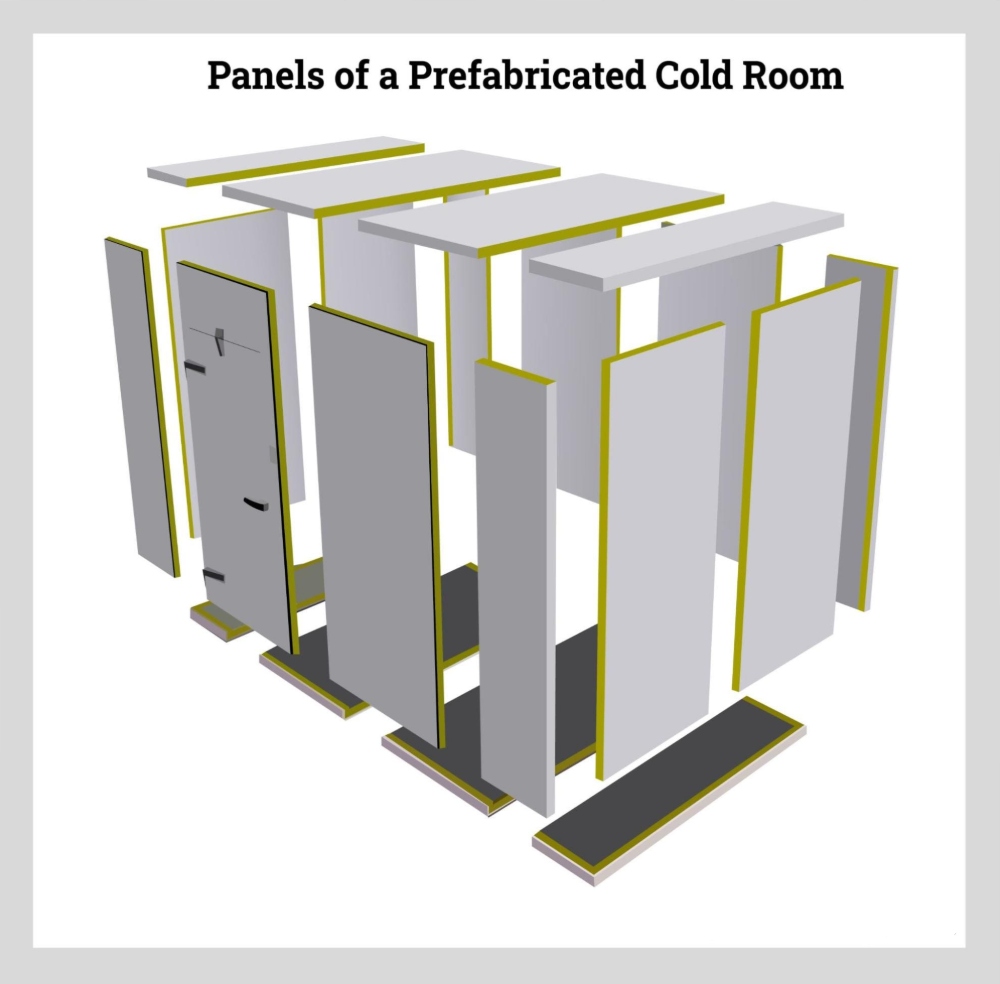
A small room for a restaurant, laboratory, or farm may only need one temperature zone and a simple hinged door. A larger food distribution facility may require several rooms, different temperatures, pallet access, and more demanding door arrangements.
The internal dimensions therefore matter as much as the external footprint. Shelf spacing, pallet movement, evaporator position, door swing, and loading routes should be considered before the panel layout is finalized.
A useful example comes from a UK cold-room project for a chemical-sector customer. The room needed to operate between -22°C and +12°C and required a specially sized door for 2-tonne IBC containers. The final room measured only 3 × 3 × 2.1 m, but its design could not follow a generic small-room template.
This is an important point for any cold room project: small dimensions do not necessarily mean simple requirements.
The Panel System Is Part of the Engineering
The performance of a modular cold storage system depends heavily on the continuity of its insulated envelope.
A cold storage panel needs to do more than provide a low thermal conductivity value. Panel thickness, core type, joint geometry, facing material, fasteners, sealants, and interfaces around doors all influence the finished room.
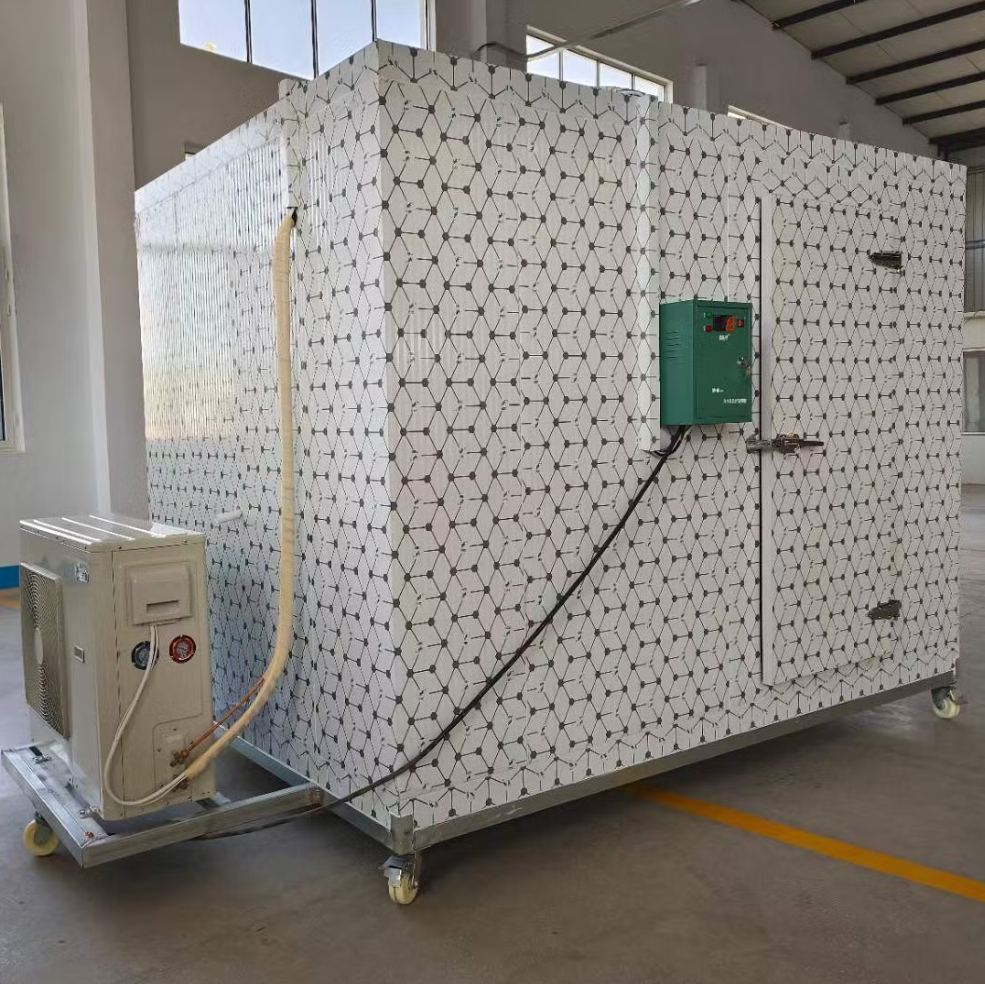
The joints deserve particular attention. A panel may have excellent insulation performance on paper, yet repeated thermal bridges or poorly sealed connections can undermine the overall envelope.
Floor construction is another common dividing line between a basic cold room and a properly planned one. Some prefabricated systems use insulated floor panels, but these may require additional reinforcement or protective layers where forklifts and heavy carts operate.
Large facilities introduce another issue: coordination.
A recent Houston frozen-storage project converted 100,000 square feet of an existing building into five independent sub-zero rooms. The work included insulated panels, continuous vapor-barrier detailing, slab frost protection, refrigeration infrastructure, dock-door sealing, and coordination with the existing steel structure.
The lesson is fairly practical. A modular system can simplify enclosure work, but it does not remove the need for engineering coordination.
Think About Expansion Before the First Panel
The strongest reason to choose modular construction may not be today’s installation speed. It may be tomorrow’s change in demand.
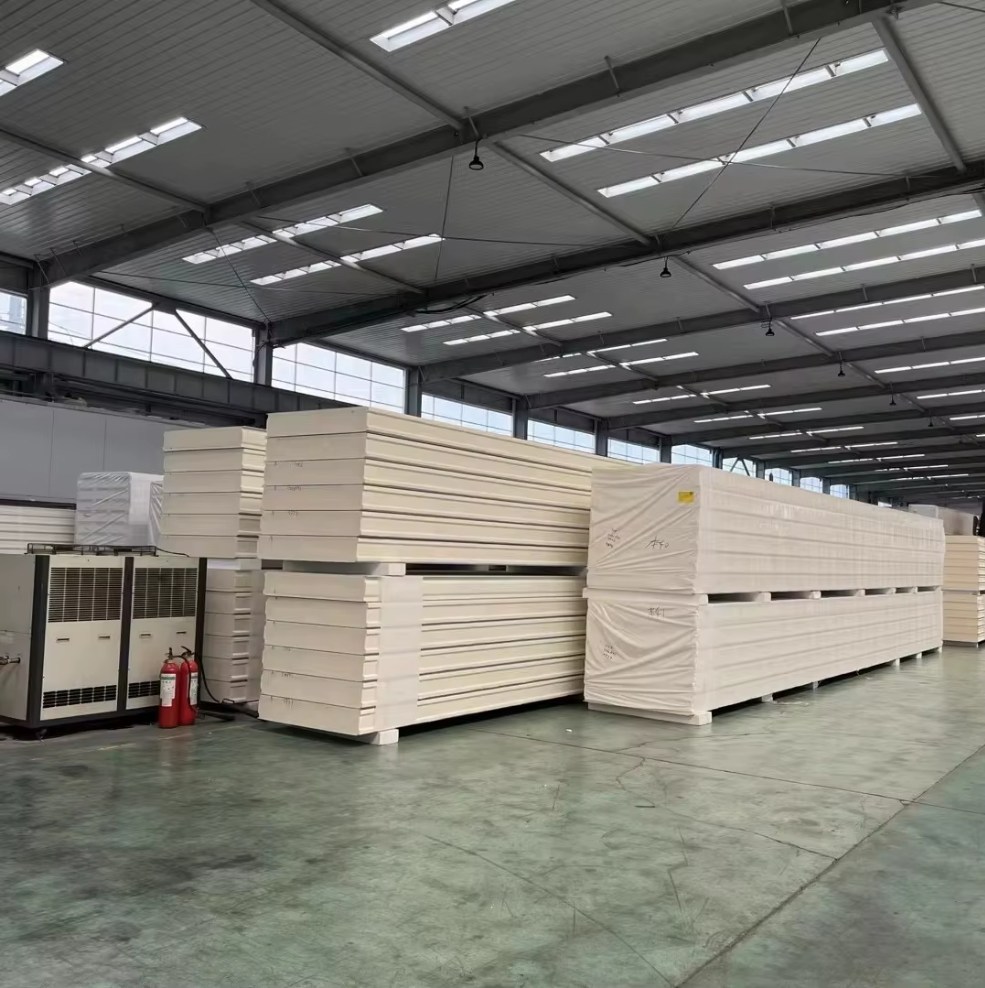
The Global Cold Chain Alliance has highlighted modular cold-storage models that combine centralized units, smaller off-grid units, and scalable capacity. One example uses solar-powered modular cold storage to help agricultural producers preserve products soon after harvest.
This principle also applies to conventional commercial projects.
A growing food processor might begin with one freezer and one chiller. Later, it may need another temperature zone. A distribution operation may require additional pallet storage or a larger loading area. If the original panel layout, refrigeration capacity, electrical supply, and access routes leave no room for expansion, the modular concept loses much of its value.
A modular cold room should therefore be considered as a system with boundaries and interfaces. Where can another room connect? Can a wall be removed without rebuilding the entire envelope? Can refrigeration equipment serve an additional zone? Can doors and loading routes be changed?
These questions are often more useful than simply asking how quickly the room can be assembled.
Installation Quality Still Matters
Factory production can control panel dimensions and joint components more consistently than site-built insulation systems. But the final result still depends on installation.
Panel alignment, joint compression, sealant application, corner details, ceiling support, door frames, and penetrations all need attention. Small installation errors can become larger problems once the room operates under a significant temperature difference.
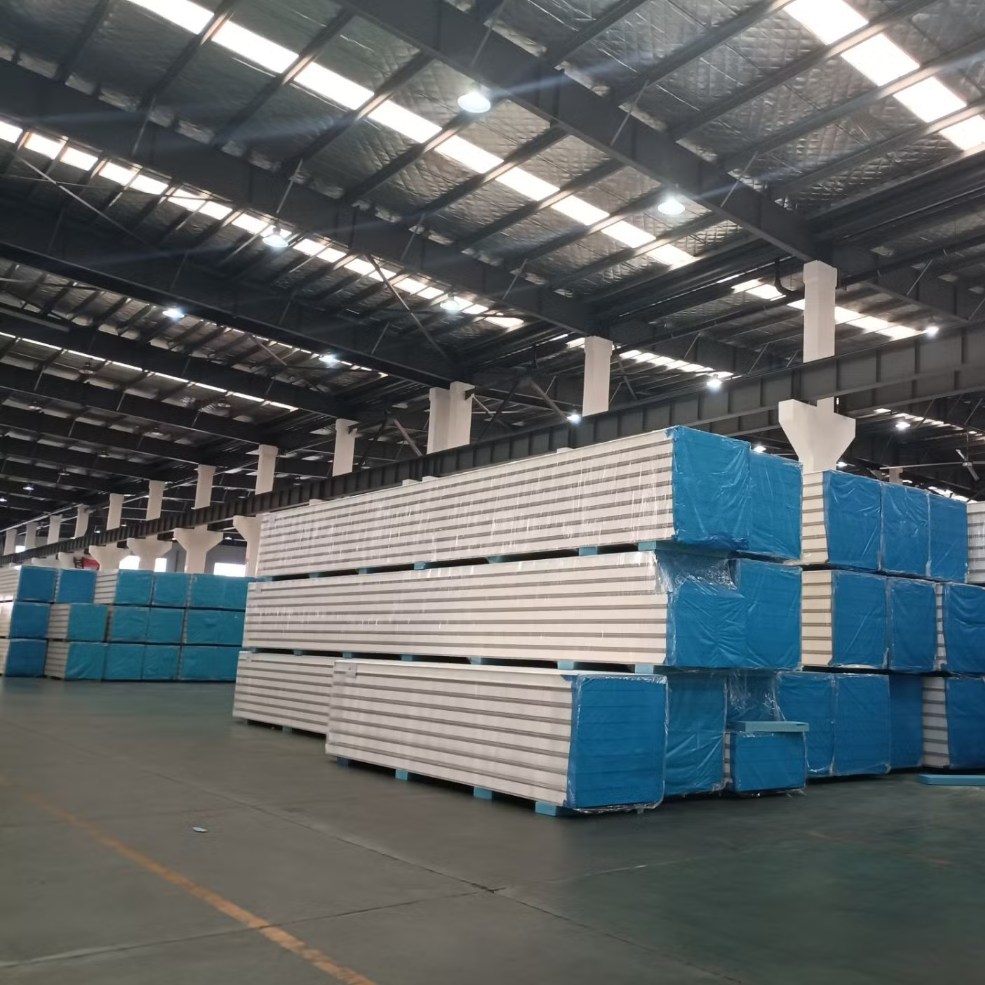
Recent commercial projects show the same pattern at different scales. One Australian installation took place inside an operating market environment, where panel work had to fit around existing operations and tight access conditions.
Another UK replacement project kept the customer’s cold-storage operation running while three old rooms were replaced. The work required temporary refrigerated trailers, new panels, refrigeration equipment, and commissioning before the temporary capacity could be removed.
These projects show why installation planning should be part of the original package rather than an afterthought.
A Modular System Should Leave Room for Change
A modular cold room works best when modularity extends beyond the panels themselves.
The enclosure, refrigeration system, floor, doors, electrical connections, drainage, and access routes should form a coordinated system. The right design may be compact and simple for a small operation, while a larger project may need multiple independent rooms and carefully planned interfaces.
In the end, the question is not simply how fast a modular cold room can be installed. It is whether the system can maintain the required temperature today and still accommodate practical changes tomorrow.
Post time: Sep-16-2026