

Lightweight steel structures offer distinct technical and practical advantages for industrial projects in remote locations, where logistics, labor, and construction resources are inherently constrained. Selecting the appropriate structural system directly influences upfront construction schedules, total life-cycle costs, and long-term operational stability.
Addressing Logistical Bottlenecks and Construction Constraints
Remote project sites present complex logistical hurdles rarely encountered in urban development. Limited access roads, volatile long-haul transportation costs, and a scarcity of local skilled labor frequently introduce risks of project delays before groundbreaking even begins.
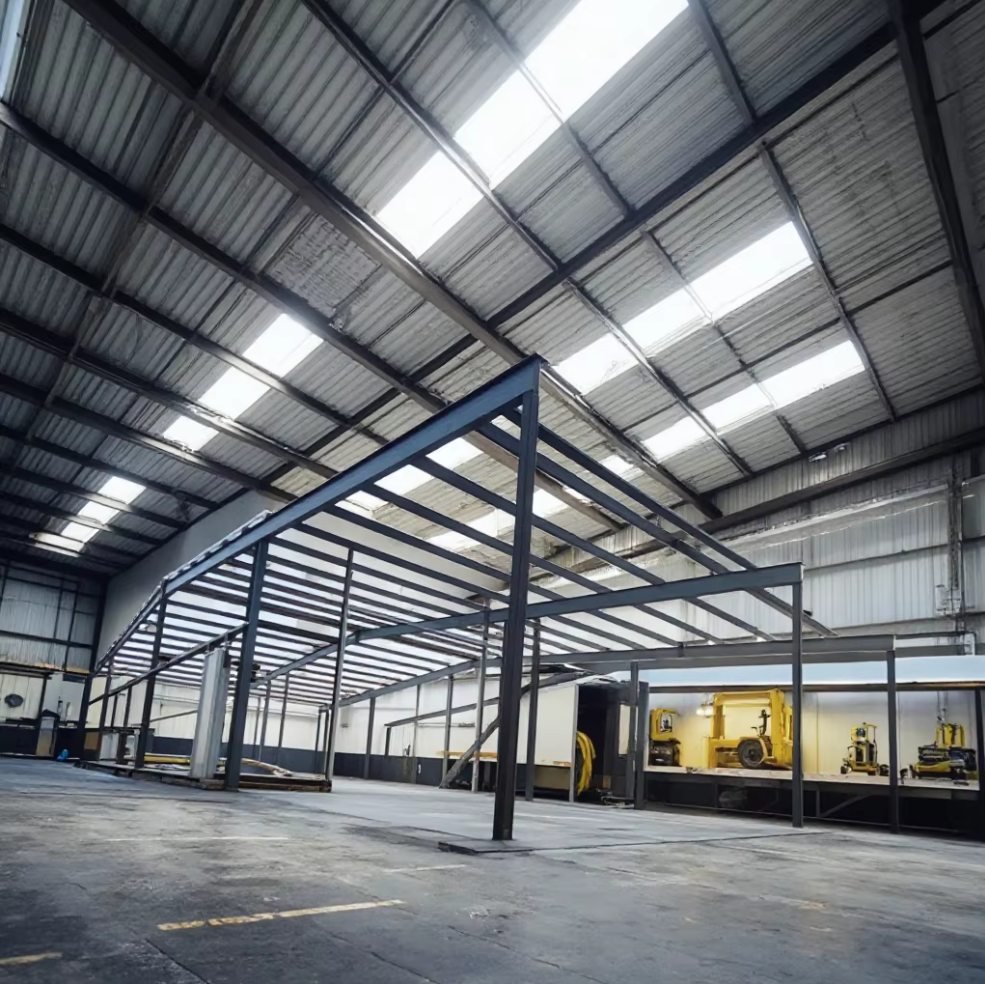
Industrial facilities—such as mining infrastructure, logistics centers, and cold storage plants—typically require expansive, clear-span enclosed spaces. Transporting traditional, heavy construction materials over long distances to achieve these configurations can substantially inflate logistics budgets. In many instances, oversized or overweight components necessitate specialized transport permits and heavy-haul escorts, creating additional predictability risks for both budgets and schedules.
Lightweight, high-strength steel structures provide a practical solution to these logistical challenges. Because the structural members are optimized for high strength-to-weight ratios, transport logistics become significantly more manageable and economical. Furthermore, these components are engineered for compact nesting and stacking, maximizing container and trailer volume to reduce the total number of shipments required.
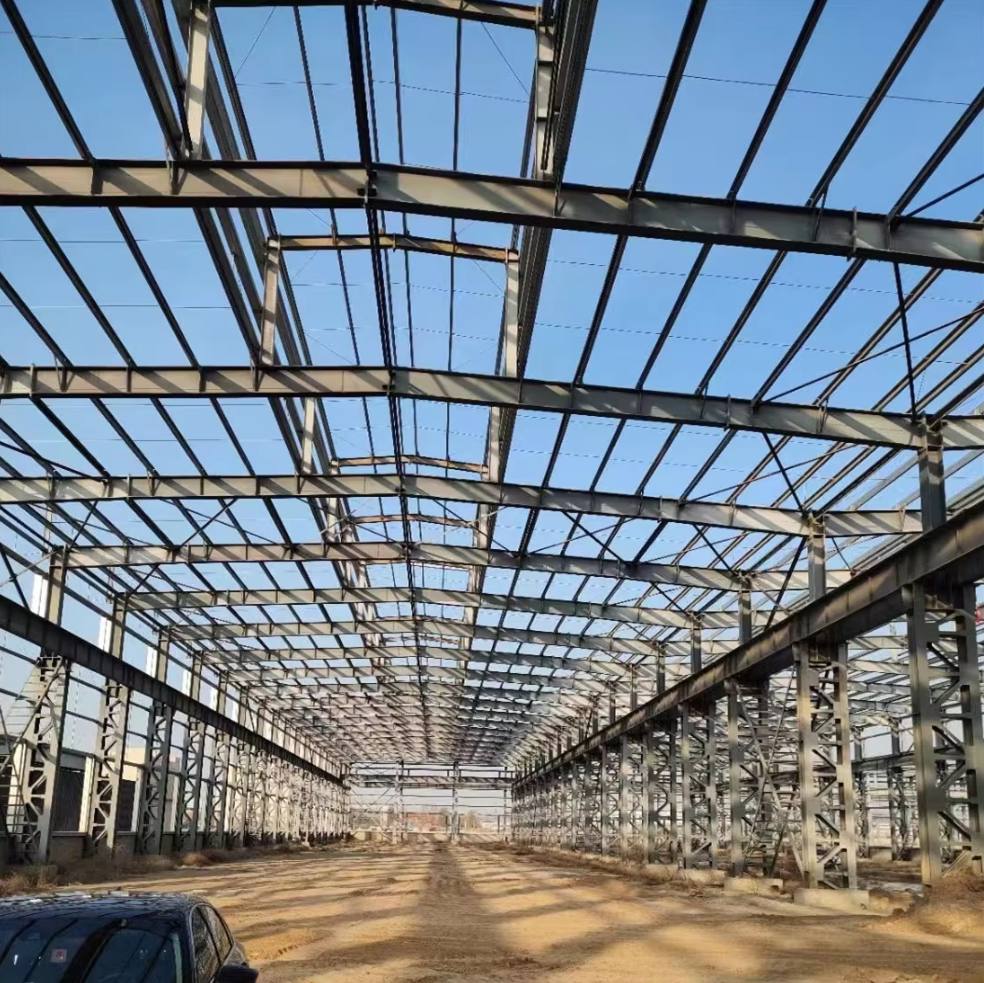
On-site, lightweight components alleviate the demand for heavy lifting equipment. While traditional heavy structural systems mandate large-tonnage cranes and complex rigging procedures—which are difficult to source and deploy in remote regions—lightweight steel can be erected using smaller, more readily available machinery. This efficiency in assembly is particularly critical when navigating unpredictable weather conditions, such as high winds, seasonal precipitation, or extreme temperatures. Accelerating the structural framing phase minimizes exposure to harsh elements, allowing the project to transition sooner to interior fit-outs and equipment commissioning.
Engineering Economics and Structural Advantages
When evaluating industrial building systems, project teams look beyond initial material procurement costs to focus on the broader lifecycle economics of the development.
First, lightweight steel structures significantly reduce gravity loads on foundations. In poor soil conditions or areas requiring extensive ground improvement, a lower structural dead load allows for streamlined foundation designs. This optimization reduces concrete volume and excavation requirements, yielding valuable cost and time savings during the early substructure phase.
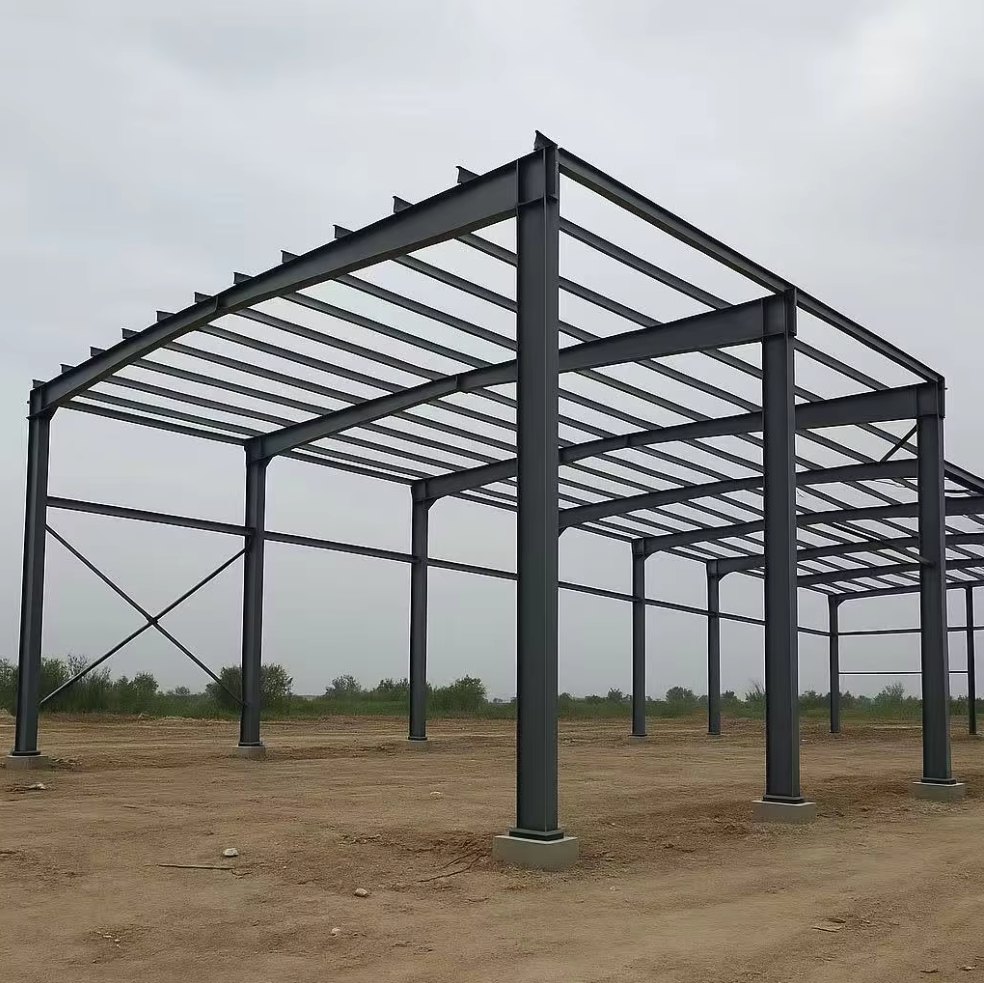
Additionally, the construction timeline is a critical factor in the overall economic viability of industrial projects. Whether a facility is designed for manufacturing or cold chain logistics, compressing the onsite construction schedule allows processing equipment to be installed and commissioned ahead of schedule. Utilizing prefabricated, modular lightweight steel minimizes field man-hours, thereby reducing extended site management overhead and financing costs.
Flexibility for future expansion is another core operational benefit. Many industrial facilities expand incrementally, initiating operations with a primary processing hub before adding warehousing or auxiliary structures. The modular nature and connection efficiency of lightweight steel framing facilitate seamless phased expansions, minimizing structural interference and operational downtime for existing lines.
Ultimately, executing a successful project in a remote environment requires looking beyond basic material specifications. Comprehensive early planning—incorporating protective transit packaging, strategic offloading sequences, and meticulous adaptation to local environmental loads—is essential. Addressing these variables through an integrated technical approach early in the design phase mitigates execution risks and ensures predictable, high-quality project delivery under challenging conditions.
Post time: Jun-01-2026