

Insulated metal panels have become a common choice for industrial building renovation projects. Many facility owners use them to improve energy efficiency, upgrade aging building envelopes, and extend the service life of existing structures. However, successful renovation projects depend on much more than selecting new materials.
Industrial facilities often operate for decades under demanding conditions. During that time, exposure to weather, temperature fluctuations, and daily operations can gradually affect the performance of roofs and walls. Therefore, renovation projects require careful planning to avoid unexpected issues during construction and operation.
Understand Existing Conditions Before Renovation
A renovation project usually starts with a clear goal. Some facilities need better thermal performance. Others need to address water leakage, corrosion, or aging exterior systems. However, identifying the visible problem is only the first step.
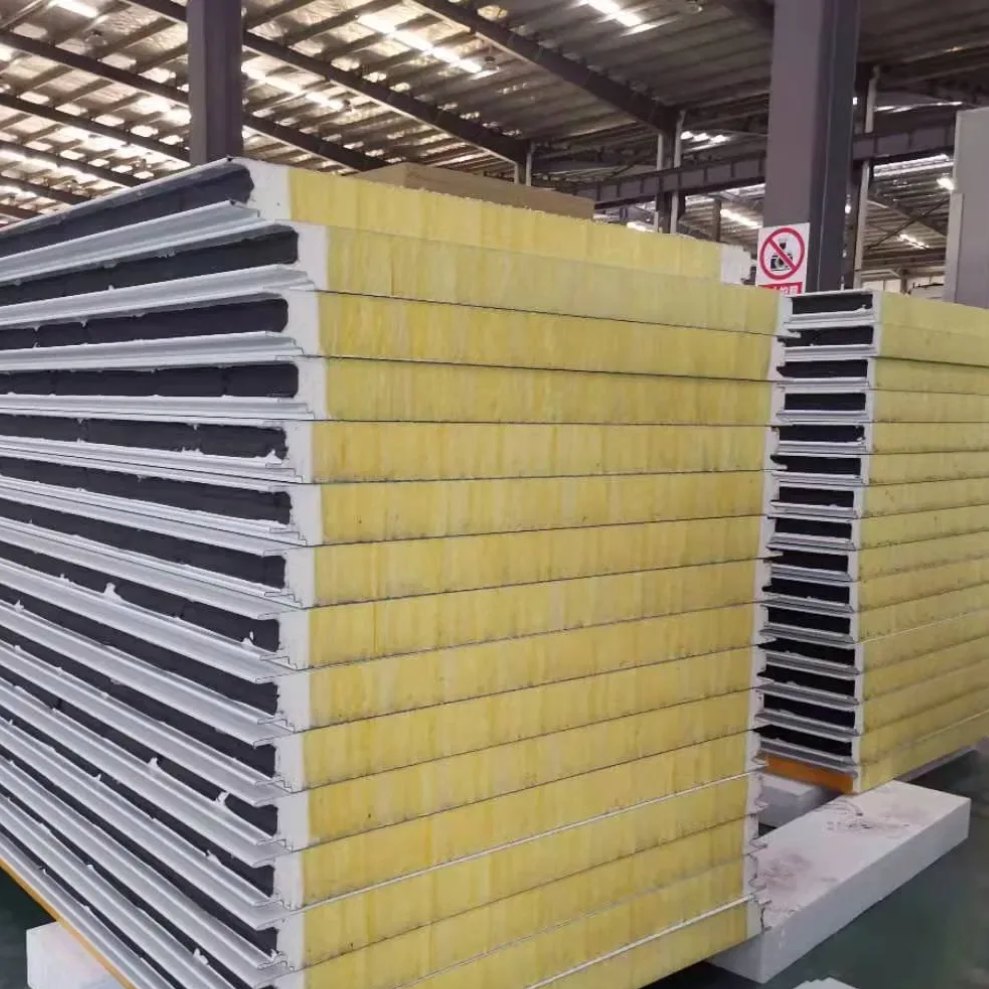
Before installing insulated metal panels, it is important to evaluate the condition of the existing building. Roof structures, wall framing, and connection points may have experienced years of wear. As a result, hidden issues can affect installation quality if they remain undiscovered.
In many cases, project teams focus heavily on product specifications while overlooking building conditions. However, even high-quality materials may not deliver the expected performance when installed on a structure with unresolved deficiencies.
Construction scheduling can also create challenges. Many warehouses, manufacturing facilities, and cold storage buildings continue operating during renovation work. Consequently, material handling, work sequencing, and safety planning often become critical parts of the project.
Another common consideration involves thermal performance. Building owners frequently compare insulation thickness when reviewing options. However, overall efficiency also depends on airtightness, joint design, and installation quality. Therefore, evaluating the complete building envelope often provides a more accurate picture of long-term performance.
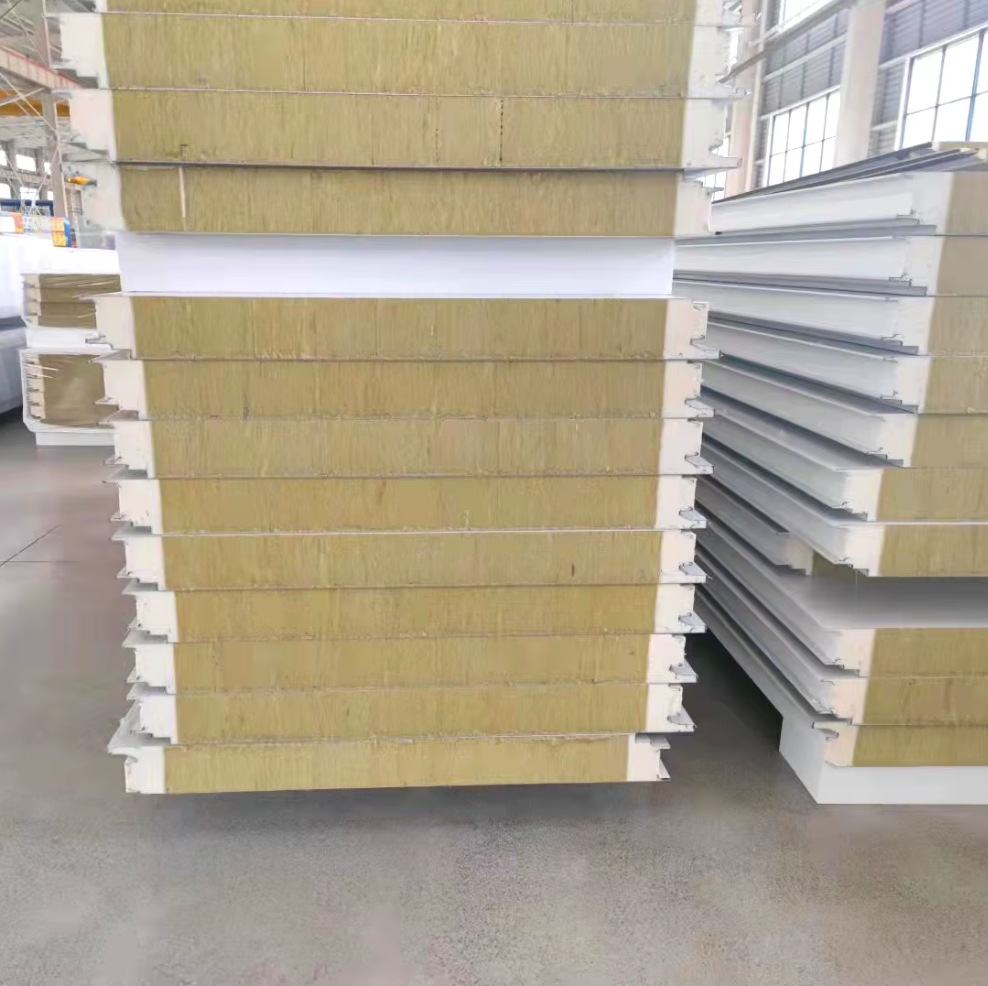
Focus on Long-Term Building Performance
Industrial renovation projects often involve significant investment. For that reason, long-term value deserves as much attention as short-term construction costs.
Modern insulated metal panels can help improve thermal control, reduce maintenance requirements, and enhance the appearance of older facilities. Moreover, they provide a practical way to upgrade buildings without major structural reconstruction in many situations.
Future operational needs should also be considered during planning. Some facilities may expand production capacity, while others may introduce new equipment or storage requirements. Therefore, renovation decisions should support both current and future building use.
Coordination between different building systems is equally important. Roofing, wall systems, steel structures, doors, and mechanical equipment all influence overall performance. When these elements work together effectively, facilities often experience fewer maintenance issues after project completion.
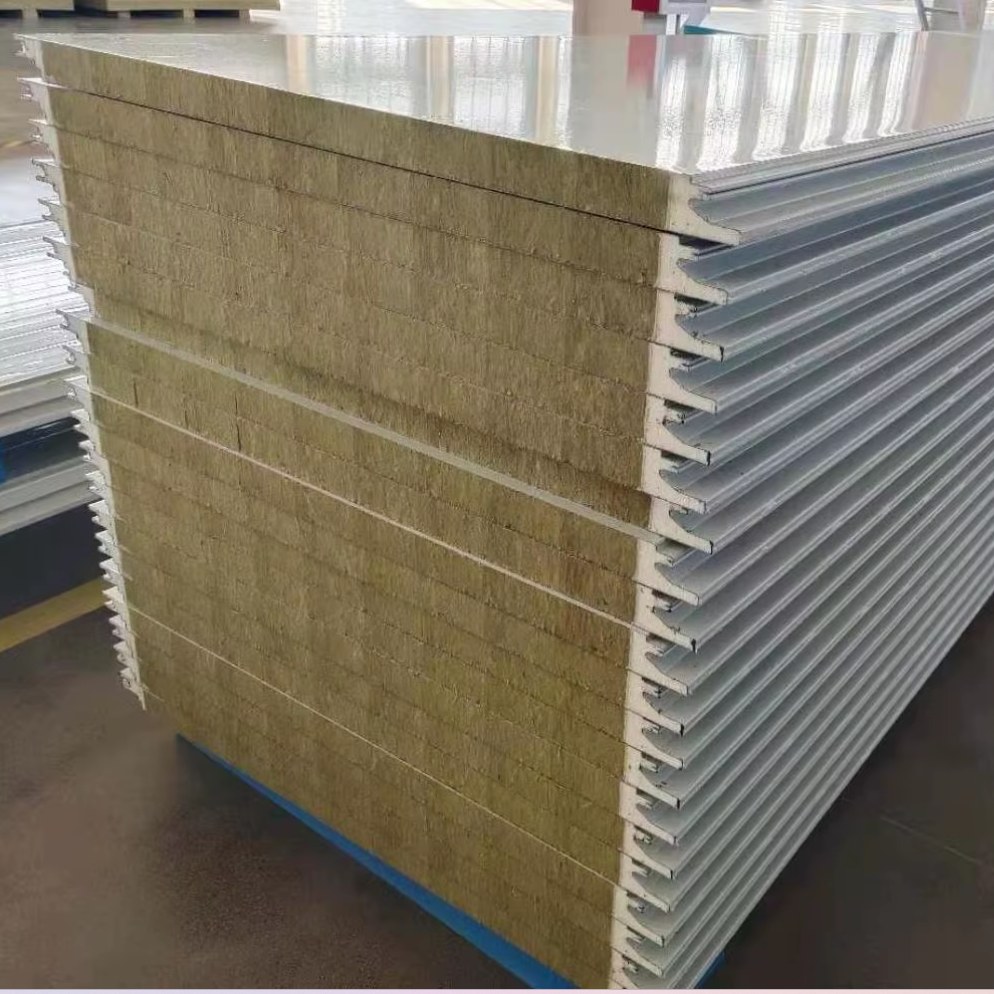
Many successful renovations share a similar approach. First, project teams assess the building carefully. Next, they define realistic performance goals. Then, they select materials and construction methods that align with those objectives. As a result, the completed facility can deliver reliable performance for many years.
When reviewing insulated metal panels, factors such as durability, thermal efficiency, corrosion resistance, and installation details often deserve attention alongside product specifications. These considerations can have a meaningful impact on lifecycle costs and operational efficiency.
Industrial building renovation is rarely just about replacing old materials. Instead, it is an opportunity to improve building performance, address long-standing issues, and prepare facilities for future demands. With proper planning and the right application of insulated metal panels, renovation projects can achieve lasting results while minimizing disruptions to daily operations.
For facilities currently evaluating renovation options, discussing technical requirements and project conditions early can often help identify practical solutions before construction begins. The most effective insulated metal panels system is typically the one that fits the building’s real operational needs rather than simply offering the highest specification on paper.
Post time: Jun-13-2026