

A cold room may look like a simple insulated box, but procurement decisions rarely stop at the panel. Once a project moves beyond a basic storage space, the result depends on how panels, doors, floor systems, refrigeration, drainage, and installation details work together.
This is easy to overlook when comparing quotations. A lower panel price can appear attractive, while missing accessories or unclear technical responsibilities create additional costs later. The more specific the cold storage application becomes, the more important the relationship between these components becomes.
The Panel Does Not Work Alone
The cold storage panel plays an important role because it forms the insulated enclosure. Its thickness, insulation material, joint design, surface finish, and dimensional accuracy all affect the finished room. But insulation alone does not create a working storage environment.
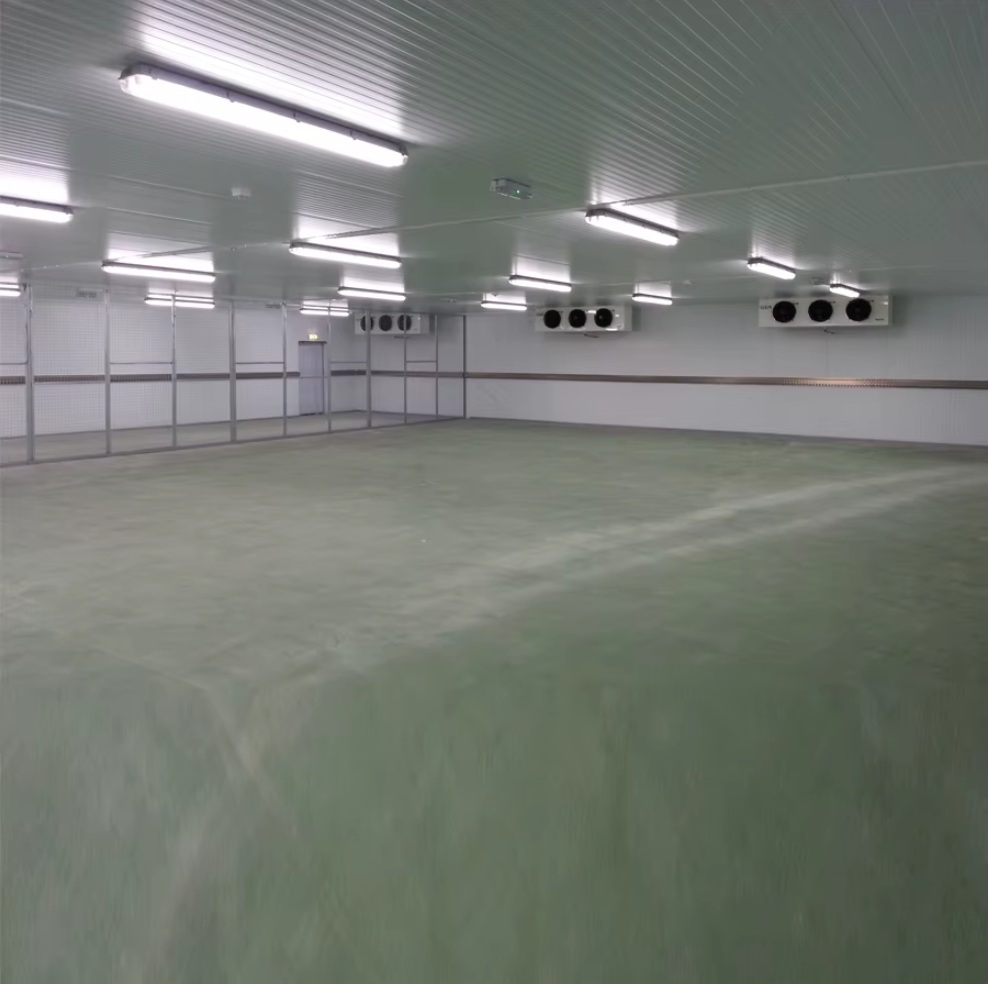
The door is one obvious example. A panel system with good thermal insulation can still lose efficiency if the door does not provide an appropriate seal or does not match the room’s operating conditions. The same applies to the floor. A temperature-controlled room may require different floor construction depending on the temperature range, loading conditions, moisture exposure, and whether forklifts or pallet trucks will enter.
The joints deserve similar attention. Panels need to connect properly at corners, ceilings, floors, and openings. Small gaps or poorly coordinated details can become weak points in the enclosure.
This is why comparing cold storage panel prices without looking at the complete specification can produce an incomplete picture. Two quotations may use panels with similar thicknesses while offering very different levels of system completeness.
Where Procurement Decisions Become Complicated
Cold room procurement becomes more complicated when different suppliers cover different parts of the project.
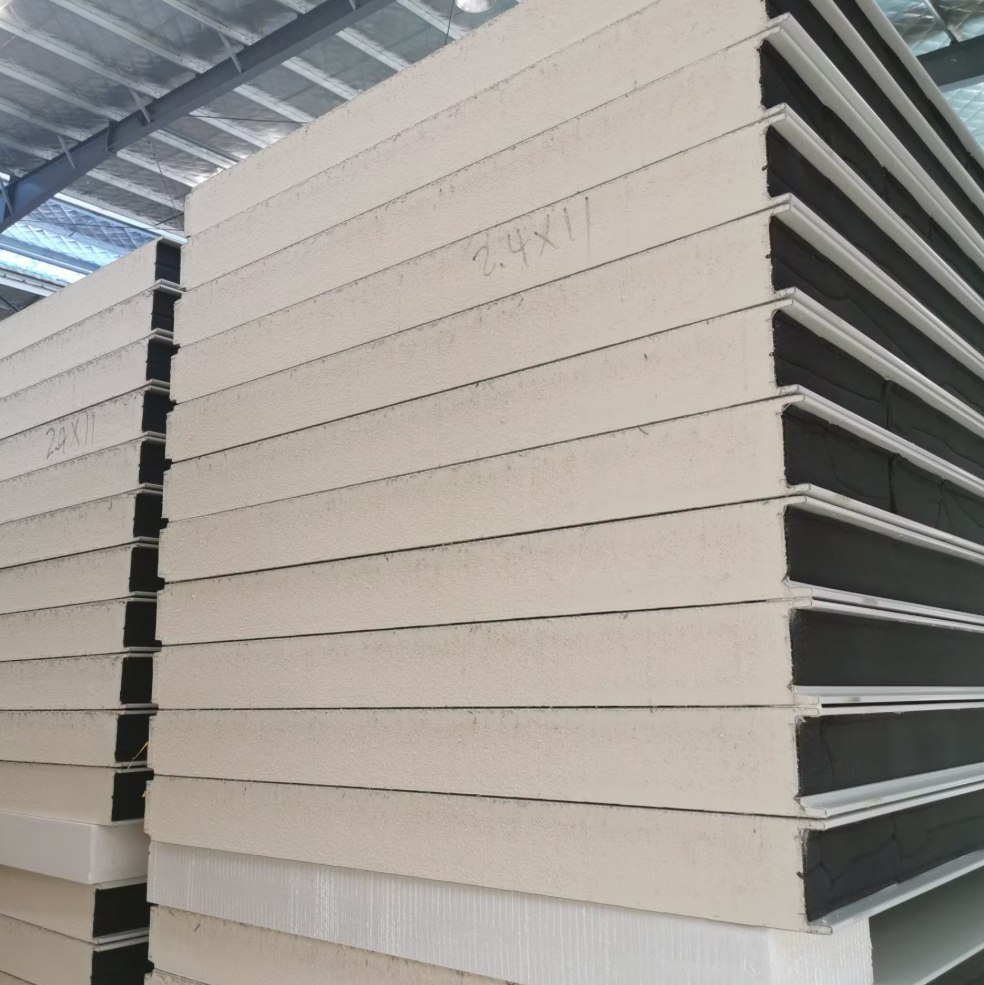
One supplier may provide panels and doors. Another may handle refrigeration equipment. Local workers may install the enclosure, while a separate technician commissions the refrigeration system. None of these arrangements is necessarily wrong, but unclear boundaries can create problems.
For example, who confirms the opening dimensions for the refrigeration equipment? Who checks whether the door size matches the panel layout? Who coordinates the floor height with the wall panels? Who handles sealing materials and corner details?
These questions may seem minor during quotation. They become much more important once materials arrive at the site.
Temperature also changes the requirements. A small chilled-food room and a low-temperature frozen storage facility may both be described as cold rooms, yet their insulation, doors, floor details, refrigeration capacity, and operating conditions can differ considerably.
The same principle applies to usage. A room opened several times an hour needs a different practical solution from one that remains closed for long periods. Product loading patterns, cleaning methods, humidity, and local climate can all influence the final configuration.
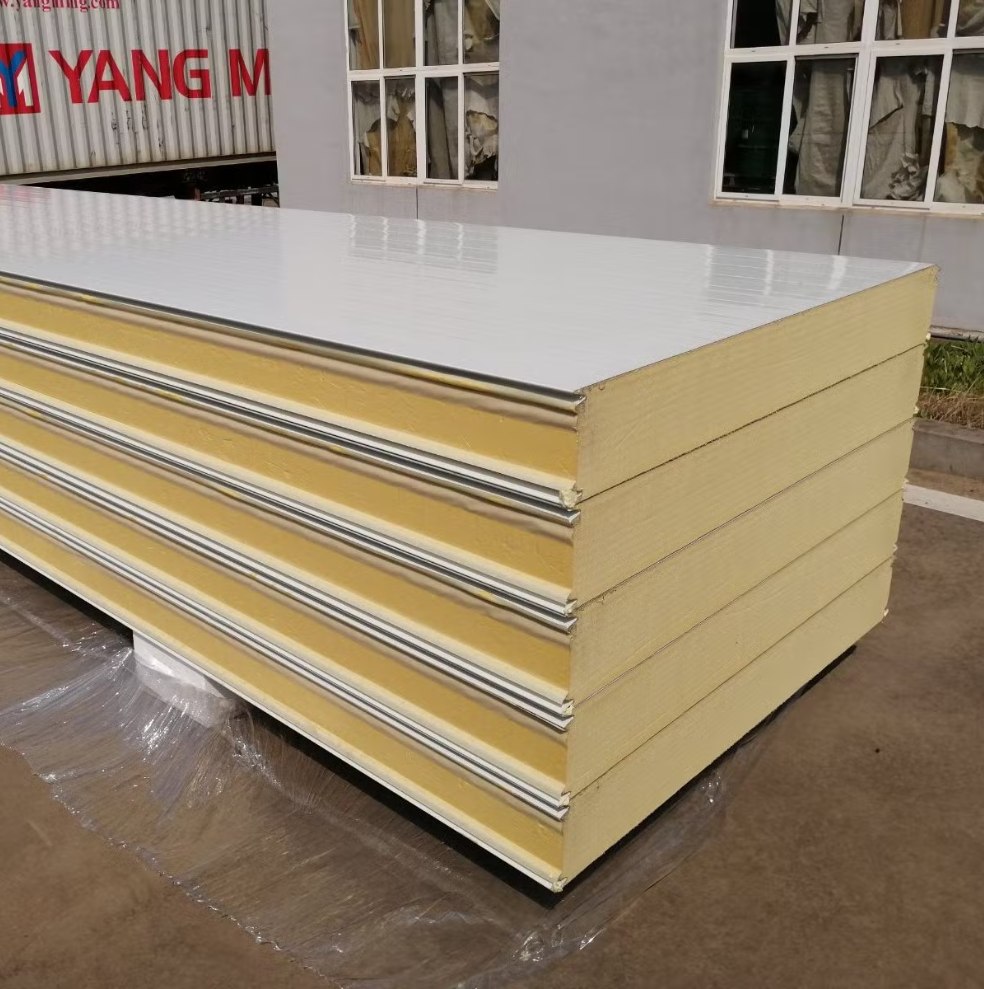
A useful procurement discussion therefore starts with the application rather than a single product specification.
Looking at the System as a Whole
A more reliable approach is to define the cold room around its operating requirements first, then establish how each component supports them.
The enclosure, for instance, needs appropriate panels and connection details. The door needs to suit the traffic pattern and temperature. The floor needs to cope with expected loads and moisture. Refrigeration equipment needs to match the required temperature and cooling demand.
Accessories matter here too. Profiles, sealants, fasteners, flashing, corner pieces, and other connection details may account for a relatively small share of the total cost. Yet missing one of them can interrupt installation or force local substitutions.
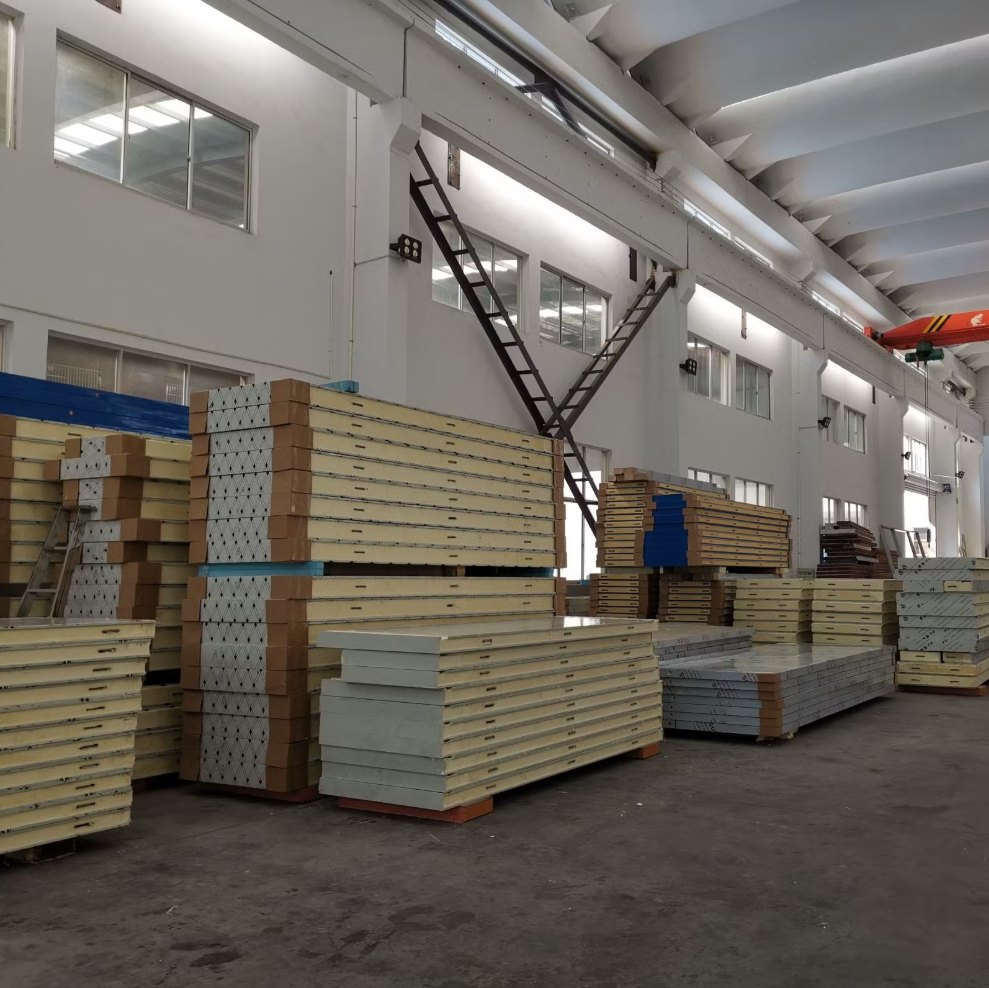
This does not mean every project needs a fully integrated package from a single source. In many markets, local sourcing remains practical for certain components. What matters is knowing where the interfaces are and confirming them before production begins.
For an ongoing cold storage project, this can also make quotations easier to compare. Instead of asking only for a panel price, the discussion can cover panel specifications, doors, accessories, floor requirements, refrigeration interfaces, packing, and installation conditions.
The panel remains an important part of the system. It simply should not carry the entire definition of the project.
In the end, successful cold room procurement is less about finding the cheapest individual component and more about avoiding gaps between components. A complete specification may cost more on paper, but it can also reduce surprises when the materials reach the site. For projects where temperature control directly affects stored products, that difference can matter far more than a small saving on the initial quotation.
Post time: Aug-26-2026