

Cold room panel selection often starts with one question: “How thick should the panel be?” While panel thickness affects thermal performance, it is not always the factor that determines whether a cold storage project succeeds or struggles. In many medium and large facilities, airtightness has a greater impact on operating efficiency, product quality, and long-term costs.
Many investors and contractors focus heavily on insulation values during procurement. However, even a thick panel system can underperform if air leakage occurs throughout the building envelope. As a result, project owners may face higher energy bills, unstable temperatures, and unexpected maintenance issues shortly after commissioning.
The Hidden Cost of Poor Airtightness
A cold storage facility operates as a controlled environment. Therefore, every gap, joint, or improperly sealed connection becomes a potential source of energy loss.
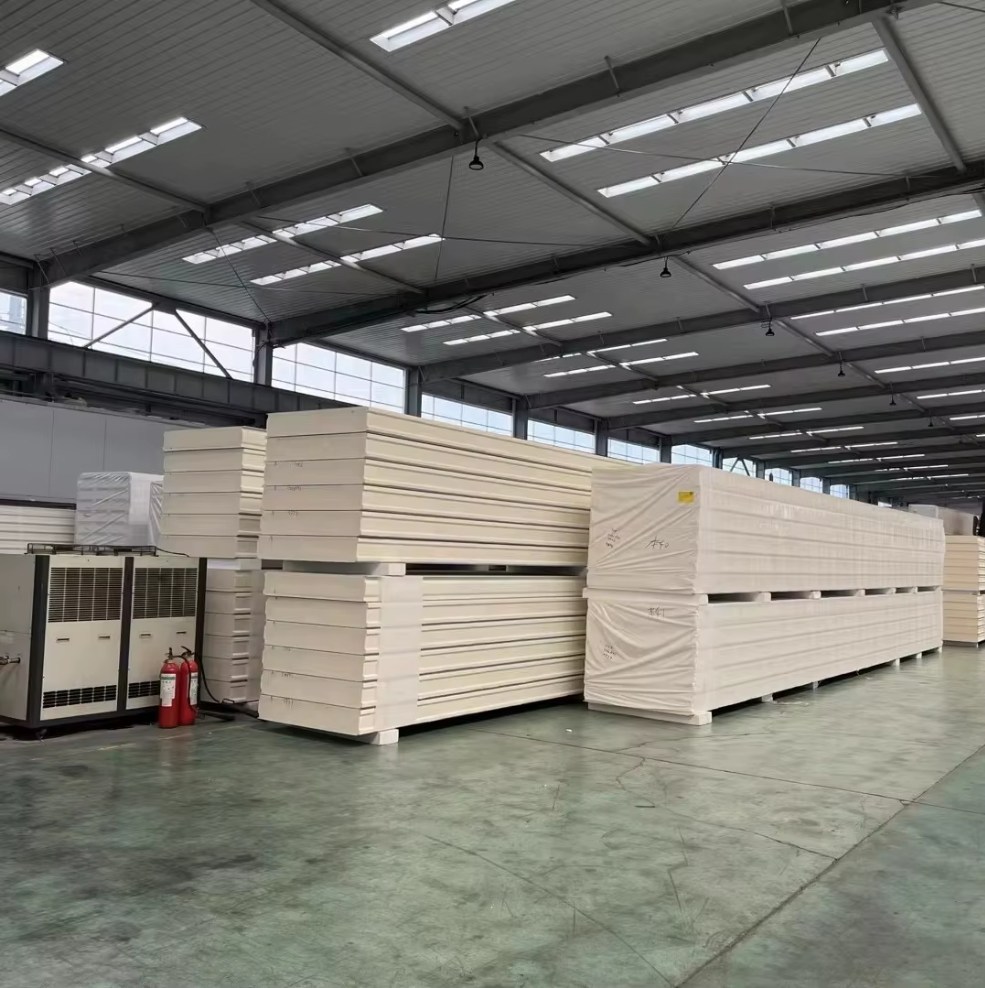
When warm outside air enters a refrigerated space, refrigeration equipment must work harder to maintain the target temperature. Consequently, power consumption increases and equipment experiences greater wear over time. In humid regions, air leakage can also introduce moisture into the building. This often leads to condensation, ice formation, and damage to interior components.
Many project teams discover these issues only after operations begin. By that stage, repairs can become disruptive and expensive. In contrast, addressing airtightness during design and construction usually requires far less investment.
For this reason, experienced developers increasingly evaluate not only the insulation core but also the connection details of a cold room panel system. Joint design, sealing methods, installation accuracy, and structural coordination all contribute to overall performance.
Why System Design Matters More Than Extra Thickness
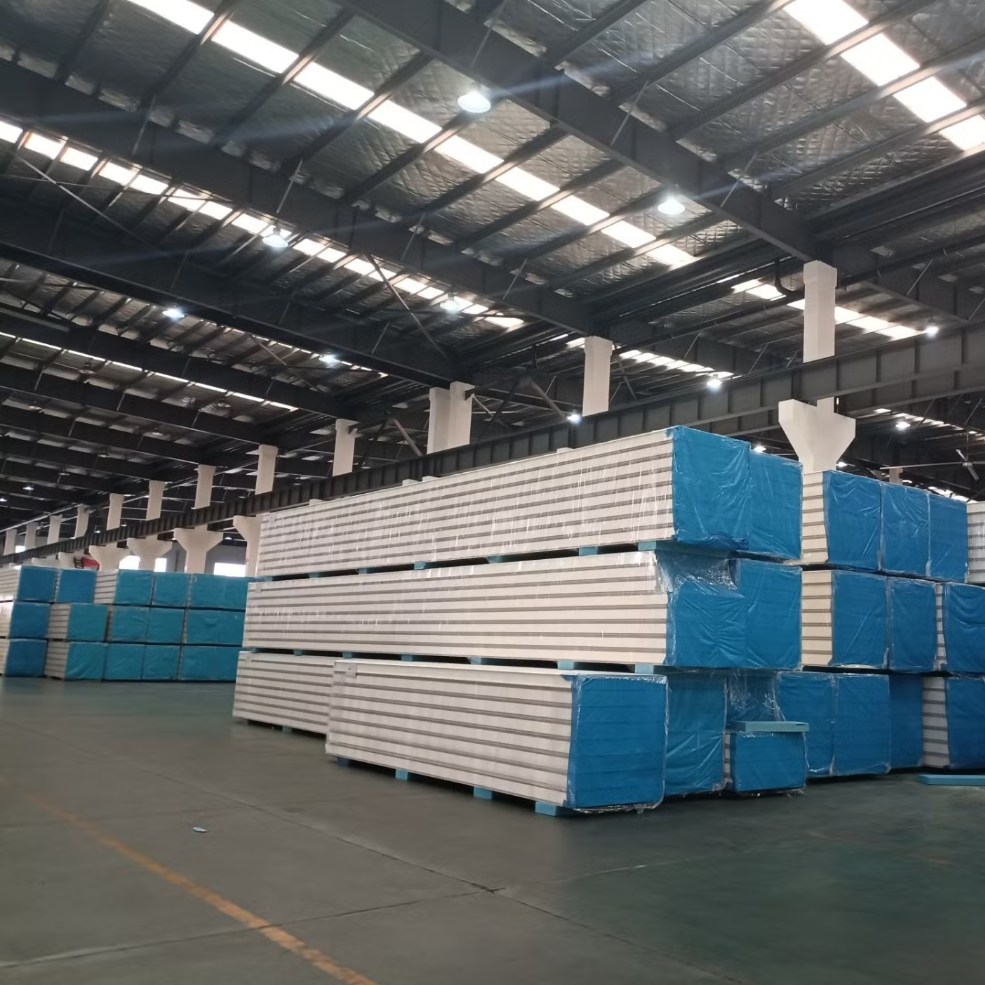
A common misconception is that thicker panels automatically create a better cold storage building. In reality, overall system performance depends on how well different components work together.
For example, a facility using a properly installed cold room panel system with reliable sealing may outperform a thicker system with poor joint treatment. Moreover, airtight construction helps maintain consistent temperatures across storage zones, which is especially important for food processing, pharmaceutical logistics, and cold chain distribution projects.
Project stakeholders also face practical challenges during construction. Different contractors may handle steel structures, refrigeration equipment, and enclosure systems separately. As a result, coordination gaps can appear at interfaces between these systems. Small installation errors may eventually become major operational problems.
Therefore, successful projects typically focus on both product quality and construction integration. Early planning, detailed connection design, and experienced installation support often deliver greater value than simply increasing panel thickness.
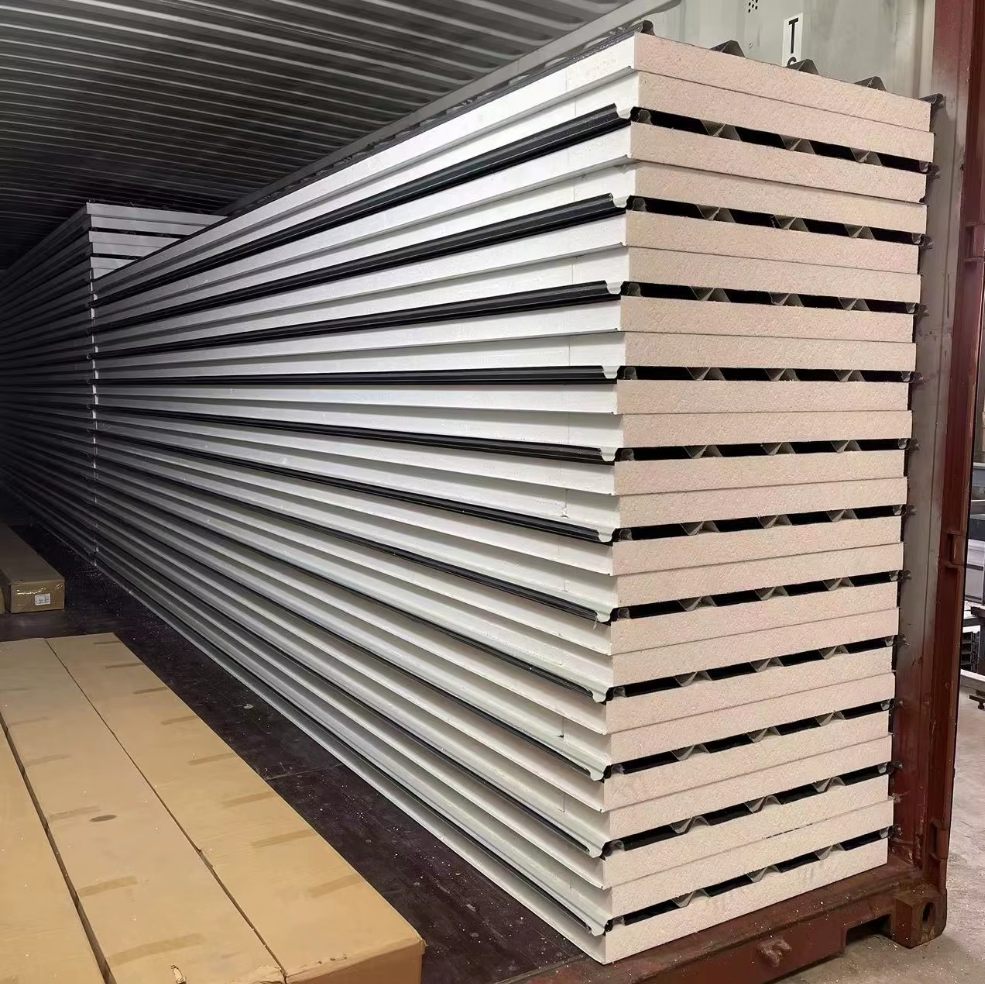
When evaluating a cold room panel supplier, it is worth discussing more than insulation specifications. Questions about airtightness testing, sealing solutions, project experience, and installation guidance can reveal whether a supplier understands real-world project requirements.
For managers of large and medium-sized cold storage facilities, long-term operational efficiency is still the primary goal. A well-designed cold room panel system can reduce energy consumption, improve temperature stability, and support reliable operation for years.
If you are planning a new cold storage facility or upgrading an existing one, evaluating airtightness alongside panel specifications may help avoid costly issues later. The right cold room panel solution is not simply the thickest option available. It is the one that creates a complete, efficient, and durable building envelope.
Post time: Jun-13-2026