

A cold chain warehouse is more than a building with insulation panels and cooling equipment. Many projects start with a simple goal: create a reliable storage space at the required temperature. However, problems often appear later when the cold room does not perform as expected, energy costs increase, or installation becomes more complicated than planned.
In many overseas projects, the challenge is not choosing individual products. The real challenge is making different systems work together from the beginning.
Common Challenges in Cold Storage Projects
A cold storage project usually involves several decisions: building structure, insulation panels, refrigeration equipment, layout planning, and installation methods. When these parts are considered separately, small gaps between decisions can create larger problems.
One common issue is that the building structure and cold room design do not fully match. An existing warehouse or industrial building may have limitations in height, columns, openings, or available space. If the cold storage layout is designed without considering these conditions, valuable storage volume may be lost.
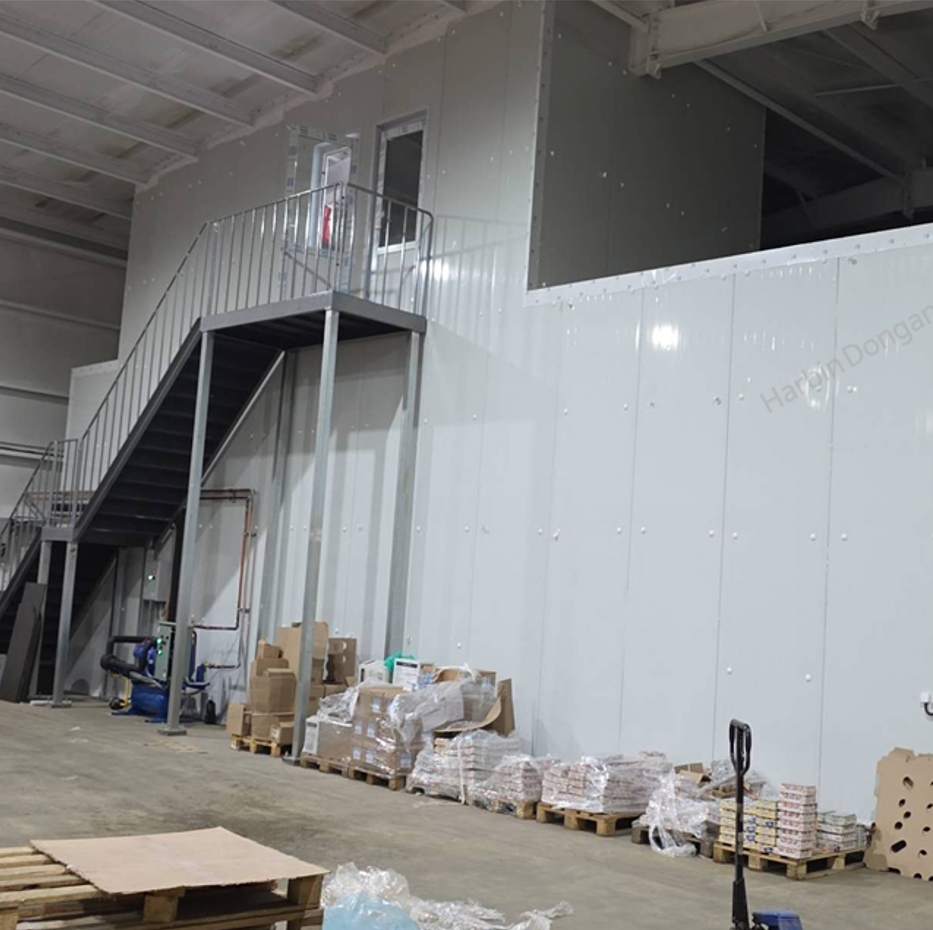
Another challenge comes from the relationship between insulation and refrigeration. The performance of a cold storage system depends not only on the cooling unit capacity but also on how effectively the building envelope controls heat transfer. Poorly planned panel joints, unnecessary gaps, or unsuitable insulation details may increase the workload of refrigeration equipment.
Installation is another factor that is often underestimated. Overseas projects may involve different construction teams, local working conditions, and transportation limitations. A design that looks simple on paper may become difficult to execute on site if panel systems and refrigeration requirements are not considered together.
These problems do not always appear during the construction stage. In many cases, they become visible only after operation begins, when energy consumption rises or temperature stability becomes difficult to maintain.
Why Panel and Refrigeration Integration Makes a Difference
A cold room is a complete system rather than a collection of separate components. The insulation panels define the protected space, while refrigeration equipment controls the internal environment. Their relationship affects both construction efficiency and long-term operation.
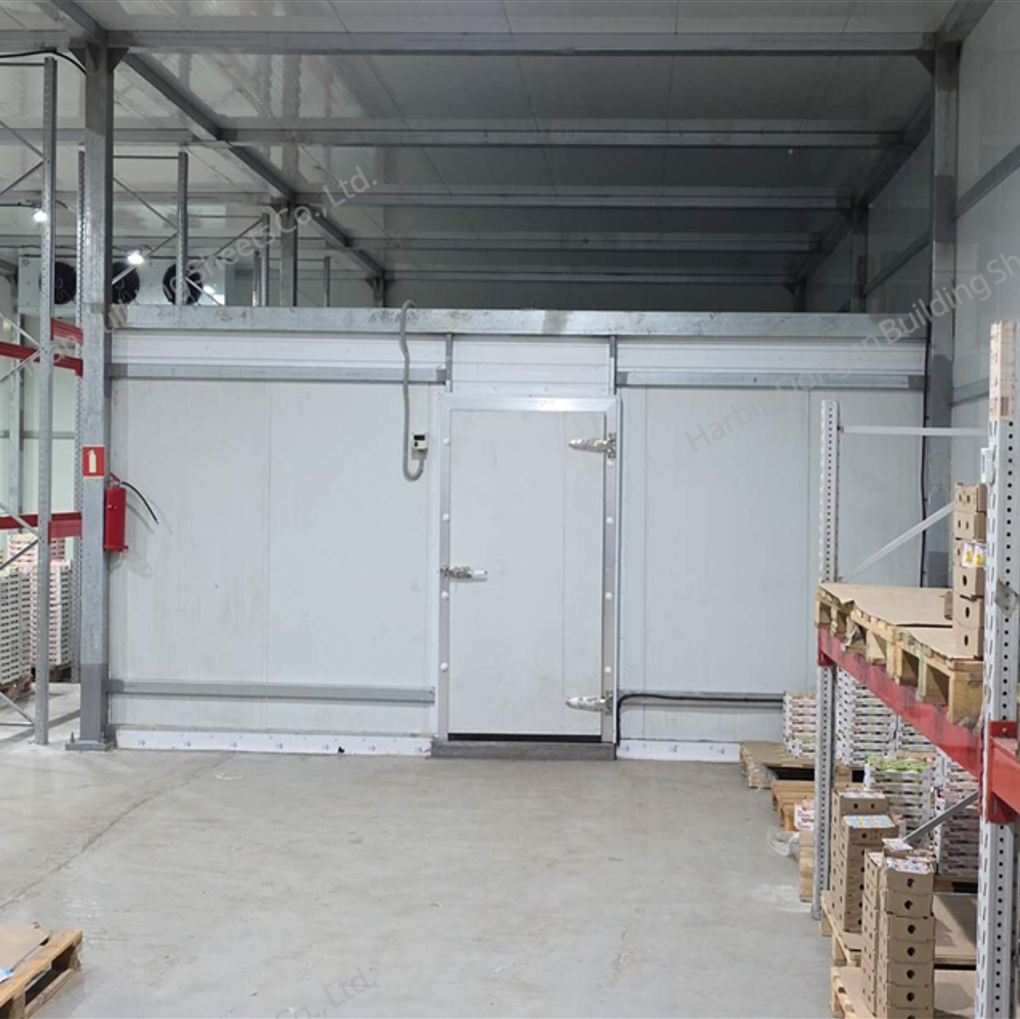
For example, the size and layout of a cold room directly influence cooling load calculations. The position of doors, panel joints, and internal space planning can change how often refrigeration equipment needs to operate. When the panel system and cooling solution are designed together, the overall structure becomes more accurate.
This approach is especially important when working with existing buildings. Instead of simply installing a standard cold storage box inside the available space, the design process should consider the original structure, insulation requirements, and equipment characteristics at the same time.
A better match between panels and refrigeration equipment can reduce unnecessary heat exchange. It can also make installation smoother because the construction team receives a clearer plan for panel placement, sealing details, and equipment connection points.
This does not mean every project needs the most complicated solution. In many cases, better coordination between basic elements creates more practical results than adding extra equipment later.
A Practical Example From Khabarovsk, Russia
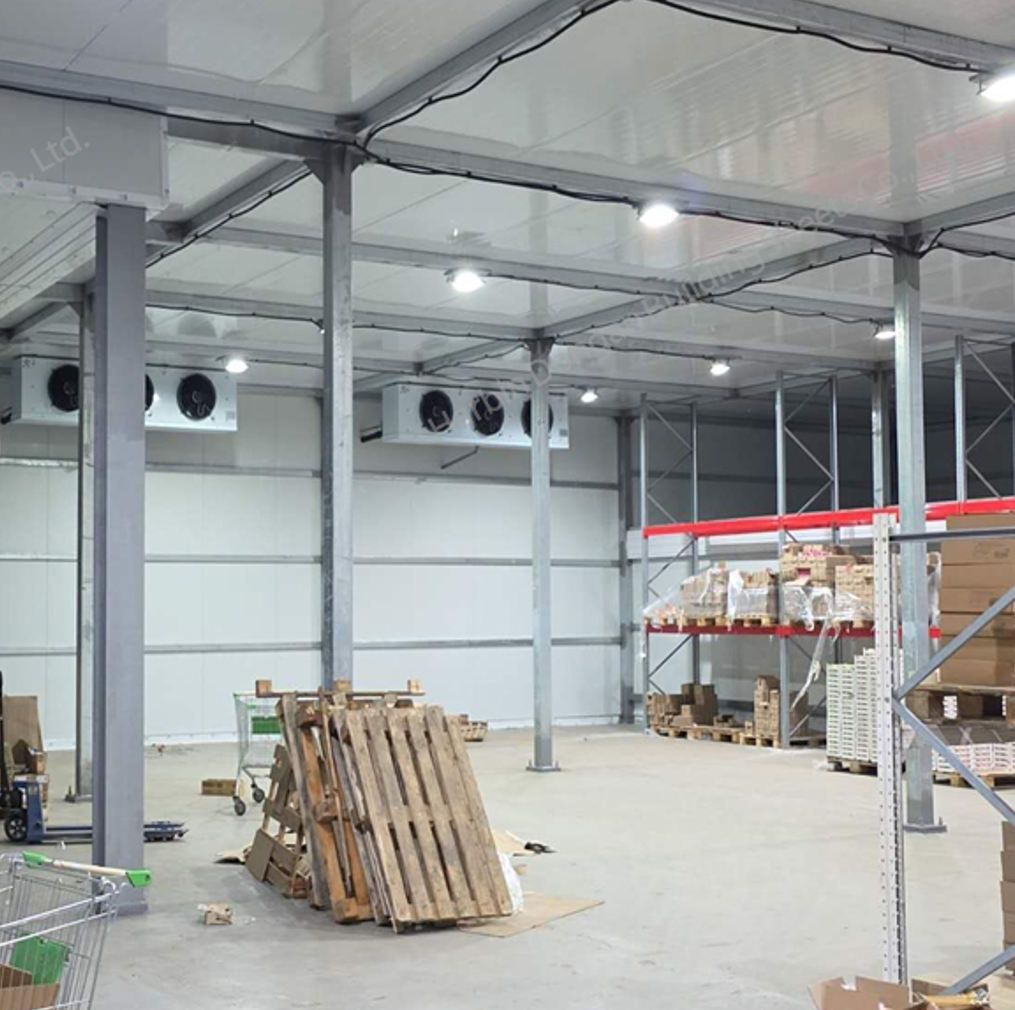
The importance of integrated planning can be seen in a 1,500-square-meter cold chain warehouse project in Khabarovsk, Russia. The project did not start with a completely new building design. Instead, the cold storage system needed to fit the customer’s existing building structure.
The main challenge was using the available space more effectively while achieving stable cooling performance. A separate approach to panels and refrigeration could have created unnecessary gaps between the structure and the cold room layout. It could also have reduced storage capacity and increased future operating costs.
By considering the characteristics of both the insulation panel system and refrigeration equipment during the design stage, the cold storage layout was adjusted to better match the existing structure. The building envelope was redesigned according to the actual conditions of the site, improving available volume and cooling efficiency.
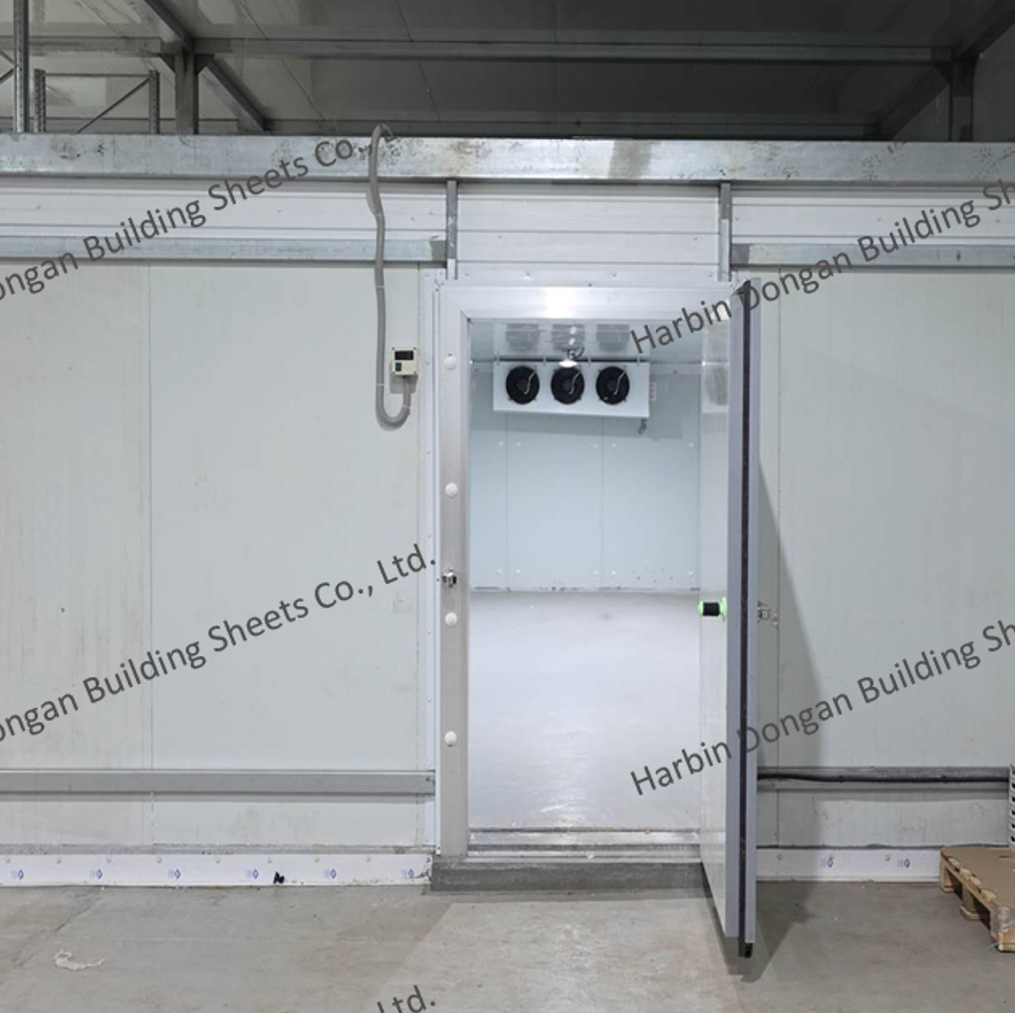
The result was a more precise installation process. The reduced gaps between structural elements and cold room components made construction easier and helped create a more stable operating environment. At the same time, better coordination between insulation performance and cooling requirements contributed to lower energy consumption during operation.
This example shows that cold chain projects are not only about selecting strong panels or powerful refrigeration units. The connection between different systems often determines the final performance.
Better Decisions Create More Reliable Cold Chain Projects
Every cold chain warehouse has its own conditions. Climate, existing structures, storage requirements, and installation resources can all influence the final solution.
Considering cold storage panels and refrigeration equipment together helps avoid problems that are difficult to correct later. A well-planned cold chain system focuses on the relationship between design, construction, and operation.
For overseas projects, these early decisions can make the difference between a cold room that simply works and one that delivers stable performance for years.
Post time: Jul-22-2026