

Building cladding plays an important role in protecting industrial buildings in different climates. However, many overseas projects face similar problems: the same type of panel system may perform well in one region but show unexpected issues in another. Climate conditions, industrial environments, and long-term exposure all influence how a sandwich panel system should be selected and optimized.
Why Standard Solutions May Not Fit Every Project
When planning an industrial building, many decisions focus on structure, equipment, and construction schedules. The external protection system sometimes receives less attention until problems appear. However, wall and roof systems directly face the local environment every day.
A factory in a coastal or humid area may deal with high moisture and corrosion risks. A production facility near heavy industry may face dust accumulation, chemical exposure, or frequent cleaning requirements. These conditions can gradually affect the durability of insulation layers, metal surfaces, and connection details.
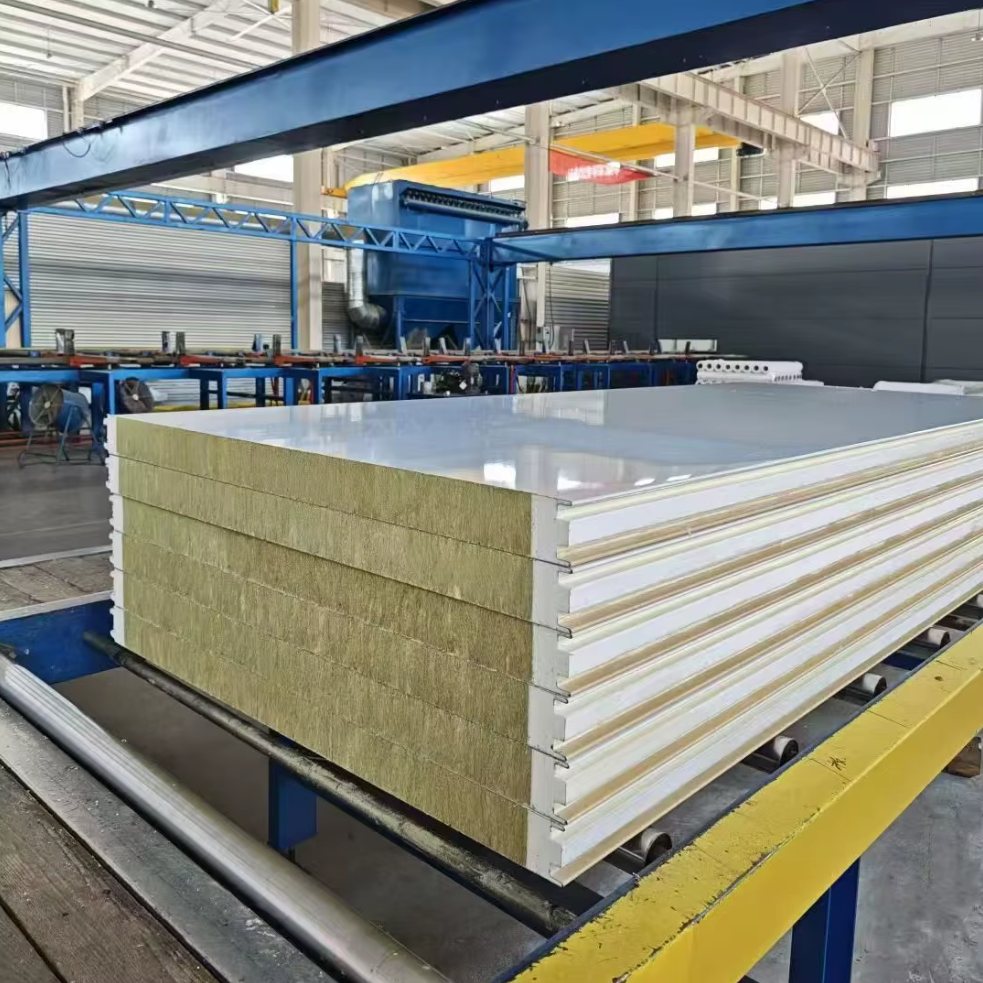
A sandwich panel is not only an insulation product. It is part of the building envelope system. The performance of a sandwich wall panel depends on factors such as the surface coating, core material, joint design, and installation quality. A sandwich roofing panel also needs to consider weather exposure, drainage conditions, and maintenance requirements.
The challenge is that many projects are located far from the production site. Once the building is completed, replacing damaged panels or improving protection can become expensive and time-consuming. Therefore, environmental analysis should happen before material selection, not after problems occur.
Adapting Materials to Real Operating Conditions
Different climates require different approaches. In cold regions, insulation performance and sealing details often become priorities. In hot and humid areas, corrosion resistance and surface protection may become more important.
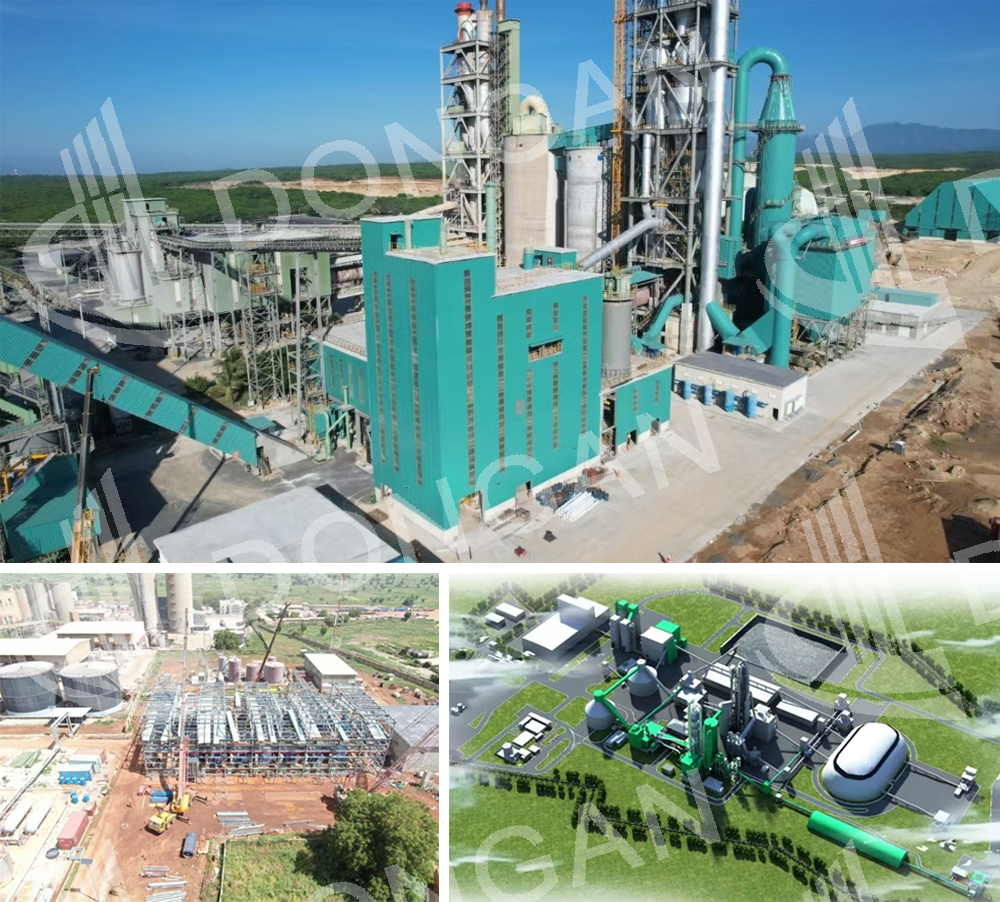
Industrial environments create additional challenges. A cement plant, for example, may generate large amounts of dust during daily operations. Fine particles can settle on building surfaces and affect long-term maintenance if the cladding system is not designed for this condition.
A different situation can appear in facilities that handle chemicals, alcohol production, or other materials with higher corrosion risks. In these cases, the protective coating of metal surfaces becomes a key consideration. The choice of coating or paint system may need adjustment according to the surrounding environment.
DongAn’s overseas projects provide examples of how environmental factors influence these decisions. In a cement plant project in Dominica, the surrounding heavy industrial dust environment required attention to the durability of the building envelope. The cladding system needed to consider not only insulation but also surface protection and long-term maintenance under continuous dust exposure.
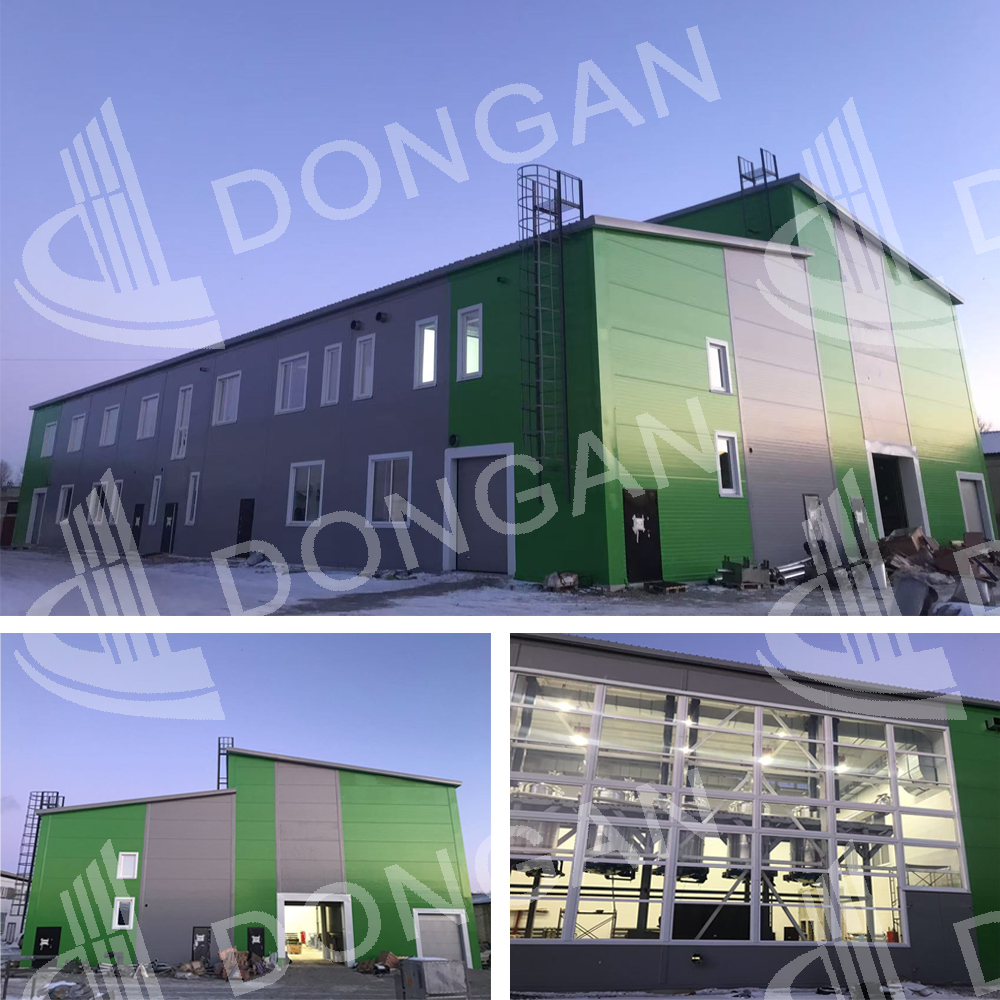
In another project for an alcohol factory in Russia, the surrounding conditions created different requirements. The environment involved higher corrosion concerns, so the protection level of the metal surface and coating selection needed to match the operating conditions. These examples show that the same panel concept may require different details depending on where the building operates.
Building for Long-Term Performance
Overseas industrial projects often involve long distances, complex logistics, and different construction conditions. A suitable building cladding solution needs to consider the entire service period, not only the installation stage.
The goal is not simply choosing a stronger material. It is about matching the panel system with the actual environment. A factory in a dry industrial area, a coastal warehouse, and a chemical-related facility may all need different approaches.
Good project planning usually starts with simple questions. What materials will be stored inside? What conditions will the external surface experience? How often will maintenance be possible? These details help determine whether standard specifications are enough or whether additional protection is needed.
For international projects, small decisions in the early design stage can influence future operating costs. Proper coating selection, suitable sandwich panel structures, and reasonable installation methods can reduce unnecessary repairs and improve building reliability.
As industrial development expands into more regions, climate adaptation will become an increasingly important part of building design. Building cladding is not only a protective layer around a facility. It is a long-term system that connects local environmental conditions with the daily operation of the building.
Post time: Aug-05-2026