

When a new industrial building is completed, few things are more frustrating than discovering leaks after the first heavy rain. A small water problem can quickly affect insulation, equipment, production schedules, and future maintenance costs. Building cladding is not only an exterior layer of protection; it is a key part of how a building responds to real weather conditions.
Many issues related to water leakage and wind damage are not caused by extreme weather alone. They often come from overlooked details during design, material selection, or installation. Understanding these risks before construction begins can help create a more reliable building envelope and reduce unexpected problems later.
Common Problems Behind Building Envelope Failures
Building cladding plays a critical role in protecting industrial buildings from rain, wind, and long-term weather exposure. However, many projects still face water leakage, damaged insulation, and unexpected repair costs after completion.
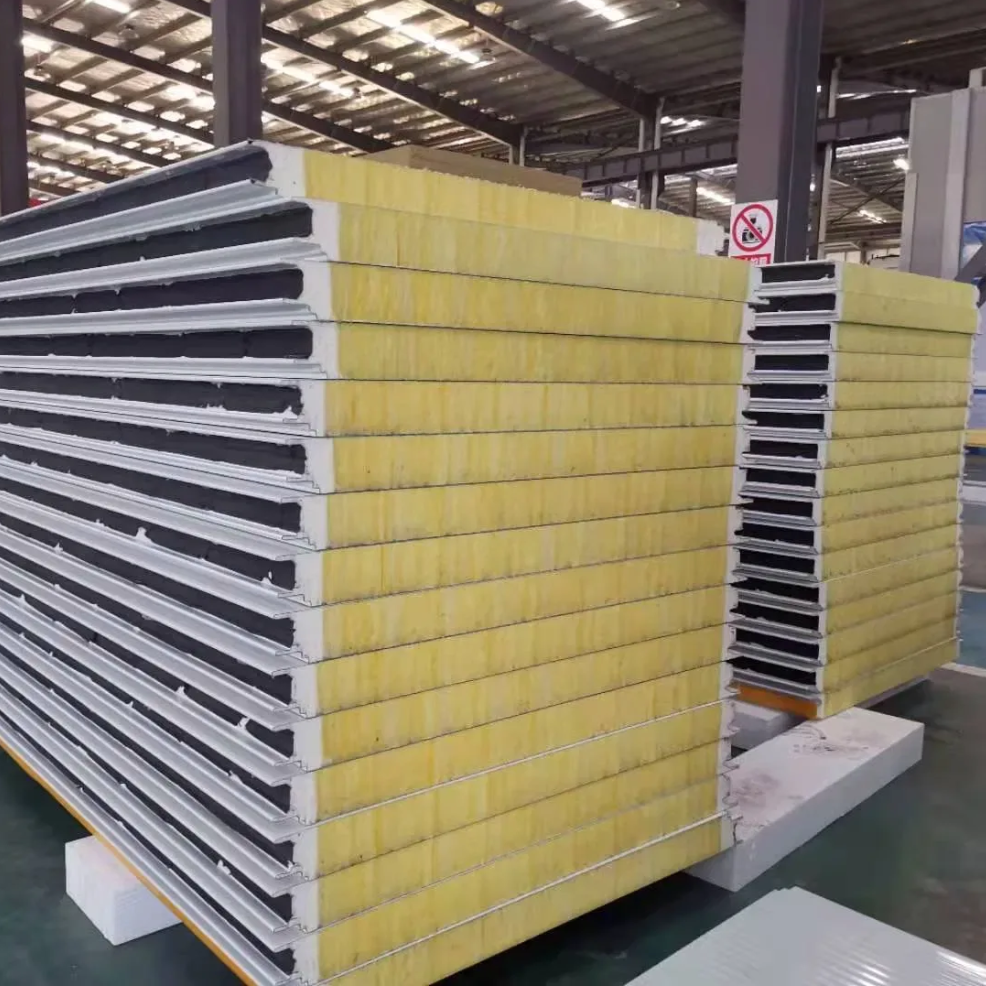
These problems often do not come from the main structure itself. They usually appear in details that receive less attention during planning and installation. A small gap between panels, poor flashing design, or incorrect sealing can allow water to enter the building. Over time, moisture may damage insulation layers, affect indoor conditions, and reduce the service life of the entire building.
Roof areas are especially sensitive. A roofing system needs to handle heavy rain, strong winds, temperature changes, and daily expansion and contraction. If panel joints or edge details are not properly designed, even high-quality materials may fail to provide reliable protection.
Wall systems also face similar challenges. Industrial facilities, warehouses, and agricultural buildings often have large exterior surfaces exposed to changing weather conditions. Without a suitable building envelope solution, wind-driven rain can find weak points around corners, openings, and connection areas.
Understanding these risks early helps avoid problems that are difficult and expensive to fix after construction is finished.
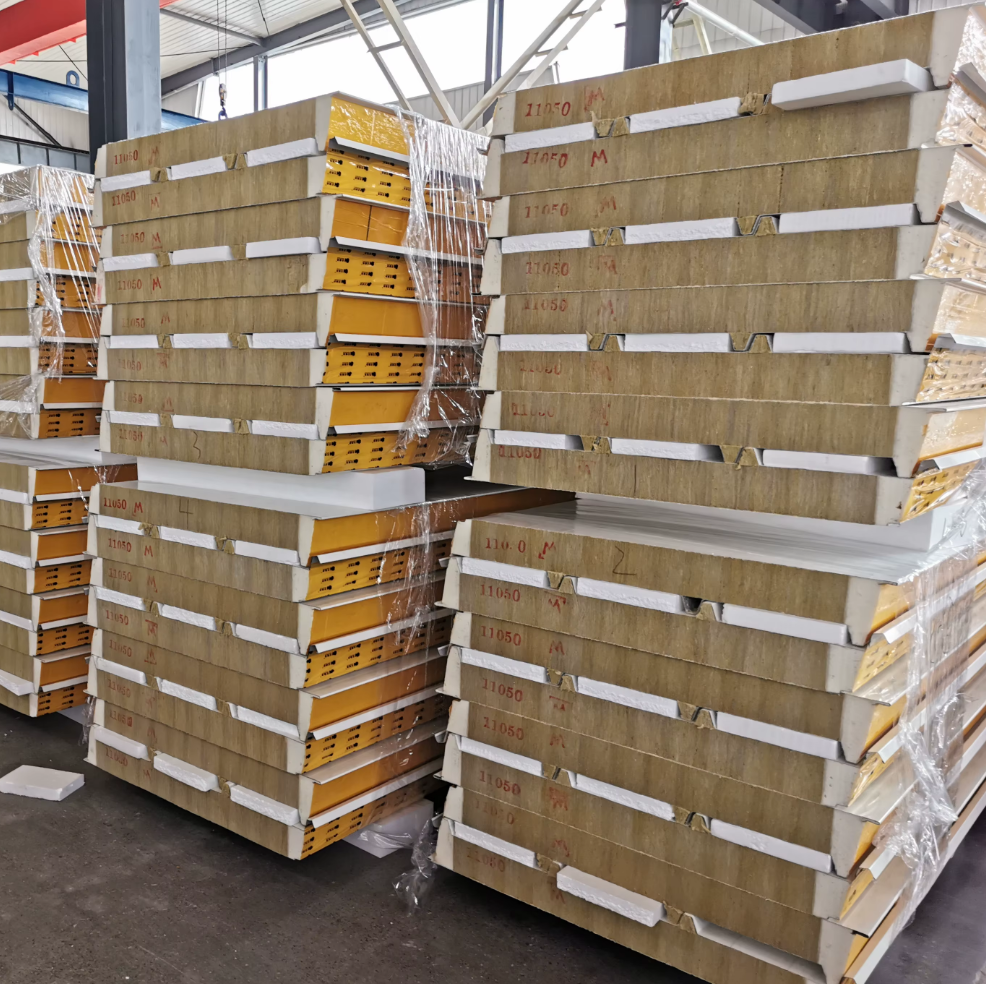
Why Leakage Happens During Real Projects
In many cases, leakage is not caused by one single mistake. It is usually the result of several small issues combined together.
One common problem is selecting panels without considering the local climate. Buildings in coastal areas may require stronger resistance against wind and corrosion, while facilities in cold regions need better thermal performance and protection against condensation. The same sandwich panel design may not work equally well in different environments.
Another issue is the connection between materials. A building cladding system is more than exterior panels. It includes screws, sealants, flashing, trims, and other accessories that work together. If these components are not matched properly, water can enter through joints even when the panels themselves perform well.
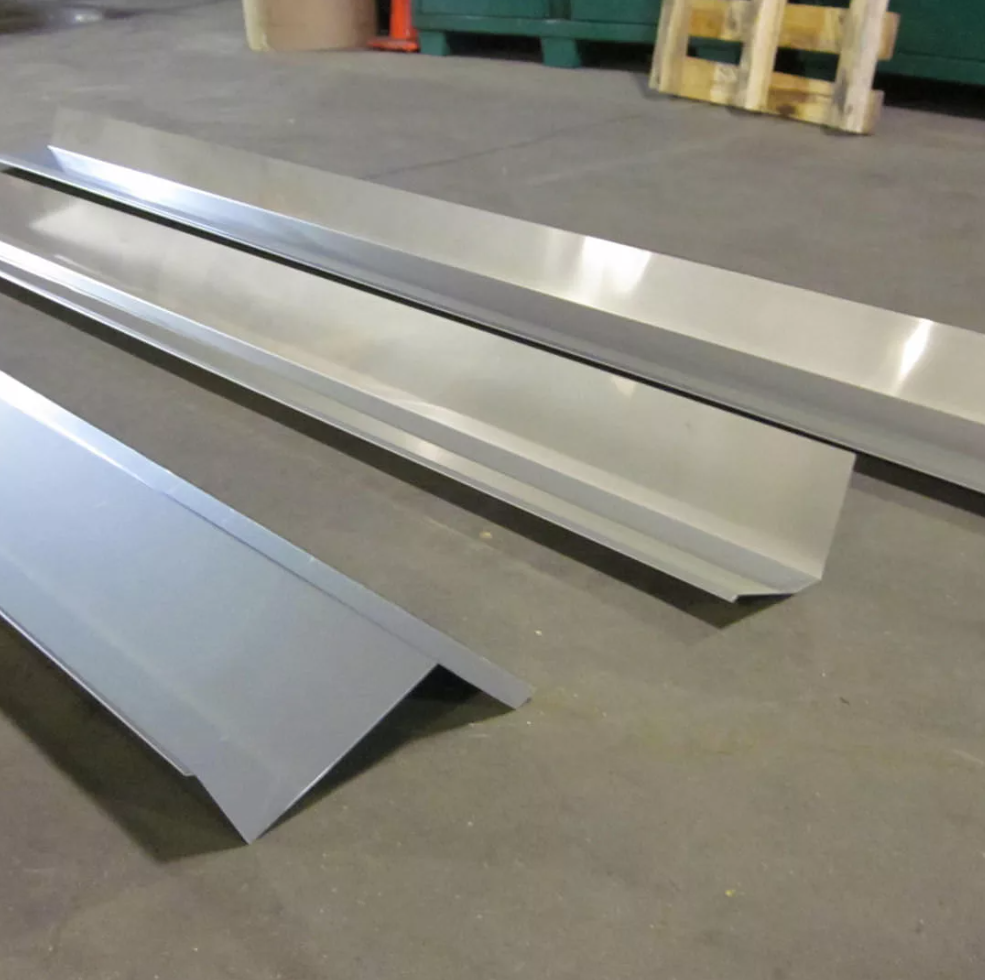
Installation quality also has a major influence. Incorrect screw placement, damaged panel surfaces, or insufficient sealing around openings can create hidden risks. These problems may remain unnoticed during construction and only appear after several seasons of weather exposure.
For overseas projects, transportation and site conditions add more challenges. Panels may travel long distances before installation, and construction teams may work under different climates and standards. A practical design should consider these factors before materials arrive on site.
Design and Installation Details That Improve Protection
A reliable building envelope starts with the right combination of materials and details. The goal is not only to choose strong panels but also to create a complete protection system.
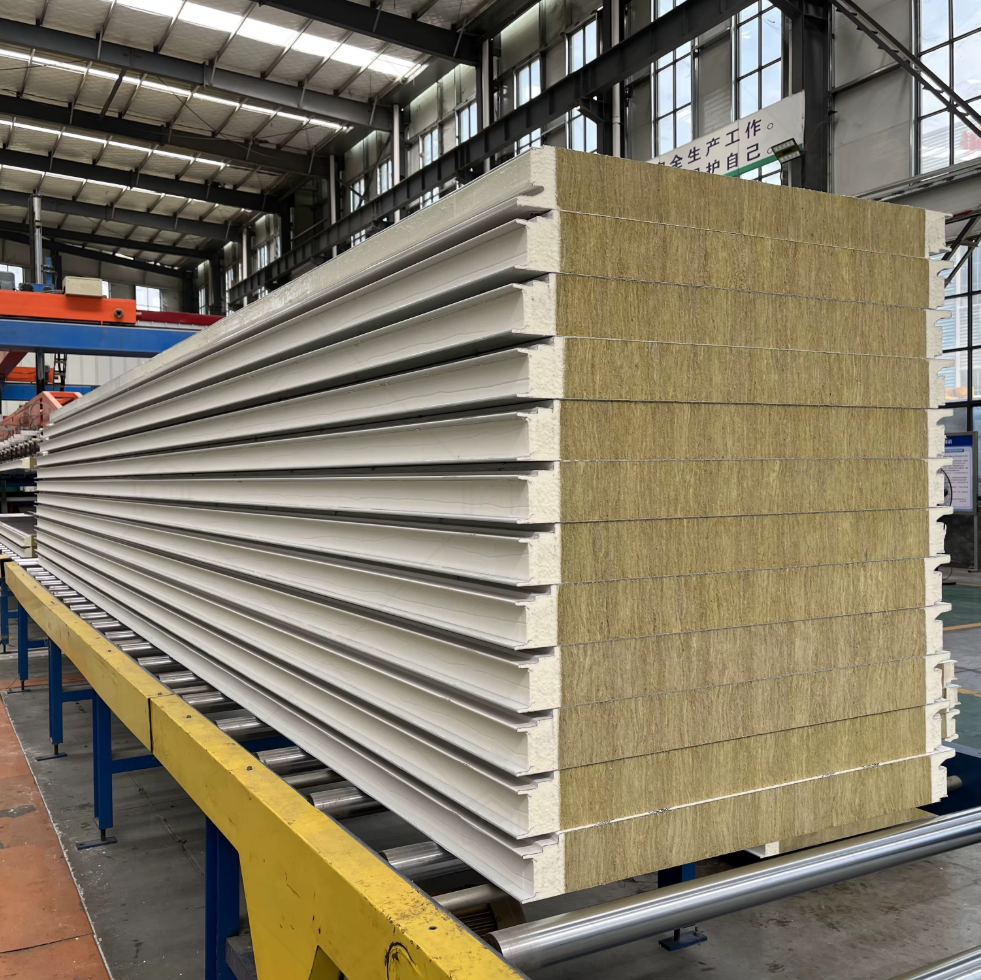
High-quality sandwich panel systems provide the first layer of defense against external conditions. Panel thickness, core material, joint design, and surface coating should match the building requirements. For example, rock wool panels can provide strong fire resistance, while PU or PIR panels are often selected when better thermal insulation is needed.
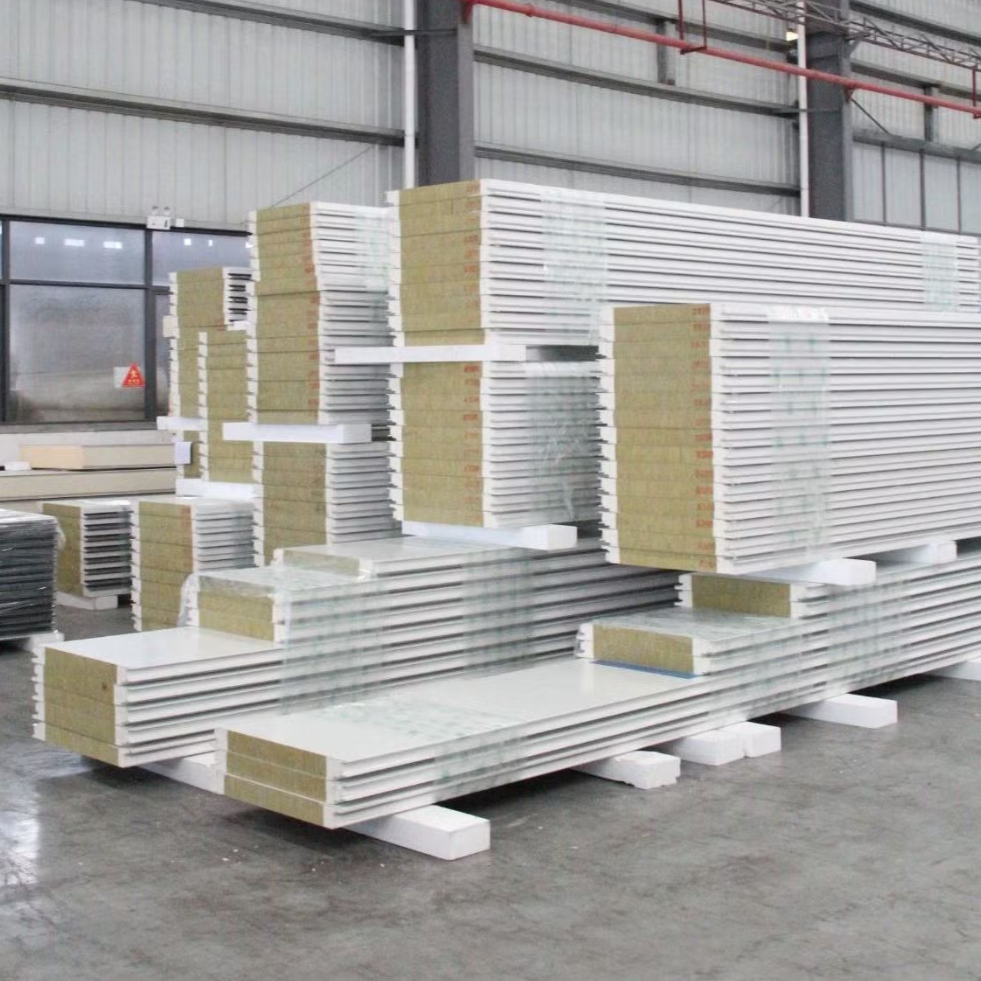
The roofing system requires particular attention because it receives direct weather impact. Proper panel overlap, sealing methods, and drainage design help reduce the chance of water accumulation. Roof accessories such as ridge caps, gutters, and edge trims also play an important role in directing water away from vulnerable areas.
Wall cladding details should also be planned carefully. Corner trims, window flashing, and connection points need accurate installation to maintain continuous protection. Small improvements in these areas can significantly reduce future maintenance needs.
Good packaging and transportation preparation are also part of the protection strategy. Damaged panels can create installation problems before the building even starts to take shape. Protecting materials during shipment helps maintain the original performance of the building cladding system.
A successful project depends on cooperation between design, manufacturing, logistics, and installation. When every detail works together, the building envelope can provide stable performance through different weather conditions.
Building Protection Starts With Better Details
Water leakage is rarely a problem that appears overnight. It is usually the result of decisions made during design, material selection, and installation.
A well-planned building cladding solution combines suitable panels, reliable accessories, and careful construction methods. By paying attention to these details, projects can achieve better durability, fewer maintenance issues, and more predictable long-term performance. For buildings exposed to challenging environments, prevention is always more effective than repair.
Post time: Jul-22-2026