

A seafood blast freezer is one of the most technically demanding systems in modern cold storage — yet it is often underspecified during early project planning. Many buyers focus heavily on the refrigeration unit, while treating the rest of the cold room system as secondary. In practice, this approach often leads to performance gaps that are expensive to fix after installation.
For contractors, seafood processors, and project owners planning a cold room or cold storage facility, these early design decisions directly determine long-term efficiency, product quality, and operating cost.
Seafood Blast Freezer Design: What Actually Matters in a Cold Room
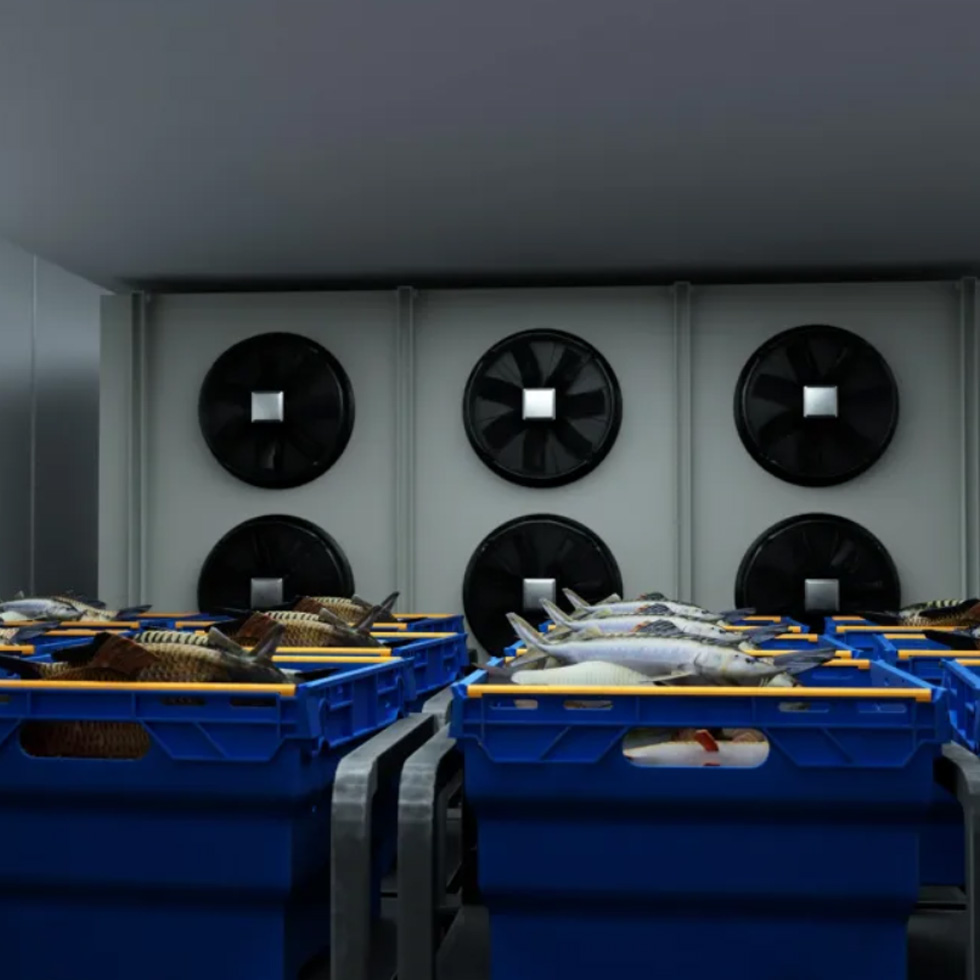
The design of a seafood blast freezer starts with understanding the product load — specifically, the incoming temperature of the seafood, the target core temperature, and the required freeze-down time. These three variables define the entire cold storage system, including room size, airflow design, evaporator capacity, and compressor selection.
Most cold room design failures begin here. A common mistake is calculating based on average load instead of peak conditions. In real seafood cold storage operations, supply is unpredictable. A full vessel unloading during high ambient temperatures can push the system beyond its limits.
If your seafood blast freezer cannot handle peak load efficiently, the result is extended freezing time, inconsistent product quality, and increased risk of spoilage or rejection.
Airflow design inside the cold room is another critical factor. Blast freezing depends on high-velocity air circulation to remove heat rapidly. Poor evaporator placement, insufficient airflow channels, or improper product stacking can create uneven temperature zones, significantly reducing freezing efficiency.
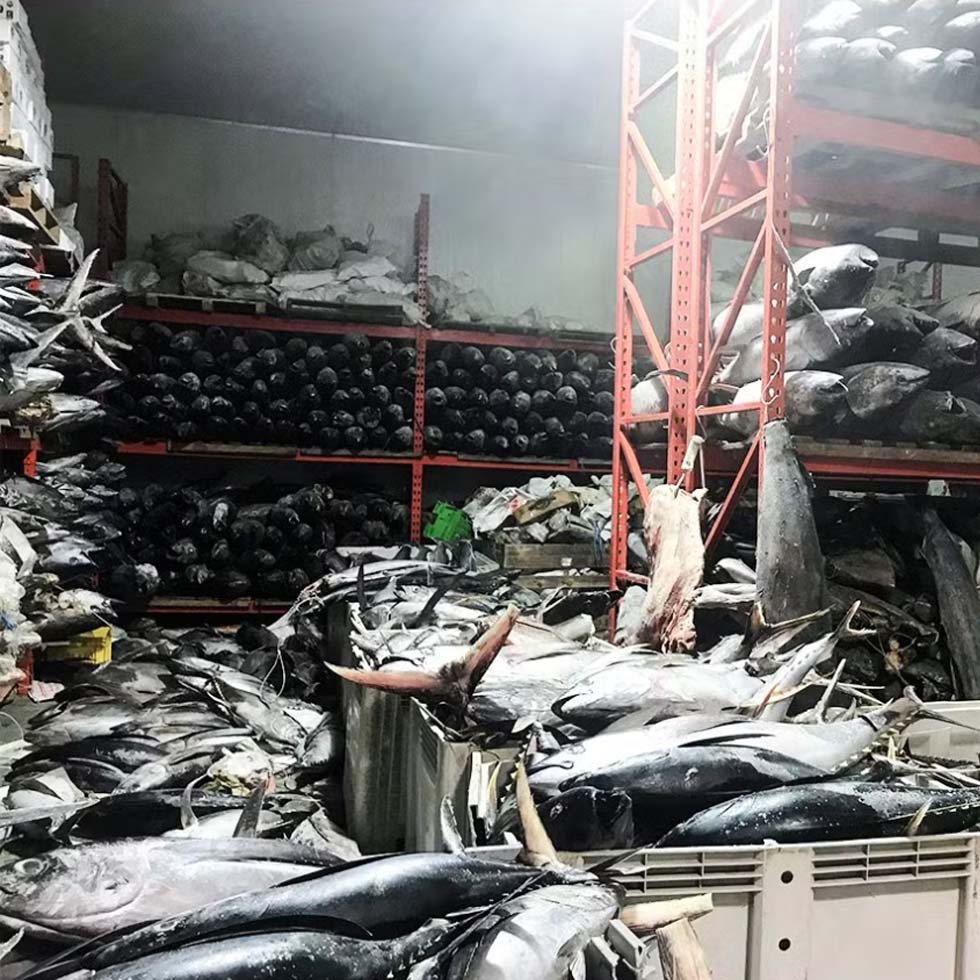
Additionally, floor insulation and vapor barriers in seafood cold storage environments must withstand high moisture, salt exposure, and frequent washdowns. Standard cold room specifications often fail prematurely under these conditions.
If your current supplier hasn’t clearly addressed peak load, airflow distribution, and moisture protection, your system may already be underspecified.
Key Components in a Seafood Blast Freezer Cold Storage System
Beyond refrigeration equipment, a seafood blast freezer relies on several critical cold room components that directly impact performance and durability.
Panel specification is one of the most overlooked factors. PU sandwich panels used in seafood blast freezer cold rooms should have higher foam density than standard cold storage panels, due to operating temperatures typically ranging from -30°C to -40°C. Lower-density panels may reduce initial cost but result in higher energy consumption and faster insulation degradation.
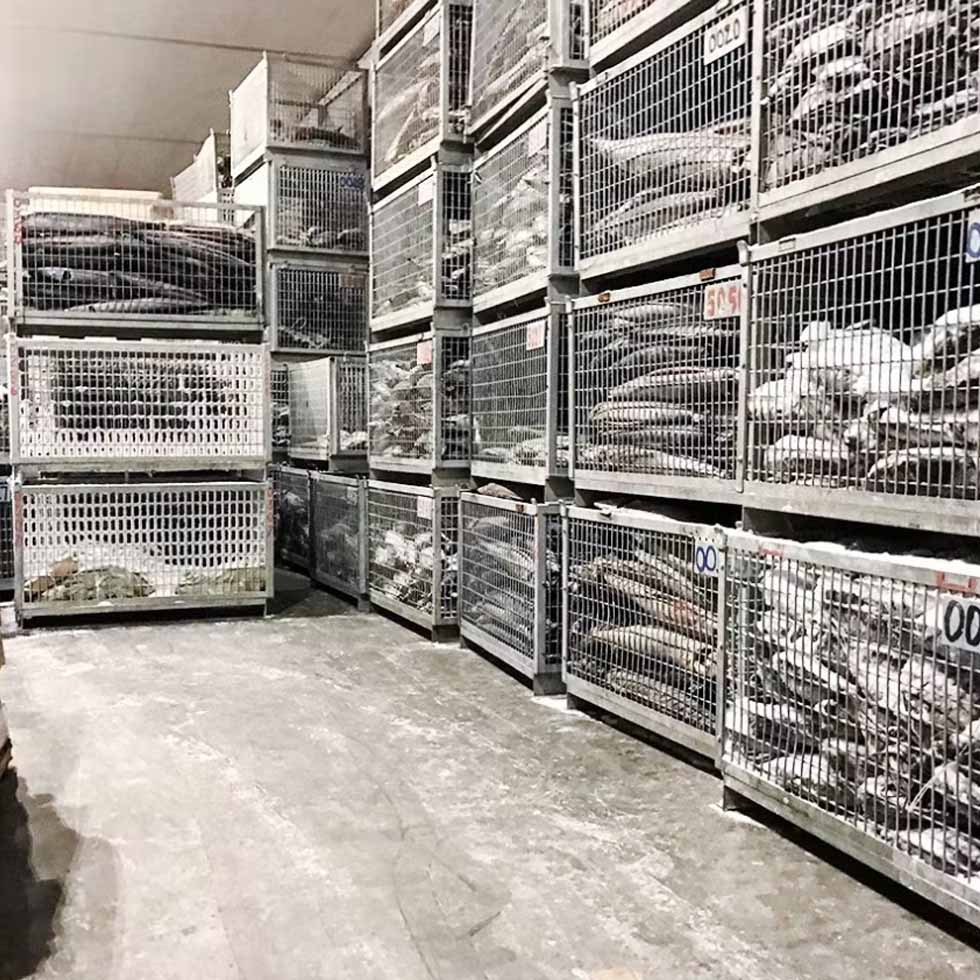
Door systems also play a major role. In high-frequency operations, poorly designed cold room doors without proper thermal breaks or heating elements can quickly develop ice buildup, damaging seals and affecting temperature stability.
Defrost and drainage systems are equally important. Blast freezer evaporators accumulate frost rapidly. Without properly designed defrost cycles and drainage systems, cold storage operations face increased downtime and higher energy costs.
Finally, compressor and refrigerant selection must match real operating conditions. Systems designed only for nominal loads often lead to continuous high-load operation, shortening equipment lifespan and increasing maintenance costs.
In real cold storage projects, these issues are rarely isolated — they are interconnected. A reliable seafood blast freezer depends on how well the entire system is designed and coordinated.
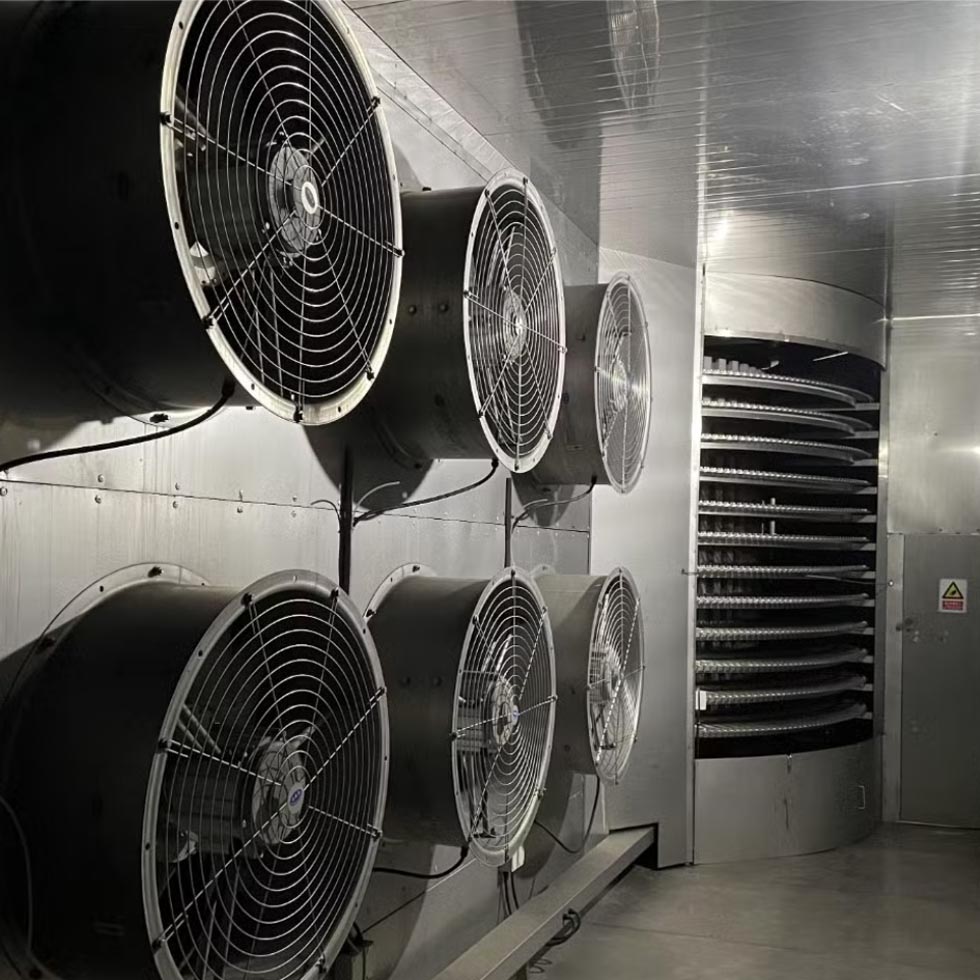
Before You Finalize Your Seafood Blast Freezer Project
If you’re currently evaluating a seafood blast freezer or planning a cold room for seafood processing, it’s worth verifying whether your design truly reflects real operating conditions — not just theoretical calculations. At this stage, small adjustments in cold storage design can prevent significant long-term costs.
If you have layout drawings, product details, or initial specifications, you can share them for a quick technical review. This helps identify potential gaps in load calculation, panel selection, and system matching before construction begins.
Post time: Apr-10-2026