

Many buyers pay extra for thicker cold storage panels — and still end up with higher energy bills. It makes sense on the surface. Thicker feels safer. Thicker feels more insulating. But in practice, we’ve seen projects fail because of this, and over-focusing on it can lead to costly mistakes during and after construction.
What Buyers Often Get Wrong
Many project managers and procurement teams spend weeks negotiating cold room panels. But cold storage failures rarely come from what you can see. Yet they overlook factors that directly affect performance and long-term operating costs.
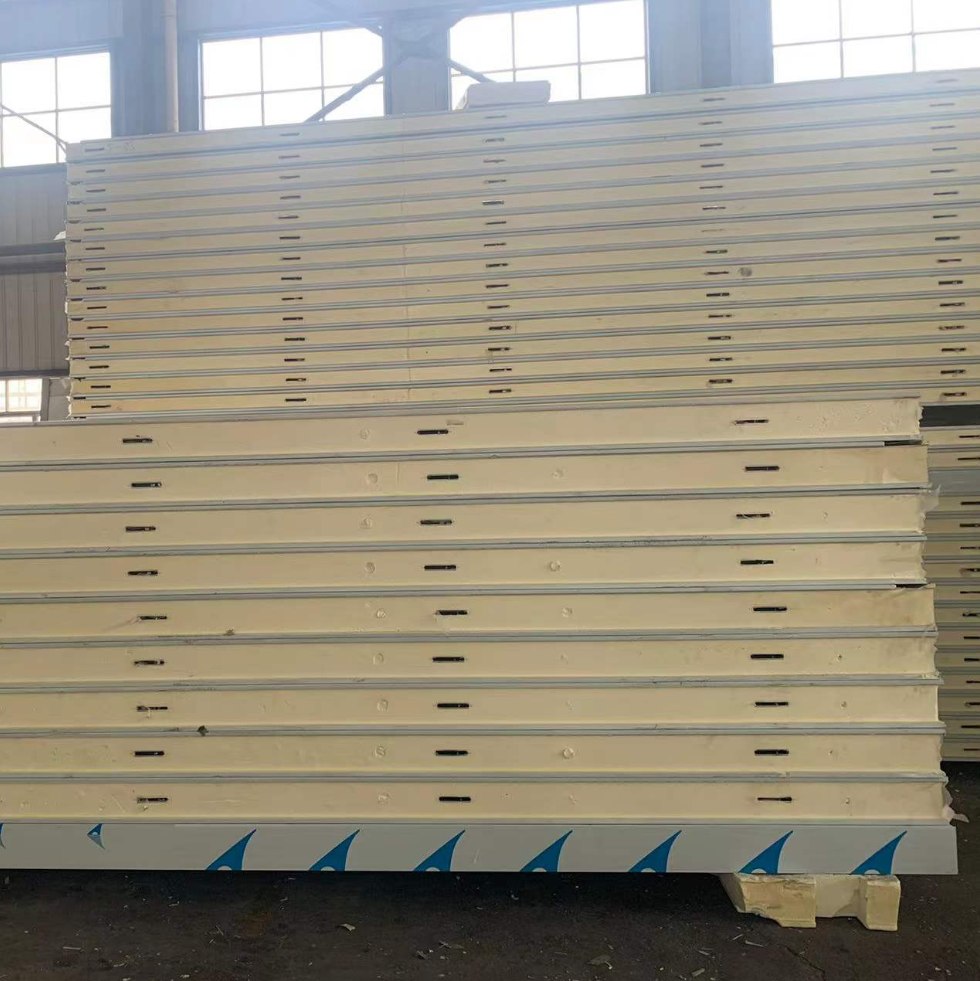
Density matters more than most people realize. A 150mm panel with a low-density foam core can perform worse than a 120mm panel with high-density PU foam. The foam’s cell structure, closed-cell ratio, and blowing agent all affect real thermal resistance — not just the nominal thickness value on a spec sheet. So when two suppliers quote the same thickness at very different prices, the difference is usually in the core quality, not the margin.
Then there’s the facing material. Galvanized steel, embossed steel, and stainless steel facings each behave differently in humid or saline environments. A fishing facility near the coast, for example, faces corrosion risks that a dry inland warehouse simply doesn’t. Using the wrong facing turns a “thick” panel into a liability within just a few years of operation.
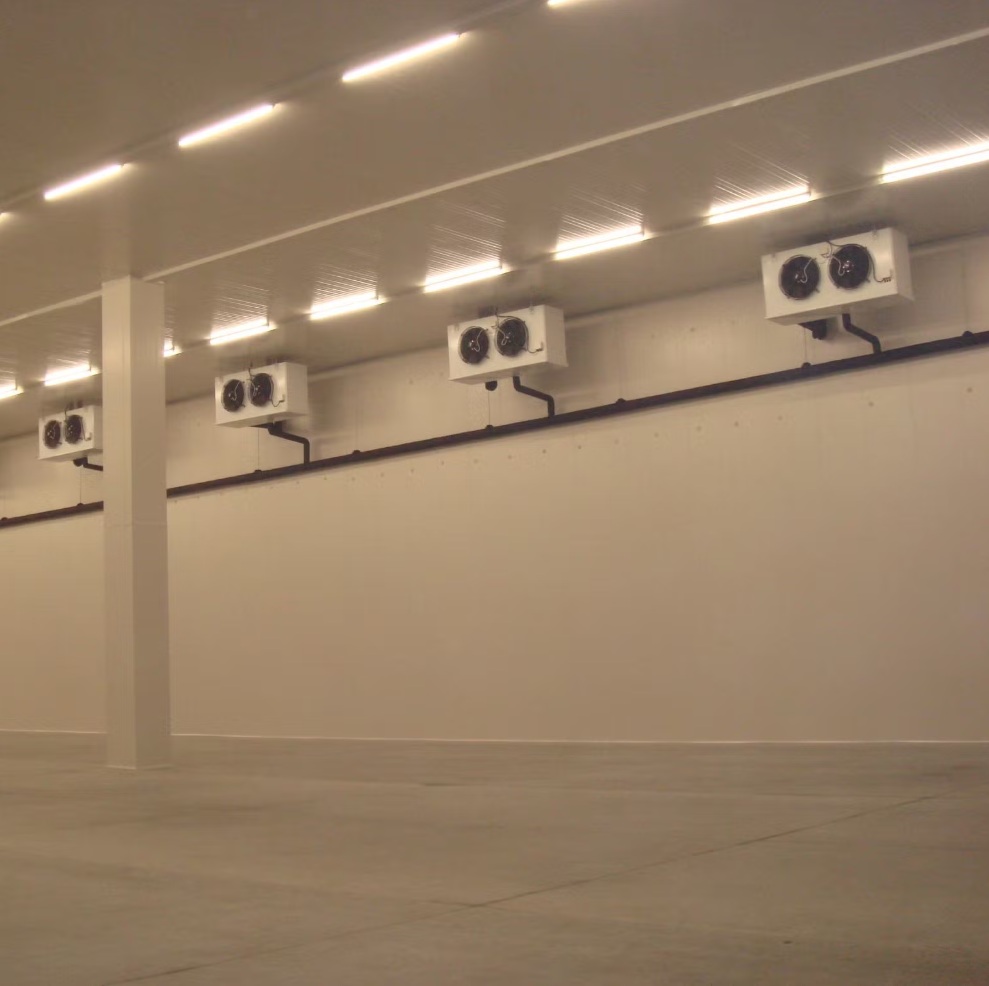
Joint design is another common blind spot. Most energy losses happen at the joints, not the panels. Panels that don’t interlock cleanly create thermal bridges — small gaps where cold air escapes and moisture enters. Over time, these gaps drive up energy bills and compromise food safety compliance standards. No amount of thickness compensates for a poorly designed joint system. This is where many projects quietly lose efficiency without anyone immediately noticing the cause.
Fire rating requirements also catch buyers off guard. Depending on the jurisdiction and the nature of goods stored, cold storage panels may need to meet specific fire classification standards. Choosing panels purely on thickness and price — without checking fire performance data — can delay project approvals or require expensive retrofitting later.
What a Real Project Taught Us
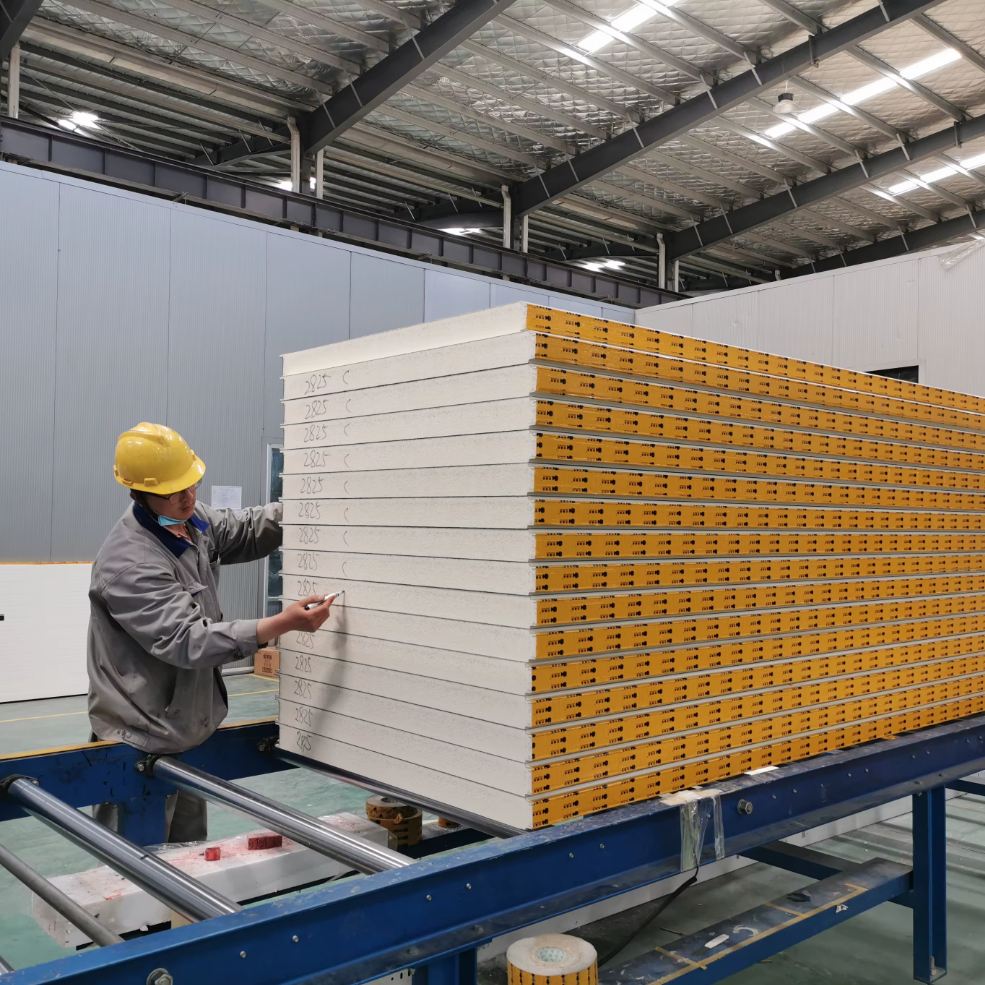
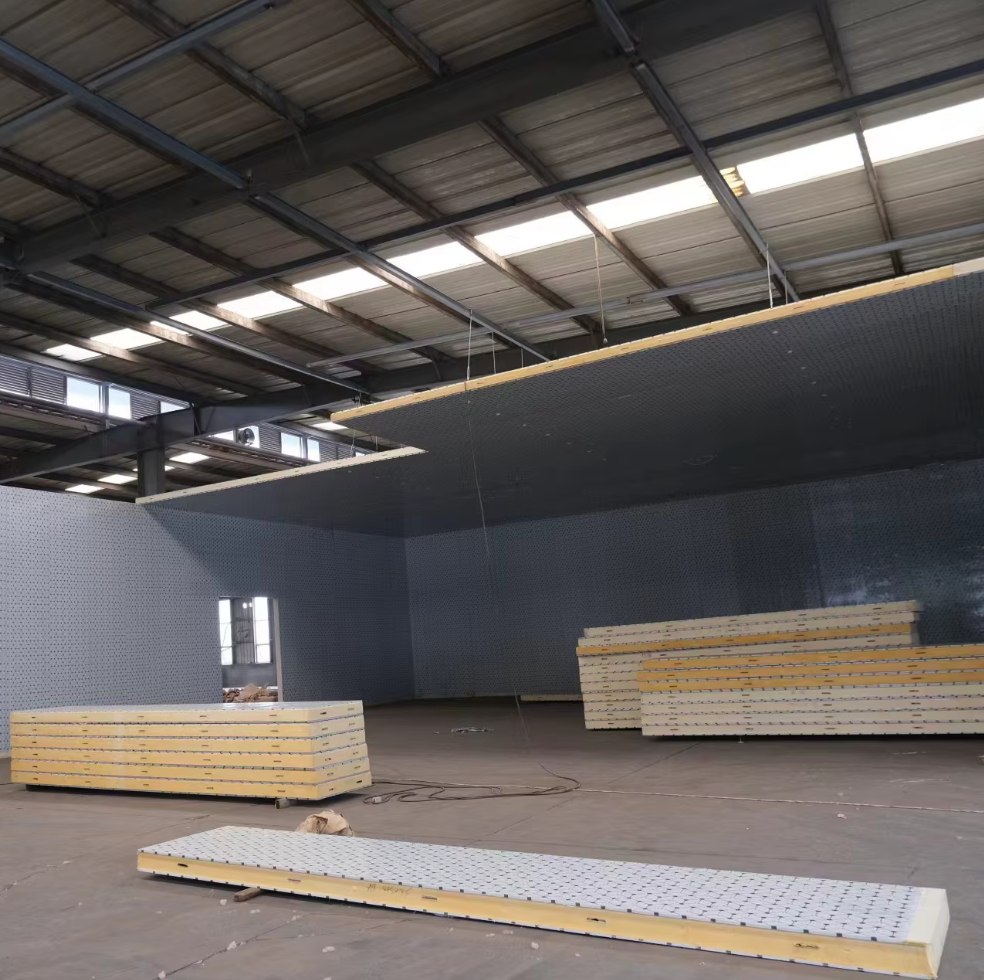
We recently supplied 20,000 square meters of PU sandwich panels for a cold storage project commissioned by a fishing company in Vladivostok, Russia. The facility needed to maintain sub-zero temperatures consistently while withstanding the region’s demanding coastal conditions, including high humidity and salt-laden air.
The client initially requested a standard thickness specification based on what they had used in a previous project. After reviewing their full operational requirements — target pull-down temperatures, seasonal humidity levels, structural load considerations, and local compliance standards — we recommended a configuration that prioritized foam density and a marine-grade steel facing over simply increasing panel thickness. The adjustment added marginal cost to the panel spec but significantly reduced the projected energy consumption and expected maintenance cycle for the facility.
The client was hesitant at first — the idea went against what they had always done. They were used to relying on thickness as a safety margin, especially in fast-freezing operations.
We had to walk them through performance data, compare energy projections, and show how similar projects performed over time.
The result was a cold storage facility that passed commissioning ahead of schedule and has operated efficiently since handover. The client avoided the common trap of optimizing for one number while underestimating the bigger picture.
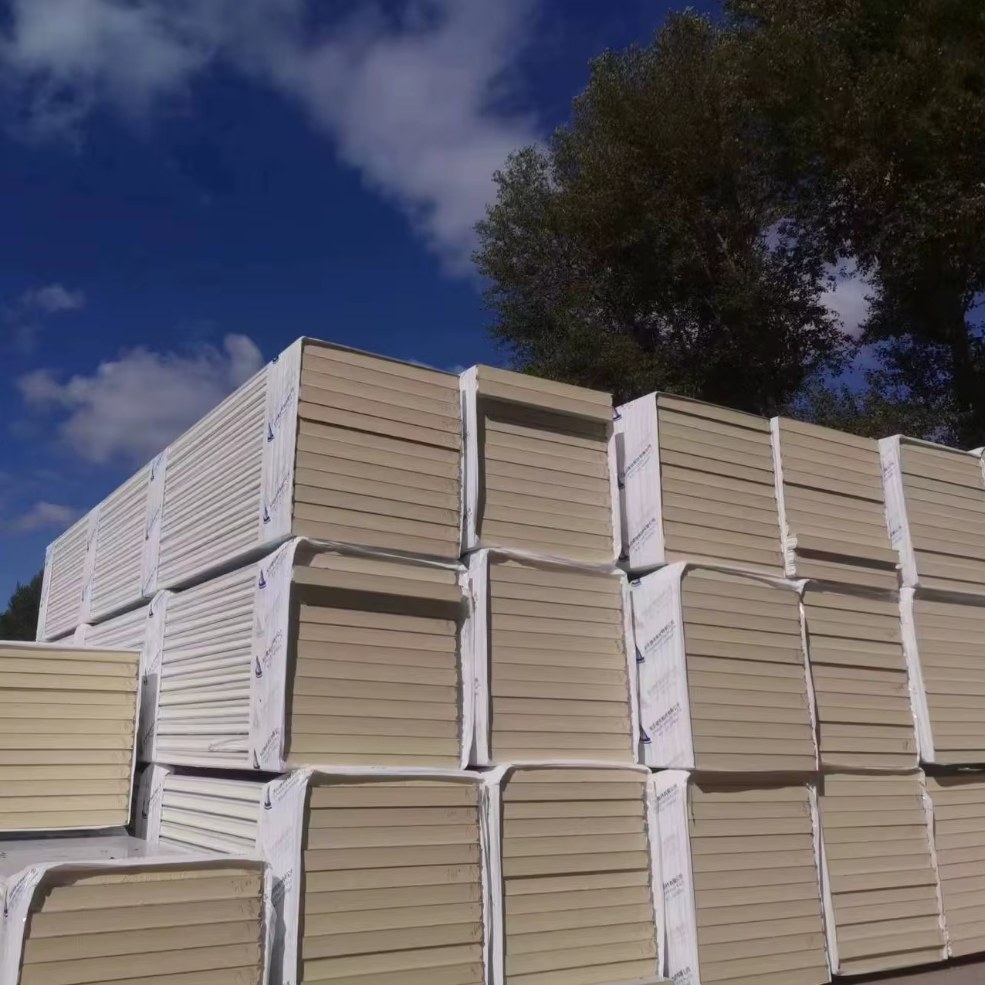
Cold storage panels are not a commodity product, even when they look similar on paper. Small differences in specification create significant differences in energy consumption, compliance risk, and maintenance costs across a 15 to 20-year facility lifespan.
If you’re planning a cold storage project, it’s often helpful to have a second look at the panel specification before moving into procurement. Sometimes small adjustments at this stage can make a noticeable difference over the long run. Happy to take a look and share some thoughts if it’s useful for your project.
Post time: Apr-01-2026