

A cold storage warehouse does not necessarily need more space just because its inventory keeps growing. Sometimes, the real problem comes from poor space utilization, seasonal demand, or inefficient warehouse operations. However, when these pressures become regular rather than temporary, expansion may deserve serious consideration. The key is to recognize when the existing facility can no longer support the business efficiently, and when additional capacity makes better financial sense than continued adjustments.
When Existing Storage Capacity Becomes a Bottleneck
One of the clearest signs is consistently high storage occupancy. If a facility operates close to its maximum capacity throughout the year, it may struggle to accommodate new customers, larger orders, or seasonal inventory increases.
For businesses handling frozen food, meat, seafood, or agricultural products, storage demand rarely remains constant. Harvest seasons, holiday consumption, and changes in purchasing patterns can create significant fluctuations. A warehouse that performs well during ordinary months may become overloaded during peak periods.
Temporary overflow arrangements can help, but they also introduce additional costs. Renting external cold rooms, moving inventory between locations, and coordinating extra transportation can gradually reduce operating efficiency.
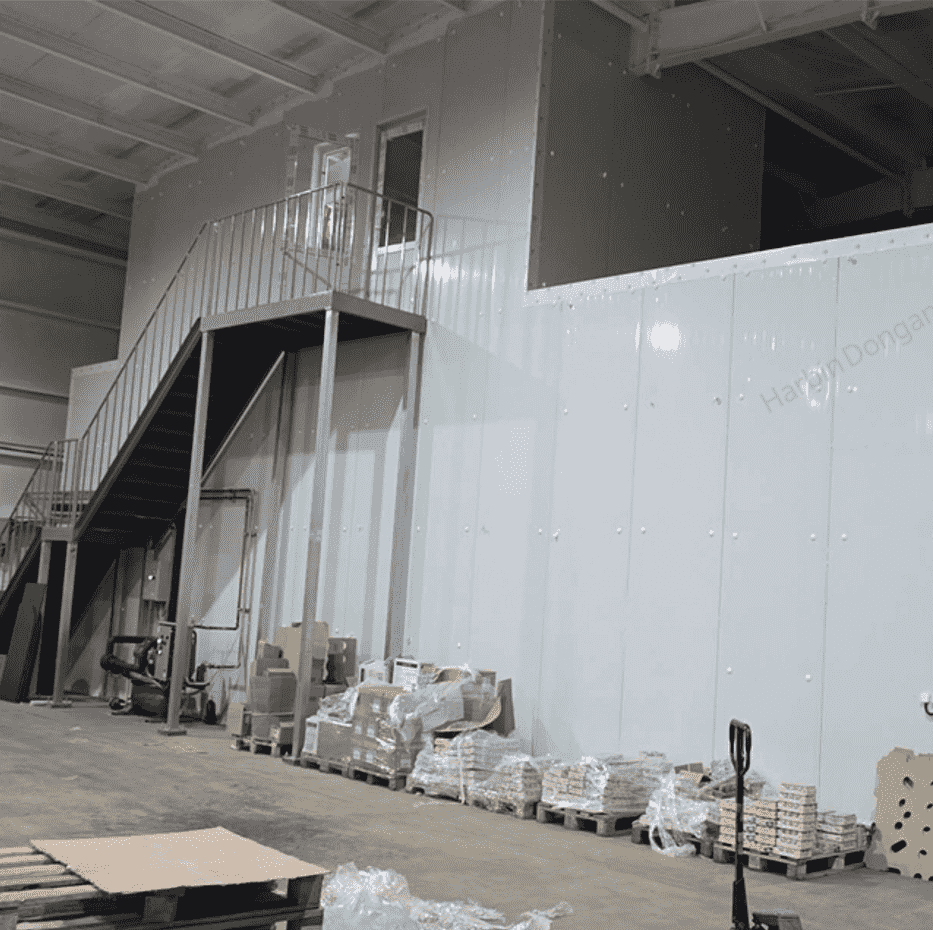
Before planning a new building, it is worth checking whether the existing layout still uses its available space effectively. Aisle widths, pallet configurations, rack arrangements, and loading areas all influence actual storage capacity. Sometimes, operational adjustments can postpone expansion. But if the facility regularly runs out of usable space despite reasonable optimization, additional capacity may be necessary.
When Operating Efficiency Starts to Decline
Storage capacity alone does not determine whether a facility needs expansion. The way goods move through the building matters just as much.
Consider a warehouse where incoming products frequently wait outside the storage area. If loading docks, sorting zones, or temperature-controlled staging areas cannot handle peak traffic, daily operations may become increasingly complicated.
The same problem can occur inside the facility. Excessive pallet movements, congested aisles, and long picking routes can slow down order preparation. Staff may spend more time moving inventory than handling the actual storage and distribution tasks.
In these situations, expansion should address operational bottlenecks rather than simply add more storage volume.
For example, a new facility might include separate receiving and dispatch areas, dedicated temperature zones, or a more suitable circulation layout. These changes can improve handling efficiency while reducing unnecessary door openings and temperature fluctuations.
It is also important to evaluate refrigeration capacity. Adding storage space without sufficient cooling equipment can create new operating problems. Refrigeration systems, insulation performance, air circulation, and loading operations must work together.
When Market Demand Supports Additional Investment
A growing customer base does not automatically justify a larger facility. The more important question is whether demand can support the additional investment over a reasonable operating period.
A business may experience a temporary increase in orders because of seasonal demand or a short-term supply shortage. Building additional storage space for a temporary market condition can create unnecessary financial pressure later.
A more convincing expansion case usually involves several indicators:
Existing customers regularly request additional storage capacity.
New contracts require greater volume or additional temperature zones.
Current storage arrangements limit the company’s ability to accept larger orders.
Demand remains relatively stable across multiple operating periods.
The expected utilization rate can support construction and operating costs.
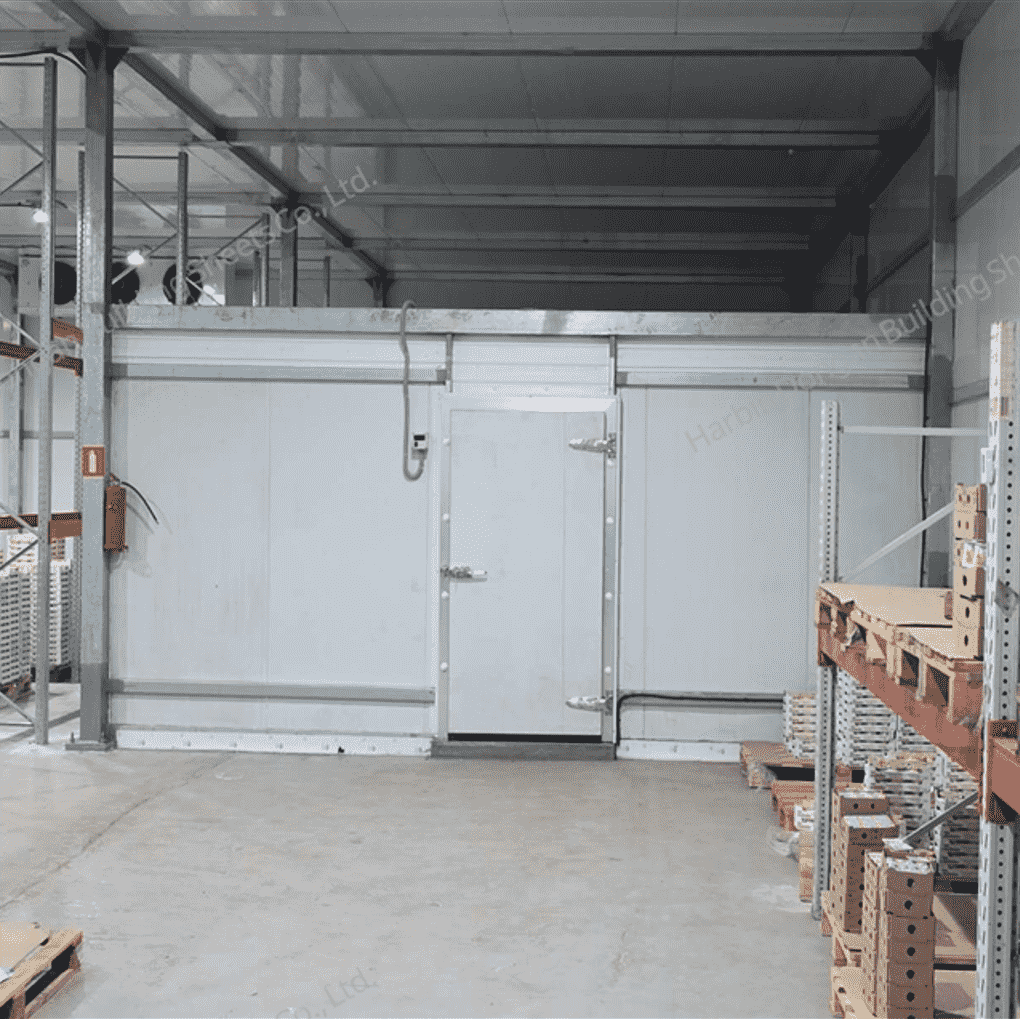
Location also matters. A new cold storage warehouse closer to major food production areas, ports, distribution centers, or urban markets may reduce transportation time and improve supply chain coordination.
However, land availability, electricity costs, labor conditions, and local construction requirements should all enter the feasibility assessment. A larger building does not necessarily deliver better returns if its operating costs grow faster than its storage revenue.
Expansion Design: More Than Adding Cold Rooms
Once expansion becomes commercially reasonable, the next challenge involves deciding how to increase capacity.
One option is to extend the existing building. This may reduce some infrastructure costs and allow the business to retain its current operating location. However, available land, structural conditions, refrigeration connections, and construction access can limit this approach.
Another option is to develop a separate facility. This provides greater flexibility in layout and construction planning, particularly when the existing site has limited expansion potential.
The building envelope deserves particular attention in either case. Cold room panels influence insulation performance, internal temperature stability, and refrigeration energy consumption. Panel thickness, core material, joint connections, and vapor control details should match the required storage temperature and local climate.
The layout also needs to account for different temperature requirements. Frozen storage, chilled storage, and pre-cooling areas may require separate rooms and refrigeration arrangements. Loading docks, personnel access, drainage, and fire protection should form part of the overall design rather than become later additions.
For projects with future growth potential, it may also make sense to reserve space for additional refrigeration equipment or future building extensions. This approach can provide flexibility without requiring the entire facility to operate at full capacity from the beginning.
Conclusion
The right time to expand is not necessarily when a warehouse reaches full capacity. It is when storage limitations, operational inefficiencies, and sustained market demand begin to affect business performance. A careful assessment of existing operations can help distinguish temporary pressure from a genuine need for additional space. When expansion becomes necessary, capacity, refrigeration, building insulation, and logistics layout should develop as one coordinated system.
Post time: Nov-12-2026