

Steel structure workshop is a widely used solution for industrial buildings, offering strength, flexibility, and fast construction. It uses steel as the main load-bearing material, which helps improve efficiency and reduce overall project costs.
In today’s competitive market, developers need buildings that are durable and quick to deliver. A steel structure workshop meets these demands while supporting large-scale production and future expansion. This is why it has become a preferred choice in global industrial construction.
Key Features and Classification of Steel Structure Workshop
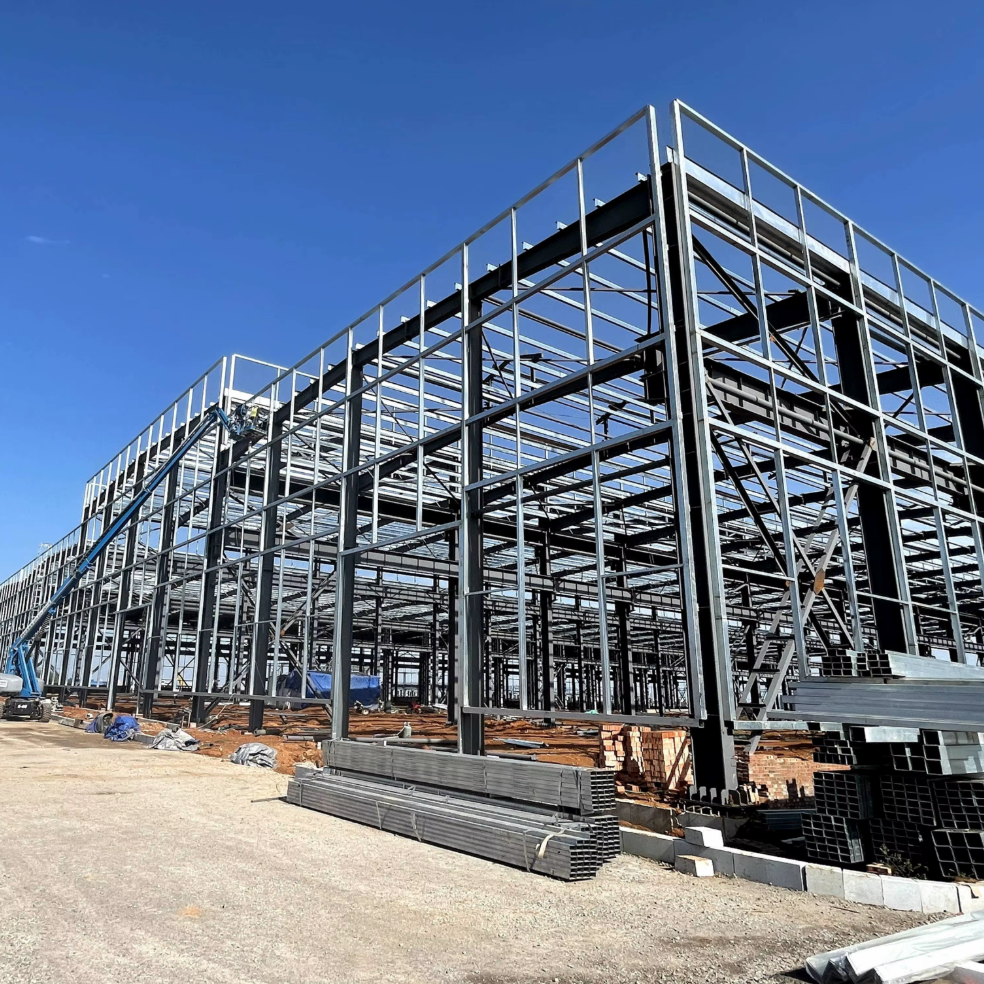
A steel structure workshop consists of steel columns, steel beams, and roof framing systems. These components create a strong and stable structure while keeping the overall weight low. Compared with reinforced concrete buildings, this type of workshop offers better seismic performance and shorter construction time.
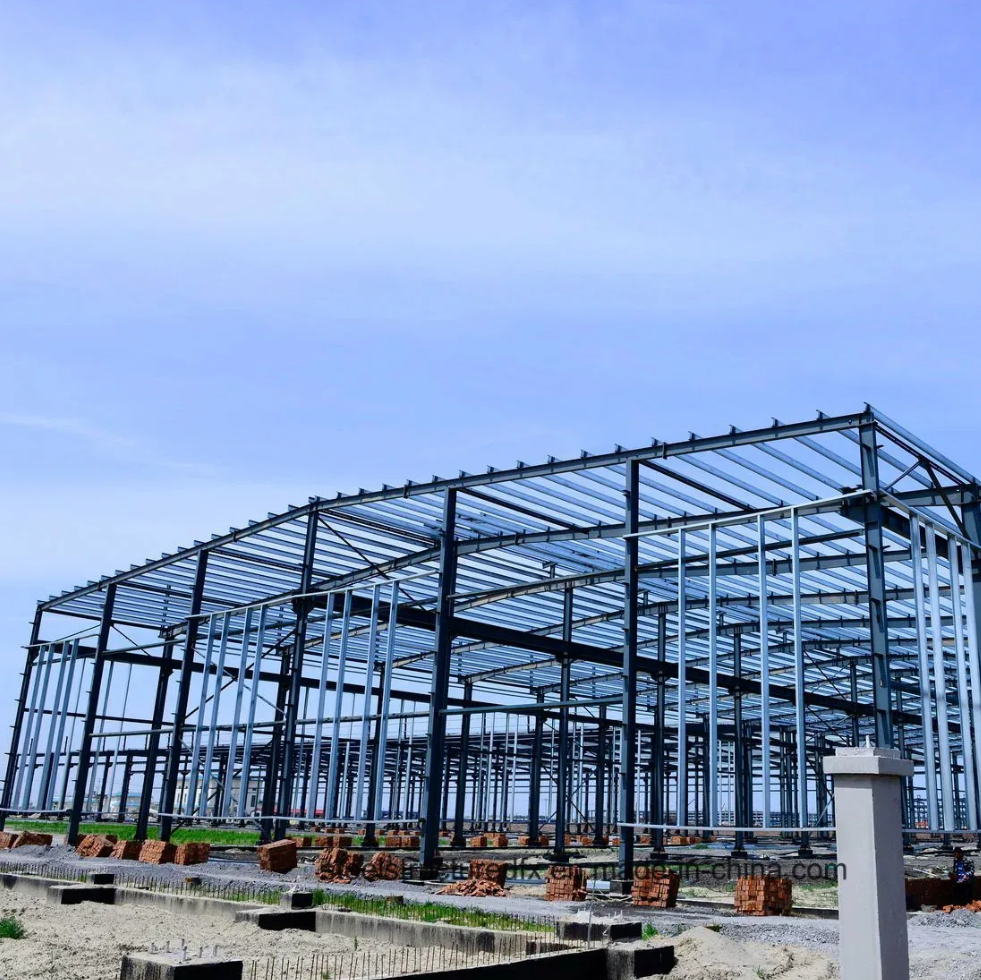
The steel structure workshop can be divided into light and heavy types. The difference does not rely on a single factor. Instead, it depends on several practical indicators. These include steel consumption per square meter, component thickness, and crane capacity.
In general, a workshop is considered heavy steel structure when it uses more than 50 kg of steel per square meter or includes components thicker than 10 mm. Projects that install cranes with lifting capacity above 25 tons also fall into this category.
Span and height also play a role. Buildings with large spans or high eaves often require heavy steel structures. Common examples include petrochemical plants, power stations, stadiums, and exhibition centers.
Material selection for enclosure systems is also important. Many projects use rock wool sandwich panels or cement-based composite panels for walls and roofs. These materials improve thermal insulation and sound control, which helps create a more stable internal environment.
Application Advantages and Practical Considerations
A steel structure workshop offers strong performance in industrial applications. Its lightweight structure reduces foundation load, which helps lower construction costs. Fast installation shortens project schedules and allows earlier operation.
Flexibility is another key advantage. The steel structure workshop can adapt to different layouts and production needs. It supports future expansion without major structural changes, which is valuable for growing businesses.
Thermal and acoustic performance also adds value. When combined with high-quality insulation materials, the workshop can reduce heat transfer and control noise. This improves working conditions and reduces energy consumption.
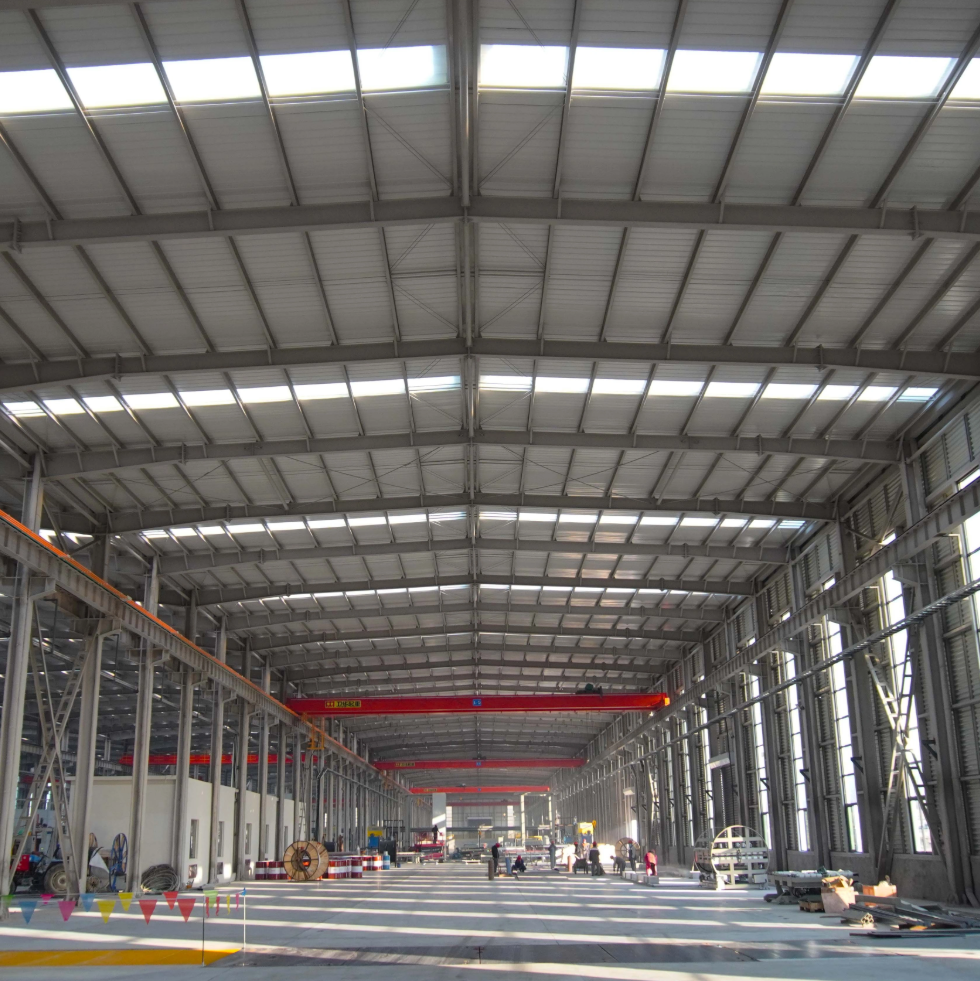
However, quality control is critical. The steel structure workshop requires precise fabrication and professional installation. Welding quality and component accuracy directly affect structural safety. Choosing reliable suppliers and experienced contractors is essential for project success.
Experienced manufacturers can provide better design support and stable product quality. Companies with long-term project experience often understand international standards and can deliver consistent results across different regions.
Post time: Mar-20-2026