

Steel structure projects are procured in two fundamentally different ways — and the gap in outcomes between those two approaches is larger than most buyers expect. The first approach is discrete procurement: sourcing steel fabrication, panel supply, foundation design, and erection separately from different vendors. The second is integrated supply: working with a single resource-coordinated partner who manages the full scope. On paper, discrete procurement looks cheaper. In practice, it rarely is.
Understanding why requires looking at where value actually gets created — and destroyed — in a typical build sequence.
What Discrete Procurement Actually Costs You
The appeal of sourcing separately is straightforward. You compare prices for each component independently and select the lowest. However, steel structure projects involve components that must physically and structurally integrate with each other. When those components come from uncoordinated sources, integration problems emerge on site rather than on paper.
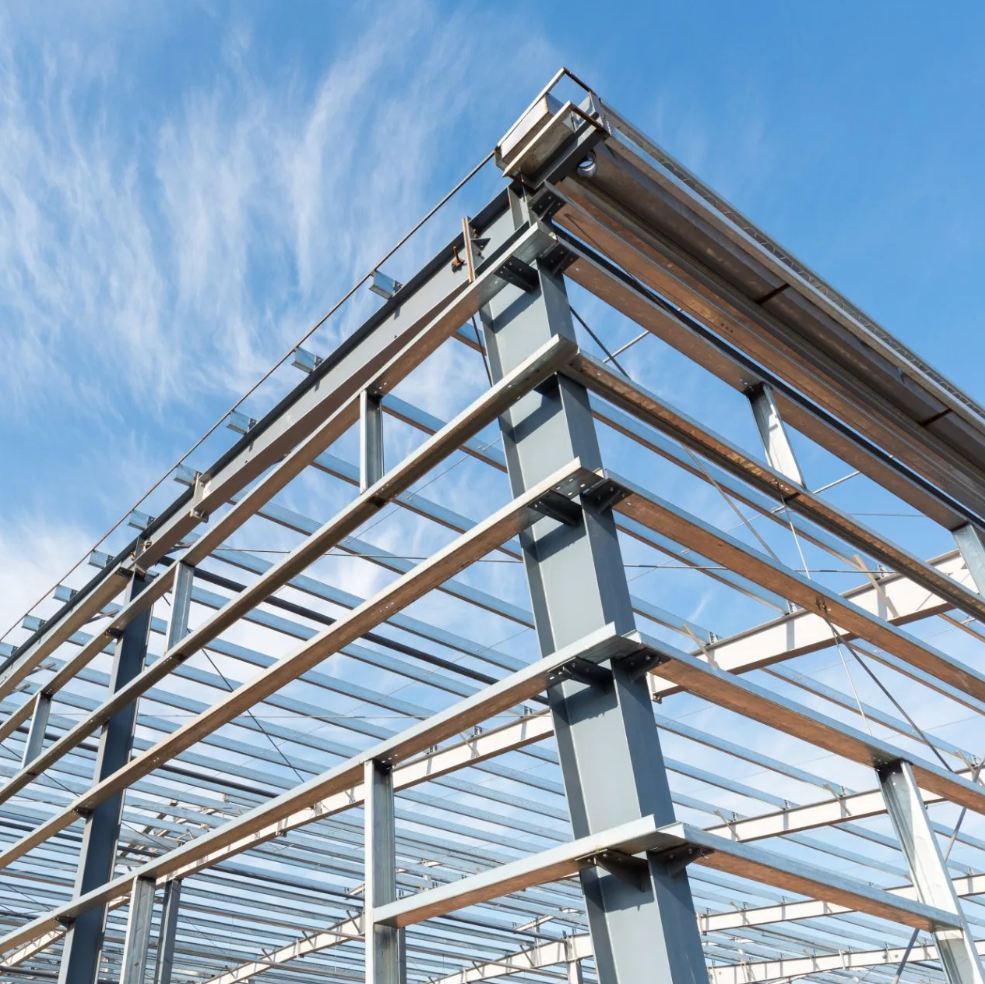
The most common issue is dimensional mismatch. A structural steel frame designed by one party and panels sourced from another frequently produces site-level conflicts — holes in the wrong positions, fixing systems that don’t align, or panel thicknesses that weren’t factored into the structural clearances. Resolving these problems mid-construction costs significantly more than preventing them through coordinated design.
Procurement timing is another casualty of the discrete approach. Steel fabrication lead times, panel production schedules, and site readiness rarely align naturally when managed by separate parties with separate priorities. Consequently, delays compound across the project timeline rather than being absorbed within a managed sequence.
Accountability also fragments. When something goes wrong — and something always does on complex steel structure projects — separately contracted vendors each point outward. Nobody owns the problem end-to-end. The project owner fills that gap with their own time, budget, and stress.
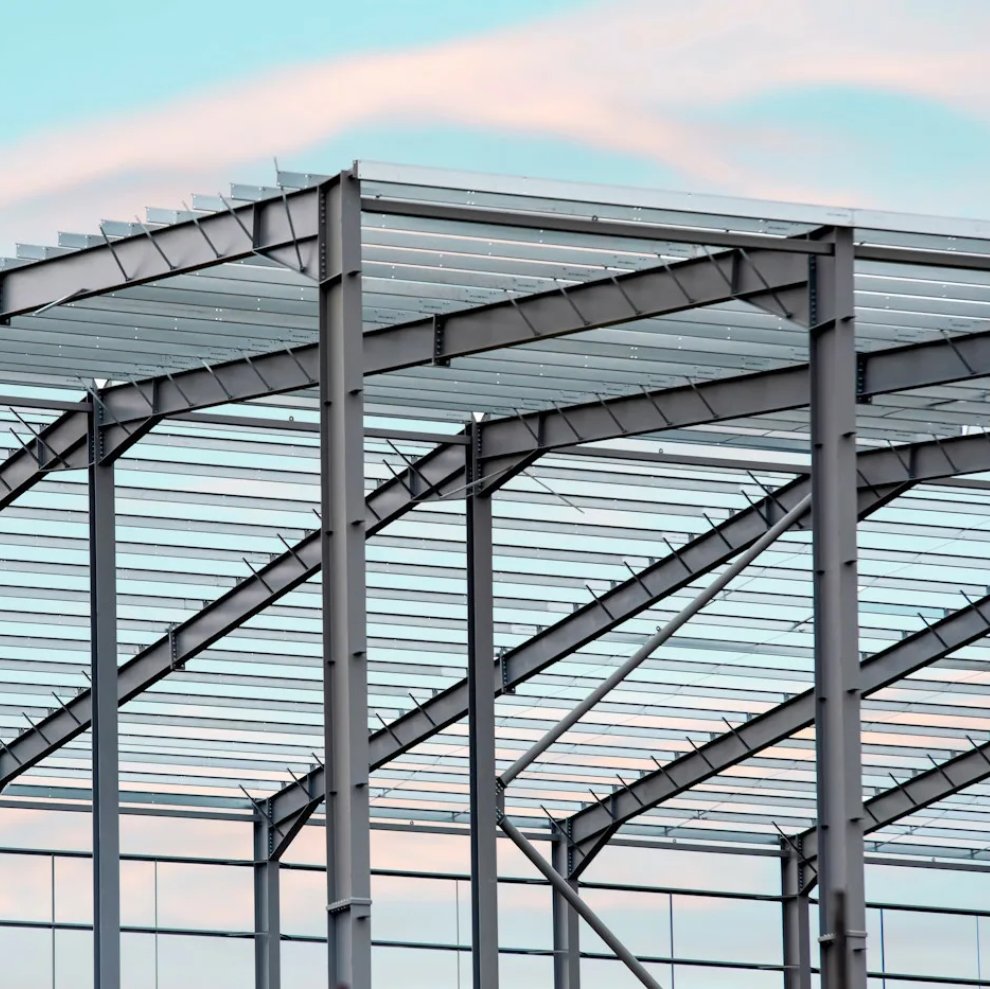
Furthermore, discrete procurement misses technical optimization opportunities. A coordinated design team can reduce steel tonnage, rationalize panel specifications, and streamline connection details in ways that individual vendors working in isolation simply cannot.
What Integration Actually Delivers
Integrated resource management in steel structure projects doesn’t mean paying a premium for convenience. It means consolidating the coordination work — which exists in every project regardless of procurement model — into the supply chain rather than leaving it on the client’s desk.
The value shows up in several concrete ways. First, design coordination happens before fabrication rather than during installation. Structural engineers, panel specifiers, and connection designers work from shared models, which eliminates the dimensional conflicts that plague discretely procured projects.
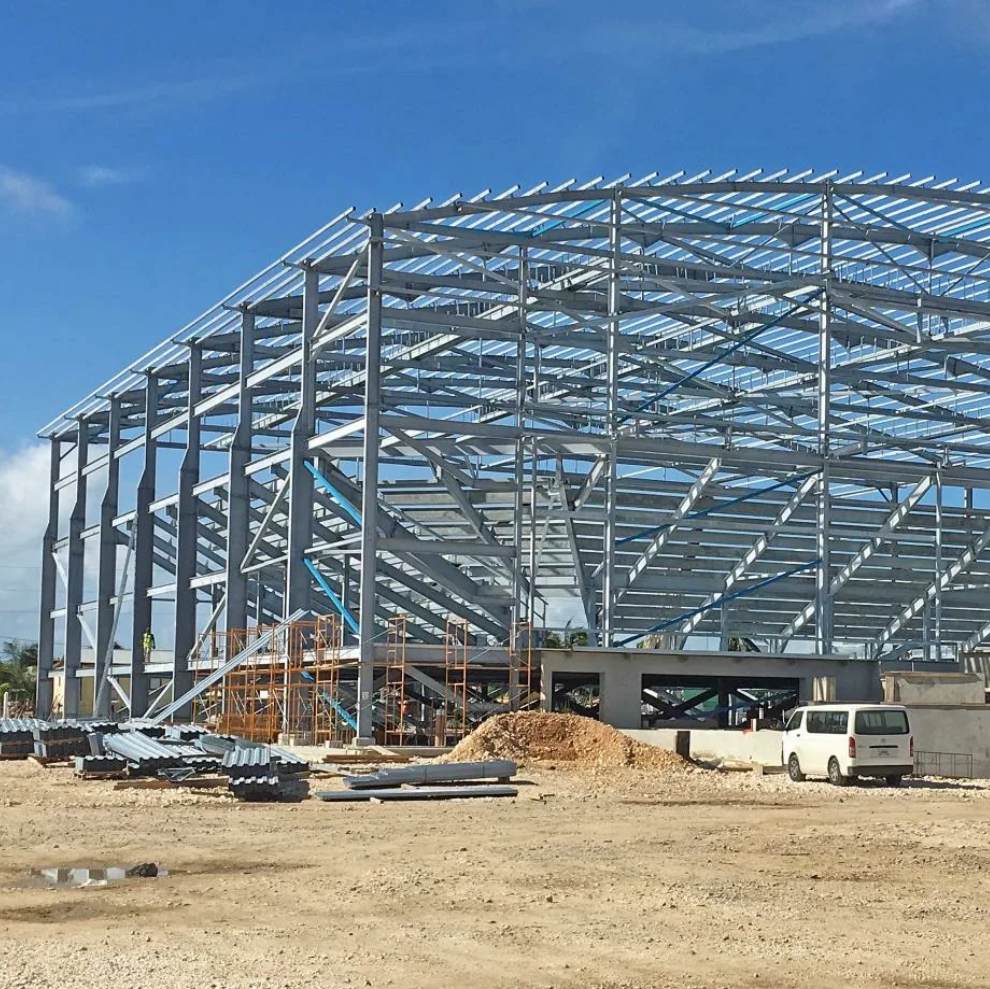
Second, procurement sequencing becomes manageable. When steel, panels, fasteners, and accessories come from a coordinated source, delivery windows align with site progress. Materials arrive when the site is ready for them — not six weeks early sitting in weather, or two weeks late holding up the erection crew.
Third, technical optimization becomes possible. On a recent project, our integrated design and supply process identified a structural revision that reduced total steel tonnage by nearly 15% without changing the building’s performance specification. That outcome requires a team that controls the full scope. It doesn’t happen through separate vendor relationships.
Finally, accountability consolidates. A single point of contact for steel structure projects means one conversation resolves problems rather than three separate ones that each conclude it’s someone else’s responsibility.
If your upcoming project is currently structured around discrete procurement and you’re starting to see the coordination complexity build up, a conversation about integration options is worth having early — before the commitments lock in.
Post time: Apr-24-2026