

A steel structure built near the coast faces challenges that go beyond its initial design loads. Strong winds, heavy rainfall, humid air, and limited local construction resources can all affect how smoothly a project moves forward. Yet these factors do not always receive enough attention during the early planning stage.
In overseas construction, a design that works well on paper may create unexpected difficulties once materials arrive at the site. The key is to consider not only how a building performs after completion, but also how efficiently local teams can assemble and maintain it.
Coastal Conditions Require More Than Basic Structural Strength
Wind exposure is often one of the first concerns in coastal construction. However, the challenge does not simply come from high wind speeds. Building height, roof geometry, surrounding terrain, and the distance from the shoreline all influence wind pressure and its distribution across the structure.
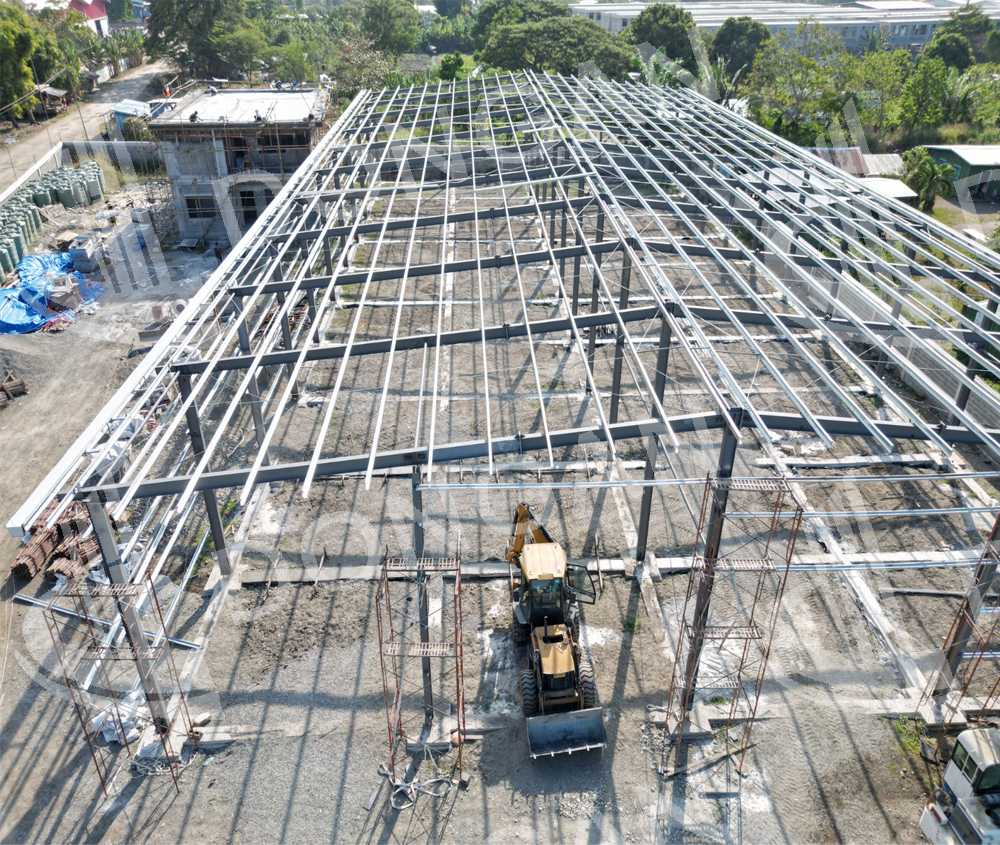
A warehouse or workshop with a large roof area may experience considerable uplift forces. Connections between roof panels, purlins, main frames, and foundations must work together to resist these forces. If the design focuses only on the main columns and beams, weaker connection points may become a problem during severe weather.
Rainfall creates another concern. In tropical coastal regions, repeated heavy rain can put pressure on drainage systems and expose joints to prolonged water contact. Roof slopes, gutters, flashing details, and wall connections all deserve attention. Water accumulation around foundations can also affect ground conditions and long-term stability.
The Solomon Islands provide a useful example. Located in the western Pacific, the country experiences high humidity and abundant rainfall throughout the year. Annual rainfall commonly reaches 3,000–5,000 mm, while seasonal winds and tropical weather systems create additional exposure. These conditions make coastal buildings particularly sensitive to structural and environmental factors.
Corrosion Protection Starts During Design
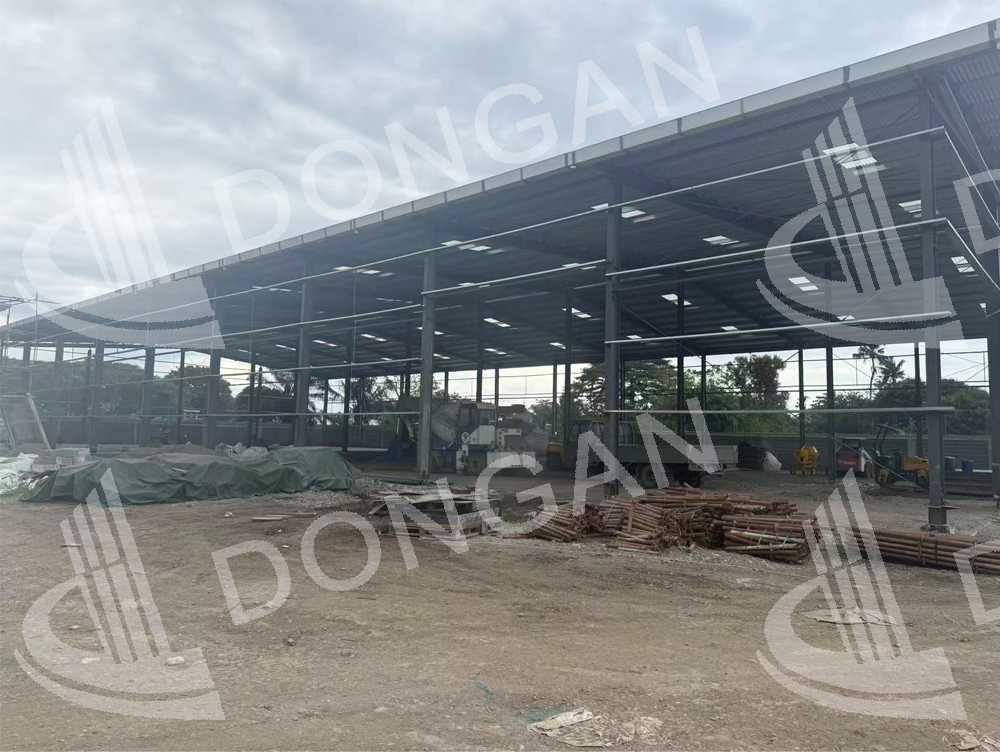
Salt-laden air and persistent moisture can gradually damage exposed steel surfaces. The problem often develops over time rather than appearing immediately after installation.
For coastal projects, corrosion protection should therefore influence material selection, detailing, fabrication, and maintenance planning. Simply applying a protective coating does not address every potential weakness.
Designers should pay attention to areas where water can collect, including connection plates, overlapping components, roof edges, and enclosed sections. Poor drainage or inaccessible gaps can create conditions that accelerate corrosion. Details that allow water to escape and surfaces that remain accessible for inspection can make a meaningful difference.
The required protection level also depends on the actual site. A building directly exposed to sea spray may face different conditions from one located several kilometers inland. Local exposure, prevailing winds, maintenance access, and the intended service life should all inform the protection strategy.
This approach matters because corrosion-related repairs can become expensive once a warehouse or workshop enters operation. Replacing damaged components in an active facility may interrupt storage, production, or logistics activities. Addressing vulnerable details before fabrication usually creates fewer complications than correcting them later.
Installation Conditions Can Change the Design Decision
Another issue that deserves attention is the availability of skilled labor. Many overseas projects take place in locations where experienced steel installers are limited or expensive to hire. Transportation, accommodation, and equipment availability can further increase installation costs.
Under these circumstances, a design that requires extensive on-site welding may create unnecessary pressure. Welding quality depends on worker experience, suitable equipment, working conditions, and weather. Rain and strong winds can also make certain outdoor operations difficult.
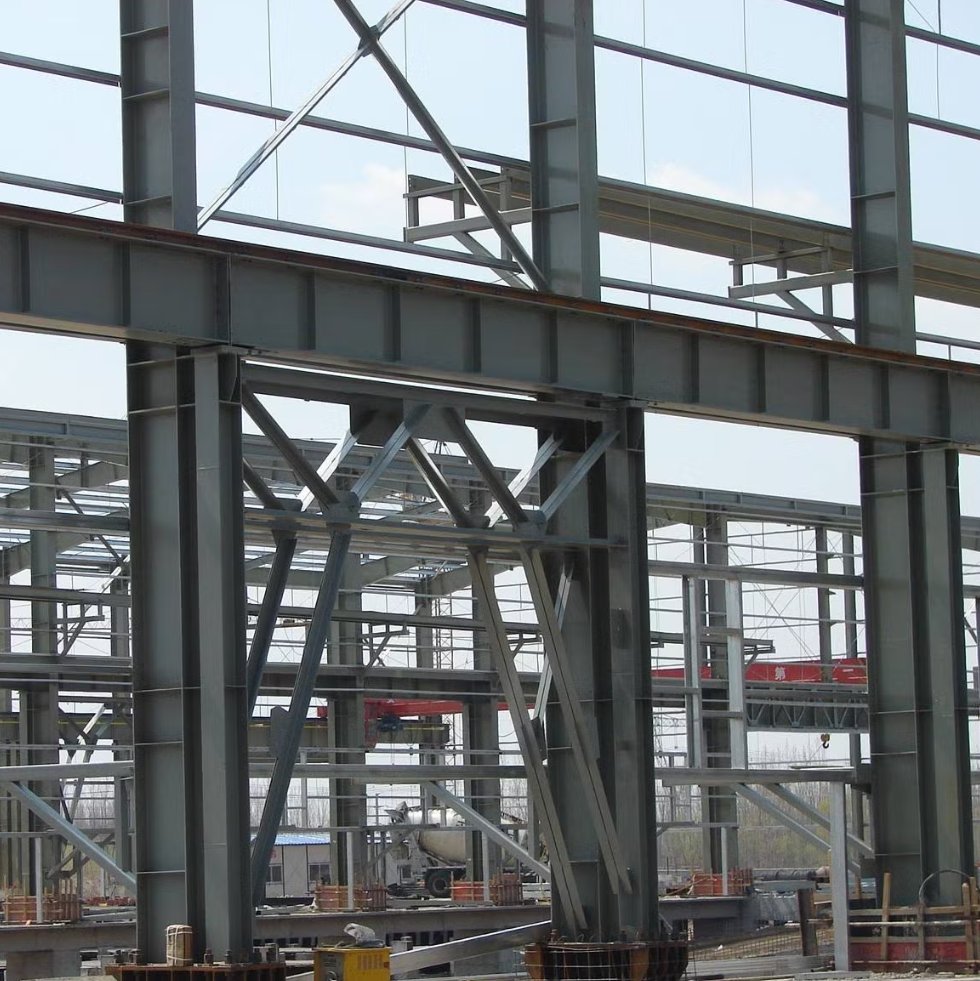
Bolted connections offer a practical alternative for many structural components. They allow installation teams to assemble prefabricated members through predefined connection points. This reduces the amount of site welding and makes installation less dependent on specialized labor.
However, bolted connections require accurate fabrication and careful coordination. Hole positions, connection plates, member dimensions, and bolt specifications must match the approved drawings. Poor dimensional control can turn a seemingly simple assembly process into a series of adjustments on site.
For this reason, installation efficiency should influence decisions long before materials leave the factory. A design that simplifies assembly can reduce labor requirements, shorten installation time, and limit exposure to unpredictable weather.
The Solomon Islands Warehouse: Putting These Decisions into Practice
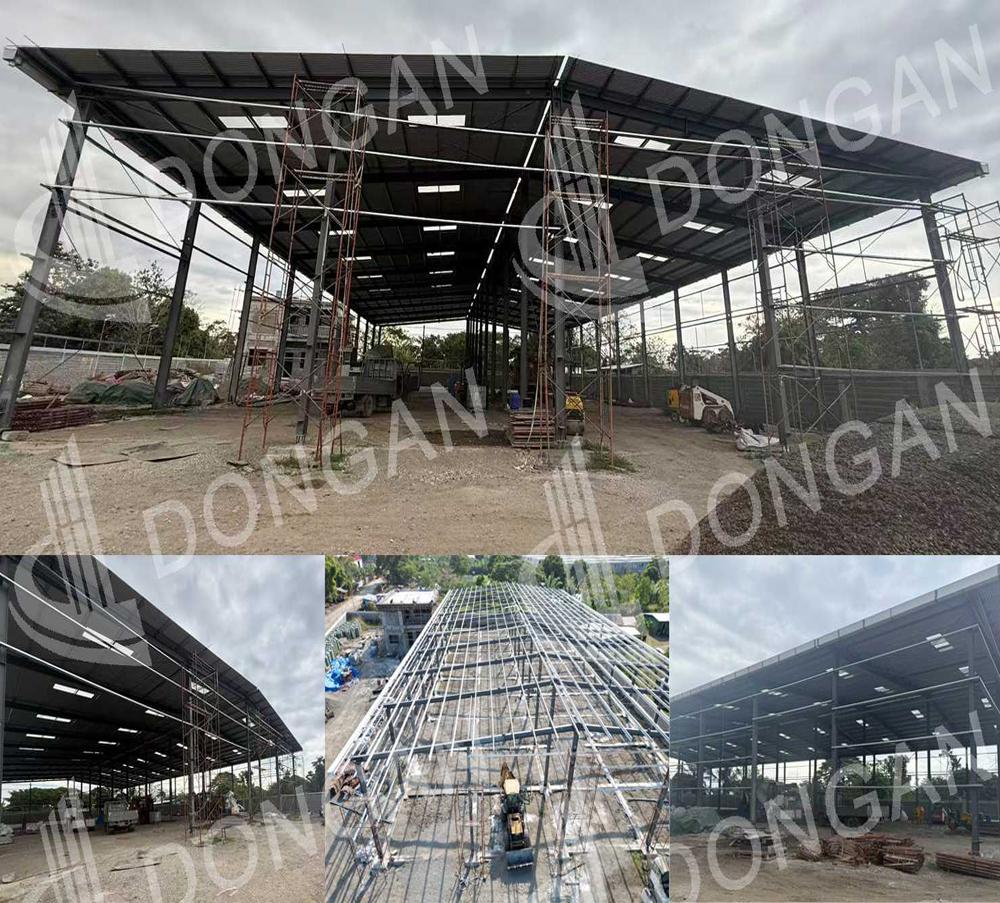
DongAn’s Solomon Islands warehouse project illustrates how these considerations can shape an overseas construction solution.
Given the local environment, the project required more attention to structural strength and corrosion resistance than a typical inland building. The design team deliberately enhanced these aspects to account for wind exposure, persistent moisture, and the long-term effects of coastal conditions.
At the same time, the project faced practical installation constraints. Skilled local workers were relatively scarce, and labor costs were high. Relying heavily on complicated on-site welding would have increased both installation pressure and schedule uncertainty.
Instead, the design and optimization stages incorporated extensive bolted connections. This approach reduced dependence on specialized installation skills and lowered the impact of unfavorable weather on assembly work. It also allowed the construction team to complete more operations through straightforward mechanical connections.
Fabrication accuracy played an equally important role. Advanced production equipment helped control dimensional deviations to the millimeter level. As a result, components could match their intended connection positions more consistently, reducing the need for adjustments during installation.
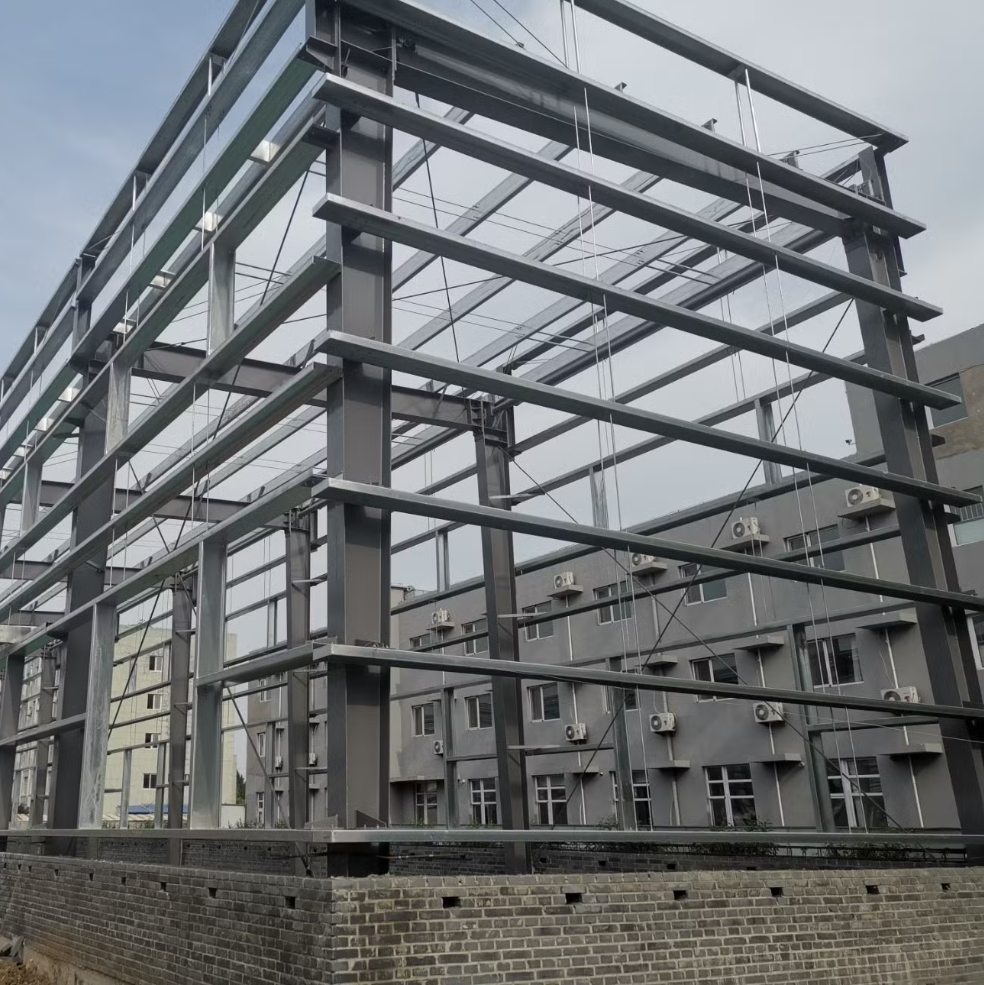
These decisions addressed several project risks together. Stronger structural provisions considered the local environment, corrosion protection supported long-term durability, and bolted connections simplified site assembly. Accurate fabrication then helped turn the design into a more predictable construction process.
Conclusion: Consider the Whole Project, Not Just the Building
Coastal construction requires decisions that connect structural performance with local working conditions. Wind resistance and corrosion protection matter, but so do installation methods, labor availability, fabrication accuracy, and future maintenance.
The Solomon Islands project demonstrates why these factors deserve attention during early design coordination. A well-planned building should not only withstand its environment. It should also be practical to manufacture, transport, assemble, and maintain under the conditions of its actual location.
Post time: Nov-26-2026