

With advantages that include high strength, excellent toughness, and industrialized construction, steel structure buildings now support full-scenario applications across industrial, transportation, energy, municipal, and residential fields. These structures deliver efficient load transfer, flexible layouts, and fast project delivery, which makes steel a core material in modern engineering and sustainable development.
Steel Structure Buildings in Industrial Construction
Power Plant Main Buildings and Boiler Houses
The main building of a power plant must carry heavy equipment such as steam turbines and generators, each weighing more than 300 tons. Designers use steel frame support systems with column grids up to 12 m × 12 m, which allows flexible and efficient equipment arrangement.
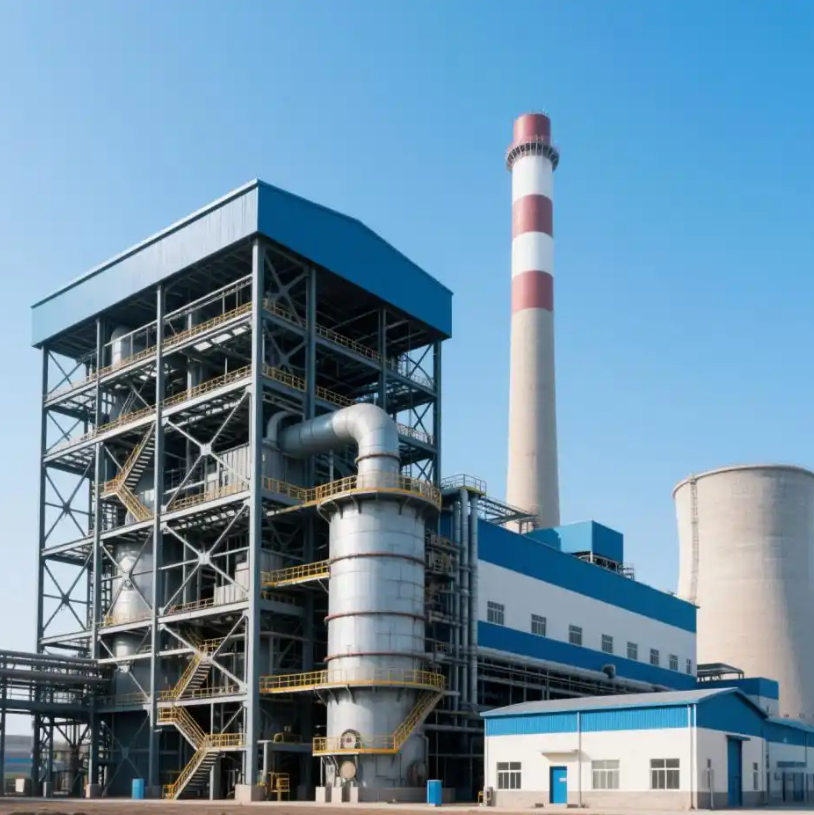
Boiler houses operate under extreme temperatures, with furnace temperatures exceeding 1200°C. Steel components require thick fireproof coatings to achieve a fire resistance rating of up to three hours. When combined with insulation layers such as rock wool sandwich panels, surface temperatures can stay below 150°C.
To meet international fire safety regulations, components made from Q345B steel achieve fire resistance longer than two hours and retain more than 95% of their structural strength at 150°C.
During power plant main building design, engineers often adopt a steel truss combined with composite floor slabs. This system enables coal bunkers with spans up to 70 m. Steel consumption remains around 120 kg per square meter, which reduces structural weight by about 40% compared with concrete and improves seismic performance.
Steel Mills and Locomotive Plants
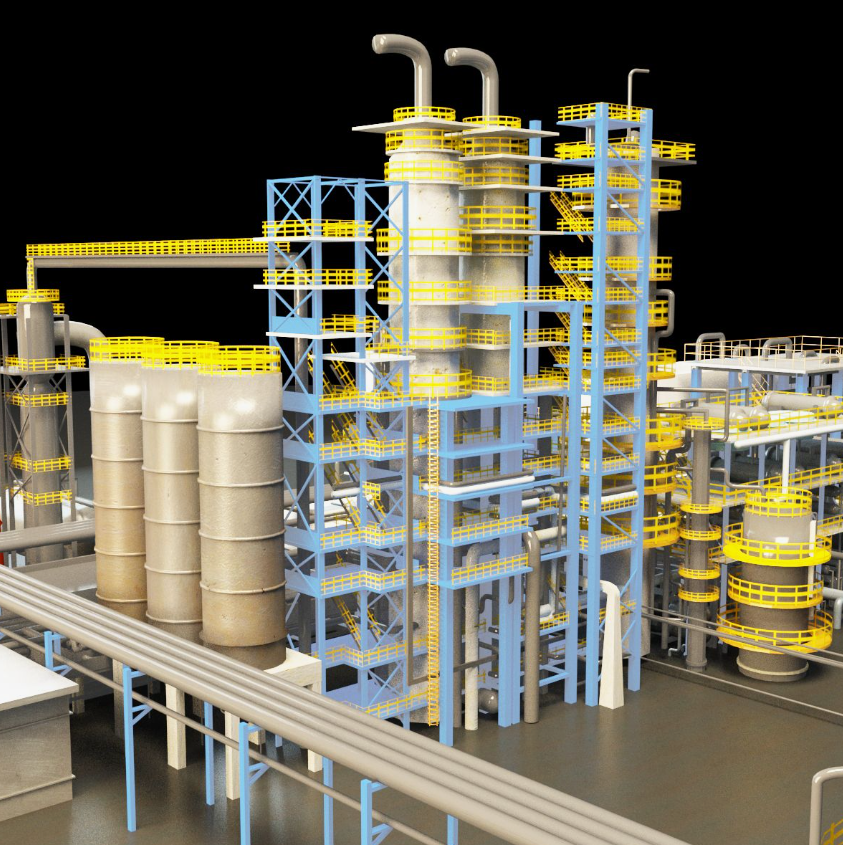
Rolling mill workshops in steel plants must withstand crane loads up to 200 tons. Designers usually select box columns combined with welded H-shaped steel beams, while stiffening ribs at joint zones improve shear resistance.
Locomotive assembly workshops often require clear spans exceeding 30 m to install suspended crane systems. A steel space grid roof with a thickness of about 3 m can easily create a column-free interior.
Steel components in these projects commonly receive hot-dip galvanizing with coating thickness above 85 μm. This treatment meets corrosion protection requirements in acidic environments where SO₂ concentration stays below 50 mg/m³ and supports a service life of more than 50 years.
Steel Structure Buildings in Transportation Engineering
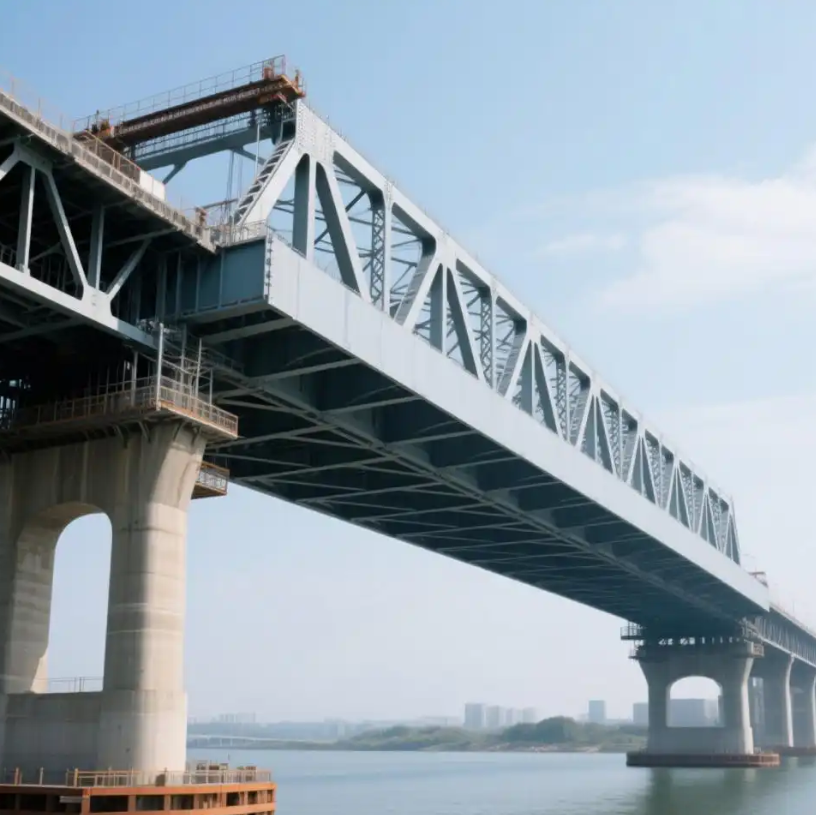
Beam bridge projects with spans under 50 m widely use H-shaped steel box girders. Factories prefabricate these girders in sections, transport them to site, and connect them through bolting and welding. This method shortens construction time by about 60% compared with concrete bridges.
Continuous girder bridges with spans from 50 m to 150 m often use variable-section steel box girders. During erection, engineers apply the cantilever construction method, which allows construction without temporary supports.
Truss bridge projects rely on standardized modular components with a single-truss load capacity of 45 tons. Crews assemble these bridges quickly, which makes them suitable for emergency bridge construction.
Fatigue-sensitive zones such as welded joints require high-toughness steel grades like Q370qE. Designers typically limit stress amplitude in these areas to below 100 MPa to ensure long-term durability.
Steel Structure Buildings in Energy Engineering
Wind Power and Photovoltaic Support Systems
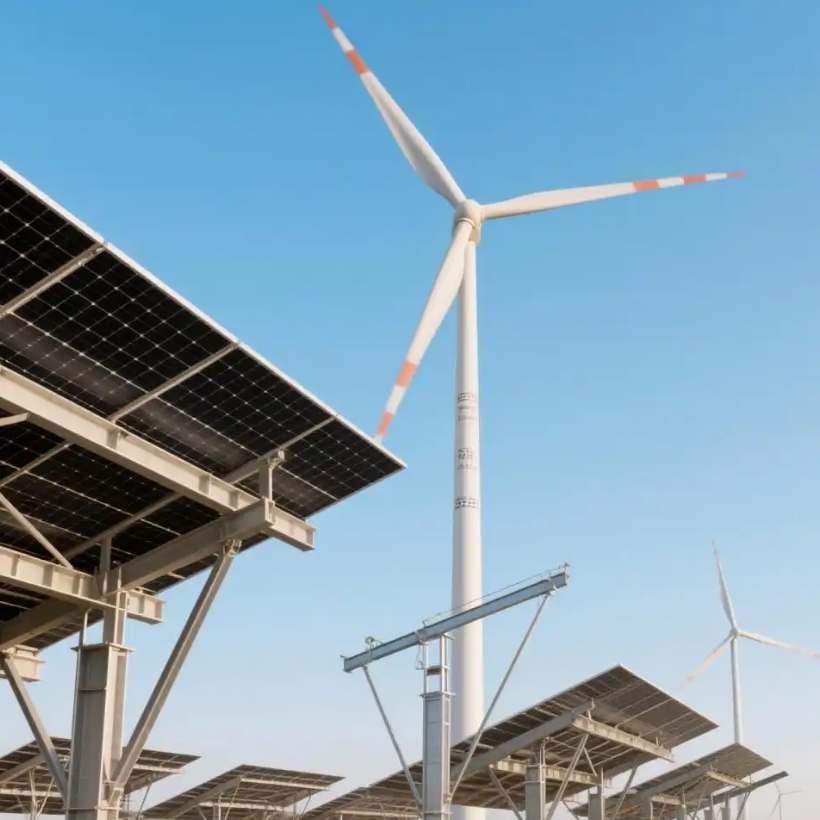
Wind turbine towers usually reach heights between 80 m and 140 m. These towers use steel pipes made from Q345D steel, with wall thickness ranging from 16 mm to 40 mm, connected through spiral welds. The base flange of a tower can carry loads exceeding 5000 kN.
Flexible photovoltaic support systems with spans from 100 m to 300 m use a combination of steel cables and truss structures. Steel consumption stays at about 8 tons per megawatt, which saves around 30% of land area compared with concrete systems and suits mountainous terrain well.
Mobile Offshore Platforms
Mobile offshore drilling platforms commonly use jacket-type steel frame structures. Nodes use cast steel hollow spheres with diameters around 1.2 m. The steel must meet NACE MR0175 corrosion resistance standards to perform reliably in salt spray environments.
Steel Structure Buildings in Residential and Temporary Construction
Steel Residential Buildings and Prefabricated Housing
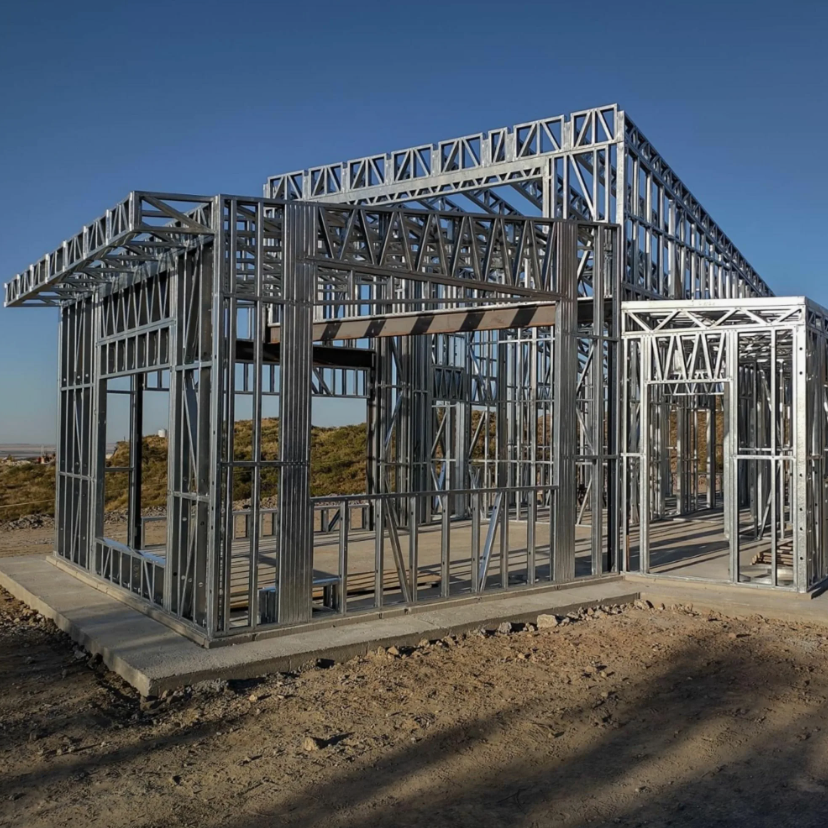
Low-rise residential buildings with one to three floors often use cold-formed thin-walled steel systems with wall thickness between 1.5 mm and 3 mm. Wall self-weight remains around 0.3 kN per square meter, while seismic resistance reaches intensity level 8.
High-rise residential projects with more than ten floors typically adopt a steel frame–core tube structure. This system reduces column cross-sections by about 30% and increases usable floor area by roughly 8% compared with concrete buildings.
Temporary Housing and Demountable Structures
Container houses based on 3 m × 6 m modules use a combination of steel frames and color-coated steel panels. Each unit weighs about 2.5 tons and allows rapid assembly. During the COVID-19 period, many temporary hospitals adopted this construction model.
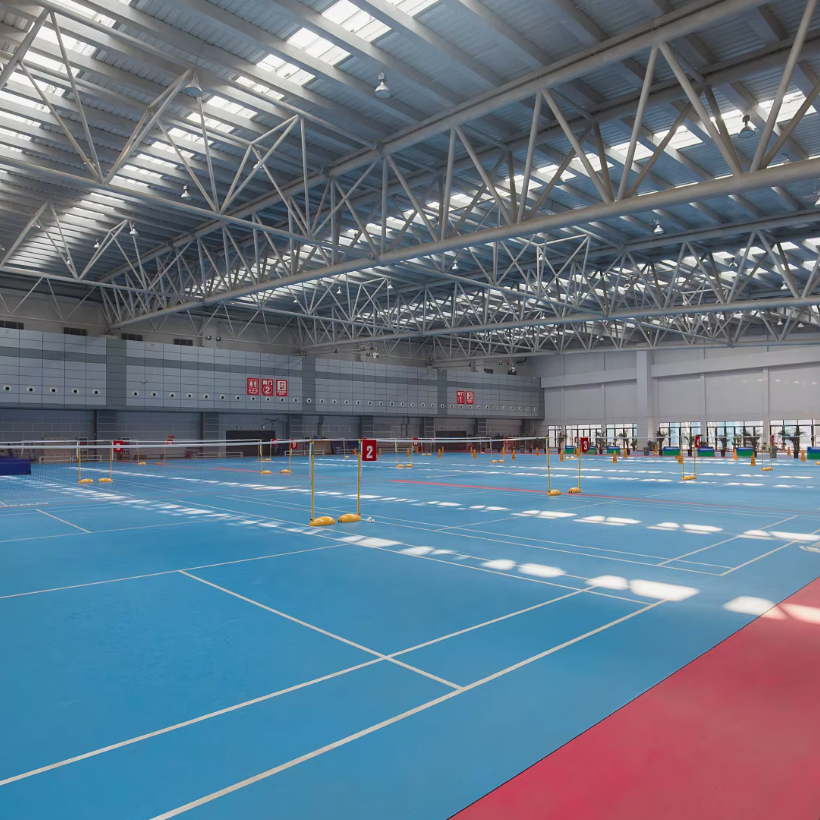
Exhibition halls often use demountable steel truss systems with bolted-sphere joints. These structures offer high economic efficiency and achieve reuse rates of up to 90%, which makes them ideal for repeated deployment across multiple events.
Post time: Feb-26-2026