

Steel frame buildings play a vital role in modern architecture. Developers increasingly choose steel for commercial, industrial, and large-scale residential buildings. The global steel-frame structure market reached USD 93.2 billion in 2023. Analysts forecast growth to USD 145.1 billion by 2032, at an annual growth rate of about 5.04%. This growth signals strong demand for steel-based construction.
Application Of Steel Frame Buildings
Steel frame buildings suit diverse applications. Architects design high-rise offices, warehouses, manufacturing plants, shopping centers, and multi-story residential projects with steel skeletons. Many new commercial buildings rely on steel frames for structural integrity and open floor plans. One industry summary states that nearly 95% of new commercial construction uses steel framing. Steel’s strength and light weight let structural engineers span long distances with fewer columns. This feature creates large open interiors and flexible space layouts, ideal for offices, retail, and industrial facilities.
Advantages Of Steel Frame Buildings
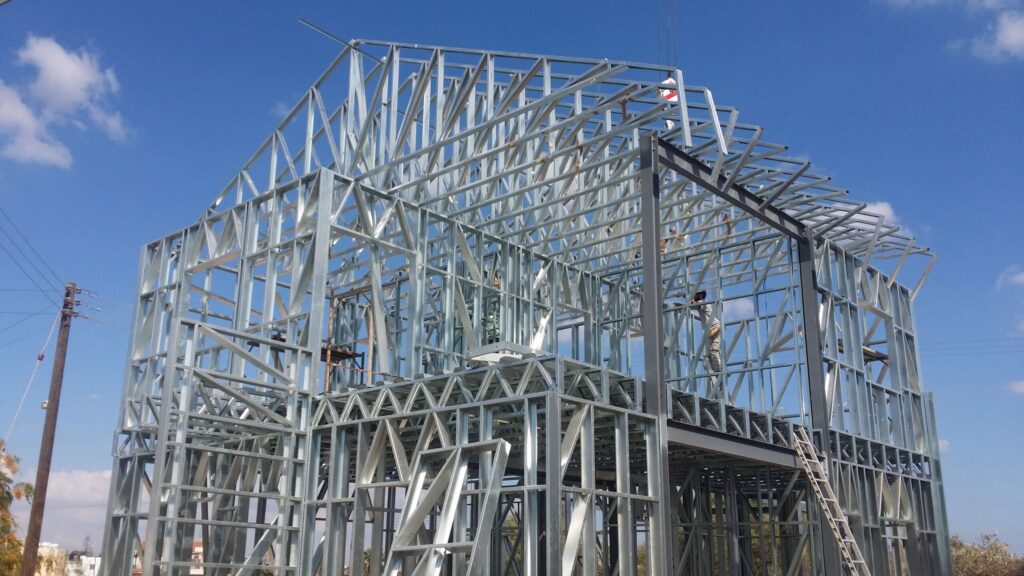
Steel delivers clear structural advantages. Its strength-to-weight ratio surpasses concrete or timber. Engineers typically need 100–120 kilograms of steel per square meter for a steel-frame building. Such buildings produce about 480 kilograms CO₂ equivalent per square meter in embodied carbon. By contrast, equivalent concrete-frame buildings generate around 740.6 kg CO₂e per square meter. That equates to roughly 35% lower carbon emissions for steel-framed structures. Steel handles both tensile and compressive loads. It resists bending, shrinkage, and long-term creep. These properties ensure stability under heavy load, seismic stress, or structural movement. Many steel buildings last well beyond 50 years with proper maintenance.
Construction Advantages Of Steel Frame Buildings
Construction speed represents another critical benefit. Builders commonly prefabricate steel components—beams, columns, floor and wall panels—inside controlled factory settings. They deliver modules to the site ready for rapid assembly. This prefabrication can cut overall project timelines by 30–40% compared to traditional concrete methods. In some cases, builders finish erection 34% faster than concrete alternatives. Faster timelines reduce labor costs and speed up occupancy. They also minimize on-site waste and reduce exposure to weather delays. Prefabrication shrinks construction waste by roughly 70% compared to wood-based framing.
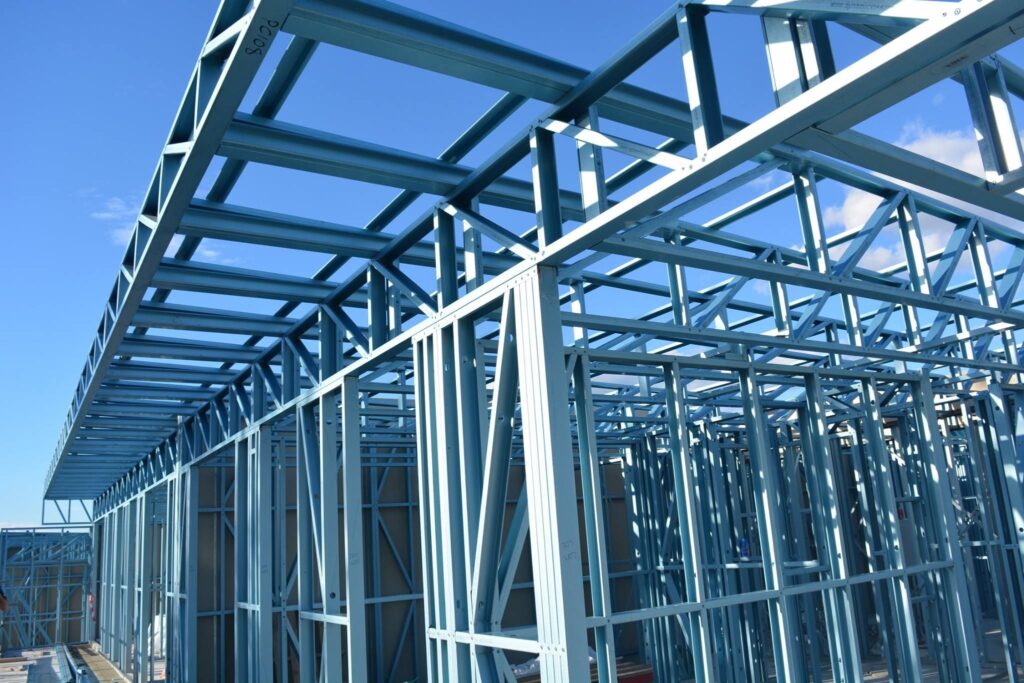
Steel frames also support flexible and adaptable building design. Structural steel lets architects create large, column-free spaces. They can design open floor plans and easily modify them later. Developers may expand vertically or horizontally by bolting on new steel modules or floors. Modular steel designs enable faster renovations and reuse of existing structures. Because of standardization, adaptation or expansion often takes less time than altering concrete buildings.
Greener And More Economical Buildings
Steel frame buildings also align well with sustainability and circular economy goals. Most structural steel contains about 92–93% recycled content. After a building’s demolition, structural steel frames typically recycle at a rate of 98%. Engineers can reuse steel beams and columns in new construction without strength loss. That contrasts sharply with concrete and timber, which usually end up as landfill waste. This recyclability significantly lowers environmental impact across a building’s lifecycle. The lower embodied carbon and high recyclability make steel framing a top choice for sustainable and “green” building designs.
Disadvantages Of Steel Frame Buildings
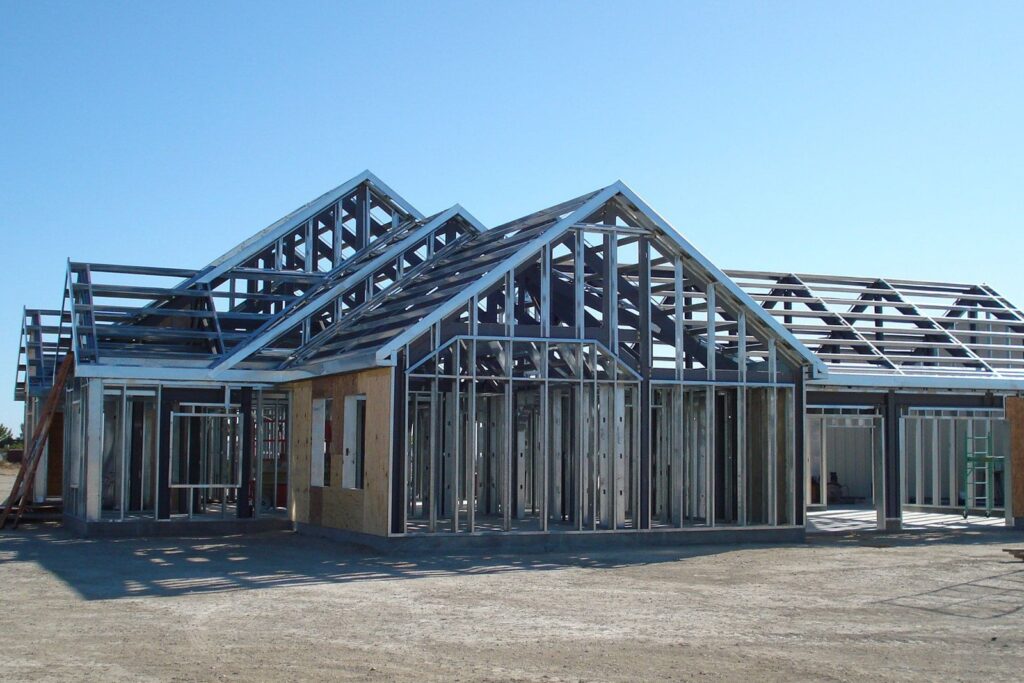
Despite all advantages, designers must address challenges when using steel frames. Steel shows high thermal conductivity. Without good thermal insulation and energy-efficient envelopes, buildings may lose heat easily. Construction teams must deploy adequate insulation, vapor barriers, and thermal breaks to enhance energy performance.
Also, steel frame buildings have higher requirements for the knowledge and technology of the construction team. Steel may cost 20–30% more than standard concrete or brick for residential buildings in some regions. Skilled labor for steel design and construction may present another barrier in markets with limited steel-building experience.
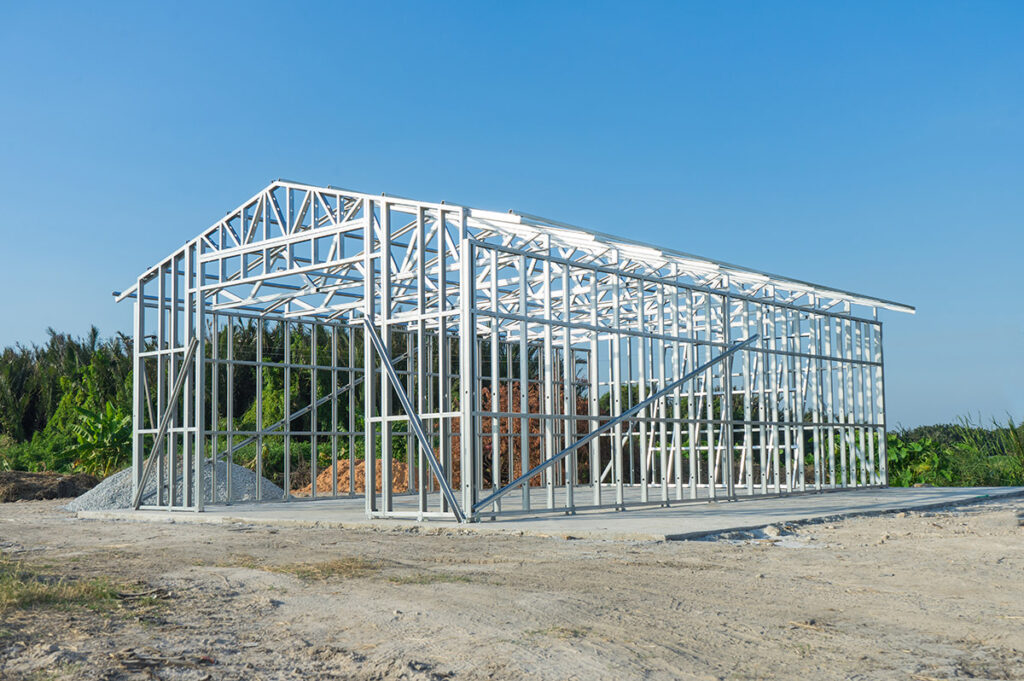
Finally, designers must carefully manage fireproofing and corrosion protection to preserve longevity under adverse climates or heavy use. Steel materials are prone to rust.Therefore, the anticorrosive treatment of steel components and the anti-rust protection during design are very necessary.
Quality Manufacturer Matter
The disadvantages of steel frame building require builders to choose high-quality steel structural components. On the one hand, powerful and experienced component manufacturers can guarantee the quality of anti-rust coatings and anti-rust spray paints, and effectively inspect the service life of components. On the other hand, high-quality manufacturers pay more attention to the machining accuracy of components. It can reduce the errors in the length, thickness, and position of the mounting holes of the components, and ensure that the components can be installed together accurately as in the design drawing. This can not only save time, but also ensure the quality of the project.
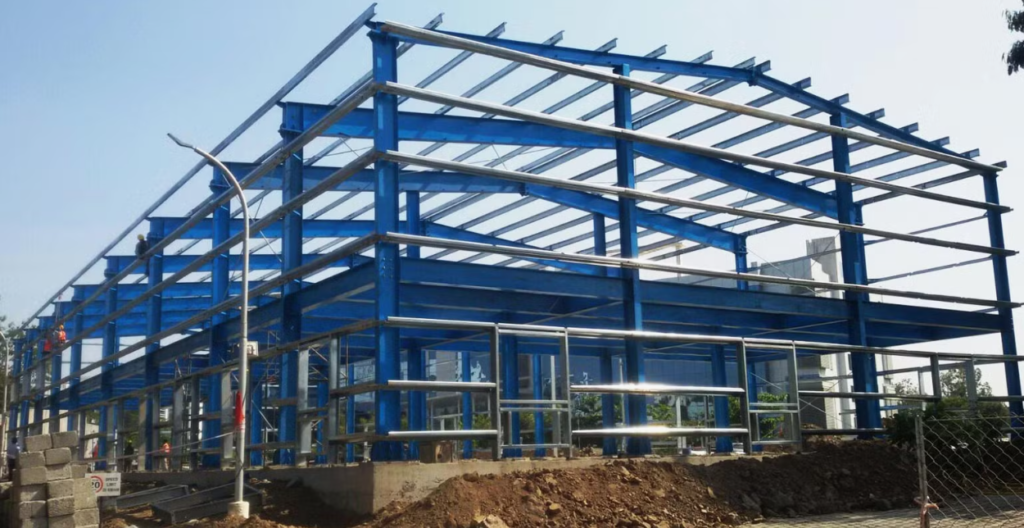
Harbin Dong`an Building Sheets Co.,Ltd is leading manufacturer of steel structure projects in China. The company has an experienced team of designers, which can meet the needs of customers and avoid possible problems. The factory has advanced production equipment such as laser cutting machines and 3D CNC drills. It can minimize processing errors and ensure the accurate installation of accessories. A strong and professional sales team can provide you with customized trade solutions to ensure that the goods you purchase can arrive at their destination on time and smoothly.
Post time: Dec-11-2025