

Steel buildings have become a dominant choice in modern urban, industrial, and commercial construction. With accelerating urbanization, tighter project schedules, and higher performance expectations, traditional concrete buildings often struggle to meet current demands. Steel buildings respond to these challenges by combining high structural strength, construction efficiency, design flexibility, and strong environmental performance. As a result, they are widely applied in residential towers, office buildings, commercial centers, and mixed-use developments across global markets.
Structural Strength and Structural Stability of Steel Buildings
The most fundamental advantage of steel structure buildings is their outstanding structural strength. Structural steel offers a very high strength-to-weight ratio, which allows buildings to support large loads while keeping the overall self-weight relatively low. Compared with reinforced concrete, steel members can achieve the same load-bearing capacity using smaller cross-sections. This characteristic not only improves structural efficiency but also increases usable indoor space.
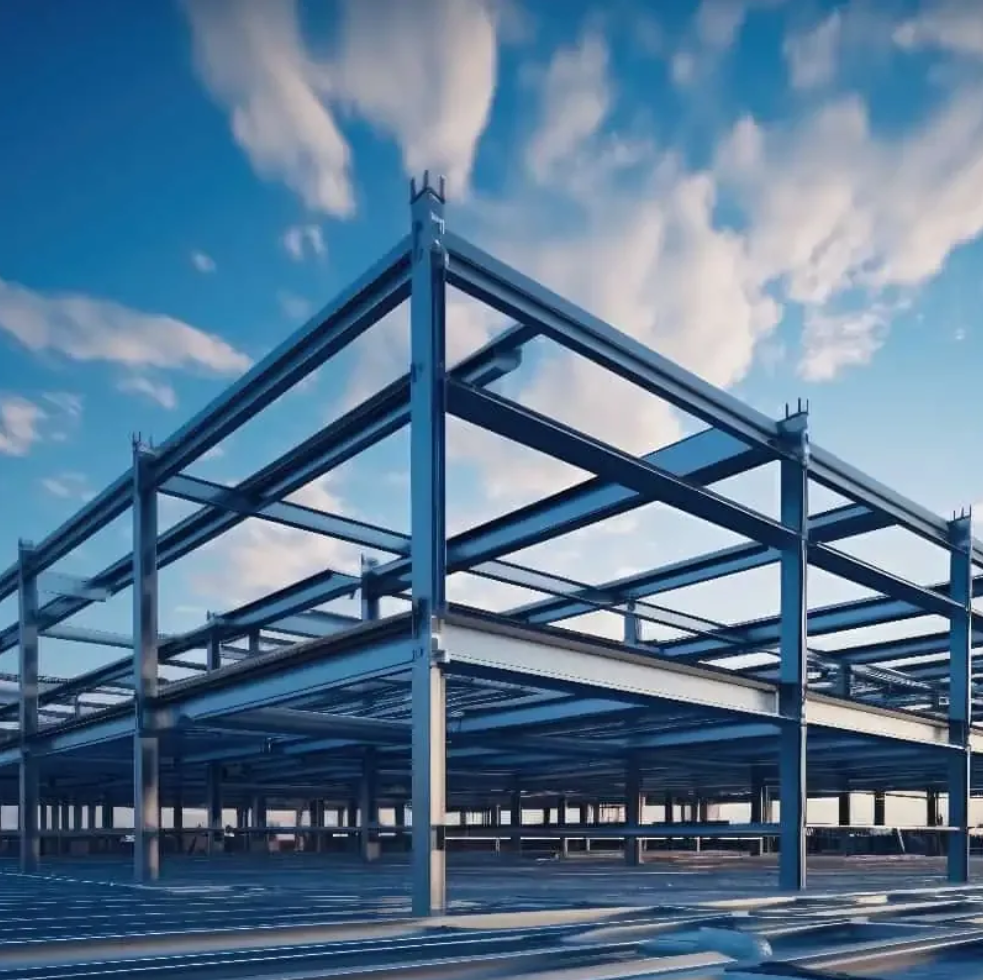
Steel structures also perform well under complex loading conditions. They can effectively resist vertical loads, wind forces, and seismic actions. In earthquake-prone regions, steel buildings are valued for their ductility. Instead of brittle failure, steel components can undergo controlled deformation and absorb seismic energy, which significantly reduces structural damage and enhances occupant safety. In addition, steel components are produced under standardized factory conditions. This controlled process ensures consistent material quality, accurate dimensions, and reliable mechanical properties, which together contribute to long-term structural stability.
Short Construction Cycle and High Efficiency of Steel Buildings
Another key benefit of steel buildings is their short construction cycle. Most steel components are prefabricated in factories and then delivered to the construction site for assembly. On-site operations focus mainly on lifting, bolting, and welding, which simplifies construction procedures. This approach reduces dependence on weather conditions and minimizes delays caused by curing time, which is common in concrete construction.
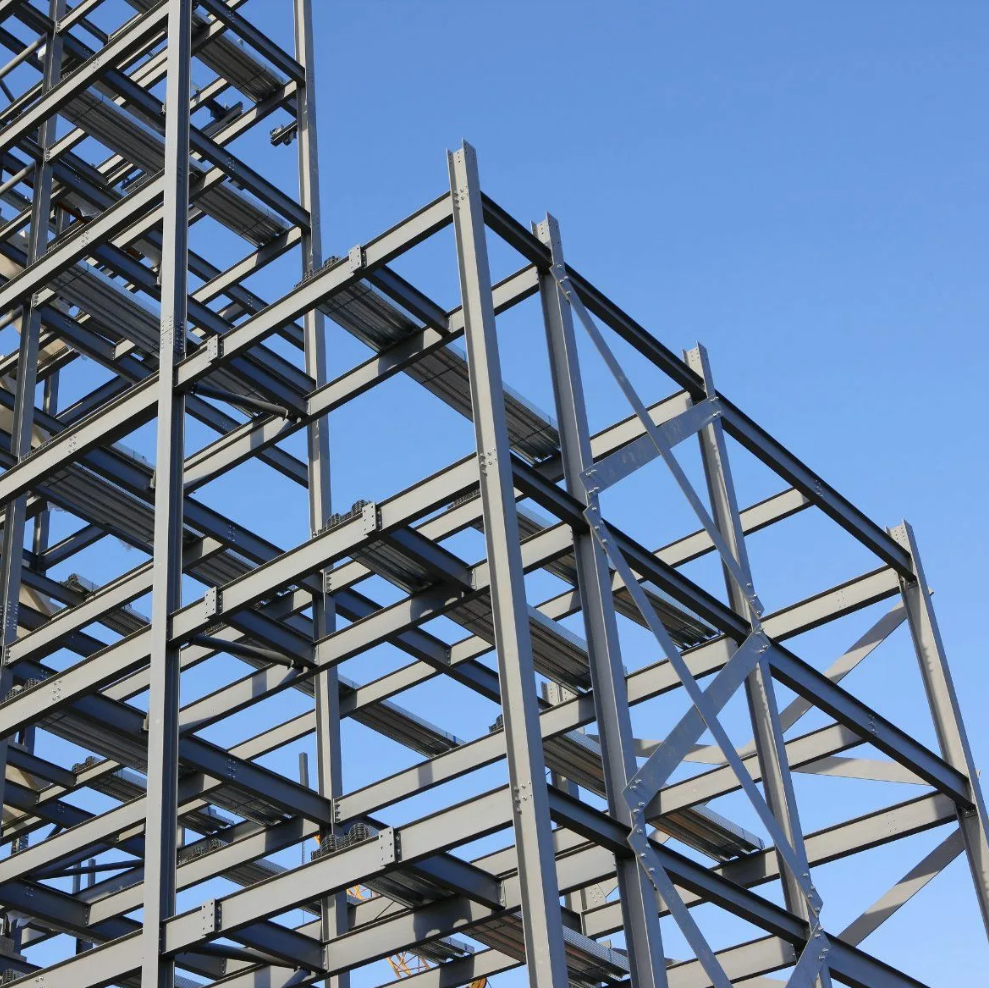
In practical projects, steel structure buildings can shorten overall construction time by approximately 20% to 40%. Faster project delivery allows developers to start operation or sales earlier, improving cash flow and investment returns. Reduced on-site labor demand also helps address labor shortages and lowers management complexity. These efficiency advantages are especially important for large-scale commercial and industrial projects with strict schedules.
Flexible Layout and Adaptable Design of Steel Buildings
Steel buildings provide exceptional layout flexibility. Steel frames can achieve large spans and open spaces with fewer interior columns. This design freedom supports open-plan offices, commercial halls, and multifunctional spaces. Interior layouts can be adjusted or reconfigured according to changing functional requirements without altering the main structural system.
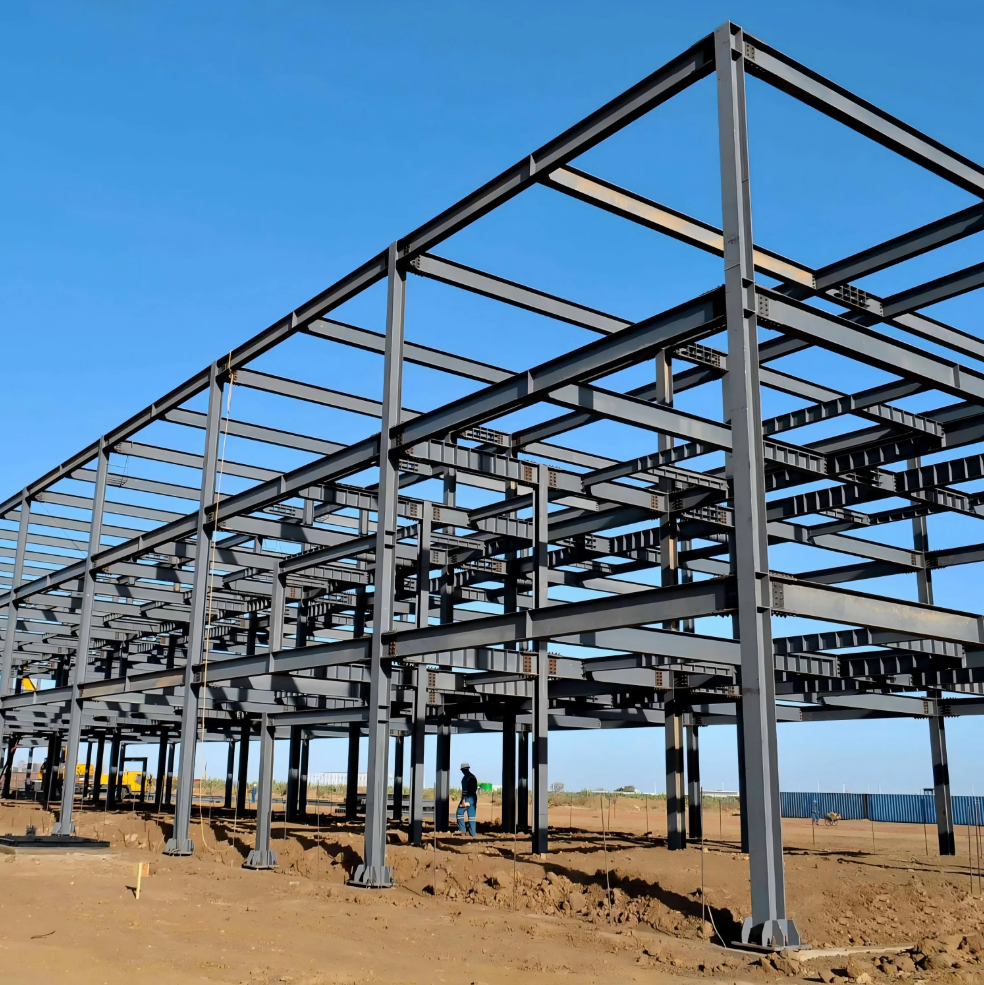
This adaptability adds long-term value to buildings. As market demands change, steel structure buildings can be renovated, expanded vertically, or repurposed more easily than traditional structures. The ability to extend service life and accommodate future upgrades makes steel buildings a strategic choice for investors seeking sustainable returns.
High Space Utilization and Environmental Benefits
High space utilization is another important advantage. Steel columns and beams are slimmer than concrete members, which increases net usable floor area. For high-rise buildings, even small improvements in floor efficiency can generate significant economic benefits over time. Higher ceilings and wider spans also improve daylight penetration and ventilation, enhancing indoor comfort.
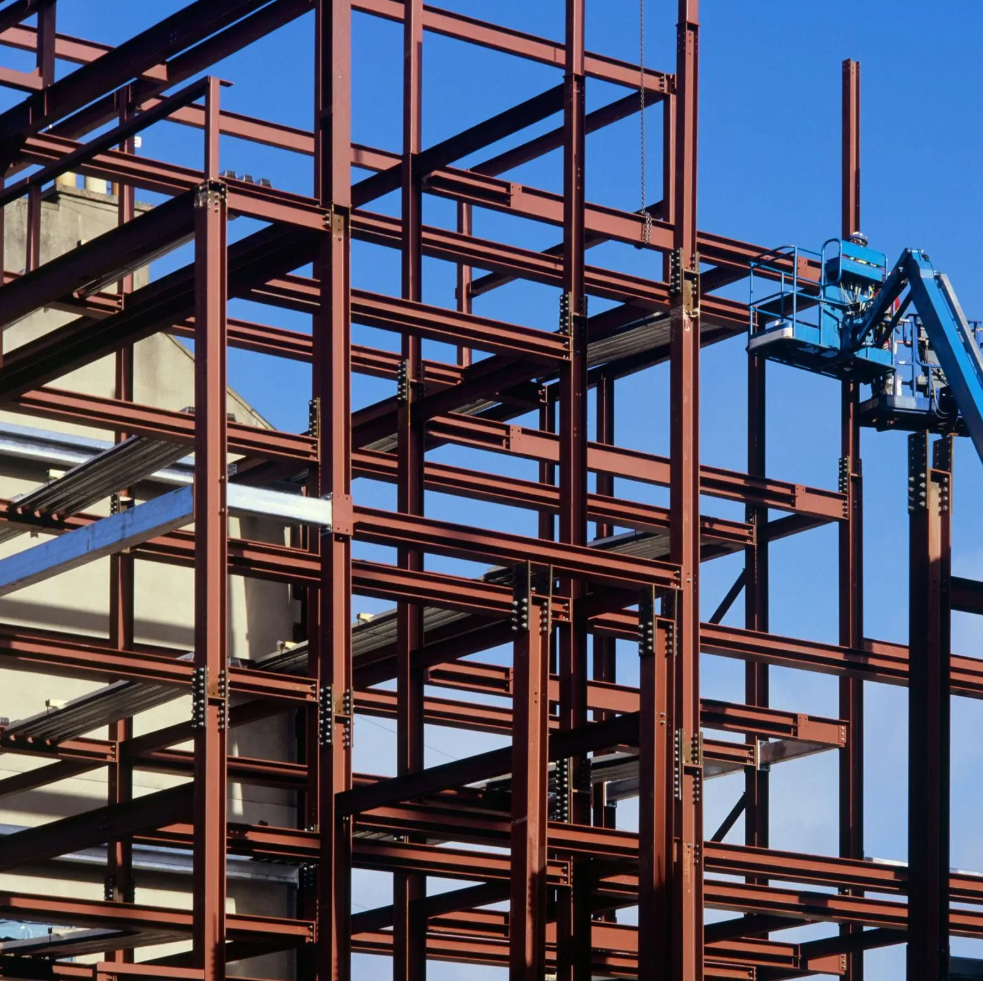
From an environmental perspective, steel buildings support sustainable construction goals. Steel is 100% recyclable, and recycled steel maintains its performance. Prefabrication reduces material waste, dust, and noise on construction sites. Lower structural weight reduces foundation size and material consumption, which helps cut carbon emissions. These factors make steel buildings well suited for green building standards.
Post time: Feb-24-2026