

Many businesses now choose a refrigerated container instead of constructing traditional cold warehouses. A refrigerated container offers mobility, lower investment costs, and rapid installation. Companies that need flexible cold storage capacity often rely on this solution to protect temperature-sensitive goods while controlling operational expenses.
Why Businesses Choose a Refrigerated Container
A refrigerated container provides a practical cold storage solution for companies that require fast deployment and reliable temperature control. Traditional cold warehouses require land preparation, construction permits, and long building cycles. In contrast, a refrigerated container can begin operation soon after delivery and installation.
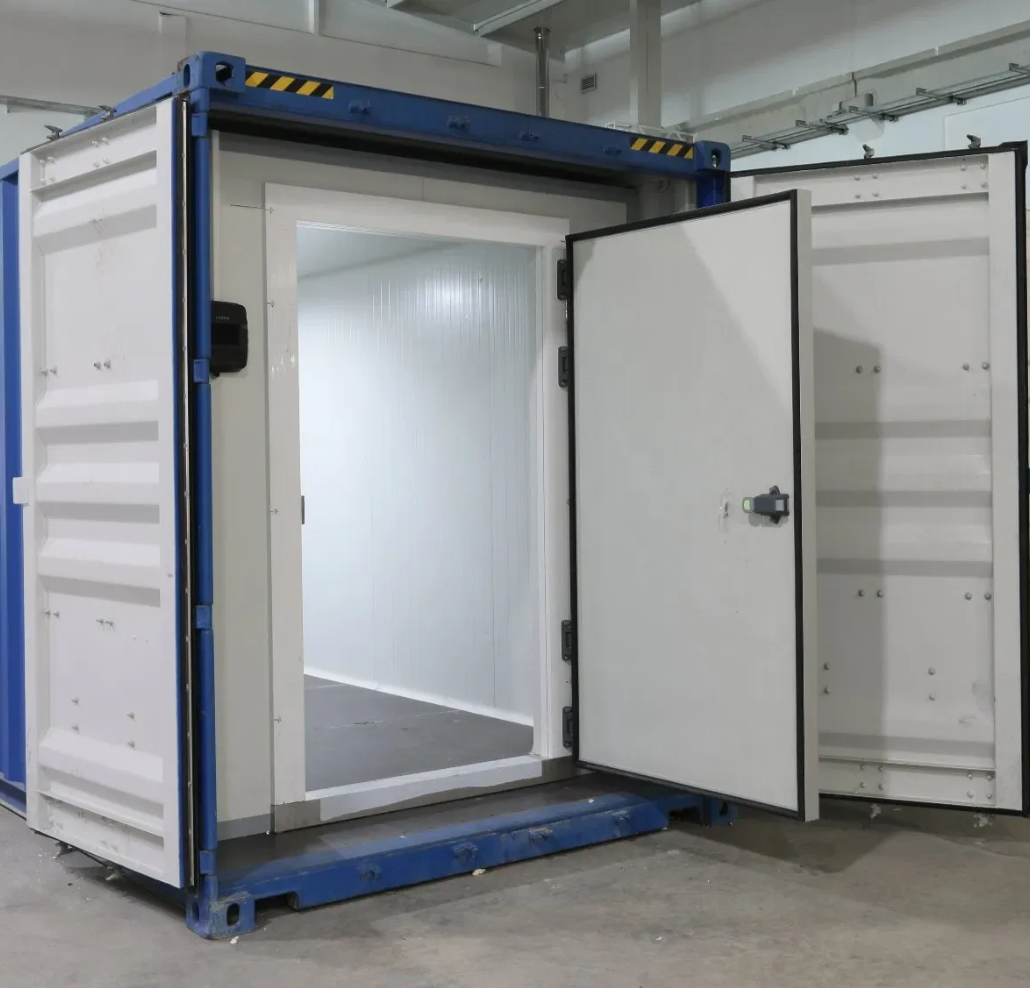
Flexibility remains one of the biggest advantages. Businesses can place a refrigerated container at ports, farms, distribution centers, or industrial facilities. If operational needs change, the container can be relocated easily. This mobility allows companies to expand or reduce cold storage capacity without large infrastructure investments.
Energy efficiency also plays a major role in the popularity of refrigerated containers. Modern units use high-performance insulation panels and advanced compressor systems. These technologies maintain stable temperatures while reducing electricity consumption. Many refrigerated container systems support temperature ranges from −30°C to +10°C. This wide range allows businesses to store frozen meat, seafood, vegetables, dairy products, and medical supplies.
Another advantage involves installation speed. A refrigerated container typically requires only a stable ground surface and electrical connection. Technicians can complete setup within a short time. Companies that experience seasonal demand often purchase or rent additional refrigerated containers during peak periods.
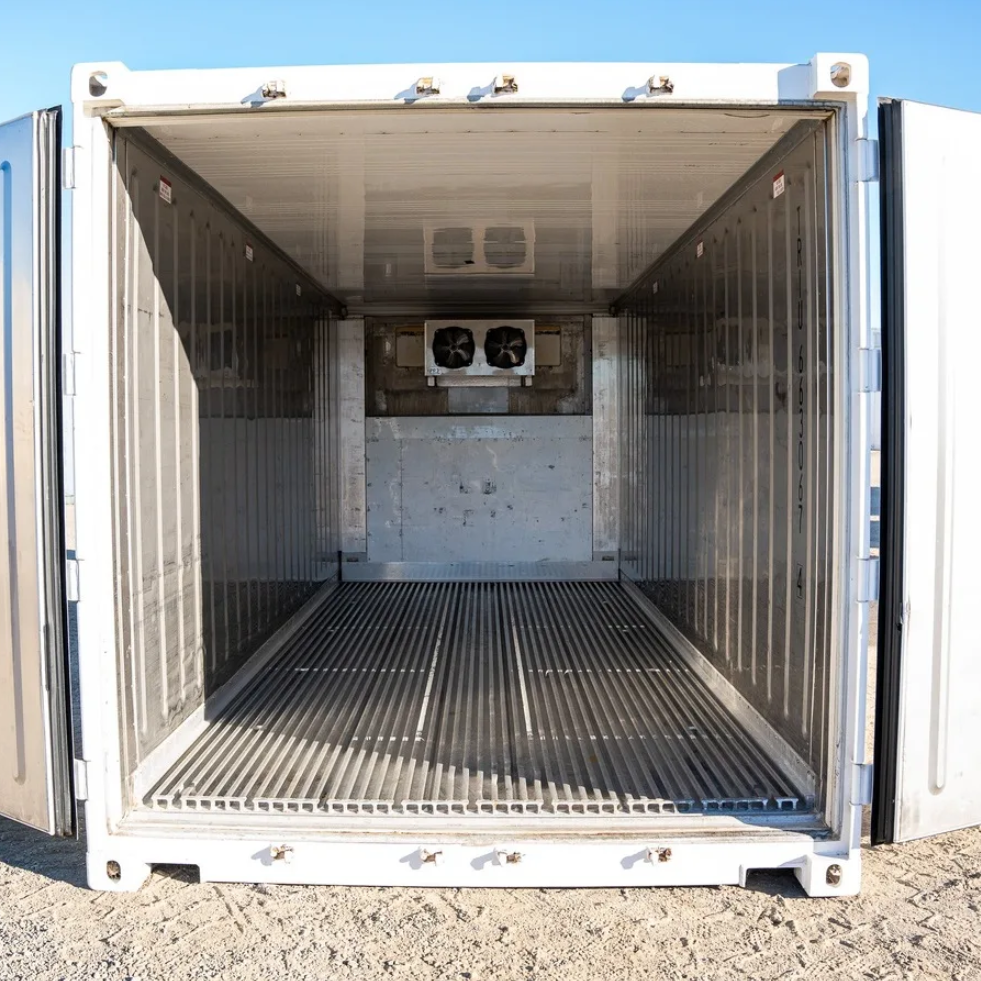
Durability also strengthens the value of this solution. Most refrigerated container units use corrosion-resistant steel structures designed for international shipping conditions. These structures tolerate rain, wind, and temperature fluctuations without major maintenance requirements. Businesses that purchase a refrigerated container therefore gain a long service life with predictable operating costs.
Key Factors to Consider
Companies should evaluate several technical factors before purchasing a refrigerated container. Proper selection ensures stable operation and protects valuable cargo.
Temperature performance represents the first priority. Different products require different storage conditions. Frozen seafood often needs temperatures around −18°C, while fresh produce requires higher ranges between 0°C and 5°C. Buyers should confirm that the refrigerated container refrigeration unit can maintain consistent temperatures under local climate conditions.
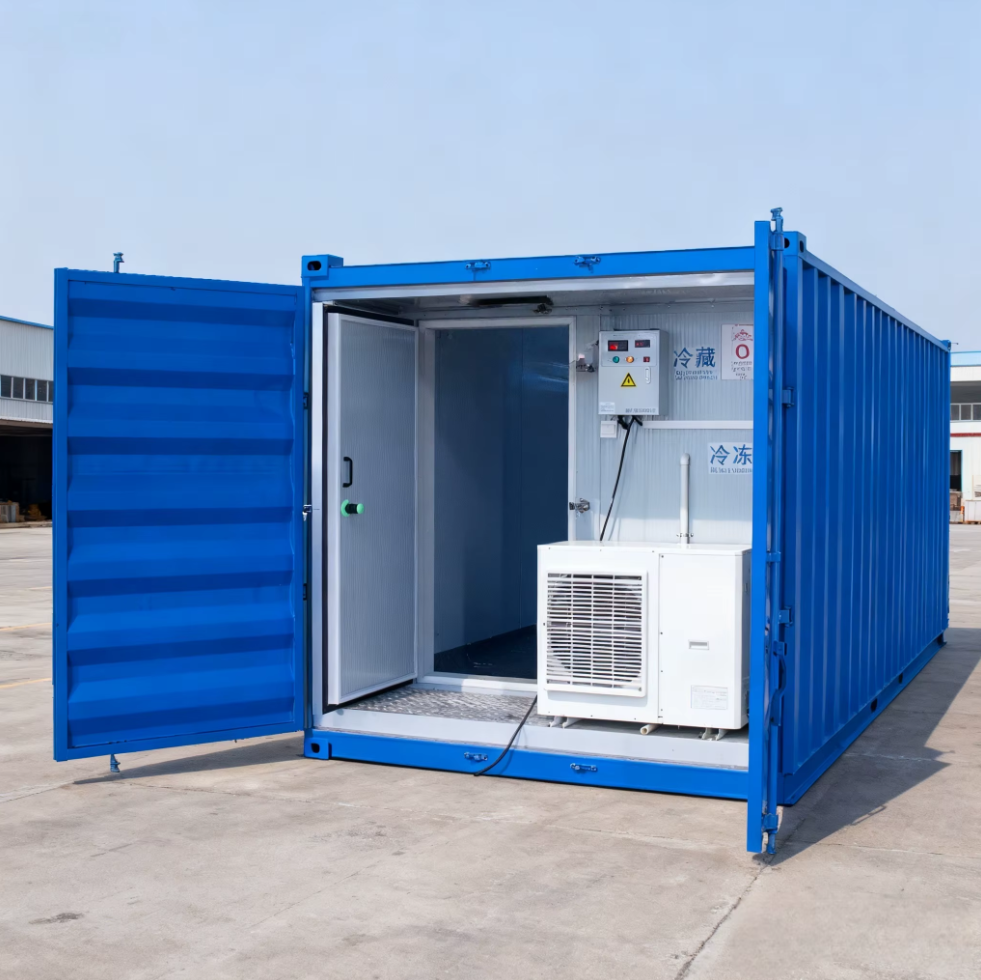
Insulation quality also affects performance and operating cost. High-density polyurethane insulation reduces heat transfer between the container interior and the surrounding environment. Strong insulation helps refrigeration equipment maintain target temperatures without excessive energy consumption.
Size and capacity should match the expected storage volume. Standard refrigerated container sizes include 20-foot and 40-foot units. Smaller businesses may prefer compact units for limited storage needs. Large distributors often install multiple containers to create modular cold storage systems.
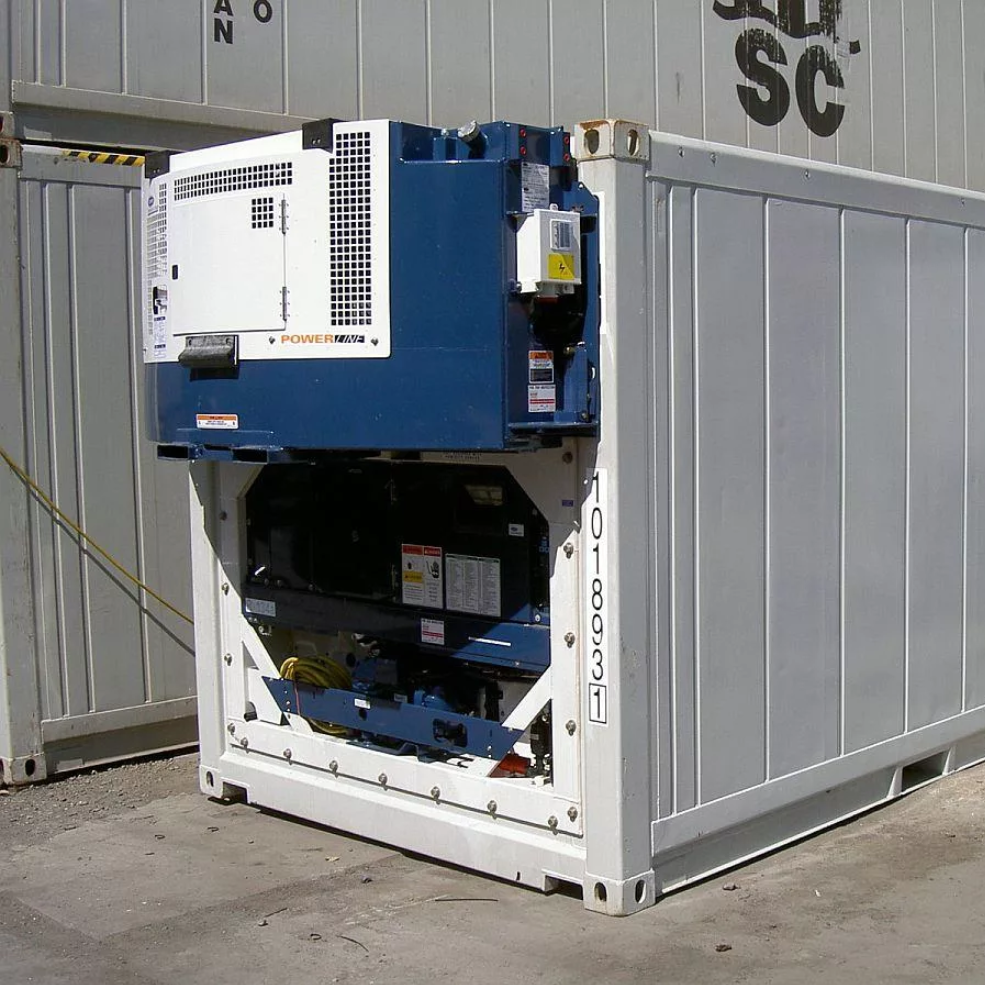
Power supply compatibility represents another important consideration. Refrigerated container units normally operate on industrial electrical systems. Buyers should verify voltage requirements, backup power options, and local electrical infrastructure before installation.
Maintenance support also influences long-term performance. Reliable suppliers provide spare parts, technical guidance, and refrigeration system servicing. Companies that maintain equipment properly can extend the operational lifespan of their refrigerated container units.
Post time: Mar-09-2026