

Efficient installation of steel buildings depends on disciplined design decisions made long before erection begins. Careful planning reduces uncertainty, controls cost, and strengthens structural reliability throughout the entire project lifecycle.
Precise Component Planning of Steel Buildings
Scientific and rigorous design forms the foundation of smooth steel buildings installation. Harbin Dongan Building Sheets Co., Ltd. holds professional contracting qualifications for steel buildings engineering and brings 18 years of experience from more than 200 completed projects. Through continuous practice, the company recognizes that installation quality reflects design precision. Most site conflicts originate from unclear tolerances, incomplete detailing, or insufficient coordination between structural and enclosure systems.
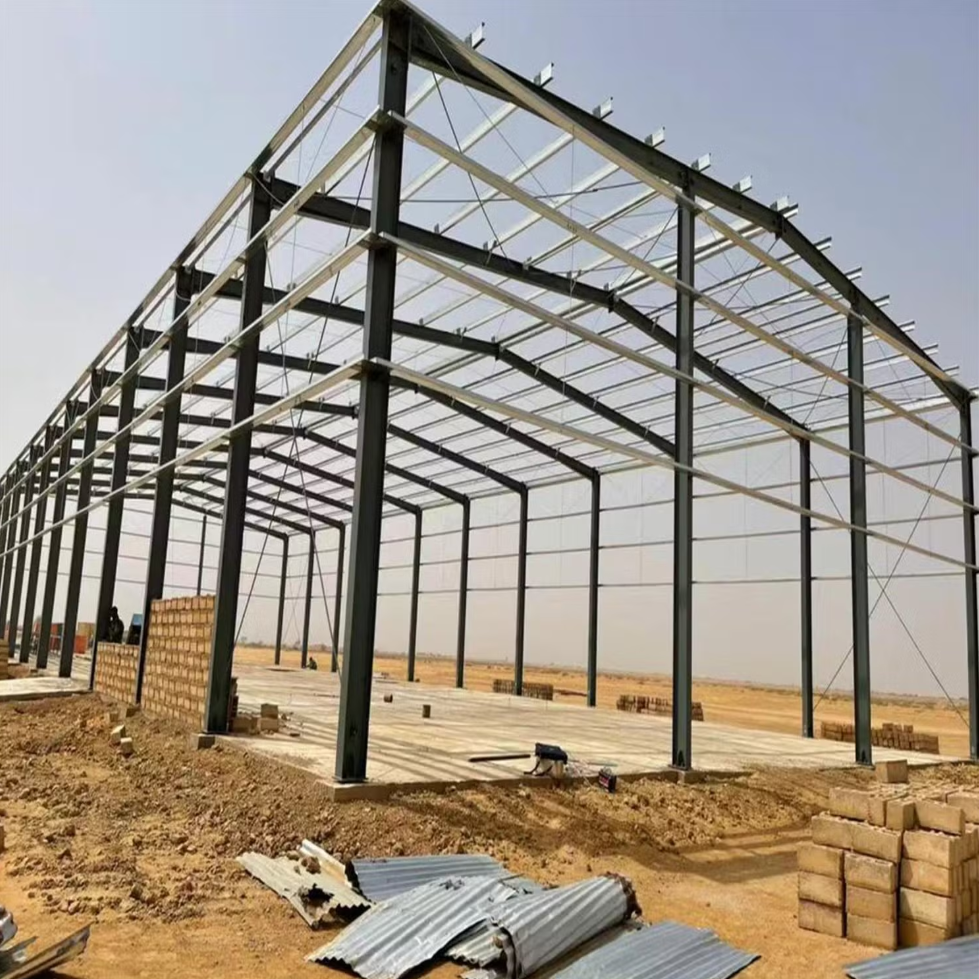
Accurate matching between components and installation requirements serves as the primary control measure. Designers must evaluate fabrication capacity before finalizing drawings. A production scale of 20,000 tons per year demands strict tolerance management and consistent machining accuracy. Drawings should clearly define dimensional deviations, hole positioning precision, and welding specifications. Clear parameters prevent misalignment during assembly and reduce rework on site.
Different structural systems require targeted optimization. Portal frames, trusses, and rigid frames follow distinct load transfer paths and assembly sequences. Designers should integrate prefabrication logic into the structural scheme to ensure compatibility between factory processing and field erection. Coordination with energy-efficient wall and roof panels remains equally important. Reserved fixing nodes and standardized interface details prevent conflicts between steel members and cladding systems. When transport limitations and crane capacity receive early consideration, installation teams achieve higher efficiency and improved safety performance.
Integrated Coordination and Standardized Detailing of Steel Buildings
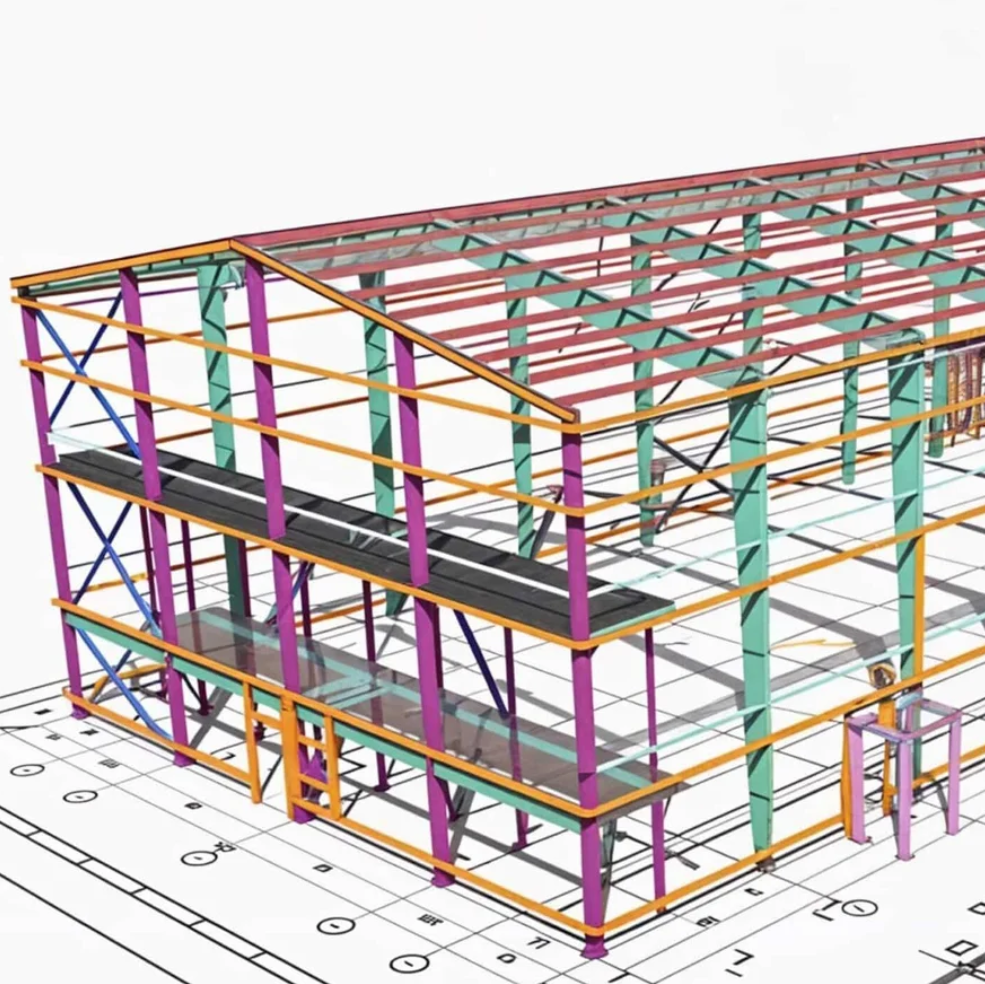
Connection detailing directly influences erection speed and structural stability of steel buildings installation. Standardized and modular node configurations simplify installation and reduce field adjustment. Engineers should apply three-dimensional modeling to detect spatial clashes before fabrication begins. Experience from multi-story frame structures and long-span space grid projects shows that constructability must align with structural mechanics. Clear load paths and practical joint geometry improve both safety and productivity.
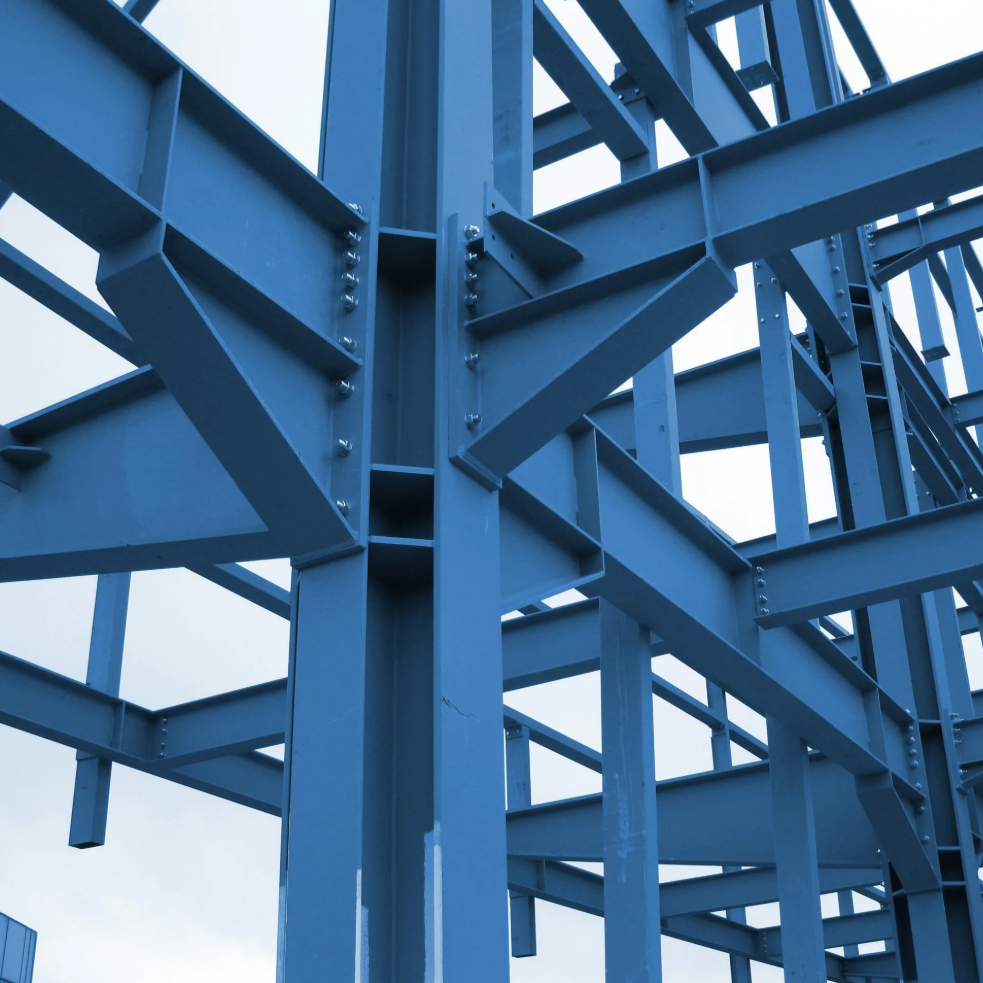
For bolted connections, designers must specify bolt grade, spacing, diameter, and tightening torque. Precise instructions eliminate ambiguity and prevent insufficient clamping force. Overly complex joints increase fabrication cost and complicate on-site handling, so designers should prioritize simplicity without compromising performance.
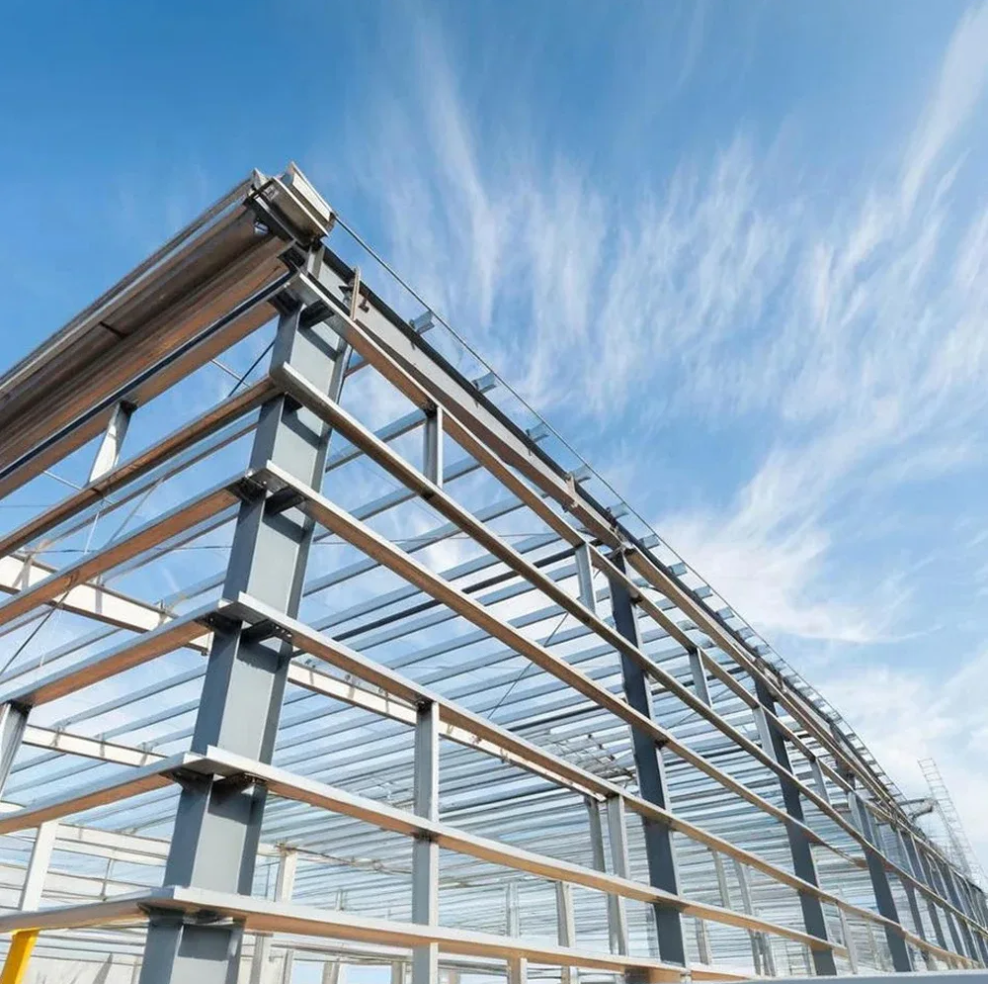
Strong integration between design, fabrication, and installation management further reduces project risk. Shop drawings should include detailed fabrication information, logical erection sequencing, and clear temporary bracing guidelines. Quality benchmarks aligned with ISO 9001 quality management requirements help maintain consistent component precision before delivery. Designers must also divide structural units according to transportation constraints and crane lifting capacity. Oversized components raise logistical pressure and increase safety exposure. Proper segmentation enhances operational efficiency.
Digital technology significantly strengthens design accuracy. Building Information Modeling enables full-process simulation, clash detection, and construction rehearsal before site work begins. Through collaborative digital workflows, engineers optimize member layout and reduce field cutting or adjustment. Integrated modeling between structural systems and insulated panels improves dimensional coordination. Designers should also follow updated industry standards and green building requirements under carbon reduction initiatives. Material efficiency, prefabrication rates, and structural safety can all improve through data-driven optimization.
Refined control during the design phase provides the strongest safeguard against installation problems. By integrating design, fabrication, and erection expertise, Harbin Dongan Building Sheets Co., Ltd. reduces uncertainty at its source and ensures efficient, safe project delivery.
Post time: Mar-02-2026