

Many companies choose to purchase steel structure products from overseas suppliers because global sourcing often offers lower manufacturing costs and flexible design options. However, hidden expenses in logistics and customs clearance can quickly erode those savings. Importers sometimes discover unexpected charges only after their goods arrive at port. Understanding these risks before you purchase steel structure internationally helps companies control budgets and avoid delays.
Understand Logistics Costs Before Purchasing
When businesses decide to purchase steel structure components from overseas manufacturers, transportation costs represent one of the largest hidden risks. Steel structures often involve large beams, columns, and panels. Their irregular shapes can increase freight costs significantly if shipment planning is not done carefully.
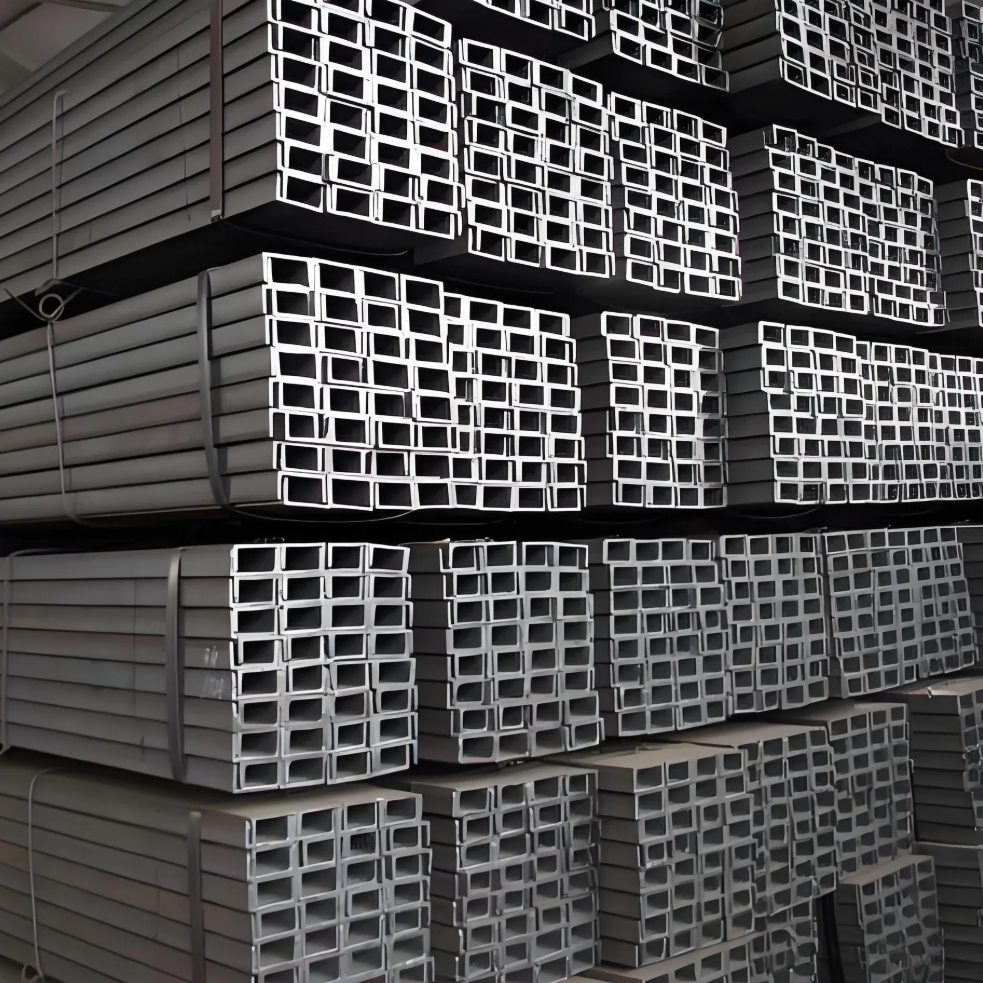
Container utilization is one of the most important factors. If the supplier does not design packaging based on container dimensions, cargo space may be wasted. Low loading efficiency means fewer components fit inside a container, forcing importers to pay for additional containers. This mistake often increases logistics costs by 10–25%.
Another common issue appears when oversized steel components require special handling. Long beams or heavy frames sometimes exceed standard container limits. Freight companies may then apply surcharges for oversized cargo. These extra charges can include special lifting equipment, reinforced containers, or port handling fees.
Shipping route selection also affects the final cost. Many buyers focus only on ocean freight rates while ignoring port congestion, transshipment risks, and inland transportation. A cheaper route may involve multiple transfers between vessels. Each transfer raises the risk of damage, delays, and additional handling fees.
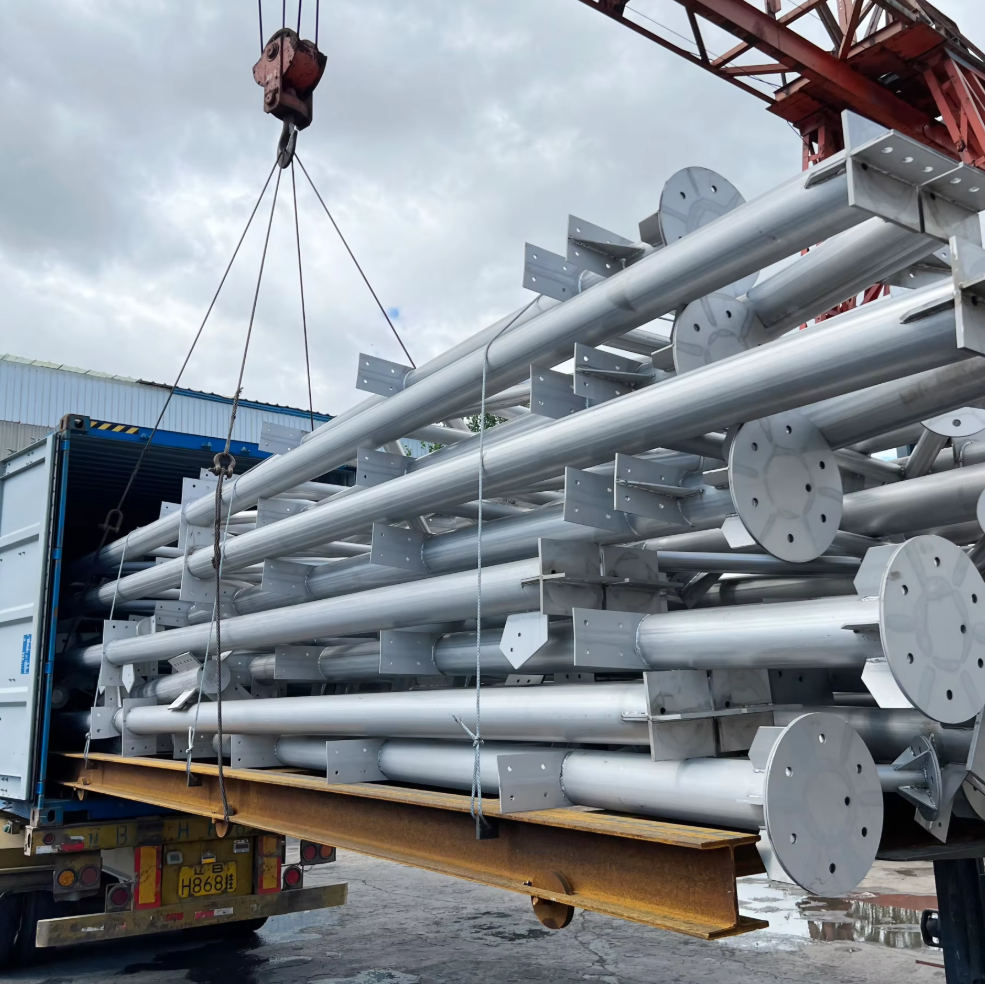
Professional suppliers help clients avoid these problems before they purchase steel structure products. They optimize packaging layouts and design components with transport efficiency in mind. Some manufacturers even adjust beam lengths to match container limits. This approach maximizes container capacity and reduces shipping costs.
Clear communication with logistics partners is equally important. Importers should confirm freight terms, port fees, and inland transportation costs before shipment. When buyers understand the full logistics process, they can accurately calculate the total cost of their decision to purchase steel structure overseas.
Reduce Customs and Import Risks When You Purchase Steel Structure
Customs clearance represents another major area where hidden costs appear when companies purchase steel structure products internationally. Incorrect documentation, classification errors, or unfamiliar regulations can all create unexpected expenses.
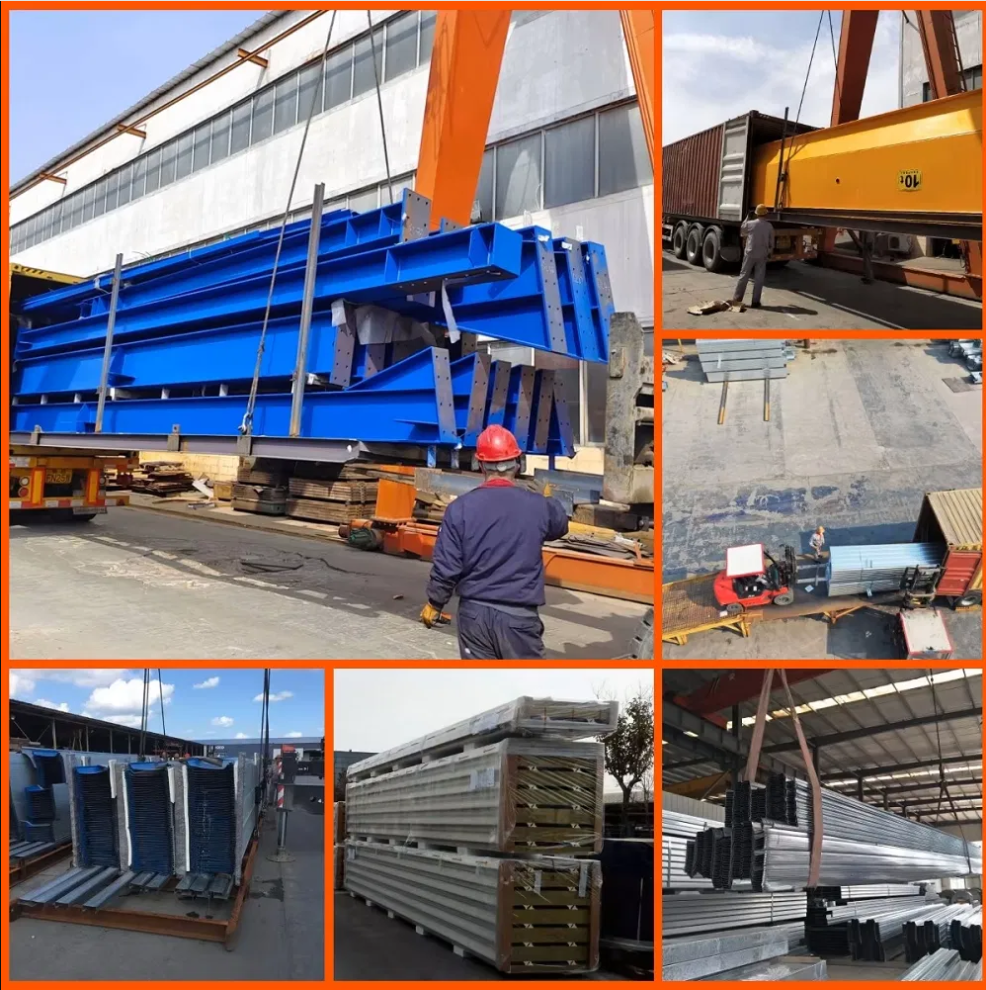
One common issue involves HS code classification. Steel structure components may fall under different tariff categories depending on their design and use. Incorrect classification can lead to higher tariffs or customs penalties. Importers should confirm the correct HS code with both suppliers and customs brokers before they purchase steel structure materials.
Certification and compliance requirements also vary by country. Some markets require structural certification, welding inspection reports, or material testing documents. If the shipment arrives without the required paperwork, customs authorities may delay clearance. Storage fees at the port can accumulate quickly during these delays.
Another hidden cost comes from incomplete commercial documentation. Purchase contracts, packing lists, and invoices must match the physical shipment exactly. Even small inconsistencies in weight, quantity, or product description can trigger customs inspections. Inspections increase clearance time and often result in additional service fees.
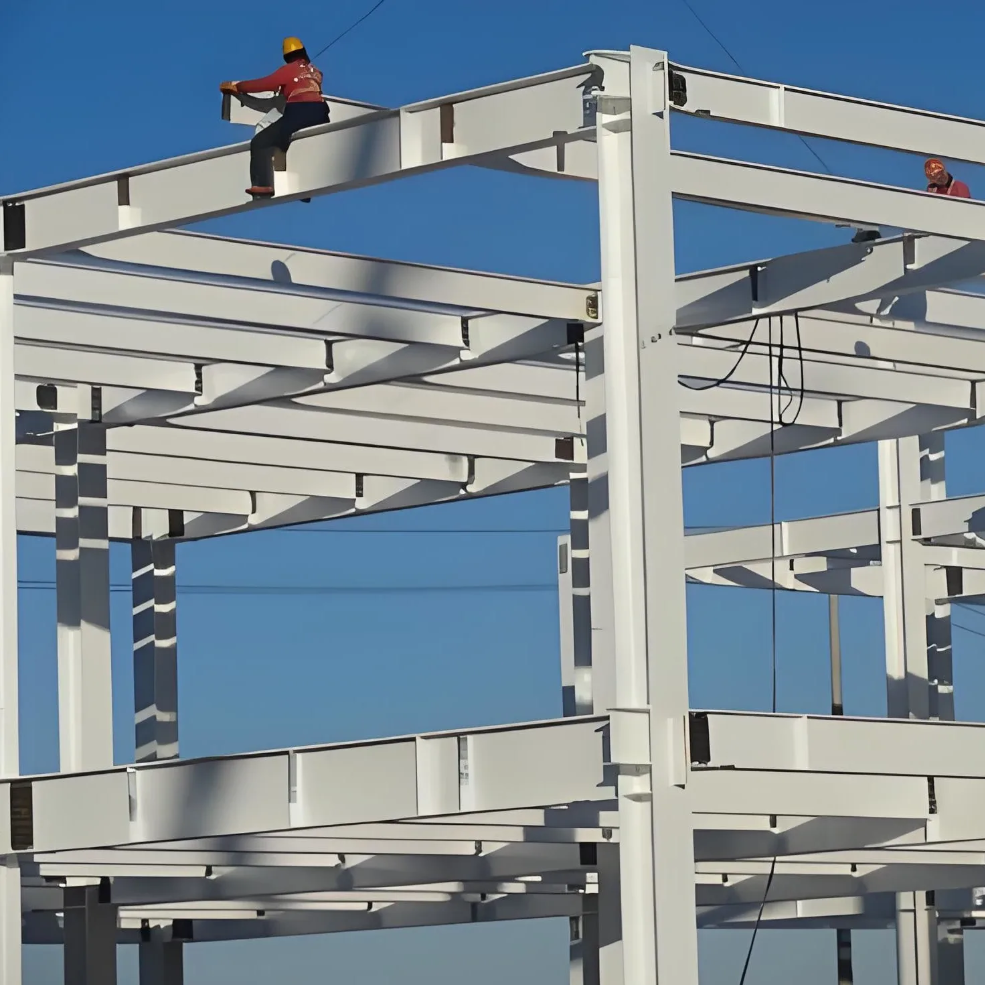
Working with experienced suppliers can significantly reduce these risks. Reliable manufacturers understand international documentation standards and prepare export files carefully. They also cooperate closely with freight forwarders and customs brokers to ensure smooth clearance procedures.
Importers should also research local tariff policies before they purchase steel structure products abroad. Some countries apply anti-dumping duties or special taxes on certain steel products. Understanding these policies helps buyers estimate the true landed cost of their purchase.
Clear planning, correct documentation, and strong supplier cooperation help companies avoid costly surprises during customs clearance.
For example, Harbin Dongan Building Sheets Company, a supplier of high-quality steel structure products has a strong trading team. They can avoid risks in overseas trade in advance and provide customers from all over the world with a good trade experience.
Post time: Mar-09-2026