

PU and PIR cold room panels dominate modern cold storage construction. Each material offers clear advantages in insulation, safety, and cost. Understanding their differences helps investors, designers, and operators select the most suitable solution for long-term performance.
What Are PU Cold Room Panels?
PU cold room panels use polyurethane foam as the core insulation material. PU foam features a closed-cell structure that delivers low thermal conductivity and strong adhesion to metal facings. Because of these properties, PU panels have become a standard choice for food cold storage, chilled rooms, and freezer rooms.
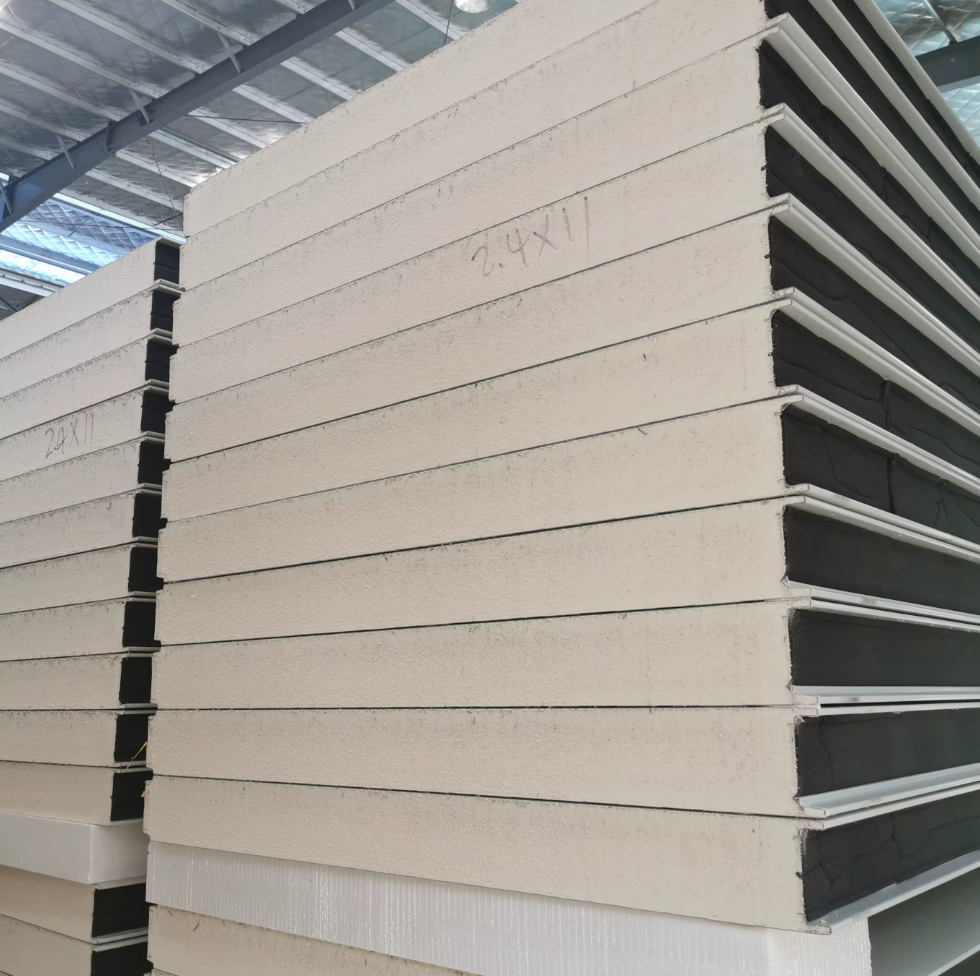
Excellent Thermal Insulation: One major advantage of PU panels lies in their excellent thermal insulation. The typical thermal conductivity ranges from 0.022 to 0.024 W/m·K, which helps maintain stable internal temperatures and reduces refrigeration energy consumption. For projects with limited wall thickness, PU panels allow designers to achieve insulation targets without increasing structural dimensions.
PU panels also offer cost efficiency. Raw materials and production processes remain relatively mature, which keeps prices competitive. For small and medium-sized cold storage projects, PU panels often provide the best balance between performance and budget control.
However, PU panels show limitations in fire performance. Standard PU foam belongs to the B2 fire rating category. Under high temperatures, PU can soften and release smoke. Although flame-retardant additives improve safety, PU panels still face stricter approval challenges in projects with high fire protection requirements.
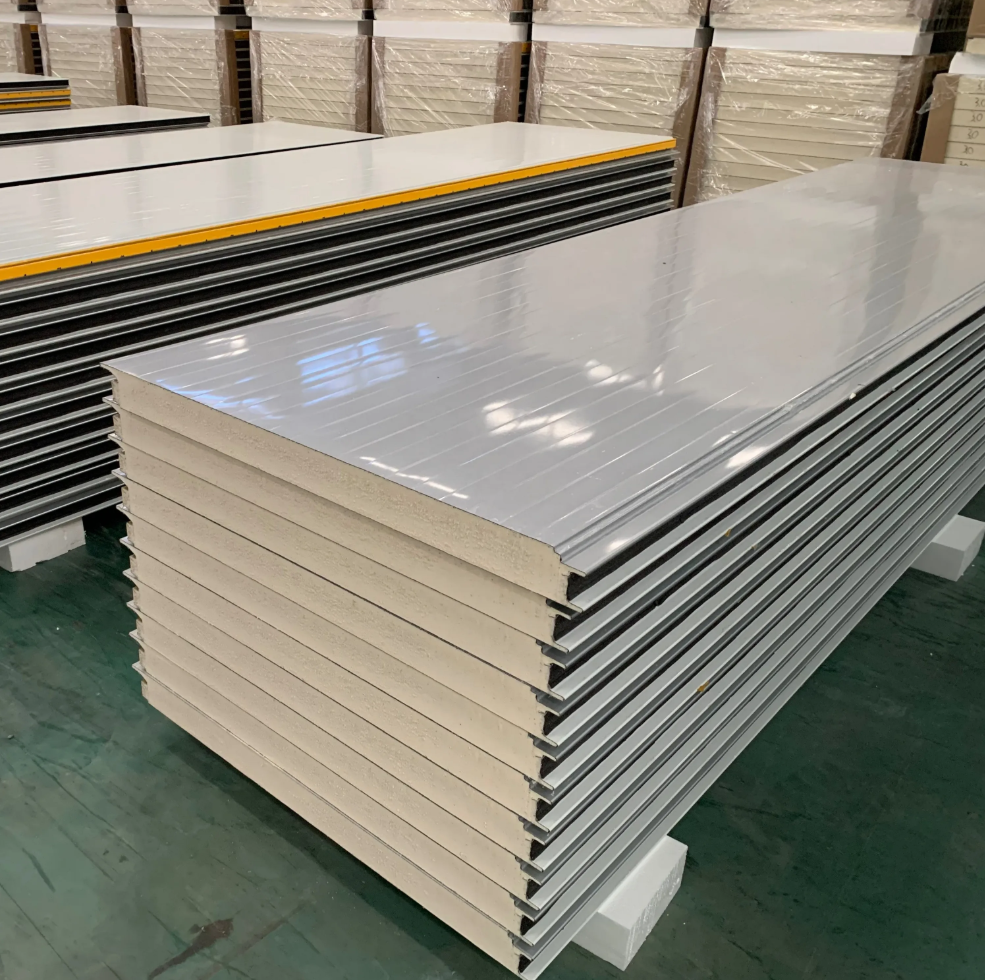
What Are PIR Cold Room Panels?
PIR cold room panels use polyisocyanurate foam as the core material. PIR foam forms through a modified chemical reaction that creates a more stable ring structure. This structure significantly enhances fire resistance and thermal stability.
Superior Fire Performance: The most important advantage of PIR panels is superior fire performance. PIR insulation typically reaches B1 fire rating and shows better resistance to flame spread and smoke generation. In a fire scenario, PIR forms a protective char layer that slows heat transfer and structural damage. For cold storage projects in logistics parks, pharmaceutical facilities, or urban areas, this feature provides a strong safety advantage.
PIR panels also perform well in thermal insulation. Their thermal conductivity usually ranges from 0.021 to 0.023 W/m·K, which equals or slightly improves upon PU panels. Over long operating cycles, this difference can translate into measurable energy savings, especially in low-temperature freezer rooms.
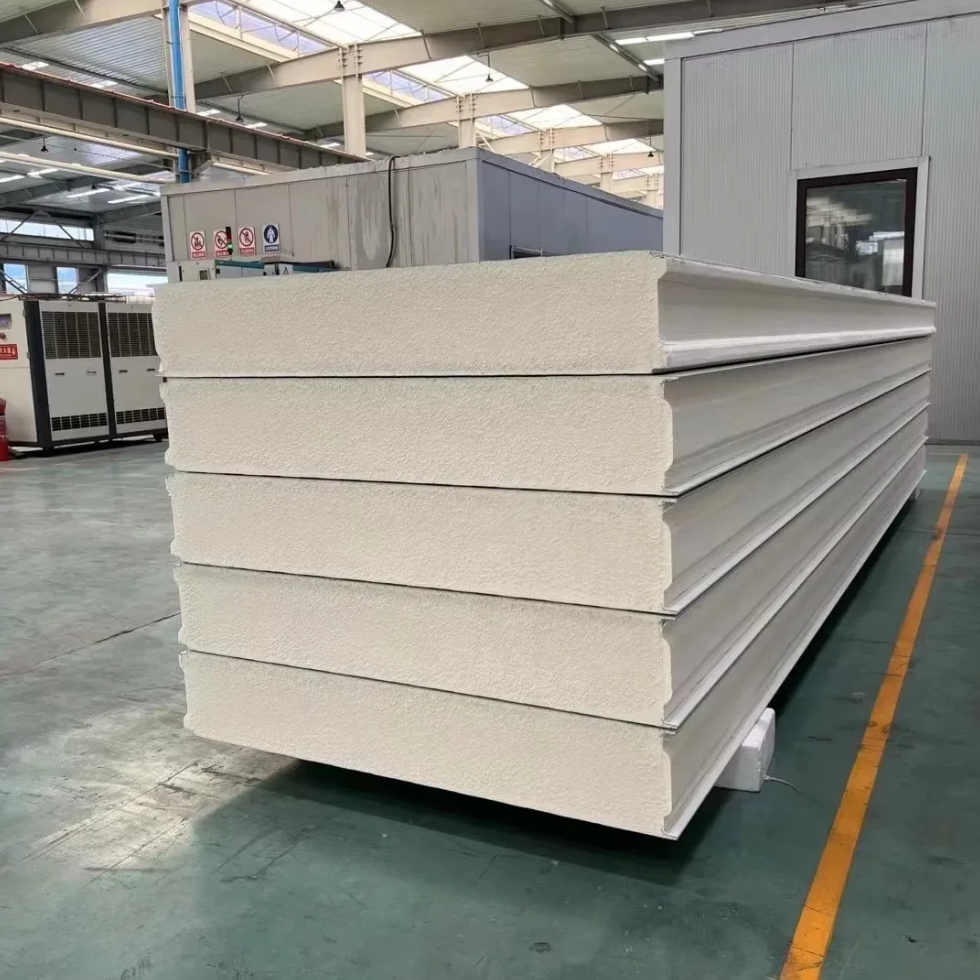 The main drawback of PIR panels involves cost. Production requires higher-grade raw materials and stricter process control, which increases panel prices by around 10% to 20% compared with PU panels. In addition, PIR foam shows slightly higher brittleness, so careful handling during installation becomes essential.
Comparing PIR and PU Panels in Cold Storage Applications
When comparing PIR and PU cold room panels, insulation performance alone does not define the final choice. Fire safety, project scale, operating temperature, and regulatory requirements all play critical roles.
For standard food cold storage, fresh produce warehouses, and short-term frozen storage, PU panels often meet technical needs at a lower cost. These projects usually operate in controlled industrial zones, where fire regulations remain manageable and cost efficiency matters most.
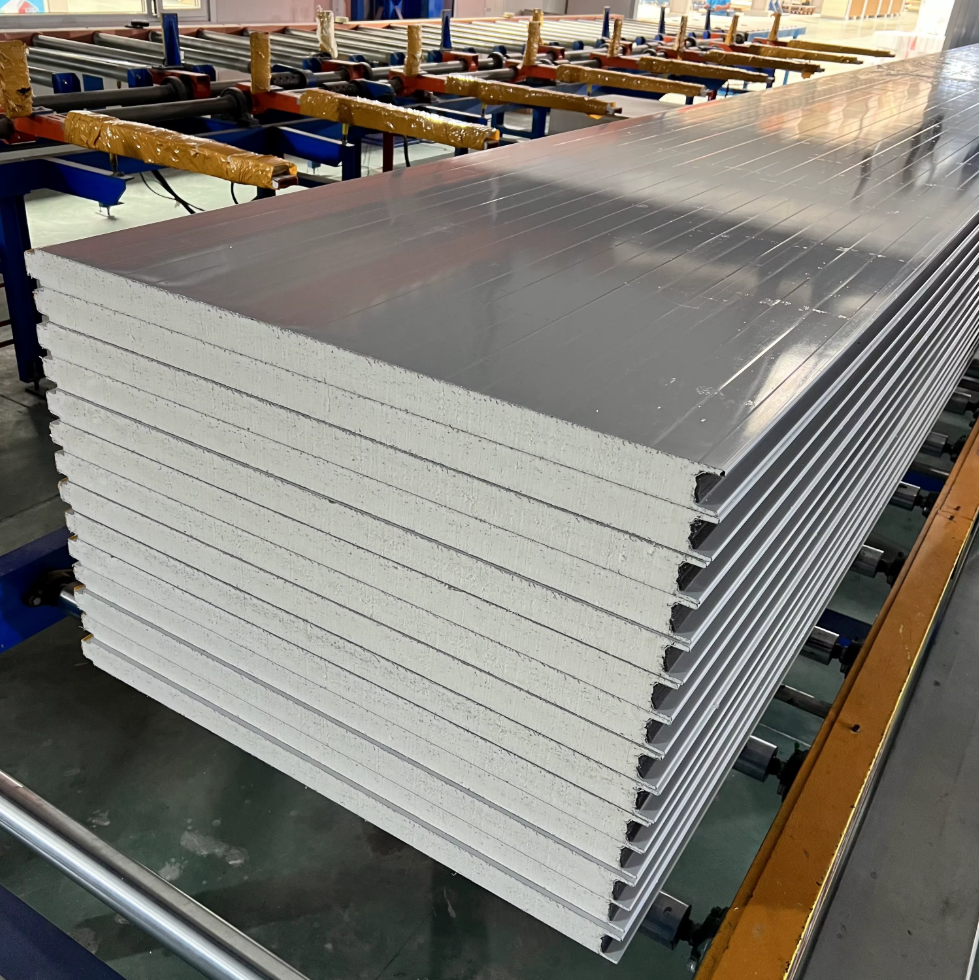 For pharmaceutical cold rooms, large-scale cold chain logistics centers, and export-oriented facilities, PIR panels offer stronger compliance advantages. Many international standards and insurance providers favor materials with higher fire resistance, which reduces long-term operational risk.
Operating temperature also influences selection. In ultra-low temperature freezer rooms below –30°C, PIR panels maintain structural stability better over extended service periods. PU panels still perform well but may experience gradual insulation aging under extreme conditions.
How to Choose Between PIR and PU Cold Room Panels
Selecting between PIR and PU panels requires a clear assessment of project priorities. If budget sensitivity and fast return on investment lead decision-making, PU panels provide reliable and proven performance. They suit small to medium cold storage projects with moderate fire safety demands.
If fire safety, regulatory approval, and long-term risk control rank higher, PIR panels become the preferred option. Their higher initial cost often offsets future compliance, insurance, and safety benefits.
Project owners should also consider local building codes, insurance requirements, and operational lifespan. Consulting both panel manufacturers and cold storage designers ensures that material selection aligns with structural design, refrigeration capacity, and safety strategy.
PIR and PU cold room panels each deliver strong value when applied under the right conditions. By balancing insulation performance, fire safety, cost, and regulatory needs, developers can select a panel system that supports efficient, safe, and durable cold storage operations.
Post time: Feb-26-2026