

Prefabricated steel buildings are changing how developers and contractors approach industrial park construction — and the comparison to Lego isn’t just a catchy metaphor. It reflects how modern modular steel systems actually work in practice: you design the layout, define the structural grid, and components arrive ready to assemble on site.
But like any building method, execution matters just as much as the concept. And in many projects, the issues don’t come from the steel itself — they come from decisions made too late.
So let’s look at what this approach genuinely looks like when it works well — and where teams typically run into trouble.
Why Modular Prefabricated Steel Buildings Make Sense for Industrial Parks
Industrial parks rely on consistency. Multiple warehouse units, workshop blocks, and auxiliary structures need to share compatible dimensions, load specifications, and connection systems. Prefabricated steel buildings deliver that level of standardization, which is why more developers are moving away from conventional construction.
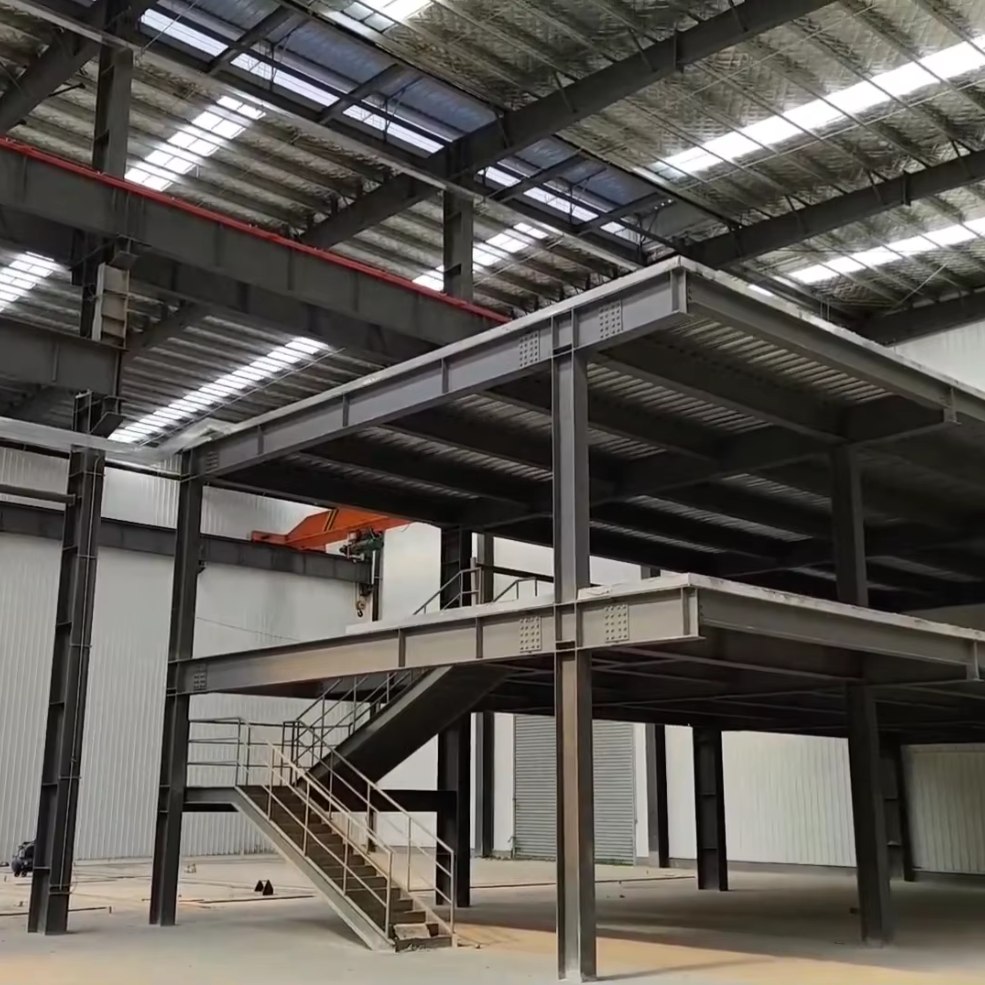
The core advantage is repeatability. Once a unit’s design and engineering are finalized, it can be replicated across the entire park without restarting the process each time. This not only improves efficiency, but also reduces variability across buildings.
Speed is another practical benefit. Traditional construction often ties up a site for months before usable space becomes available. With prefabricated steel buildings, multiple units can be erected in parallel once foundations are ready — allowing earlier leasing and faster capital recovery.
Flexibility also matters. Steel structures can achieve column spans of 30 meters or more without interior supports, giving future tenants open layouts suitable for logistics, light manufacturing, food processing, or even cold storage integration. In addition, expansion becomes more manageable when future modules are already considered in the initial design.
However, this efficiency depends heavily on one thing: early coordination. Once the structural grid and module dimensions are set, changing them mid-project is where the “Lego” analogy quickly stops working.
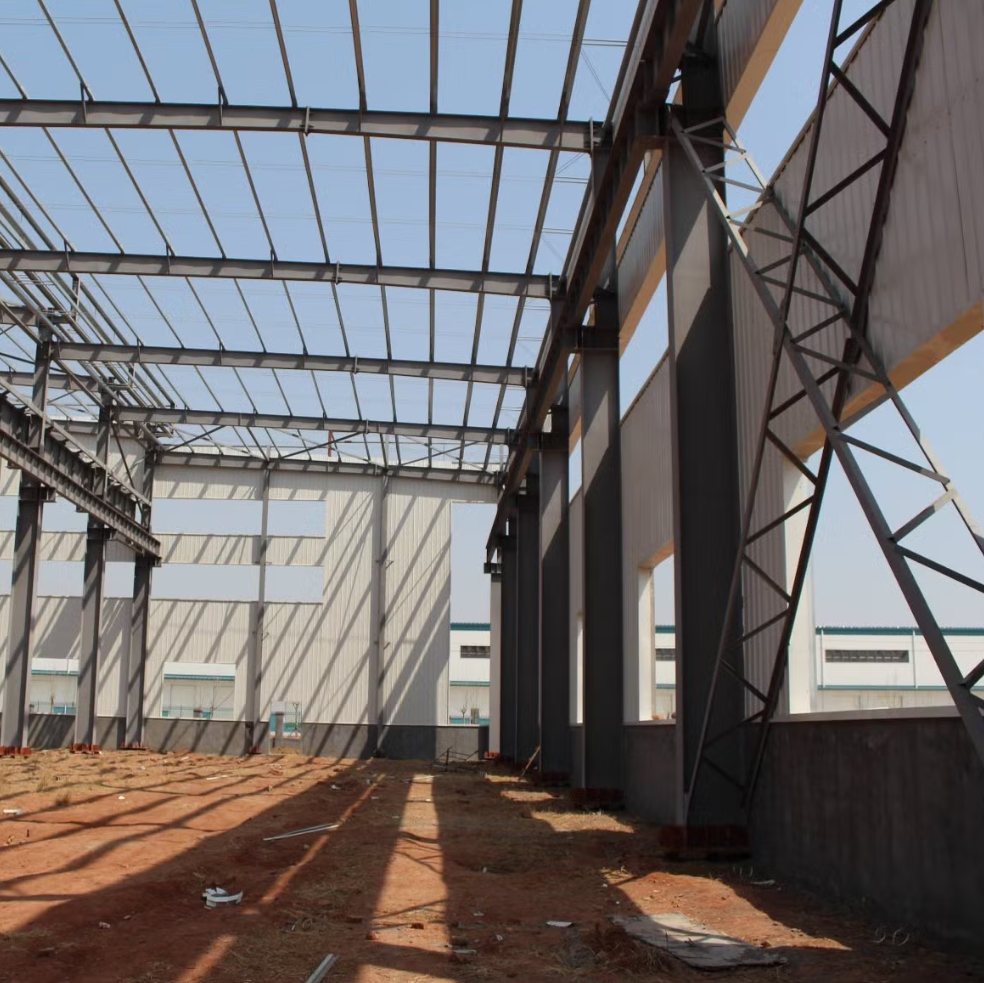
Where Industrial Park Projects Go Wrong
Most issues in prefabricated steel building projects don’t originate from fabrication — they come from gaps between design, procurement, and site execution.
Foundation design is often the first challenge. Steel structures transfer loads through specific anchor points. If foundation work begins before base plate details are fully confirmed, misalignment on site can delay the entire erection schedule. Early coordination between civil and steel teams makes a noticeable difference here.
In one industrial park project we supported, initial foundation drawings had to be adjusted after steel detailing was finalized. While the issue was resolved early, it highlighted how easily sequencing gaps can affect timelines if teams are not aligned from the beginning.
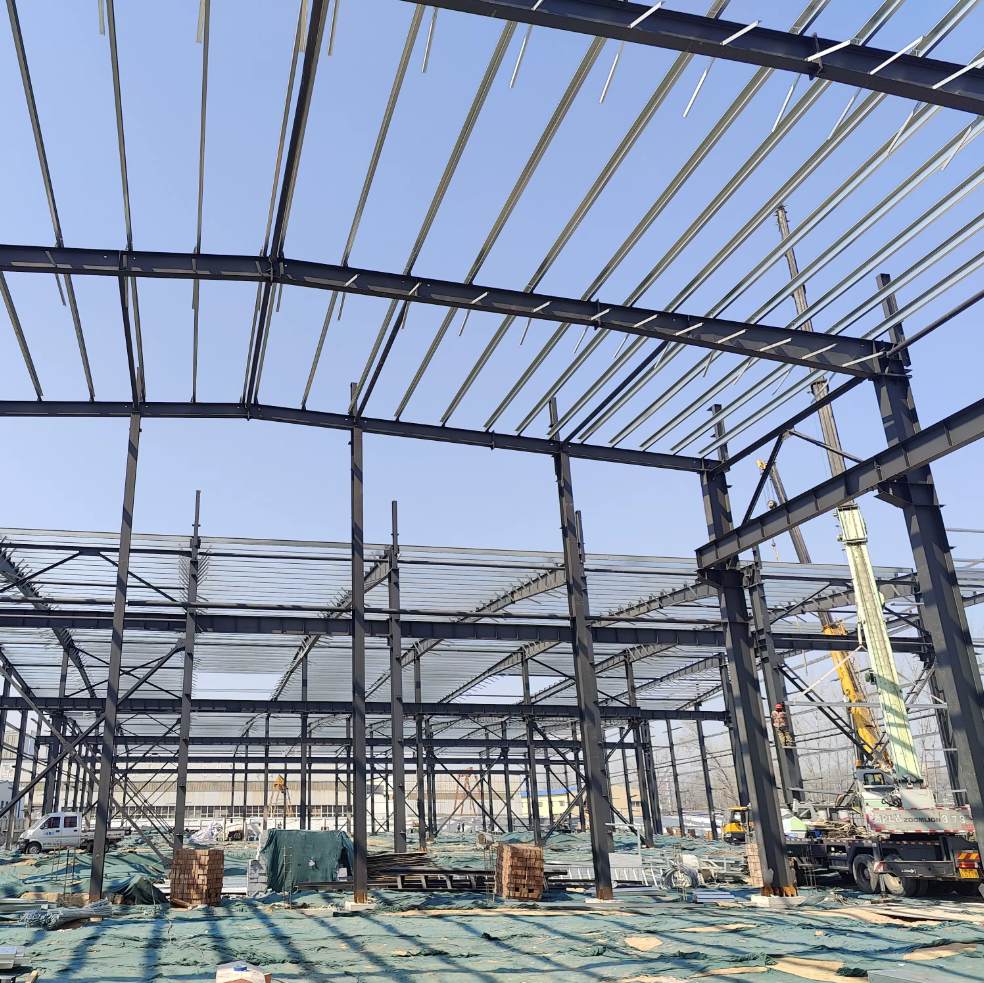
Utility integration is another common blind spot. Industrial parks require power, drainage, fire protection, and sometimes gas systems across multiple buildings. Routing these through a modular structure requires pre-planned openings in walls and roof panels. Retrofitting these later is possible, but rarely efficient.
Procurement timing also tends to be underestimated. Prefabricated steel buildings typically require 6–12 weeks of fabrication depending on scale and complexity. Treating procurement as an on-demand step often leads to a ready site with no structure to install — a situation that affects both schedule and cash flow.
Lastly, local compliance requirements can significantly influence design. Wind loads, seismic conditions, and fire ratings vary by region. Addressing these factors early helps avoid approval delays that no amount of fabrication speed can offset.
Post time: Apr-04-2026