

Sandwich panel selection plays a key role in cold storage projects, especially when food safety standards differ across countries. For contractors, this choice is not just about insulation. It affects fire safety, hygiene, energy use, and long-term compliance. A wrong decision can lead to higher costs or even project rejection. In global projects, three core materials dominate the market: PIR, PU, and Rock Wool. Each works well in specific scenarios. The challenge is knowing which one fits your project, your client, and your local regulations.
PIR vs. PU: When Efficiency and Hygiene Matter
PIR and PU panels are widely used in food-related facilities. They offer strong insulation and clean surfaces, which help meet strict hygiene standards. PU performs well in temperature control. It works well for standard cold storage, food processing rooms, and logistics centers. It also costs less, which makes it a common choice in price-sensitive markets. PIR improves on PU by offering better fire resistance. Many contractors prefer PIR when local codes require higher fire ratings. It also produces less smoke in case of fire, which adds another layer of safety.
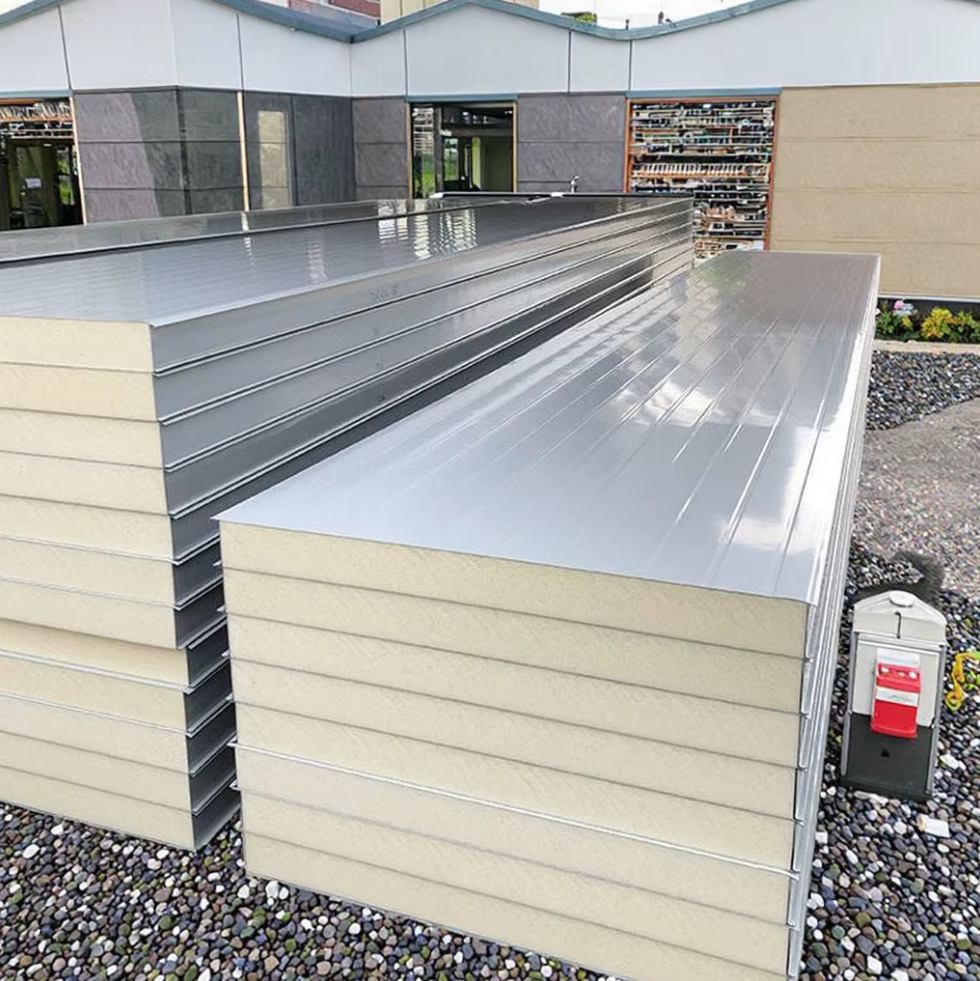
Here is how they compare in real projects:
- PU: good insulation, lower cost, suitable for most standard cold rooms
- PIR: better fire performance, safer for large or high-value facilities
In Southeast Asia and the Middle East, many projects still use PU due to cost pressure. In Europe, PIR is often the safer choice because regulations are stricter. For food safety, both materials support smooth, easy-to-clean surfaces. That helps contractors meet hygiene standards without adding extra finishing layers. When speed and efficiency matter, a well-designed sandwich panel system using PIR or PU can simplify installation and reduce energy loss over time.
Rock Wool: When Fire Safety Comes First
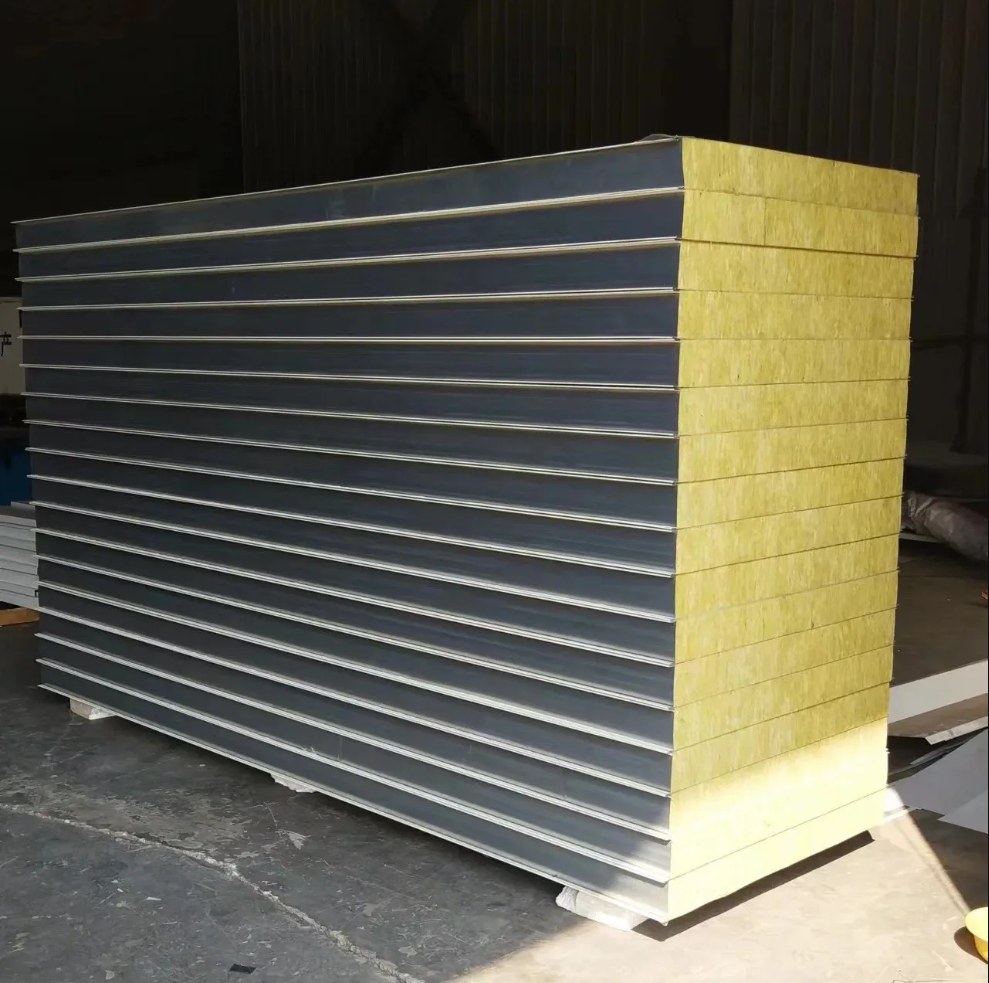
Rock Wool panels serve a different purpose. They focus on fire resistance rather than insulation efficiency. This material does not burn. It handles high temperatures well and helps contain fire spread. That makes it a strong option for projects with strict fire codes or high-risk environments.
Contractors often choose Rock Wool for:
- Facilities with high fire safety requirements
- Industrial zones with strict regulations
- Projects where insurance standards are demanding
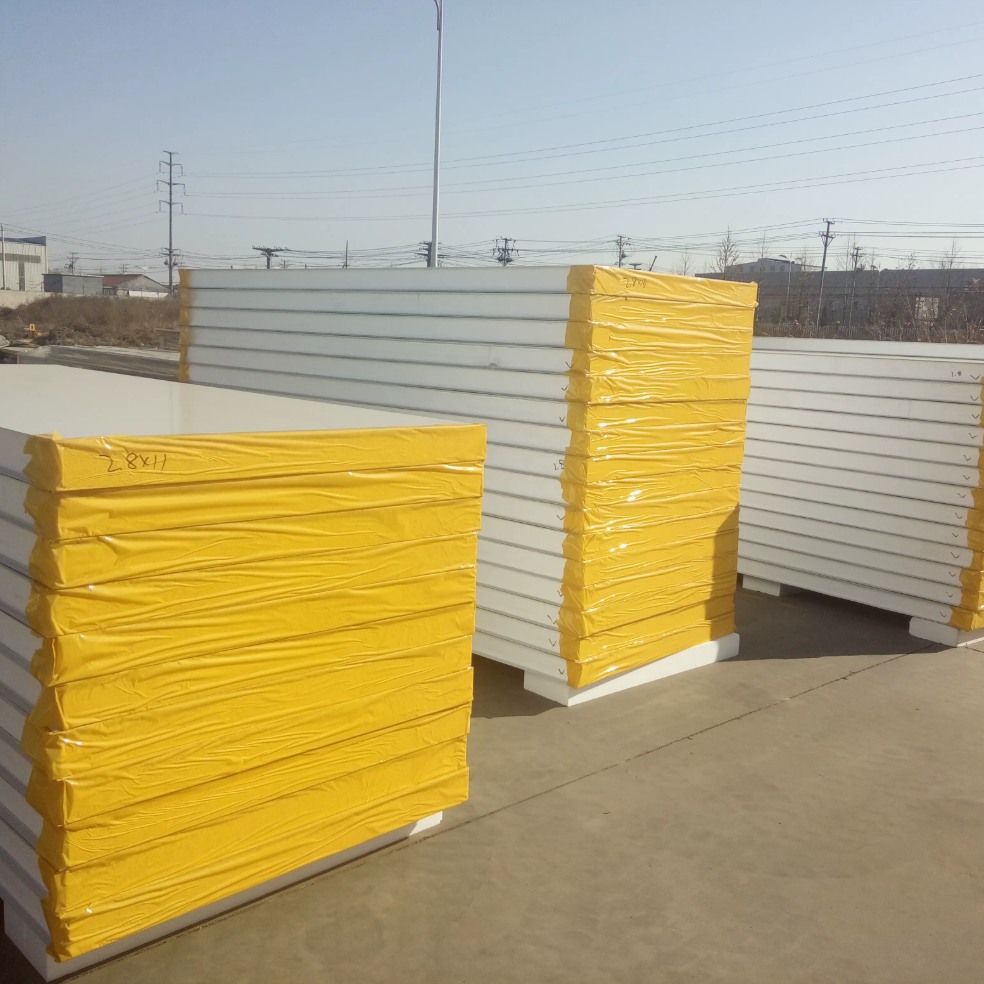
However, Rock Wool has weaker insulation compared to PIR or PU. This means higher energy use in cold storage applications. It also weighs more, which can increase structure and transport costs. In food-related projects, Rock Wool works better in processing areas than in deep cold storage. Some contractors also use it in combination with other materials to balance safety and efficiency. A sandwich panel with Rock Wool core can help meet fire compliance quickly, but it may not always be the best choice for energy performance.
A Flexible Solution Tailored for Your Project?
In real projects, there is rarely a single “perfect” option. Most contractors look for a balance that works for their specific situation. Some projects place more weight on fire safety, especially in regions with stricter codes. Others focus more on insulation performance and long-term energy cost. Budget and client expectations also play a big role.
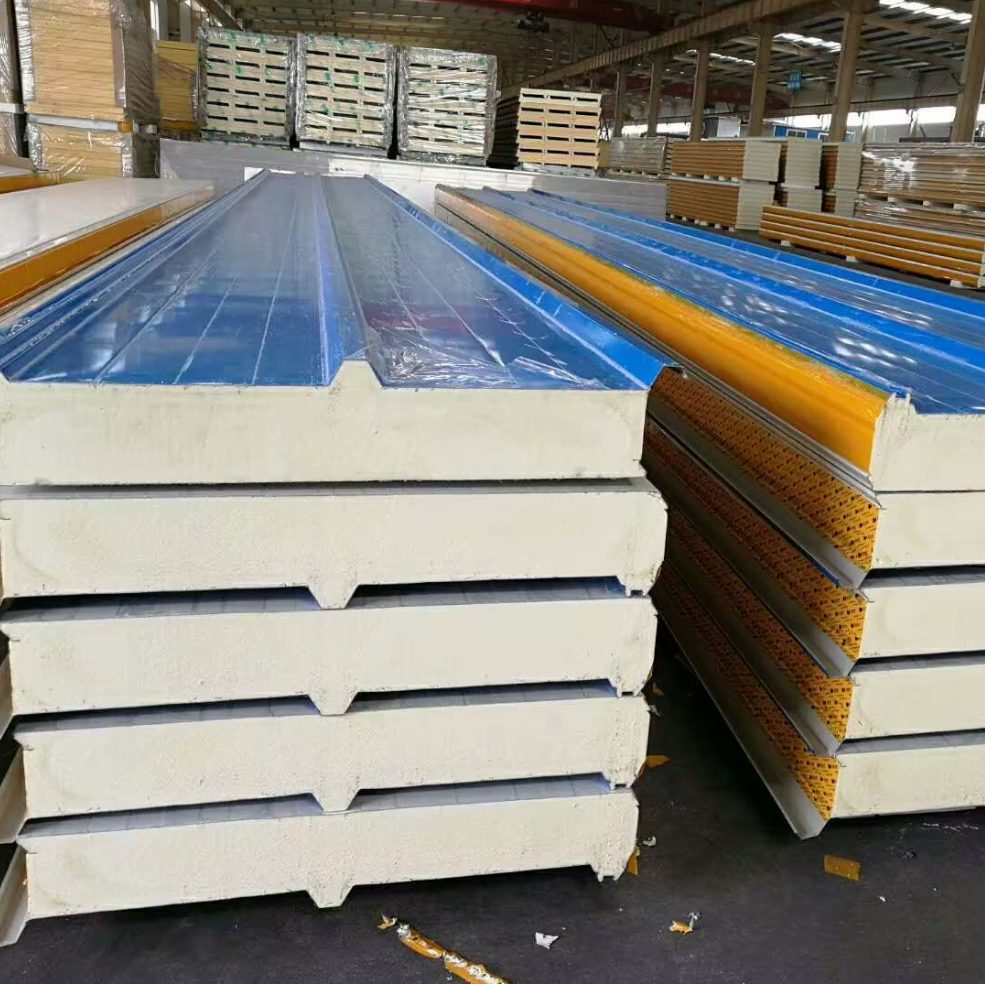
A common approach we see is to combine materials based on different areas of the project. For example, PIR or PU often goes into cold storage zones, while Rock Wool is used in areas where fire safety matters more. This kind of setup keeps things practical. It helps meet basic requirements without pushing costs too high.
Build Smarter for Global Projects
Choosing the right sandwich panel core is about balance. You need to match safety, cost, and performance with real project needs. If you are planning a cold storage or food facility project, it helps to review options early. A better material choice at the start can save time and avoid problems later.
Feel free to share your project details or drawings. We can help you find a practical solution that fits your market and your client’s expectations.
Post time: Mar-30-2026