

Modern agriculture demands efficiency and durability, and metal poultry farms provide the perfect solution for today’s farmers. These buildings offer a controlled environment for raising birds. They protect flocks from harsh weather and pests. Farmers increasingly prefer steel over wood or concrete. The global market for these structures grows by roughly 6% annually. Steel allows for rapid scalability and hygienic conditions. A controlled climate ensures higher survival rates. This directly boosts the farmer’s bottom line. The initial investment pays off through longevity. These structures represent the future of efficient meat and egg production.
Structural Characteristics of Metal Poultry Farms
The core of metal poultry farms relies on a rigid steel skeleton. Engineers typically use Q345B grade steel for the main frames. This high-strength material supports wide spans easily. Most poultry houses span between 12 and 15 meters. This width optimizes airflow without internal columns.
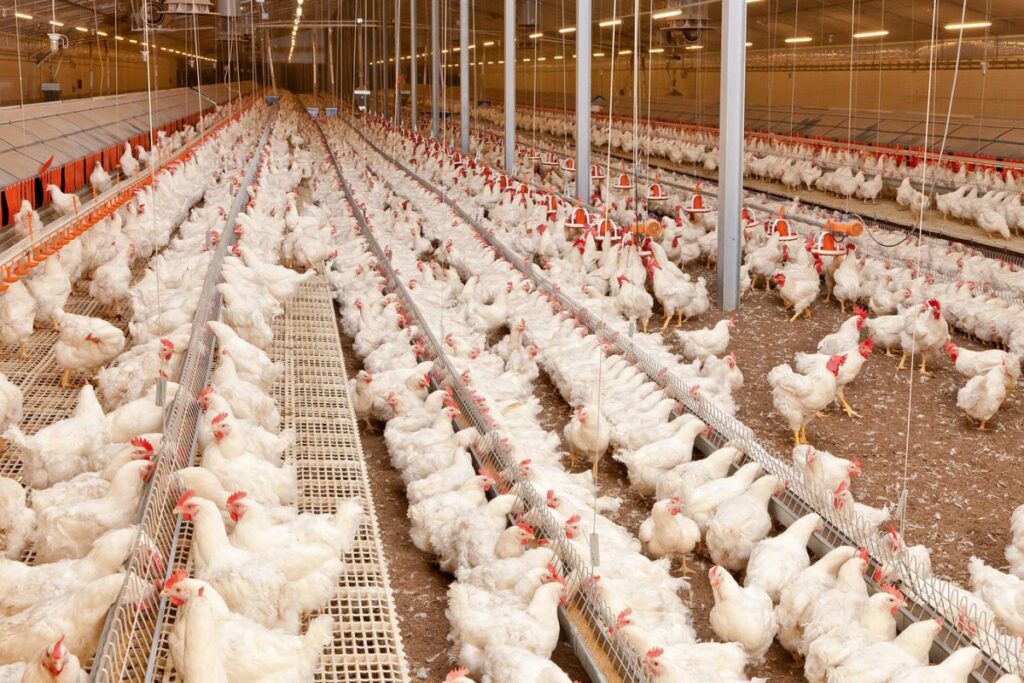
Roof purlins connect the frames together. Builders often select C-section or Z-section steel for purlins. These components generally measure 2.5 millimeters in thickness. They support the heavy weight of the roof cladding.
The roof pitch stays between 8 and 12 degrees to control rain flow. The structure uses purlins with a size of C160 or C180 to support the roof panels.
The wall girt system uses C140 members in most layouts. Many farms use sandwich panels with a density of 40 kg per cubic meter for insulation. This density ensures stable R-values and predictable moisture control. The design also separates dirty zones and clean zones with interior partitions.
Doors use galvanized frames with a thickness of 1.0 to 1.2 mm. The internal height often ranges from 2.5 to 3.0 meters. This height keeps air volume stable and improves ventilation efficiency. A modern broiler house needs airflow of 2.5 to 3.5 cubic meters per hour per kilogram of live weight, and the steel geometry allows direct airflow paths. Exhaust fans often reach diameters of 50 to 54 inches and deliver 18,000 to 21,000 cubic meters per hour. The structure carries these loads without vibration problems.
Key Advantages of Metal Poultry Farms
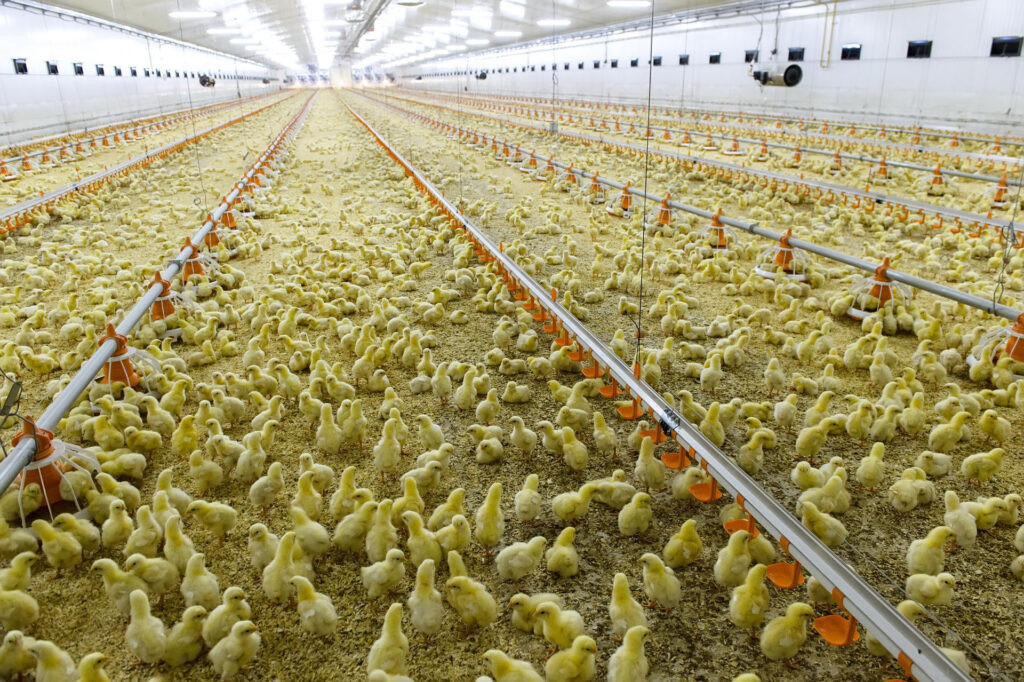
Speed defines the construction process of steel farms. A 1,000 square meter shed takes only about 20 days. This is 30% faster than traditional concrete building methods. Faster construction means the farm starts earning sooner. Farmers see a quicker return on their investment.
Durability serves as another major benefit. Steel resists the corrosive nature of poultry waste. Galvanization protects the structural members from rust. A zinc coating of 275 g/m² extends the lifespan significantly. These buildings easily last more than 50 years. Wood structures often rot within a decade.
Steel systems offer long service life and strong load capacity. A Q235 or Q345 steel frame reaches a yield strength of 235 to 345 MPa. The structure supports roof loads of 0.3 to 0.6 kN per square meter in most rural areas. Farm owners choose steel because they want stable performance in all seasons. The material resists deformation and keeps alignment for many years.
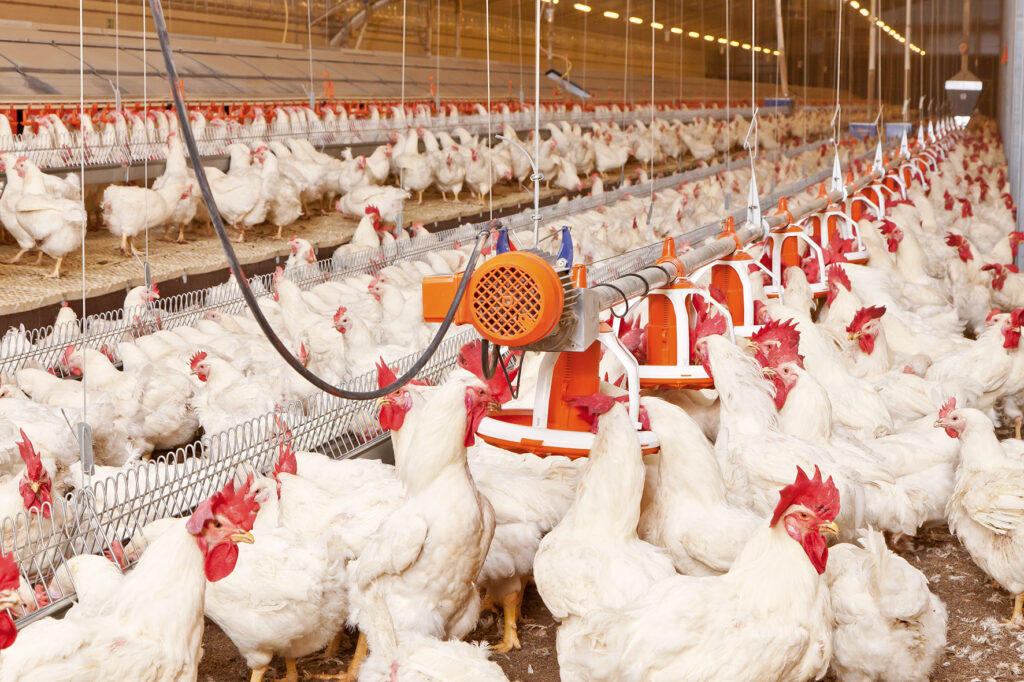
Biosecurity improves drastically with steel structures. Smooth surfaces do not harbor mites or bacteria. Wood cracks often hide dangerous pathogens. Steel eliminates this biological risk completely. Cleaning becomes a fast and simple task.
Fire resistance protects the valuable livestock. Steel does not fuel a fire. This feature lowers insurance premiums by nearly 15%. Eco-friendliness also attracts modern investors. The steel components are 100% recyclable. This reduces the farm’s environmental footprint.
Clear spans allow space for feeders, drinkers, and ventilation ducts. Thermal panels with a core thickness of 50 to 100 mm control heat transfer. This setup reduces energy use by 10 to 18 percent compared with thin wall systems. Farms gain predictable biosecurity because the envelope seals well and supports controlled airflow.
Layouts and Environmental Control
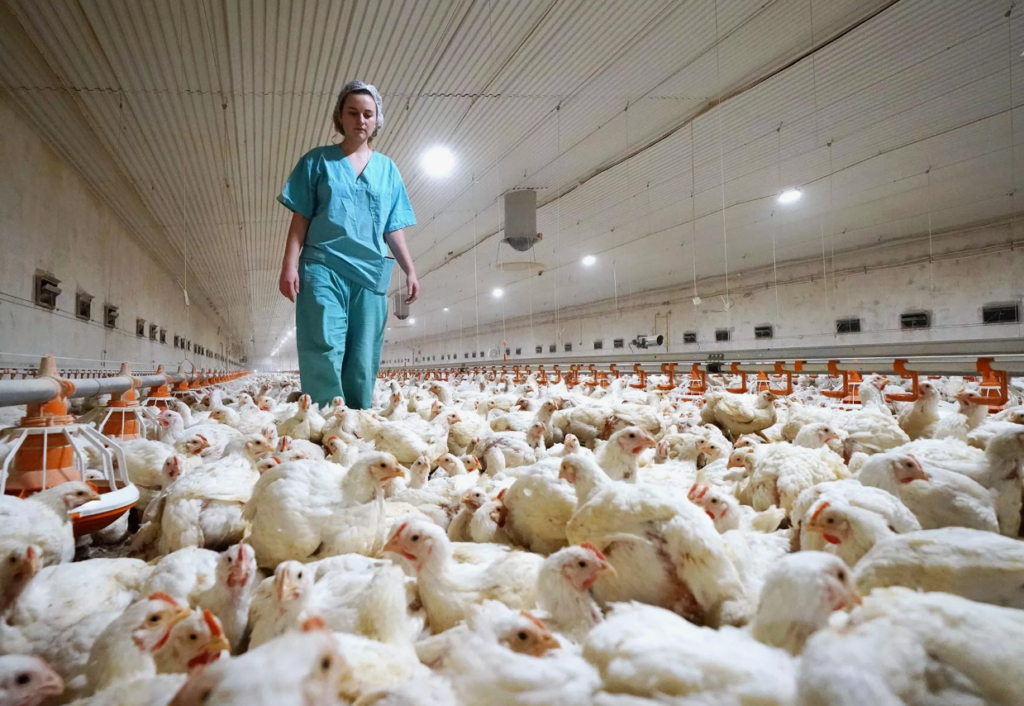
Engineers need to calculate density carefully. Broilers usually require 12 to 14 birds per square meter.
Temperature fluctuations can devastate a poultry flock. Insulation acts as the primary defense against weather. Sandwich panels form the walls and roof. These panels contain EPS, PU, or fiberglass wool.
A thickness of 50 mm to 75 mm is standard. This creates a thermal break from the outside. In cold climates, this saves massive energy costs. Heating bills drop by approximately 25% with proper panels. The building retains heat generated by the birds. In summer, the roof reflects solar radiation. White exterior panels reduce internal heat gain.
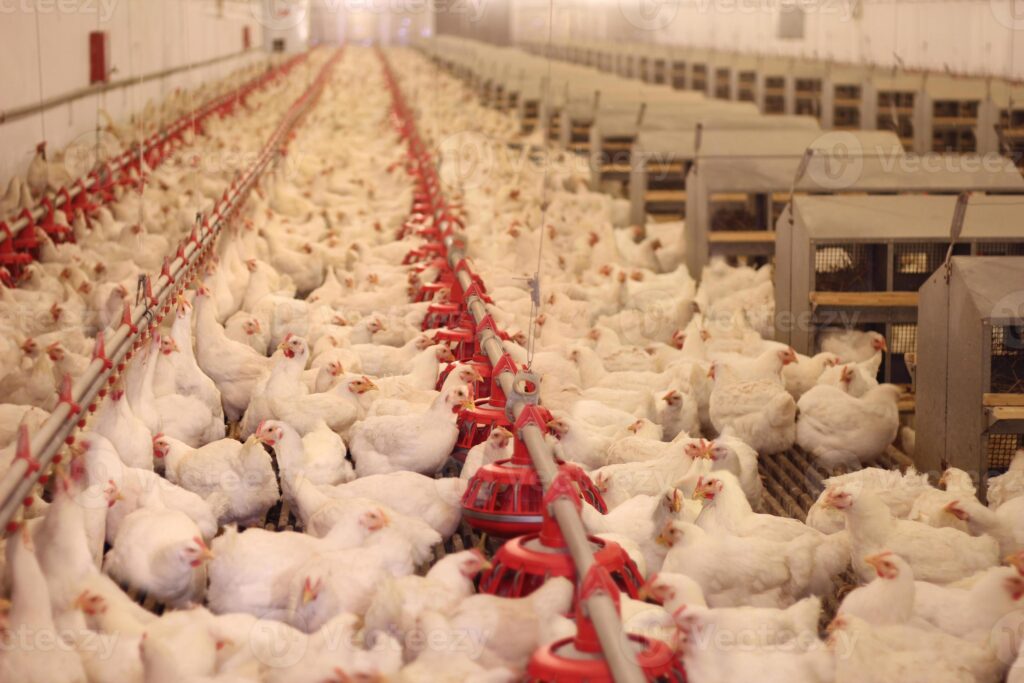
Lighting systems require strategic placement. LED lights provide uniform intensity. Dimmable lights help control bird activity levels. A schedule of 16 hours of light works best. This promotes consistent eating and growth patterns.
Cost Efficiency of Metal Poultry Farms
Initial quotes for steel may seem high. However, the total cost of ownership is lower. The shorter construction cycle reduces the labor cost of construction on the one hand, and at the same time shortens the return on investment cycle of funds. In addition, compared with reinforced concrete and wooden structures, metal chicken farms are more conducive to reducing energy consumption and disease prevention costs. The reuse rate of metal components is high and can be recycled and reused. Dismantling and moving the structure is possible. This flexibility adds to the economic appeal.
Post time: Dec-12-2025