

Integrated steel structure solutions have become increasingly popular. These solutions connect design, manufacturing, and material supply into one streamlined process, reducing risks and improving project outcomes.
End-to-End Design Integration
Many steel structure projects involve multiple contractors responsible for design, fabrication, and materials. This fragmented approach often leads to communication gaps, schedule delays, and rising costs. Industrial buildings, cold chain warehouses, and public facilities frequently face these challenges. An integrated steel structure solution solves these issues by connecting every stage of the project.
A professional engineering team manages the project from the early planning stage. Engineers develop optimized structural schemes based on the building function, span requirements, and local environmental conditions. Modern design tools such as BIM modeling help coordinate structural elements, equipment layouts, and building envelopes. This digital process allows designers to identify potential conflicts before construction begins.
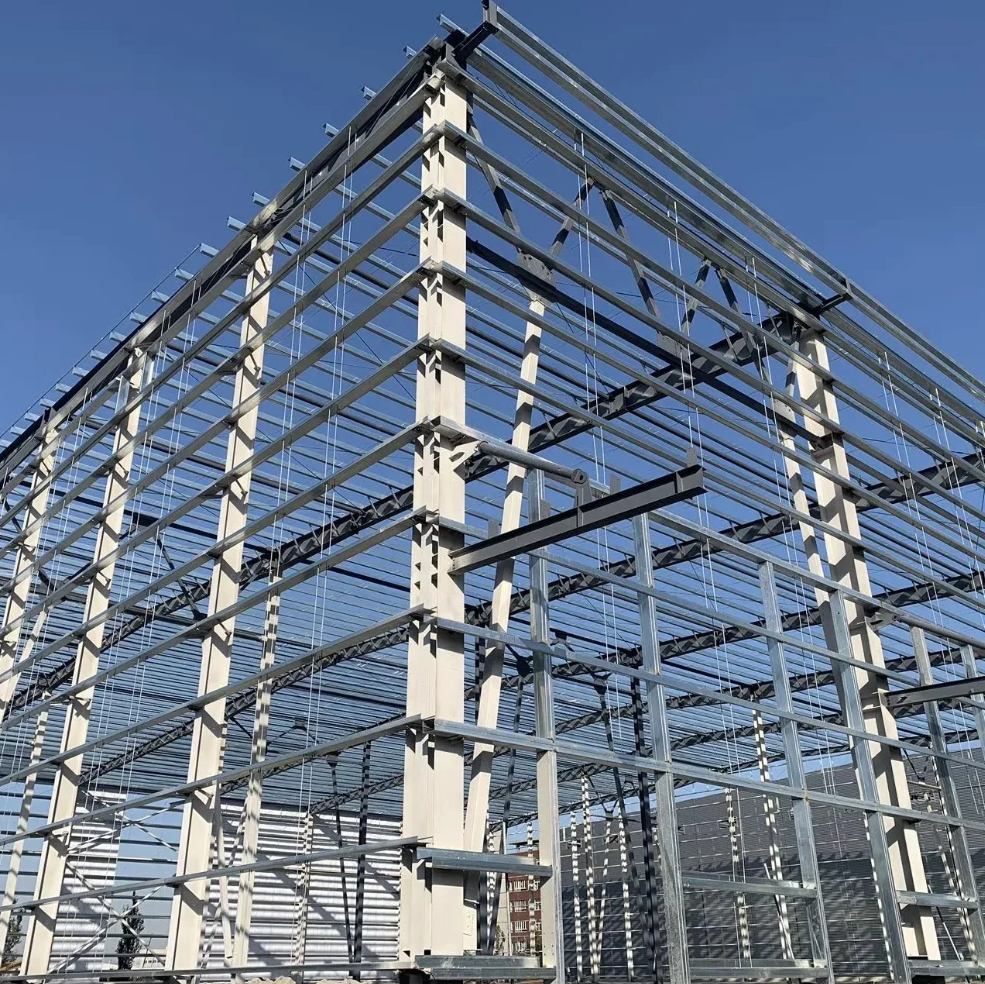
Early optimization also reduces unnecessary material consumption. Engineers analyze load distribution, steel member size, and joint design. These adjustments often lower steel usage while maintaining safety and strength. A typical optimized design can reduce structural material costs by 5–10 percent.
Detailed shop drawings play a crucial role in project success. Engineers convert conceptual designs into precise fabrication drawings. These drawings include connection details, component dimensions, and installation guidance. Fabrication teams follow these documents to produce accurate steel members.
Close collaboration between design and manufacturing teams also prevents common construction issues. For example, potential clashes between beams, columns, and mechanical systems can be detected early. Designers adjust layouts before fabrication begins. This coordination reduces on-site rework and shortens the construction timeline.
Precision Manufacturing and Integrated Panel Supply
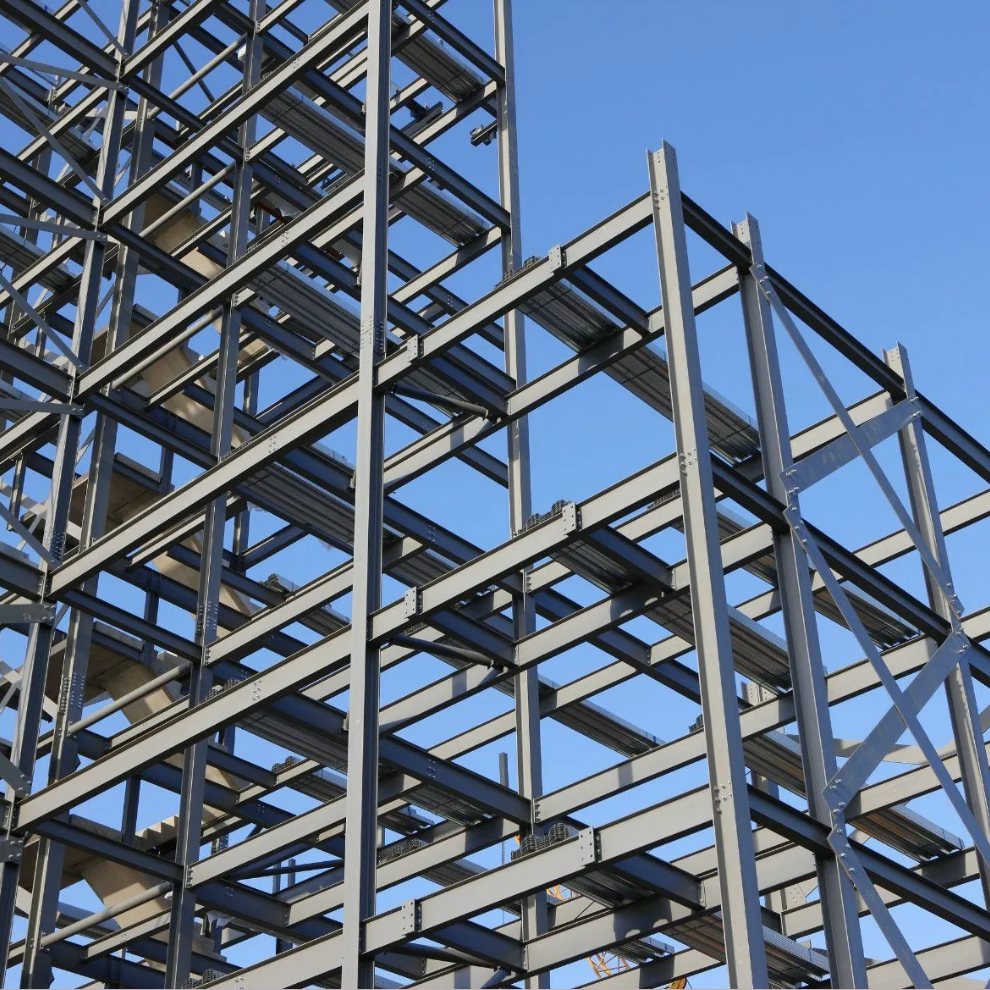
High-quality steel structures depend on reliable manufacturing processes. Modern factories use automated production lines and strict quality management systems. These facilities ensure consistent precision for every structural component.
Manufacturing usually begins with CNC cutting equipment. These machines shape steel plates and sections according to detailed shop drawings. Automated welding systems then join components with high consistency and strength. Skilled technicians monitor each stage to maintain accuracy.
After welding, steel members undergo straightening and dimensional correction. This step ensures proper alignment for beams, columns, and frames. Protective treatments follow the shaping process. Anti-corrosion coatings and fire-resistant layers extend the lifespan of steel structures and improve safety performance.
Quality inspection remains essential throughout production. Technicians perform ultrasonic or magnetic particle testing on critical welds. Dimensional inspections confirm that each component meets design tolerances. These procedures guarantee reliable performance for key structural elements such as H-beams, portal frames, purlins, and bracing systems.
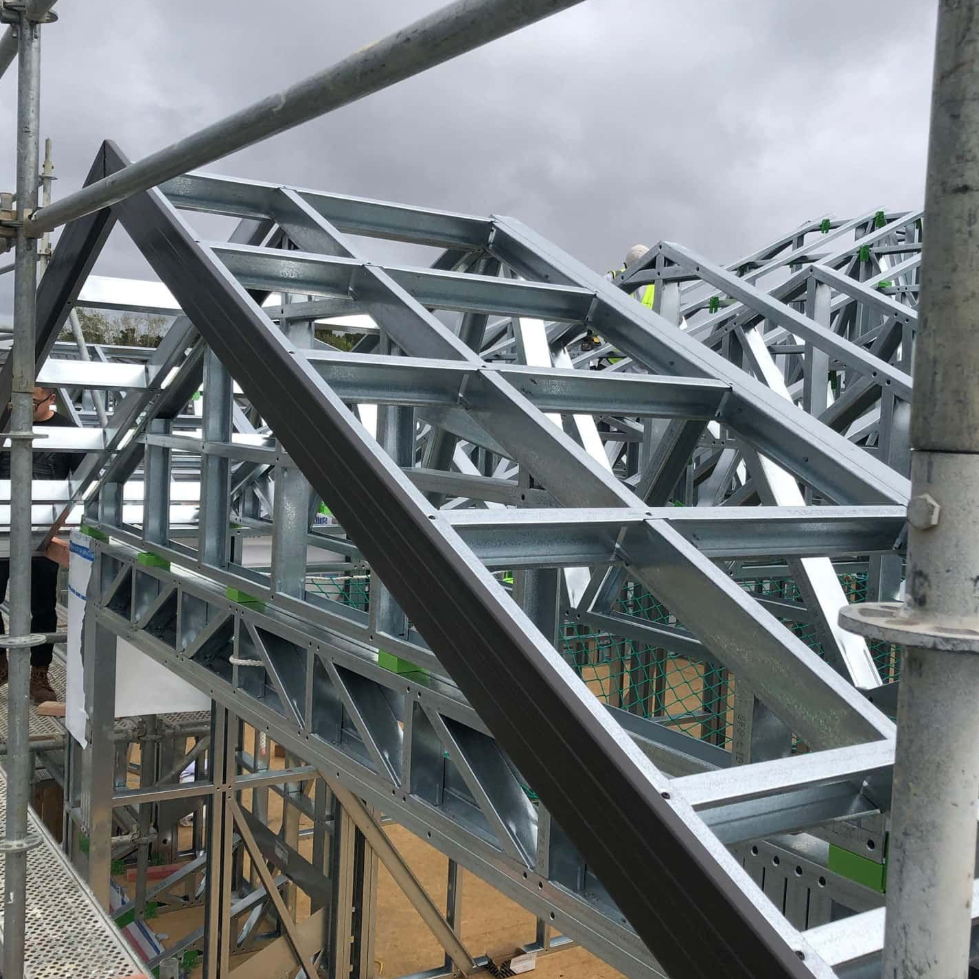
Another advantage of integrated steel structure solutions is synchronized building envelope supply. Steel structures require compatible enclosure materials. Common options include polyurethane sandwich panels, rock wool composite panels, cold storage panels, and metal facade panels.
When one supplier provides both structural components and enclosure panels, the project gains clear benefits. Materials arrive with consistent specifications and coordinated delivery schedules. Construction teams avoid delays caused by mismatched materials or uncoordinated suppliers. This approach proves especially valuable for high-standard factories, large cold storage facilities, and prefabricated buildings. This also helps to coordinate the logistics of materials.
One Team, One Process, Better Project Results
An integrated steel structure solution covers the entire process. The same team handles design optimization, detailed engineering, component fabrication, panel production, quality inspection, and logistics delivery. This unified approach greatly simplifies project management.
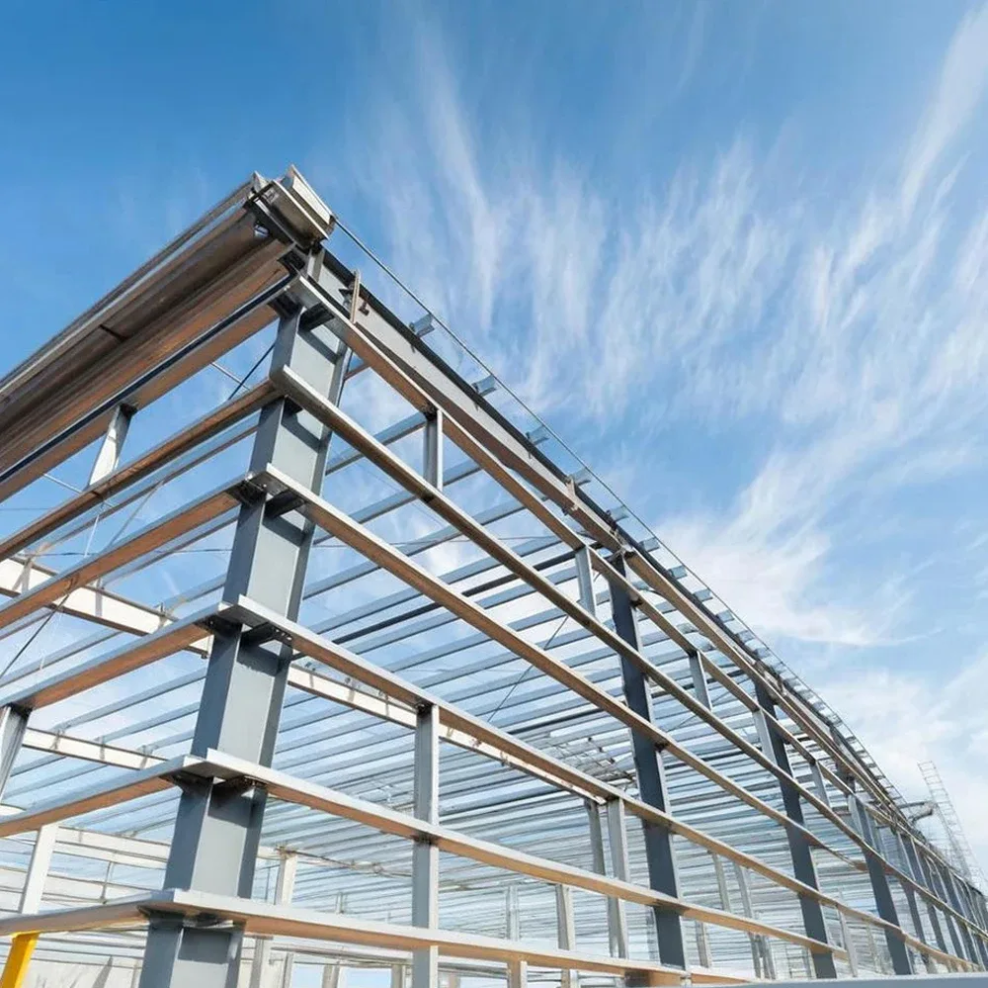
Fewer suppliers mean fewer communication layers. Decision making becomes faster and clearer. Project owners maintain stronger control over schedule and budget. Many large industrial projects report construction cycles shortened by 15–20 percent through integrated delivery.
This model also improves quality consistency. Design teams understand manufacturing capabilities. Fabrication teams follow precise engineering guidance. Panels and structural components match perfectly during installation.
Post time: Mar-06-2026