

An ice fishing house offers warm shelter on frozen lakes during winter. Many anglers use this house to extend fishing time in harsh weather. A strong design keeps wind, snow, and cold away. The indoor temperature often stays near 15°C even when the outside temperature drops to –20°C. The house creates a safe and comfortable space for long fishing sessions. Many modern units include insulation, heaters, and reinforced floors. These features increase safety on ice. The house also helps anglers protect equipment during long trips.
Main Characters Of Ice Fishing House
An ice fishing house focuses on warmth, strength, portability, and safety. These four characters support long hours on ice. The structure handles extreme cold as low as –30°C. A small heater of 2 kW often keeps the room warm. The controlled space helps anglers stay comfortable when strong winds blow across the lake.
Strength forms the next character. A solid frame supports people, equipment, and snow. Many houses hold loads of 300 kg to 500 kg on the floor. This strength keeps anglers safe when ice conditions change. The walls also resist wind speeds up to 60 km/h. Good stability helps the house stay steady.
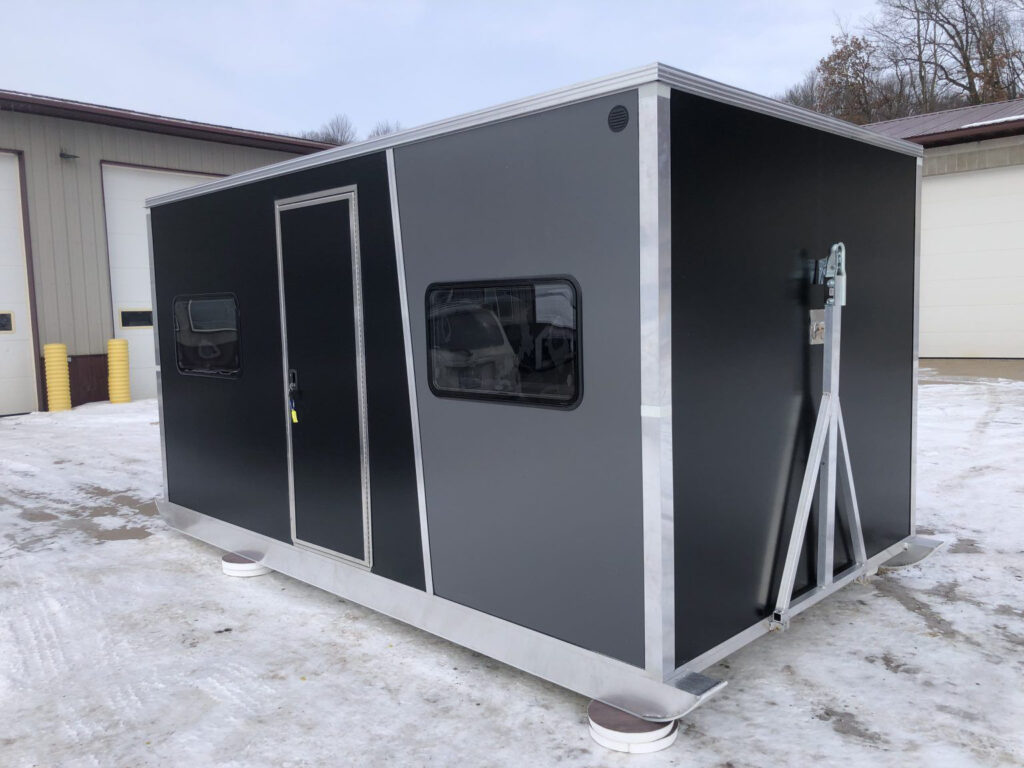
Portability adds real value for daily trips. Many small houses weigh less than 70 kg. Larger insulated houses may weigh 150 kg to 250 kg. Anglers often tow these houses by hand or by snowmobile. Easy setup also saves time during cold mornings. Many systems expand within ten minutes.
Many houses include vents for better airflow. These vents reduce moisture from fishing holes. Moisture removal helps keep gear safe and dry.
Structural Design Of Ice Fishing House
The frame shapes the entire ice fishing house. Most designs use aluminum or steel frames. Aluminum keeps the weight low. A 2 m × 2 m house may use only 15 kg of aluminum tubing. Steel frames add strength. A similar steel frame may weigh 25 kg but offers more support.
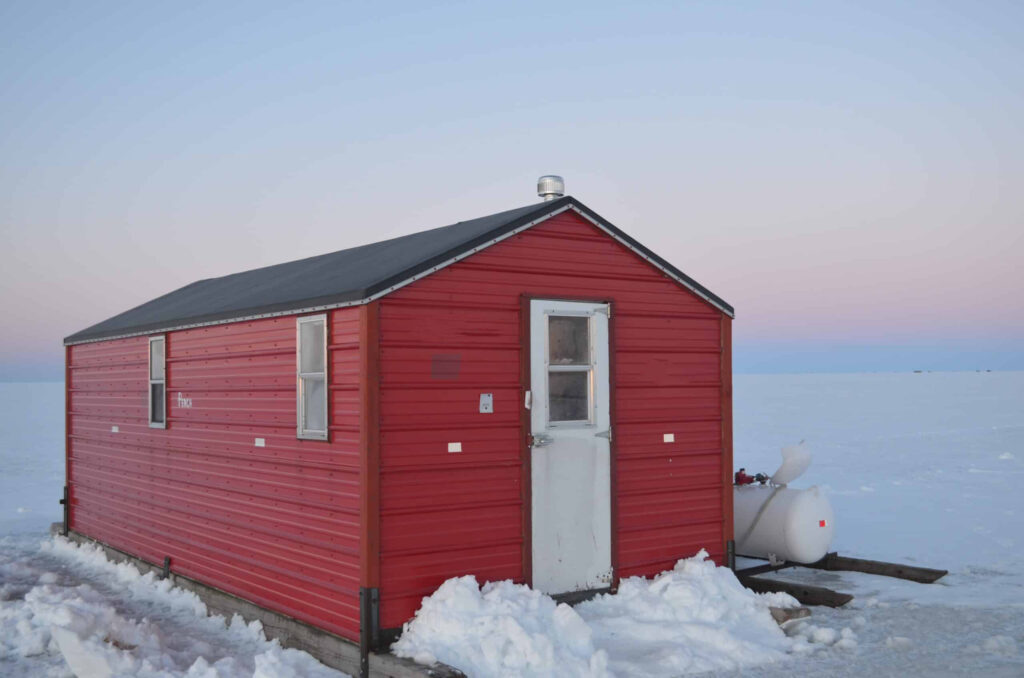
The roof design protects against snow load. A standard roof holds 150 kg of snow without deforming. Large models support snow loads of 300 kg. Proper slope helps snow slide off during storms. Roof beams often use 25 mm or 30 mm tube sections. These beams keep the house stable under changing weather.
Wall stiffness also matters. Insulated models use PU or EPS panels with 40 mm to 100 mm thickness. A 60 mm insulated panel reduces heat loss by almost 25% compared to a 40 mm panel. Good insulation keeps the heater running efficiently.
The floor stays strong because it supports the angler, the chair, and gear. Many floors use plywood panels between 10 mm and 15 mm thick. Some floors use aluminum plates for wet areas. A 2 m × 3 m floor may handle 400 kg of total load. Anti-slip surfaces prevent falls during wet conditions.
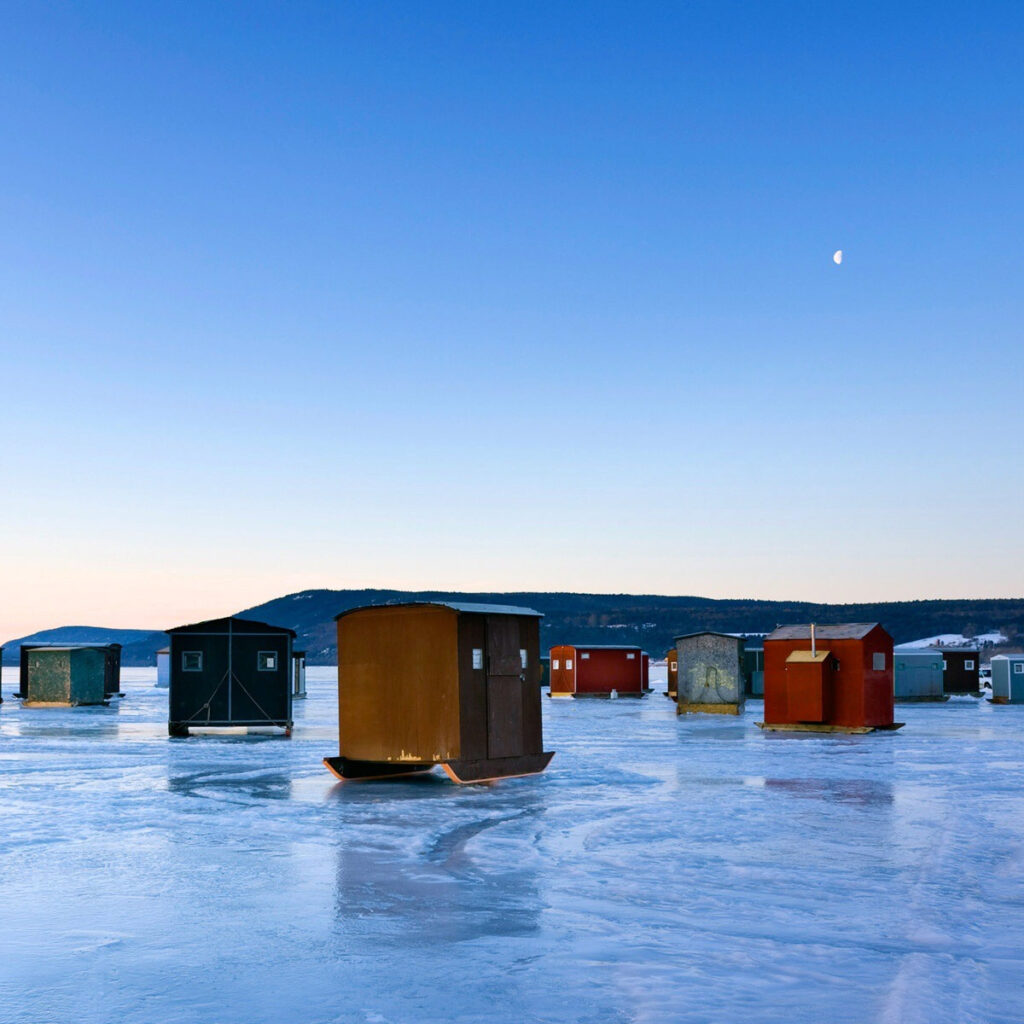
Doors and windows complete the design. Many doors include double zippers or insulated frames. Windows use clear PVC or double-layer acrylic. A good window size stays near 30 cm × 30 cm. These windows allow anglers to watch the outside without losing heat.
Insulation, Heating, and Climate Control
Insulation keeps the ice fishing house warm during long sessions. The lower the temperature in winter, the thicker the thickness of the sandwich panels on the walls of the ice fishing room. A 60 mm PU panel offers a thermal conductivity near 0.022 W/m·K. This insulation cuts heat loss by up to 30%.
Heaters control indoor comfort. Both gas heaters and electric heaters can effectively increase the temperature of the room and give fishing enthusiasts a better experience.
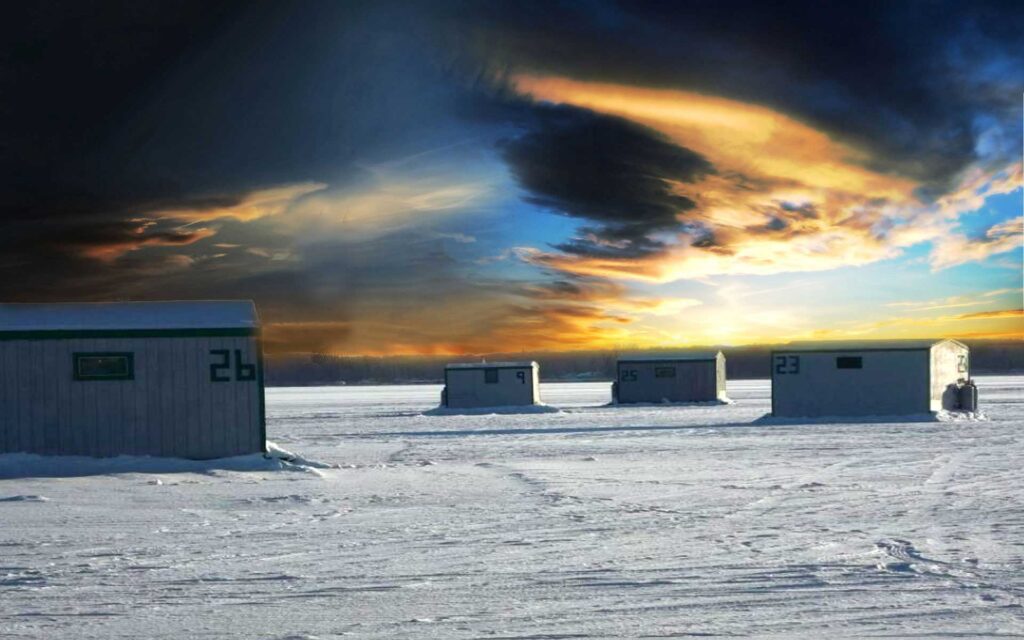
Ventilation protects air quality. A small vent of 10 cm diameter removes moisture from fishing holes. A larger vent near the roof releases warm air when heaters run too long. Many houses also include adjustable vents to prevent CO buildup. Good airflow reduces condensation on windows.
Lighting improves visibility. LED strips of 10 W brighten small spaces. Larger houses may use 20 W LED systems. These lights produce almost no heat. Proper climate control helps anglers focus on fishing instead of fighting the cold. Good insulation and heating allow long and enjoyable sessions.
Key Parts Of Ice Fishing House
An ice fishing house includes several important parts that support daily use. The floor, frame, wall panels, heater, vents, holders, and fishing holes form the main components. The fishing holes need careful placement. A small house often includes two holes. Larger designs may include four or six holes. Each hole usually measures 20 cm × 30 cm. This size allows easy movement of fishing gear.
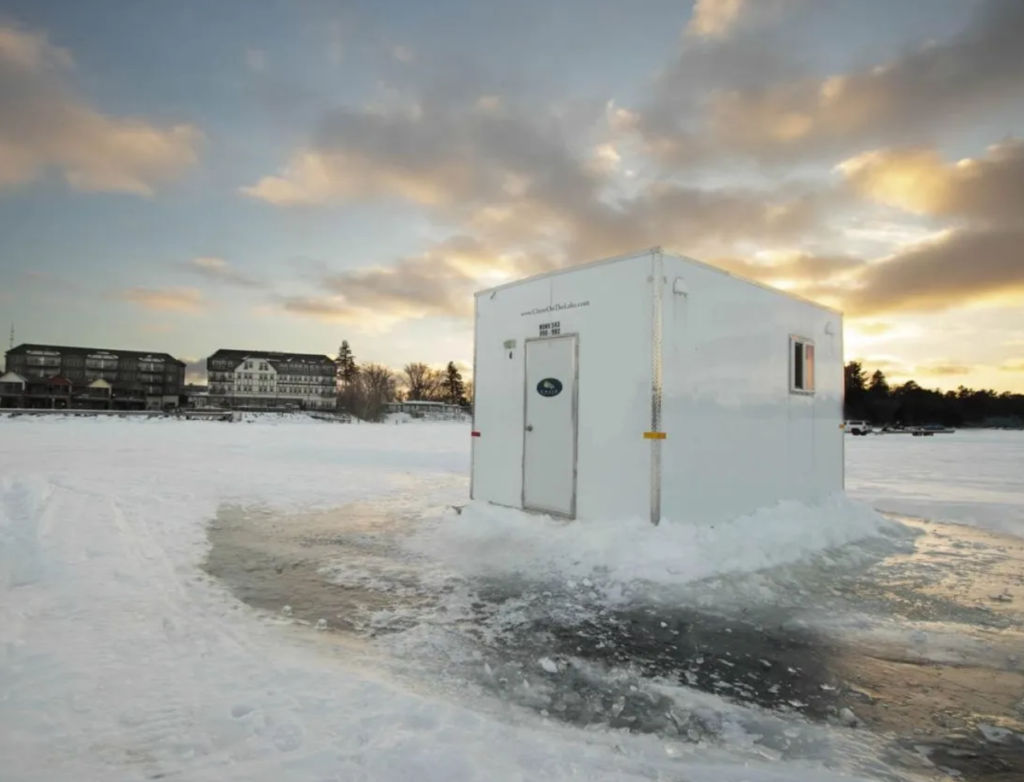
Rod holders keep hands free. Many systems include two to four holders. Seats also matter. Folding chairs, benches or sofas with storage functions are ideal.
Storage areas support long trips. Shelves hold items such as bait, tools, and food. A small shelf may hold 5 kg to 10 kg. Larger shelves may hold up to 20 kg. Many houses include hooks for jackets and lanterns.
Anchors keep the house stable. A medium house uses four ground anchors to resist wind. Each anchor often resists up to 150 N of pull force. Strong anchoring keeps the house in place during storms.
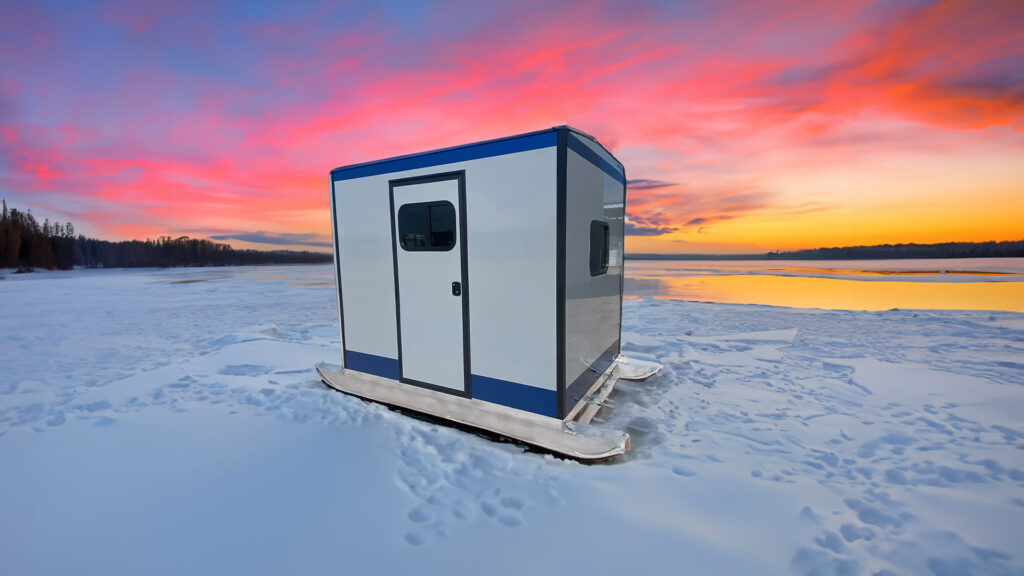
Windows improve visibility. A 30 cm × 30 cm acrylic window lets in natural light. Some houses include two or three windows for better views. Reflective strips on the walls improve safety during dark conditions.
Many houses use stronger corner joints for long service. A simple corner joint handles 50 kg of pressure. A reinforced corner may handle 80 kg. Good parts improve comfort and performance.
An ice fishing house offers warmth, safety, and comfort during winter fishing trips. A well-designed ice fishing house helps anglers stay warm and safe even during harsh winter storms. This shelter creates a reliable space for long and enjoyable fishing sessions.
Post time: Dec-09-2025