

A sandwich panel seems straightforward to specify until you sit down with three competing options — rock wool, PIR, and PU — and realize they don’t actually compete on the same terms. Each material makes a different trade-off between cost, fire performance, and thermal efficiency. Choosing the wrong one for your project type doesn’t just affect the initial budget. It affects compliance, energy bills, and long-term risk.
So how do you navigate that trade-off without overcomplicating the decision?
Understanding What Each Material Actually Offers
Rock wool sandwich panel systems lead on fire performance. Rock wool is non-combustible and carries the highest fire resistance ratings available in panel form — typically A1 or A2 classification depending on facing specification. Consequently, they suit projects where fire risk is a primary concern: chemical plants, food processing facilities, aircraft hangars, or any structure where insurers or regulators impose strict fire rating requirements.
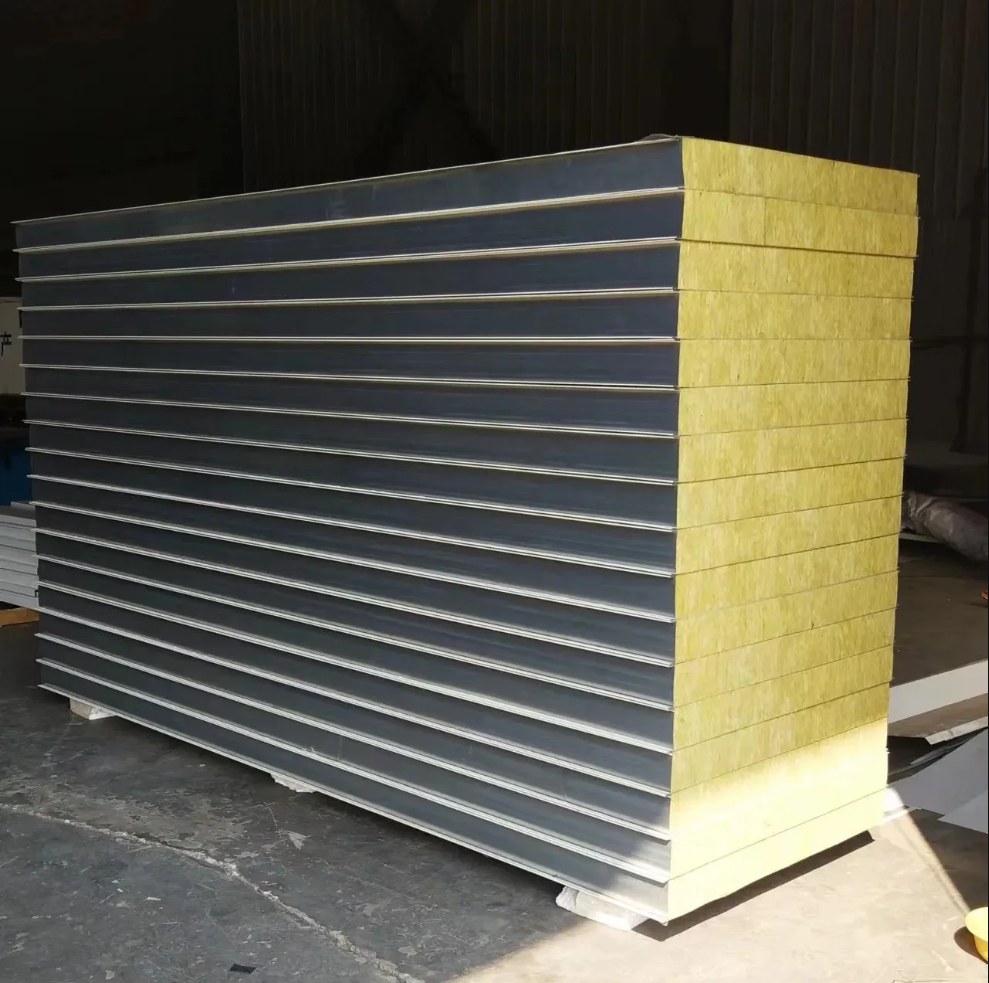
However, rock wool panels carry a thermal conductivity disadvantage. Their lambda value is significantly higher than PIR or PU alternatives, meaning you need more thickness to achieve the same insulation performance. For cold storage applications targeting -18°C or lower, rock wool alone rarely delivers adequate thermal efficiency at practical panel thicknesses. Furthermore, rock wool panels are heavier, which affects structural load calculations and handling costs on site.
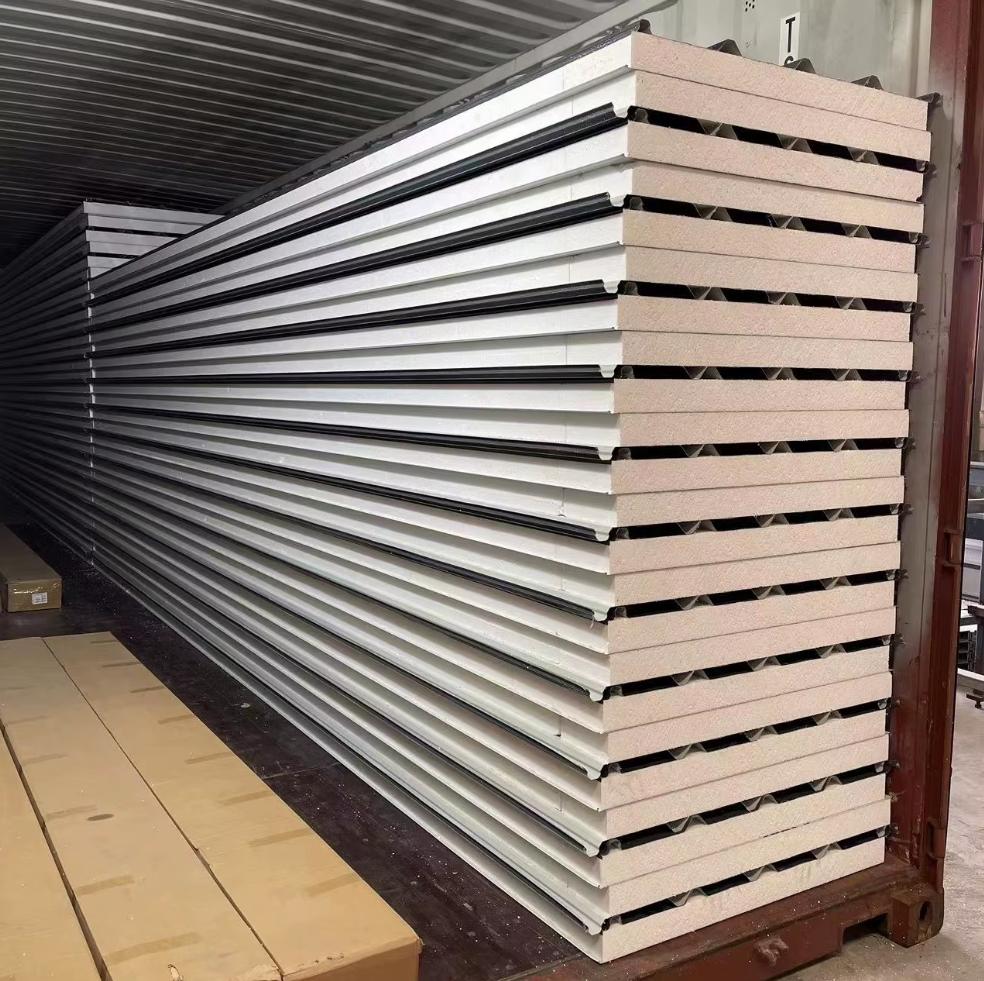
PIR panels sit in the middle of this triangle. They offer excellent thermal performance — better than PU in most formulations — and carry fire ratings of B or better, which satisfies most commercial and light industrial requirements. They cost more than PU but less than a fully specified rock wool system. For warehouse, logistics, and commercial refrigeration applications, PIR frequently represents the best balanced specification.
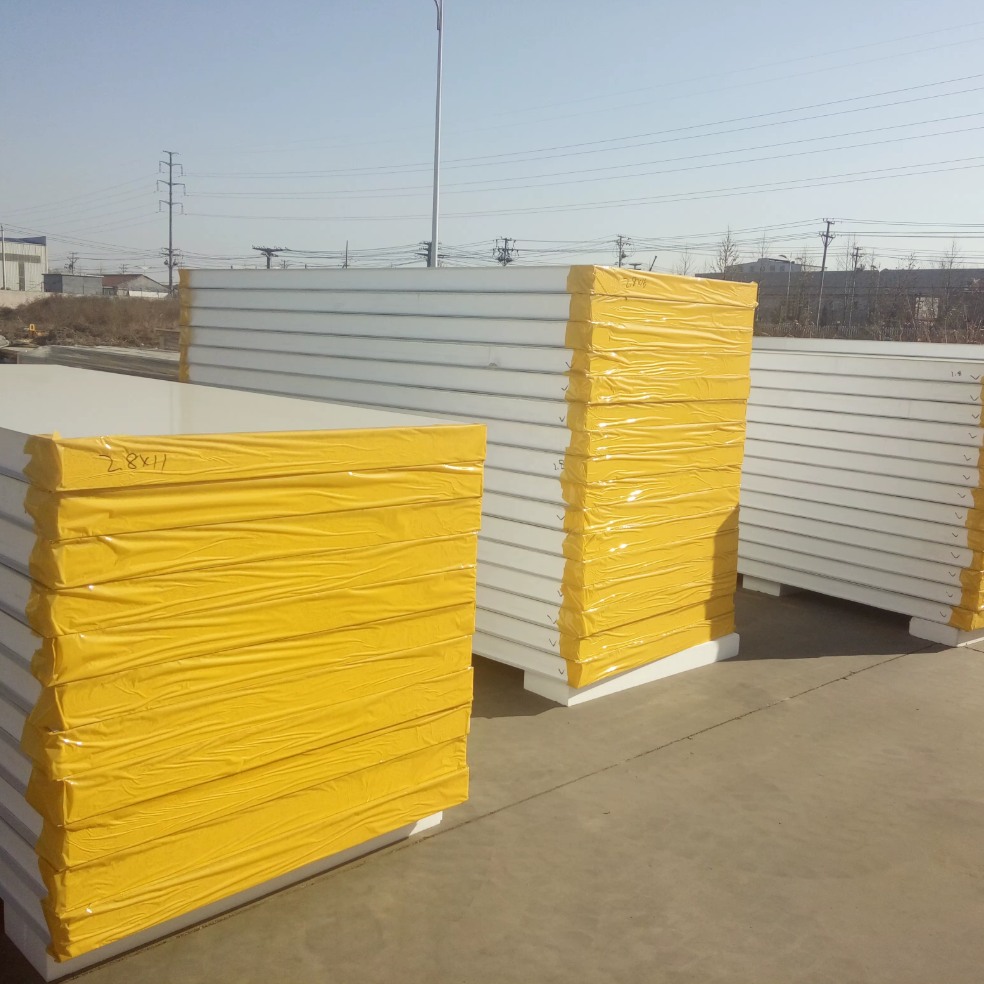
PU sandwich panels deliver the strongest thermal performance per millimeter of thickness and the lowest unit cost among the three options. They suit cold storage, controlled atmosphere rooms, and any application where thermal efficiency is the primary driver and fire rating requirements sit at a standard commercial level. The trade-off is that PU carries a lower fire classification than rock wool or PIR, which matters significantly in certain project categories.
Making the Decision for Your Specific Project
The mistake most buyers make is treating panel selection as a purely financial decision. They compare unit prices across the three material types and select the cheapest option that appears to meet the basic specification. However, the real cost comparison needs to include fire compliance requirements, refrigeration energy load, structural impact, and insurance implications.
Start with fire classification. Identify the required rating for your jurisdiction and project type before shortlisting materials. If your project requires A2 classification, rock wool is the answer regardless of price. If B classification satisfies the requirement, PIR opens up immediately.
Then assess the thermal requirement. For ambient or light temperature-controlled spaces, rock wool or PIR at standard thickness performs adequately. For deep cold storage below -20°C, PU or high-performance PIR at appropriate density and thickness is necessary to achieve operational efficiency.
Finally, consider total installed cost — not just panel unit cost. A thicker rock wool sandwich panel system may require a heavier supporting structure. A higher-density PU system may cost more per panel but reduce compressor running costs enough to recover the difference within two or three operating seasons.
If you’re currently selecting panel materials for an upcoming project and the fire, thermal, and cost requirements feel like they’re pulling in different directions, that’s exactly when a supplier conversation adds real value. Getting the specification right at this stage prevents expensive substitutions later.
Post time: Apr-24-2026