

In steel buildings projects, steel materials often account for 50%–70% of the total cost, depending on project type and complexity. Steel prices change frequently due to iron ore supply, policies, and market demand. In recent years, price fluctuations of 10-15% per ton have not been unusual. Without proper control, this can directly impact project budgets and profit margins.
For EPC contractors and large general contractors, pricing is not just about numbers. It is about risk control, execution reliability, and long-term profitability. After all, no company wants to bear million-level losses due to price fluctuations caused by unexpected events. A qualified supplier must move beyond one-time quotations. Instead, they should offer a structured pricing strategy that ensures transparency, flexibility, and accountability throughout the project lifecycle.
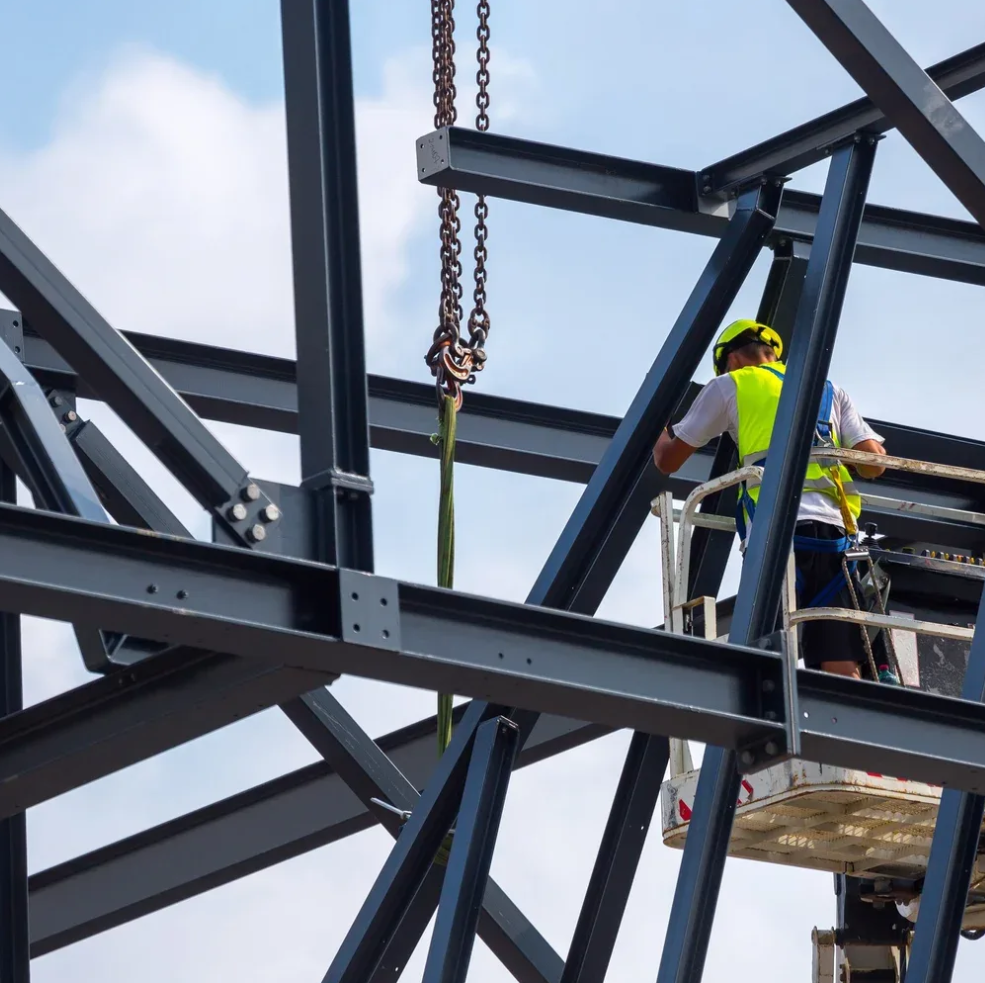
Transparent Cost Structure and Risk-Sharing Mechanism
A reliable quotation for steel buildings starts with a clear and transparent cost breakdown. Instead of offering a lump-sum price, suppliers should list each component. These include raw steel cost, fabrication fees, transportation, inspection, and auxiliary materials such as high-strength bolts and fireproof coatings.
Steel pricing must also include a clear reference point. For example, suppliers can define a base price linked to a recognized market index. They should also explain how they calculate this price. This helps contractors verify the fairness of the quotation and avoid hidden costs later.
Risk-sharing is equally important. Steel prices can rise or fall during long project cycles. Deliberately raising quotes to transfer risk may seem to provide a sense of security, but it is not conducive to the establishment of long-term cooperative relationships. A well-designed mechanism defines how both parties share this risk. For example, price adjustments can be triggered when market fluctuations exceed a certain percentage. Both sides can agree on a sharing ratio in advance.
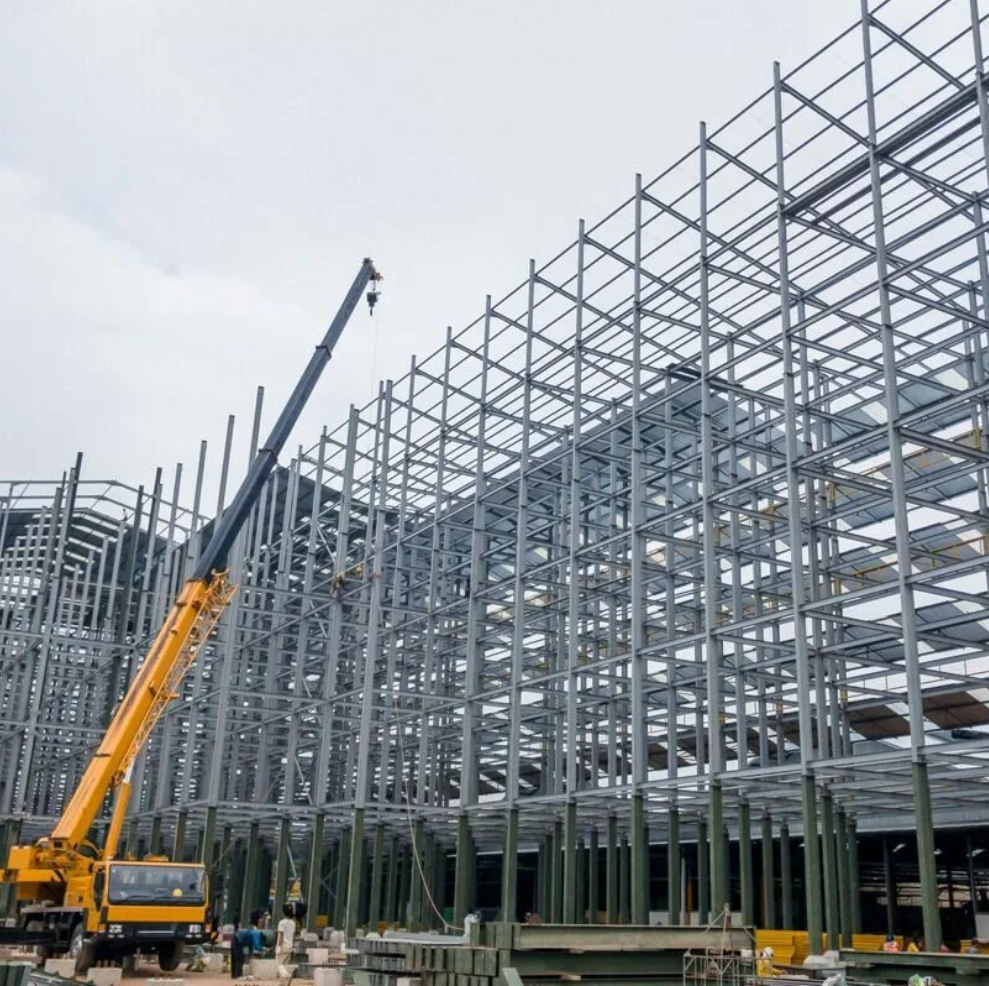
Clear rules reduce disputes. They also improve trust between contractors and suppliers. For large-scale steel structures and industrial projects, this approach supports better financial planning and smoother execution.
Flexible Pricing Strategy and Delivery Assurance
Different steel buildings projects require different pricing strategies. Short-term projects with stable demand can adopt fixed pricing. This approach locks the price for a defined period and protects both sides from sudden market changes.
Long-term projects need more flexible solutions. A staged pricing model allows contractors to lock prices in phases based on project milestones. Another option is a linked pricing mechanism, where steel prices adjust according to market indices. Early warning systems can also help. When prices approach a risk threshold, both parties can respond quickly and adjust procurement plans.
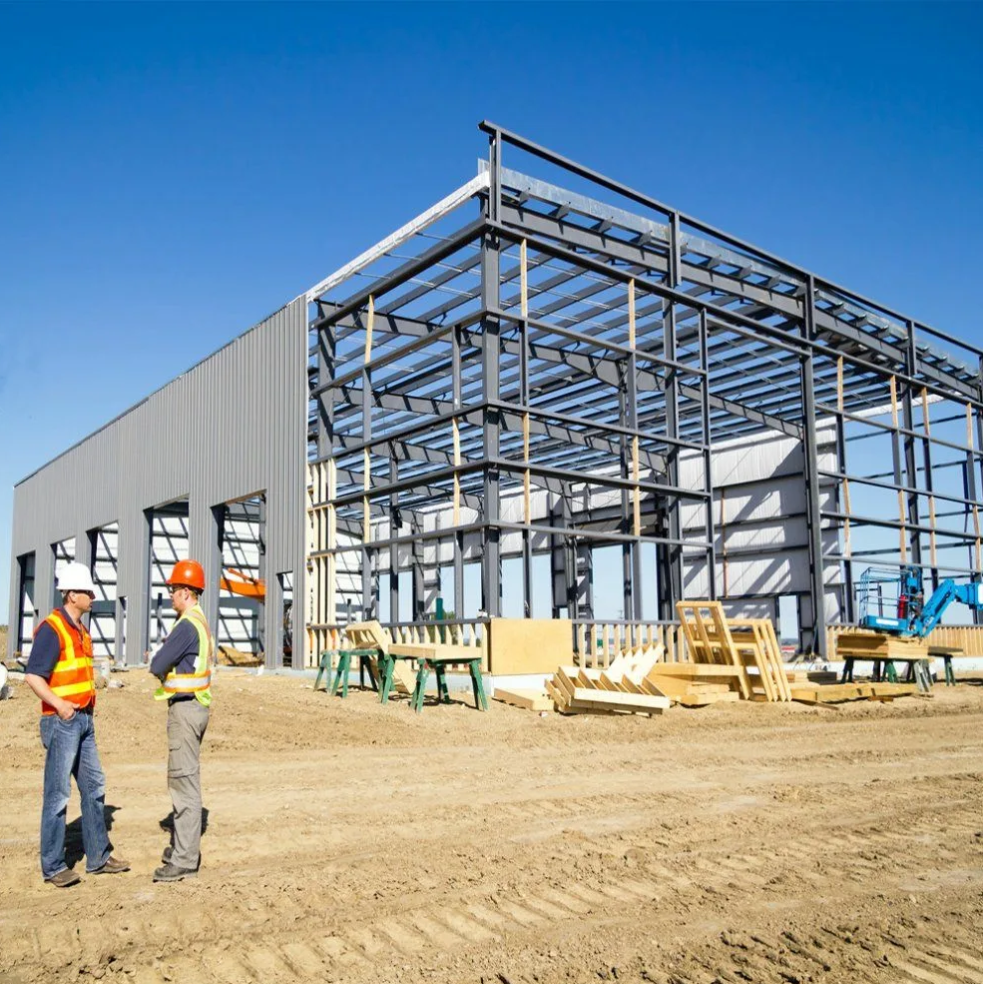
Delivery capability is just as critical as pricing. A strong supplier should have stable partnerships with major steel mills and sufficient production capacity. They should also provide clear commitments on lead time and quality control.
For prefabricated steel structures and modern metal building systems, consistent supply ensures that construction schedules stay on track. Suppliers should also offer standard documentation, inspection reports, and technical support. These services help contractors reduce uncertainty and improve project control.
A professional approach to steel buildings pricing combines transparency, flexibility, and execution strength. It not only protects suppliers from market risks but also helps EPC contractors achieve better cost control and project success.
Post time: Mar-27-2026