

In any steel workshop project, structure selection should match span, load, and budget rather than follow trends. Choosing the right structural system determines the cost, durability, and efficiency of a modern industrial building.
Portal Frame System: High Efficiency and Cost Control for Small and Medium Steel Workshop Projects
The portal frame structure remains the most widely adopted solution in modern steel workshop construction. Engineers form rigid frames by connecting steel columns and steel beams, which create a clear load path and stable force transmission mechanism. This structural clarity simplifies calculation, detailing, and fabrication.
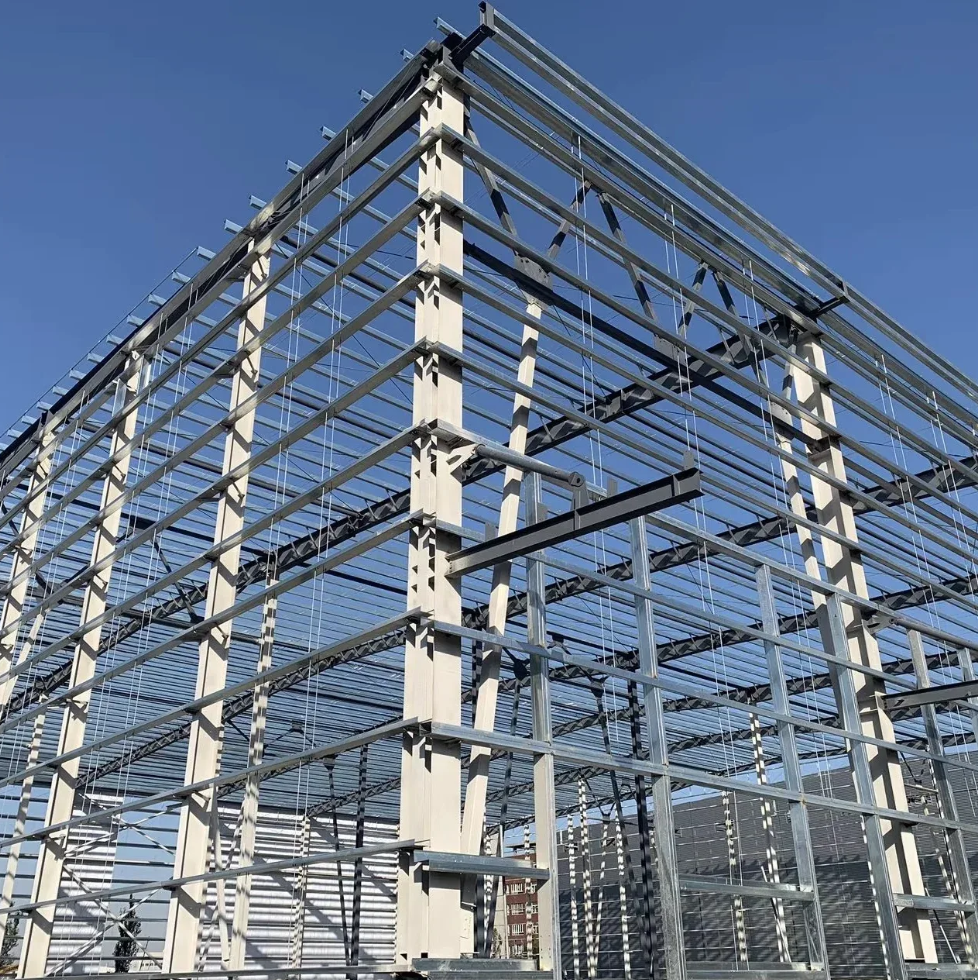
Portal frames typically suit spans between 8 and 30 meters, with eave heights ranging from 6 to 12 meters. These dimensions meet the operational needs of light manufacturing plants, machining facilities, agricultural processing units, and standard warehouses. Because components follow standardized sections, factories can prefabricate most elements under controlled conditions. On-site crews then complete bolting and lifting within a short timeframe. Compared with reinforced concrete buildings of similar size, construction periods often decrease by 30% to 50%.
Cost efficiency represents another decisive advantage. Fabricators usually select Q235B or Q355B structural steel, which offers reliable yield strength and stable welding performance. Material utilization rates often exceed 90% due to optimized cutting layouts. Simple node connections reduce labor intensity and fabrication complexity.
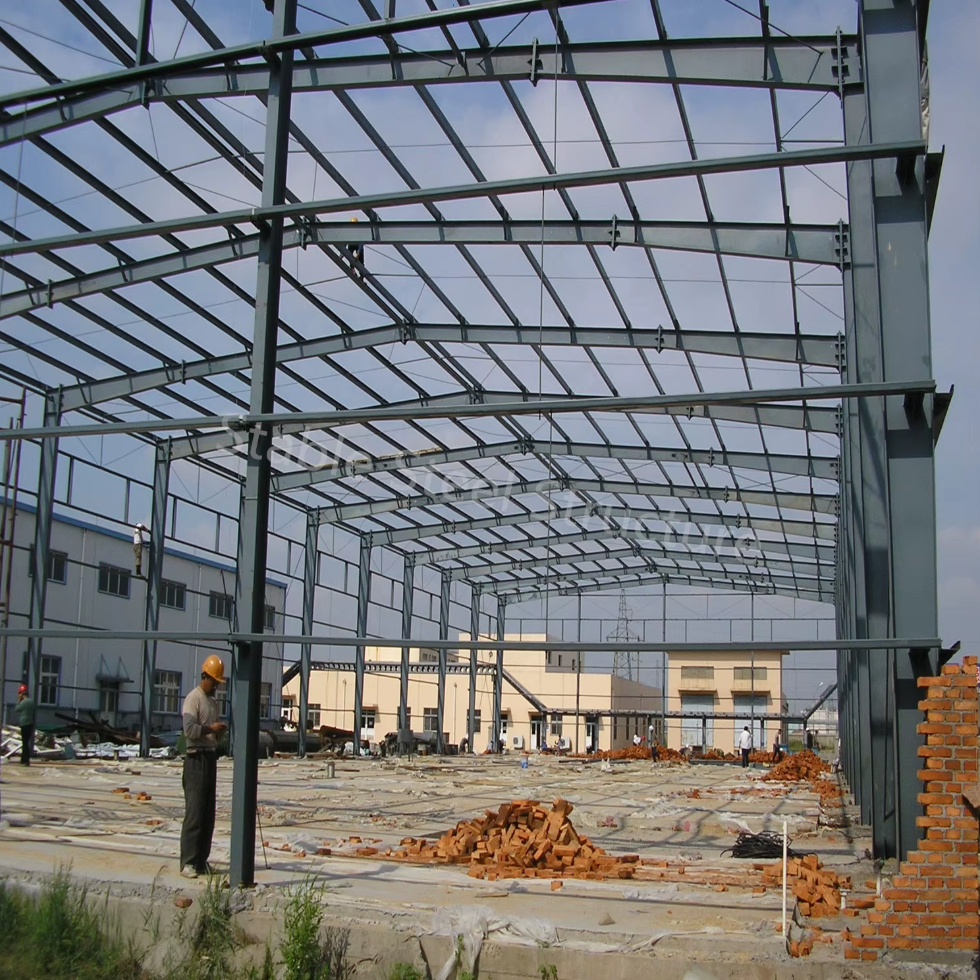
For investors who prioritize rapid construction, predictable budgeting, and moderate span requirements, a portal frame steel workshop delivers strong economic value while maintaining sufficient structural safety.
Space Frame and Truss Systems: Expanding Span Capacity and Structural Performance
When a steel workshop requires large unobstructed space, designers often turn to space frame systems. A space frame consists of multiple steel members arranged in a three-dimensional grid. This configuration distributes loads evenly across the structure and enhances global stiffness. Spans can exceed 30 meters and sometimes reach 60 meters or more, depending on design parameters.
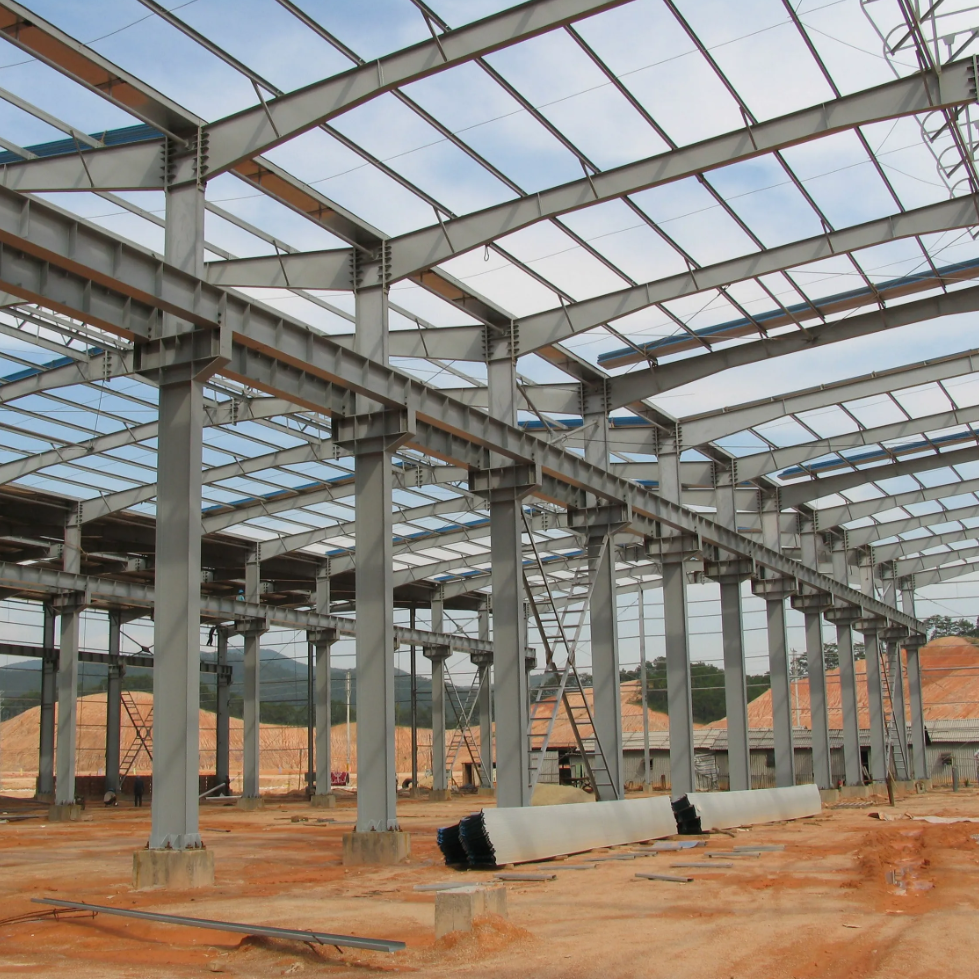
Large logistics centers, aircraft assembly plants, heavy equipment manufacturing facilities, and exhibition halls frequently adopt this approach. Fewer internal columns allow flexible equipment arrangement and smooth material flow. However, engineers must conduct precise structural analysis to control deflection and joint stress. BIM-based modeling tools help optimize node geometry and connection detailing. Fabrication tolerances remain strict because minor dimensional deviations can affect overall alignment. Investors usually allocate higher budgets for space frame projects, yet they gain superior spatial efficiency and long-term adaptability.
Truss structures offer another strategic option for industrial buildings that demand a balance between span and heavy load capacity. Engineers assemble straight steel members into triangular units, which provide high stiffness and effective lateral resistance. Truss systems commonly cover spans from 15 to 30 meters, although customized designs can extend beyond this range.
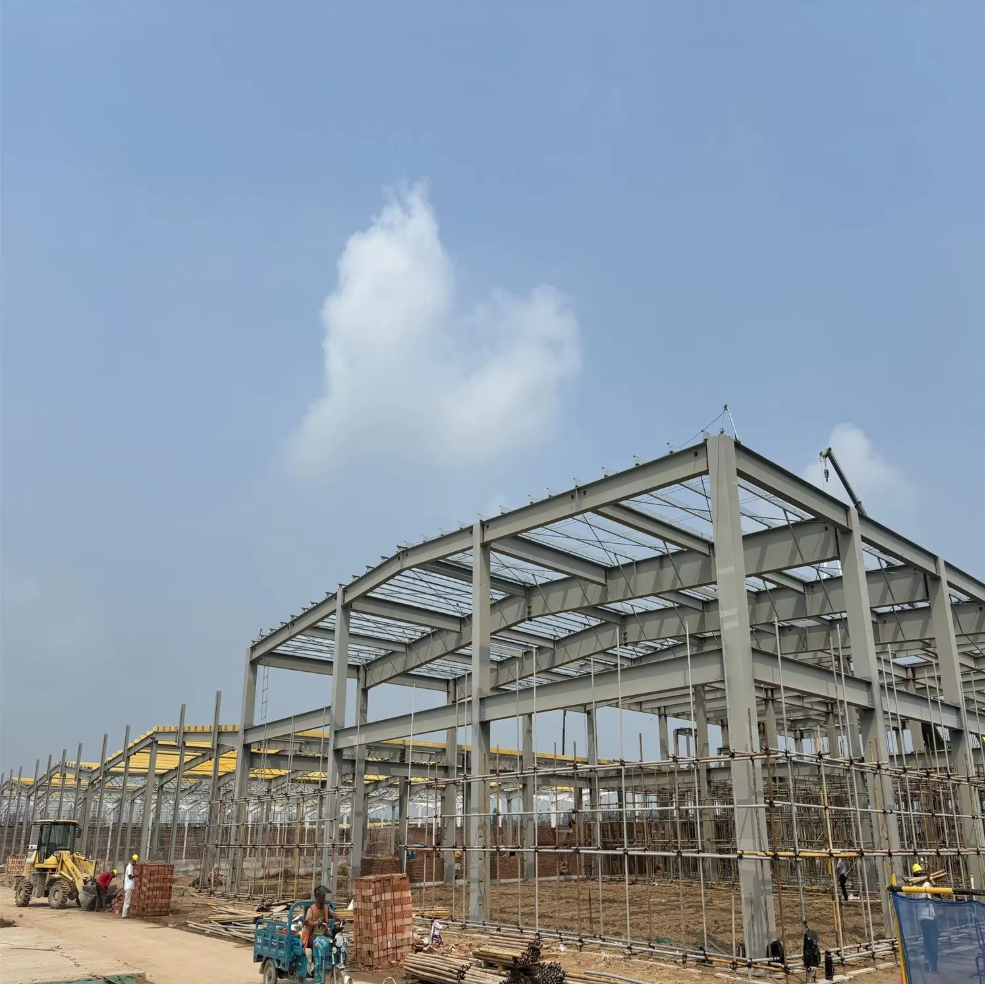
Metallurgical plants, chemical processing workshops, and heavy machinery production lines often rely on truss-based solutions. These facilities frequently suspend cranes, pipelines, or mechanical equipment from roof structures. The triangular configuration efficiently transfers concentrated loads to columns and foundations.
Compared with space frames, trusses involve simpler node design and lower manufacturing complexity. CNC cutting machines and automated welding lines ensure dimensional precision and stable joint quality. For many industrial investors, a truss-type steel workshop achieves reliable structural performance while maintaining reasonable investment levels.
Core Selection Strategy and Integrated Steel Workshop Solutions
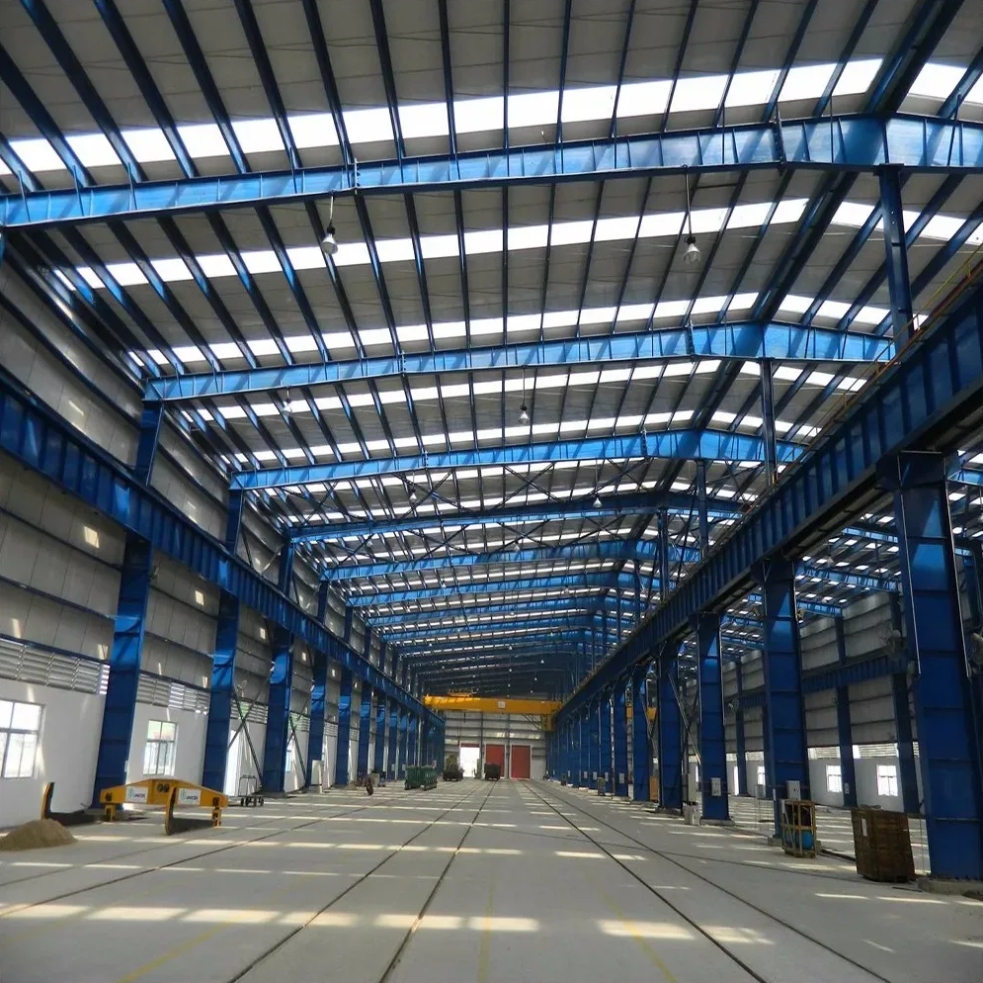
For small and light-duty factories, portal frames usually provide the most economical configuration. For projects that emphasize large open interiors and flexible production layouts, space frames maximize usable floor area. For medium spans combined with heavy operational loads, truss systems deliver structural stability without excessive cost.
Professional structural designers and experienced fabricators play a critical role in this process. They can refine member sections, optimize connection details, and coordinate cladding systems to enhance overall performance. A comprehensive service model that integrates design optimization, component prefabrication, logistics planning, and site installation ensures quality control at every stage.
A well-planned steel workshop does more than shelter equipment. It supports production efficiency, reduces lifecycle maintenance costs, and strengthens corporate competitiveness.
Post time: Mar-04-2026