

Insulated cold room panel is indispensable in modern cold storage construction. It forms the walls and roof of the facility and directly affects insulation performance, energy consumption, and service life. For investors and project planners, choosing the right panel is a key step in building an efficient cold storage system.
In today’s market, many types of sandwich panels for cold room are available. However, not all products offer the same insulation quality, durability, or safety performance. How to choose the right cold storage panel becomes an unavoidable question.
Focus on Performance and Quality of Insulated Cold Room Panel
The first factor when selecting an insulated cold room panel is insulation performance. Cold storage facilities depend on stable low temperatures to preserve food, medicine, and other temperature-sensitive goods. If insulation performance is poor, refrigeration systems must work harder and energy costs will increase.
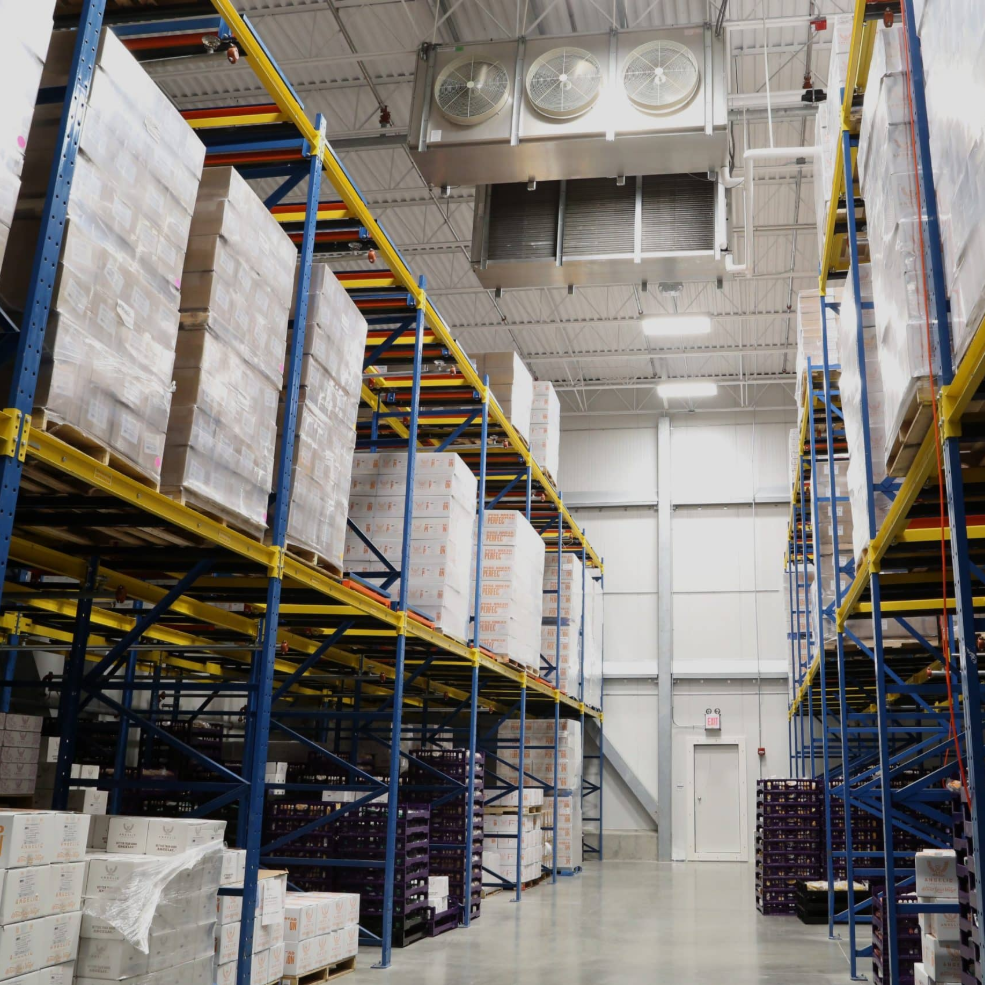
High-quality panels rely on a strong combination of core material and metal surface panels. The insulation core should have low thermal conductivity and strong resistance to aging. These features allow the cold room to maintain stable internal temperatures for many years.
Many buyers mistakenly believe that thicker panels always provide better insulation. In reality, insulation performance depends more on the material structure than on thickness alone. When selecting an insulated cold room panel, buyers should carefully review the thermal conductivity values, insulation density, and manufacturing standards instead of focusing only on panel thickness.
Surface material also plays a critical role. Cold storage environments often have high humidity and low temperatures. The steel surface of the panel must resist corrosion, moisture, and mechanical damage. A durable protective coating ensures the panel maintains its insulation capacity over time.
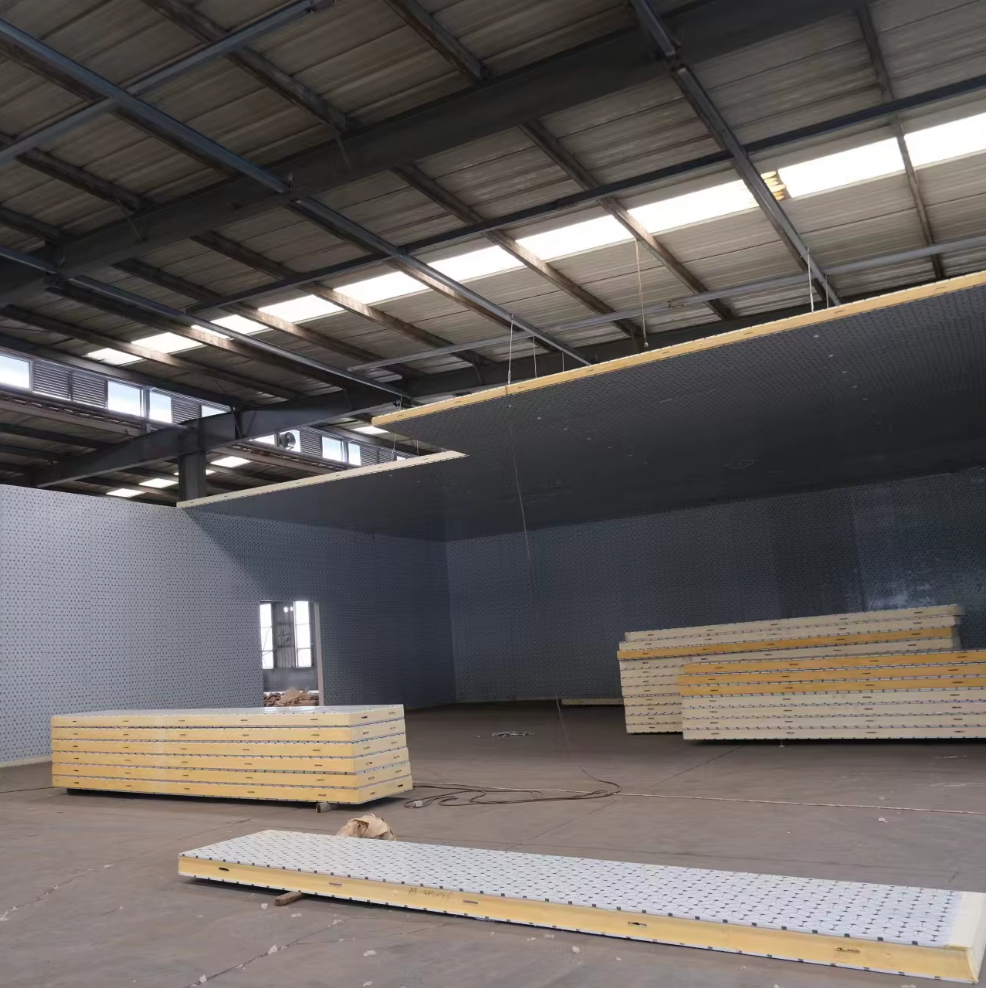
Manufacturing technology further determines panel quality. Reliable manufacturers use precise production lines to bond the insulation core and steel panels tightly. Good bonding eliminates gaps that may cause cold air leakage. Proper sealing between panels also supports stable temperature control and long-term performance.
Consider Fire Safety, Structural Strength, and Reliable Suppliers
Safety remains another key factor when choosing an insulated cold room panel. Large cold storage facilities often store valuable and perishable goods. Therefore, fire resistance is an essential requirement during design and construction.
Panels should meet recognized fire safety standards and provide stable performance under high temperatures. Selecting fire-resistant insulation materials can reduce potential safety risks and protect stored products.
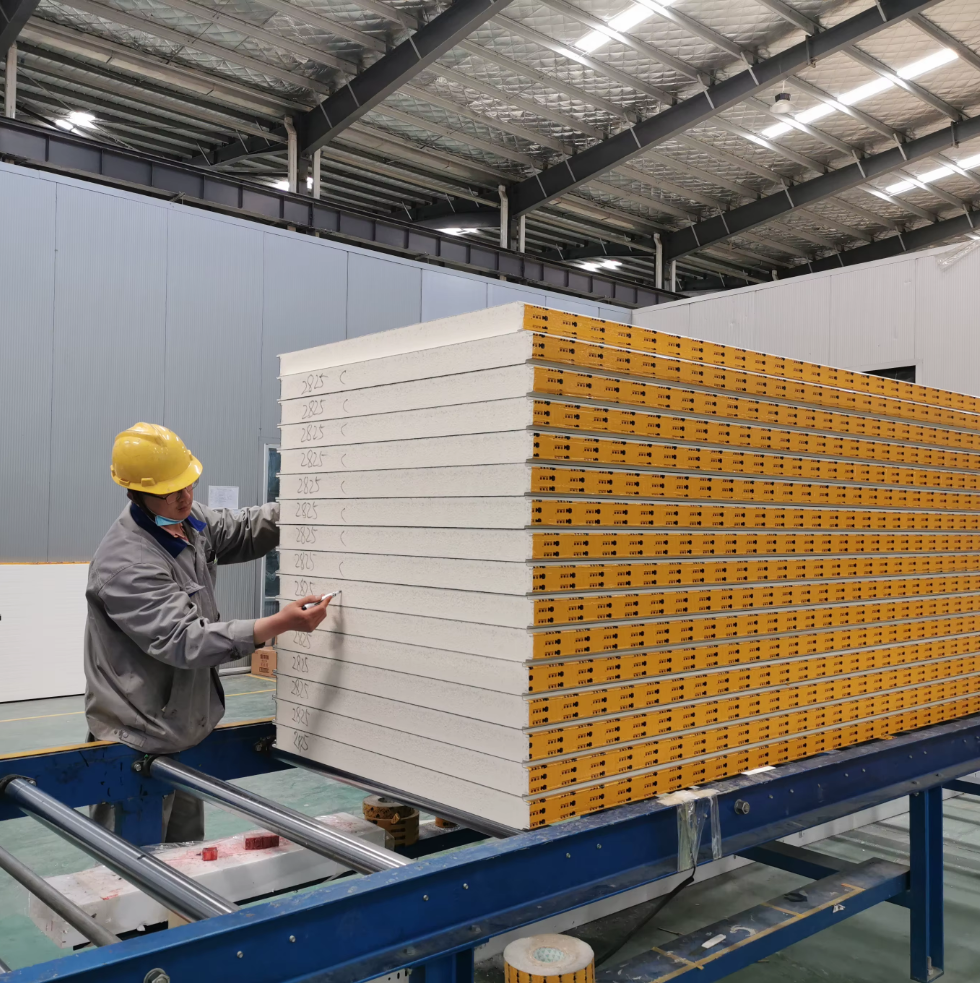
Structural strength is equally important. Cold room walls and roofs must support their own weight as well as external loads. In large facilities, panels may carry additional loads from suspended refrigeration equipment, lighting systems, or ceiling structures. A well-designed insulated cold room panel must provide adequate compressive strength and structural stability.
Project owners should also evaluate the overall system compatibility. Cold storage projects vary widely in temperature range, building size, and application type. For example, food freezing facilities, pharmaceutical storage rooms, and logistics warehouses often require different insulation specifications. The right panel design ensures that the refrigeration system operates efficiently.
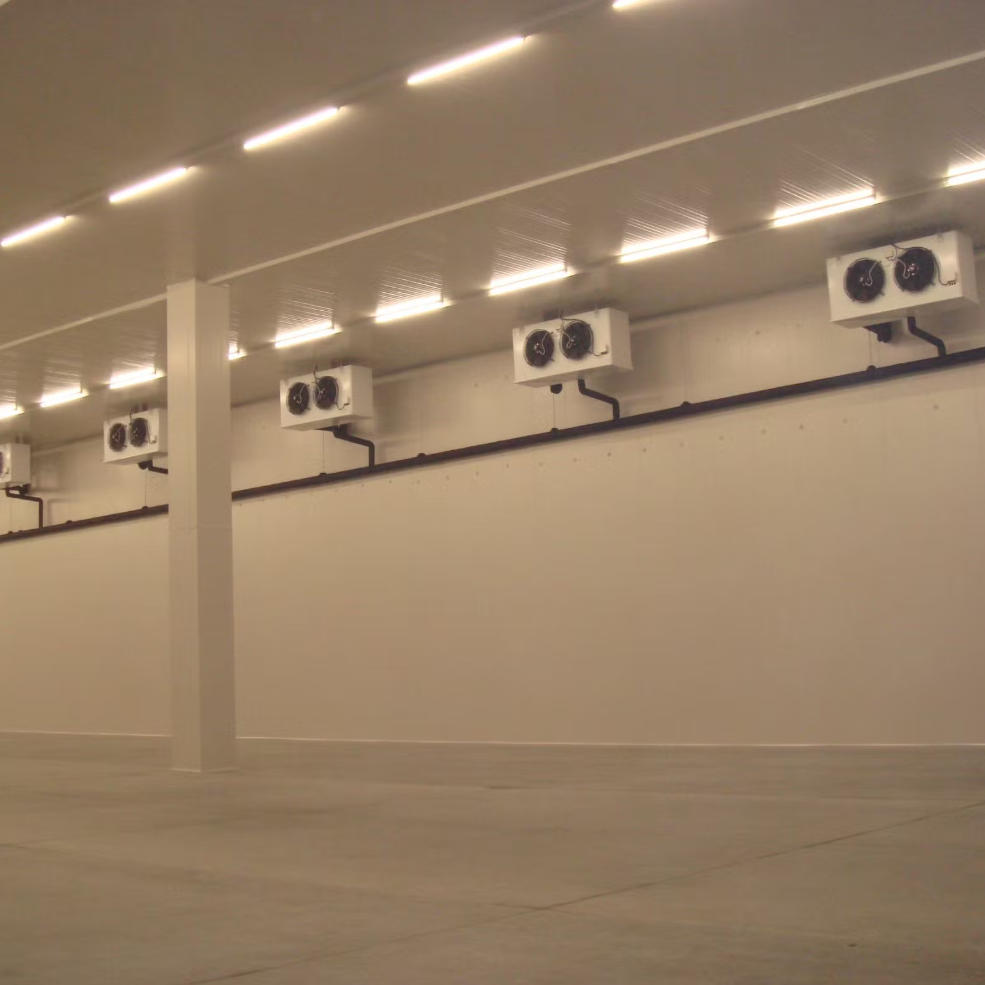
Choosing a professional manufacturer can greatly reduce procurement risks. Experienced suppliers maintain strict quality control and advanced production equipment. They also provide technical guidance during the project planning stage. This support helps buyers select the correct panel thickness, insulation type, and structural configuration.
Reliable manufacturers often offer engineering consultation, installation guidance, and long-term after-sales service. Such support improves project efficiency and reduces operational risks over the life of the cold storage facility.
Selecting an insulated cold room panel requires balancing insulation performance, durability, safety, and project compatibility. By focusing on material quality, production technology, and professional suppliers, cold storage investors can build energy-efficient facilities with lower operating costs and reliable long-term performance.
Post time: Mar-11-2026