

Modern logistics relies on speed, scale, and reliability, a steel structure logistics warehouse meets these demands through strength, flexibility, and efficient construction. Compared with reinforced concrete buildings, steel logistics warehouses typically reduce construction time by 30–40 percent and allow clear spans of 24 to 36 meters. To fully realize these advantages, developers must follow a structured process that integrates planning, construction, and operational requirements.
Planning and Design of Steel Structure Logistics Warehouse
Steel structure warehouse development begins with functional planning based on logistics demand. Developers define storage volume, pallet quantity, racking height, and vehicle flow. Modern logistics warehouses often require clear heights of 9 to 12 meters to support high-bay racking systems. Column spacing commonly ranges from 8 to 10 meters, which allows efficient forklift movement and flexible layout planning.
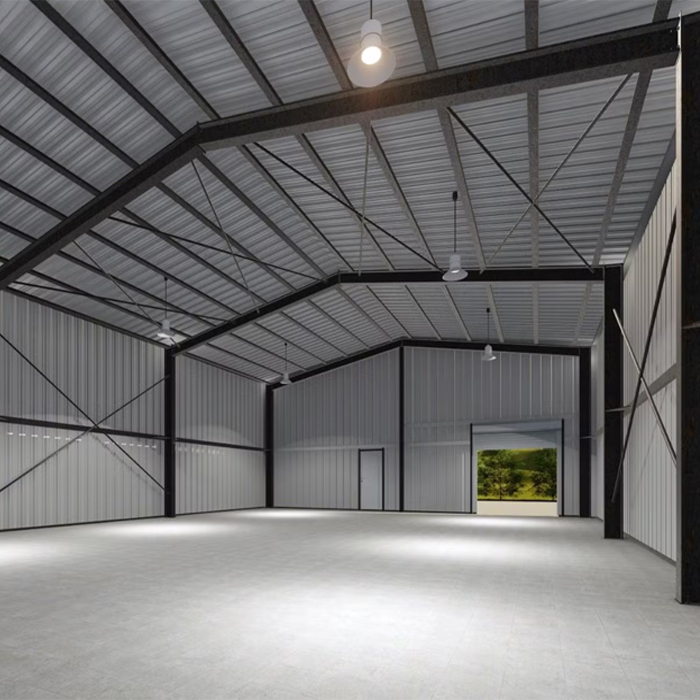
Structural engineers select steel systems that match these requirements. Portal frame structures suit single-story warehouses with spans up to 36 meters, while multi-span rigid frames support larger footprints above 20,000 square meters. Designers calculate dead loads, live loads, wind pressure, and seismic forces using local codes. For example, roof live loads often range from 0.3 to 0.5 kN per square meter, depending on climate conditions.
Foundation design depends on soil bearing capacity, which typically ranges from 100 to 200 kPa for industrial sites. Engineers coordinate foundation layout with steel column positions to ensure accurate installation. During this phase, teams also plan expansion zones, since many logistics operators increase capacity within five to ten years. Digital modeling tools improve coordination and reduce rework before fabrication begins.
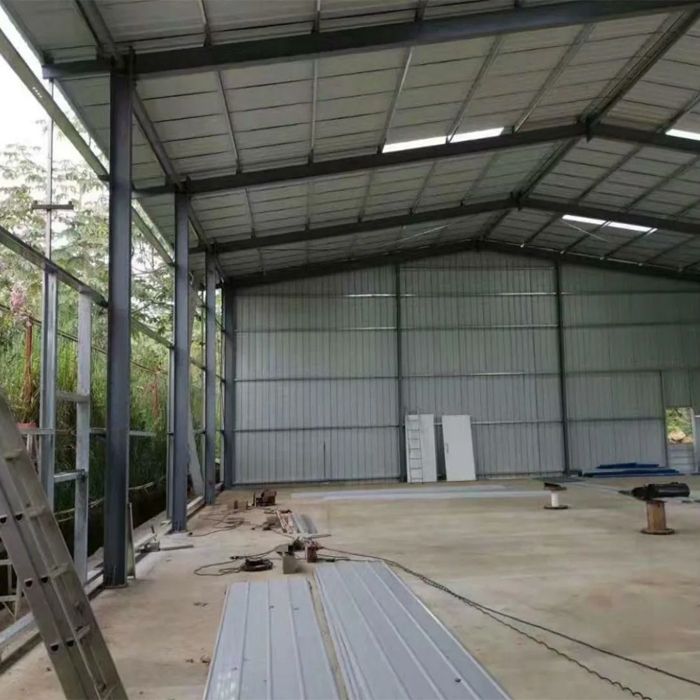
Of course, the aesthetics of the project party or the fixation of the appearance of the building by the local municipal department will also affect the design of the building. For aesthetic purposes, some buildings will be required to design hidden rain pipes. This requires engineers to add extra waterproof facilities when designing the roof.
Fabrication and On-Site Construction
After design finalization, steel fabrication starts in specialized factories. Structural steel grades such as Q355 or ASTM A572 provide yield strengths around 345 MPa, which ensures adequate load resistance with optimized material usage. CNC cutting and drilling equipment achieves millimeter-level accuracy, improving connection quality during assembly.
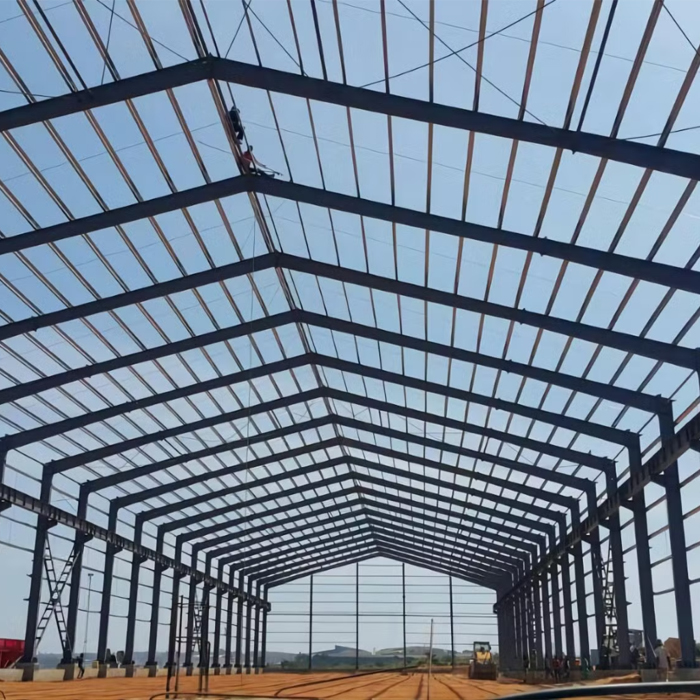
Factory production shortens schedules significantly. A medium-scale warehouse of 10,000 square meters usually requires 800 to 1,000 tons of steel, which manufacturers can complete within four to six weeks. Surface treatments, including galvanization or epoxy coatings, protect steel members from corrosion and extend service life beyond 25 years.
On-site construction progresses in a logical sequence. Crews first complete concrete foundations and verify anchor bolt tolerances, which typically allow deviations under 5 millimeters. Crane teams erect columns and beams, followed by purlins and bracing. A skilled team can install 80 to 120 tons of steel per day under normal conditions.
After the main frame stands, crews install roof and wall panels. Sandwich panels with insulation thicknesses of 50 to 100 millimeters provide thermal performance and weather protection. Proper sequencing allows enclosure completion within two to three weeks, enabling interior work to start earlier.
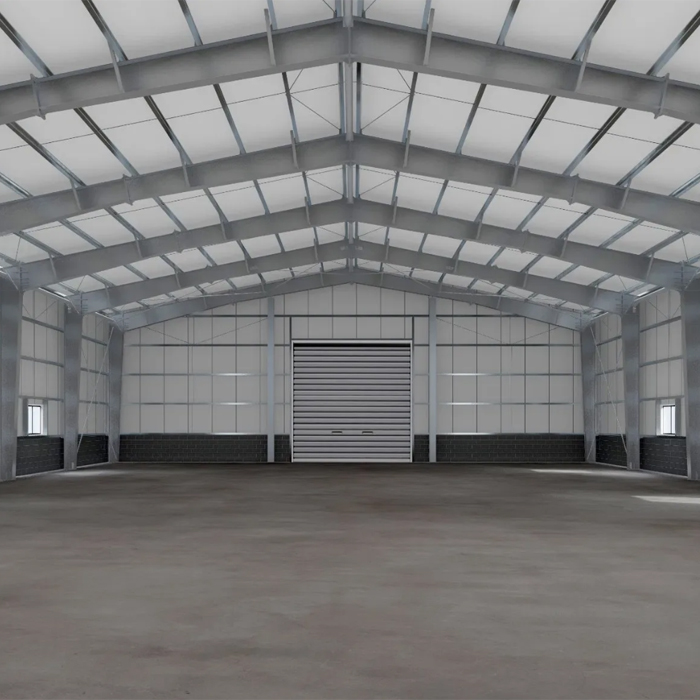
In addition, the connection method of steel structure components will also affect the progress of construction. For example, Harbin Dongan Building Sheets Company generally adopts bolted connections when designing steel structure components for customers. This detail greatly reduces the technical requirements of on-site construction personnel, and can reduce the economic and time costs of construction.
Once the building shell is complete, teams focus on operational systems that define warehouse performance. Floor slabs receive special attention, since logistics floors must support loads of 5 to 8 tons per square meter. High-flatness concrete floors improve automated guided vehicle accuracy and reduce equipment wear.
Post time: Jan-26-2026