

A sandwich panel may leave the factory in perfect condition, but that does not guarantee it will arrive at an overseas construction site the same way. Long-distance shipping exposes building materials to moisture, friction, impact, and repeated handling. These risks can affect not only the appearance of the panels but also their installation and overall project schedule.
For overseas projects, packaging deserves more attention than it often receives. The way materials are wrapped, secured, and loaded can influence delivery quality as well as transportation costs.
What Can Go Wrong During Long-Distance Shipping?
Sea freight is often the most practical option for transporting large quantities of building materials overseas. However, a journey lasting several weeks can expose cargo to changing temperatures, humidity, and rough handling.
Moisture is one of the main concerns. Temperature fluctuations inside shipping containers can cause condensation, commonly known as container rain. Water droplets may form on container walls or ceilings and eventually reach the cargo. If protective packaging cannot keep moisture away from metal surfaces, corrosion may develop during transit.
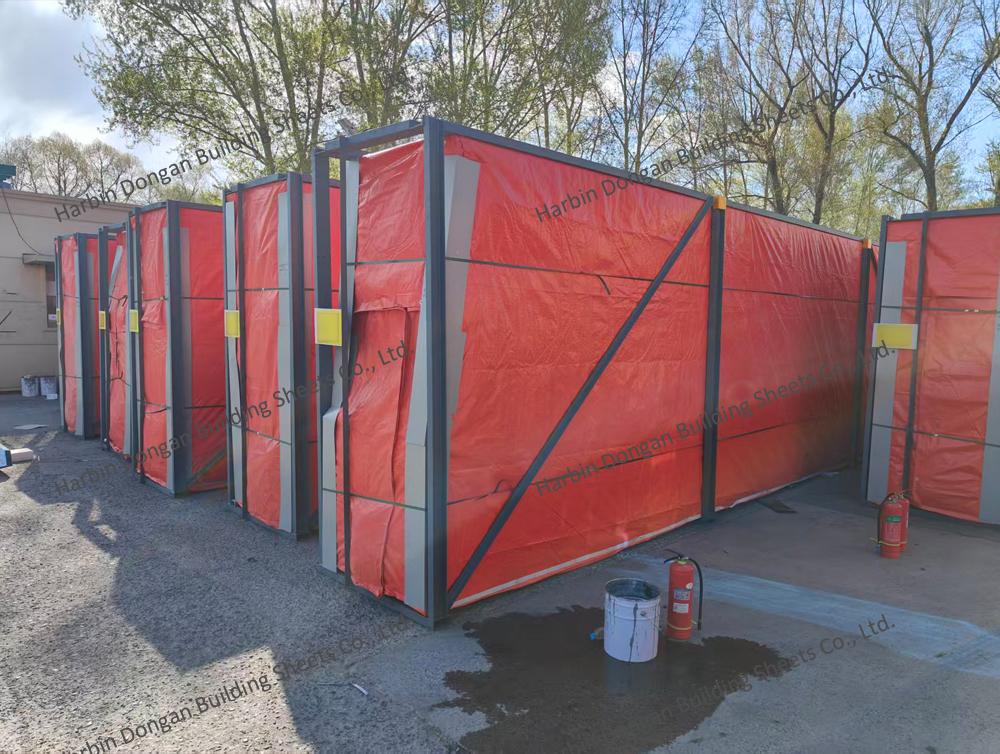
Surface damage presents another challenge. Panels may rub against each other when cargo shifts during transportation. Repeated movement can scratch painted metal surfaces, especially when protective separation is insufficient.
Panel edges and corners also need attention. A minor impact during loading or unloading can dent the metal sheets or damage the panel edges. Such damage may complicate installation, particularly when workers need to align long wall or roof sections.
These problems do not always appear serious in shipping records. Yet once the materials reach the site, damaged panels may require additional inspection, sorting, or replacement. This can disrupt installation plans and increase costs.
Packaging and Container Loading Should Work Together
Good packaging is not simply about adding more protective materials. It should address the actual risks during storage, transportation, and handling.
Moisture protection comes first. Multiple layers of waterproof and moisture-resistant packaging can help isolate metal surfaces from external humidity. However, packaging materials alone cannot eliminate condensation inside a container. Proper cargo preparation, container inspection, and moisture-control measures also matter.
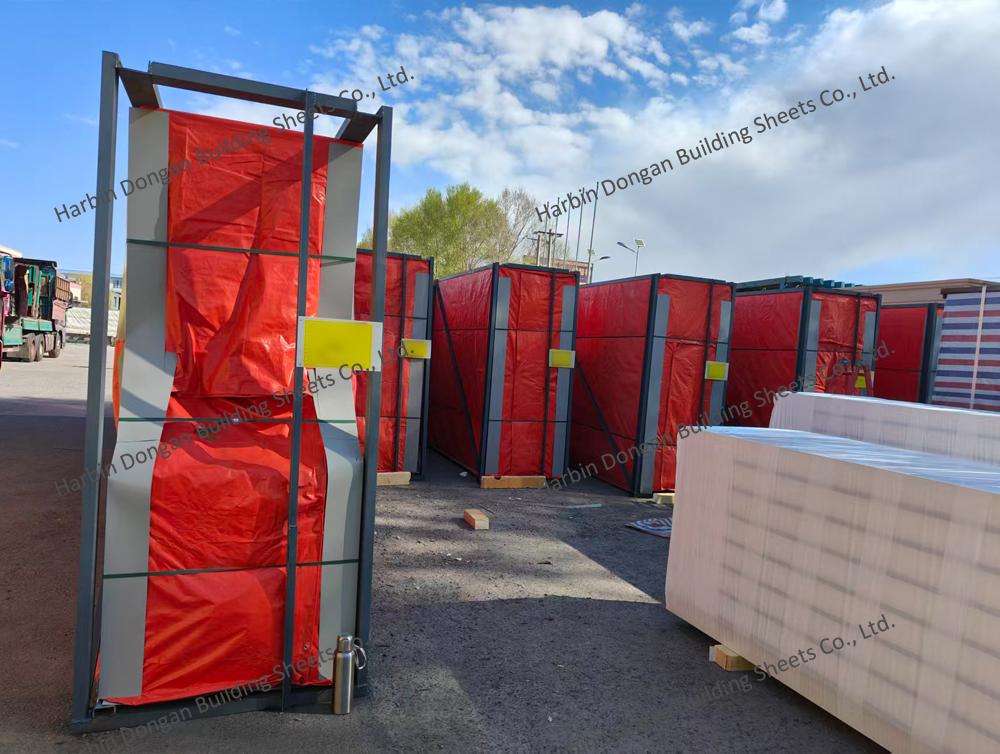
Mechanical protection requires a different approach. Protective separators can reduce direct contact between panels, while reinforced frames help prevent shifting and edge damage. The packaging structure should also account for the weight and dimensions of the cargo.
Container loading is equally important. Poorly arranged cargo may leave unnecessary gaps or create uneven pressure points. Excessive stacking pressure can damage panel surfaces and edges. A suitable loading plan should consider panel dimensions, weight distribution, unloading sequence, and available container space.
Packaging frames also influence freight efficiency. A poorly designed frame may occupy too much space, leaving less room for the actual building materials. On the other hand, a well-planned frame can secure multiple panels into organized units, making stacking and container loading more efficient.
The goal is to balance protection with space utilization. Higher container loading efficiency means more usable material can fit into each shipment, potentially reducing the freight cost allocated to every panel. This is particularly important for overseas projects with large material quantities and long shipping distances.
The Belgian Clean Mine Project: Balancing Protection and Freight Efficiency
DongAn’s Belgian clean mine building envelope renovation project provides a practical example of how these considerations influence overseas delivery.
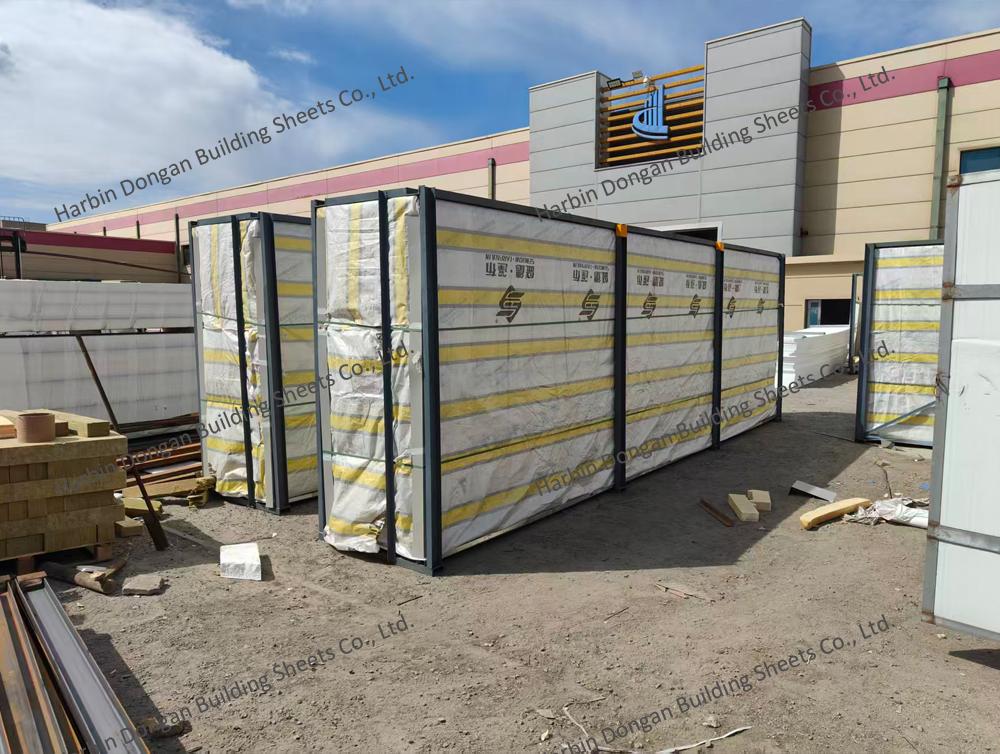
The project involved supplying building envelope materials for the renovation of a clean mine facility in Europe. Given the long sea transportation route, the company needed to reduce the risk of corrosion, surface abrasion, and edge damage before the panels reached the destination.
Instead of relying on standard packaging alone, DongAn developed a dedicated packaging and container loading arrangement for the shipment.
First, the panels received multiple layers of waterproof and moisture-resistant wrapping. This provided an additional barrier against external moisture during the long journey and helped reduce the risk of corrosion on the metal surfaces.
The company also addressed the problem of mechanical damage. It designed packing frames using welded high-quality angle steel. These reinforced frames provided external support, helped protect vulnerable edges and corners, and reduced the risk of damage during transportation and handling. Additional separation and securing measures helped limit friction and unwanted movement between panels.
The frame design also considered container space. By organizing the panels into more manageable and compact loading units, the arrangement helped improve container utilization while maintaining adequate protection. This reduced wasted space and helped customers save on shipping costs.
The rigid frames offered another practical benefit. Their structure made forklift handling during loading and unloading more convenient, reducing the need for repeated manual handling.
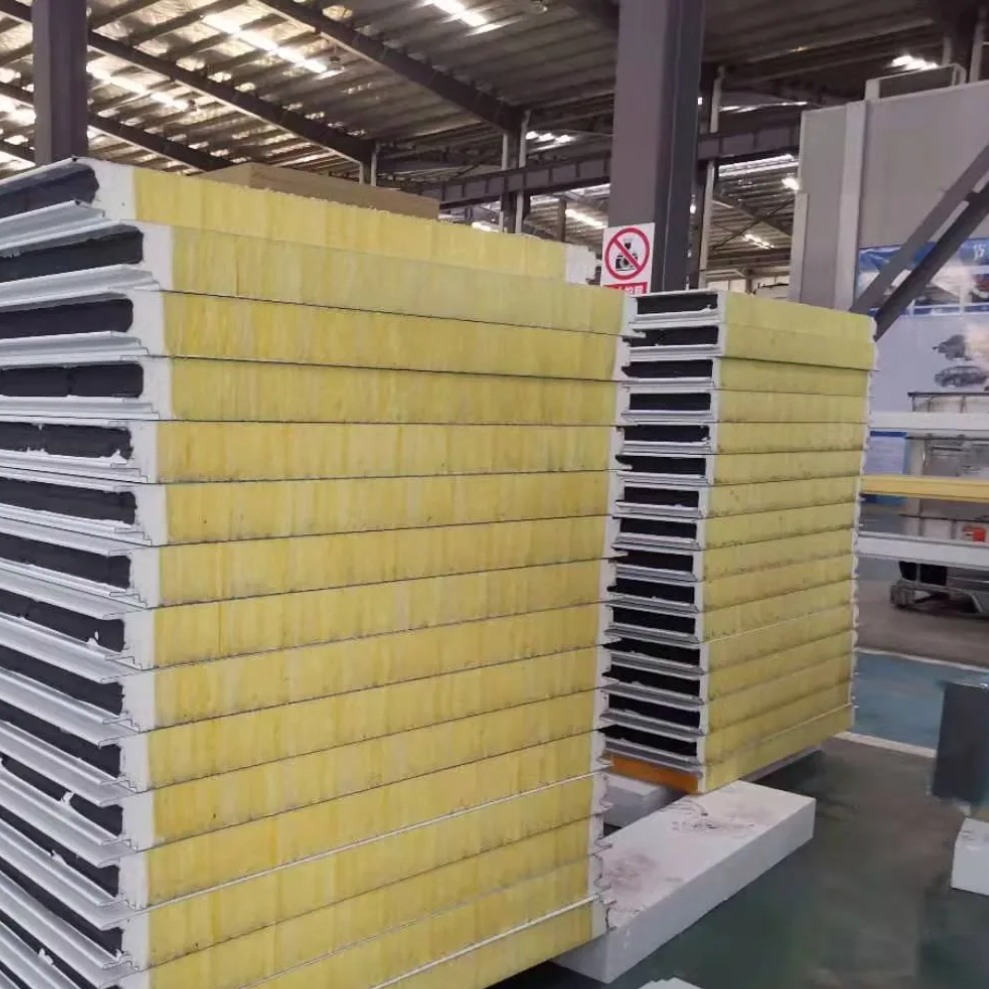
This approach connected three important delivery considerations: material protection, loading efficiency, and handling convenience. Rather than treating packaging as an isolated step, the project considered it part of the overall transportation plan.
Delivery Quality Starts Before the Container Leaves
Overseas material delivery involves more than meeting production specifications and arranging vessel space. Packaging, cargo protection, and loading methods all influence what arrives at the construction site.
For sandwich panel shipments, these details deserve attention early in the project. The required packaging should reflect the transportation distance, product dimensions, surface finish, handling conditions, and unloading arrangements.
A well-prepared shipment cannot eliminate every transportation risk. However, it can reduce avoidable damage, make better use of container space, and help control unnecessary freight expenses. In overseas projects, these factors are an important part of delivery quality.
Post time: Nov-26-2026