

With the industrial construction model and modern design concept, heavy steel villas are rapidly becoming a popular choice in the middle and high-end residential market. Are the heavy steel villas the future trend of residential construction development? Do they have potential risks and disadvantages?
Core Advantages of Heavy Steel Villas
Heavy steel villas use hot-rolled H-beams, box columns, and thick steel plates as the primary load-bearing system. The steel section thickness usually ranges from 6 mm to 20 mm, far exceeding light gauge steel profiles that often measure 0.8 mm to 2.5 mm. A heavy steel frame can achieve a design life of more than 50 years under normal maintenance.
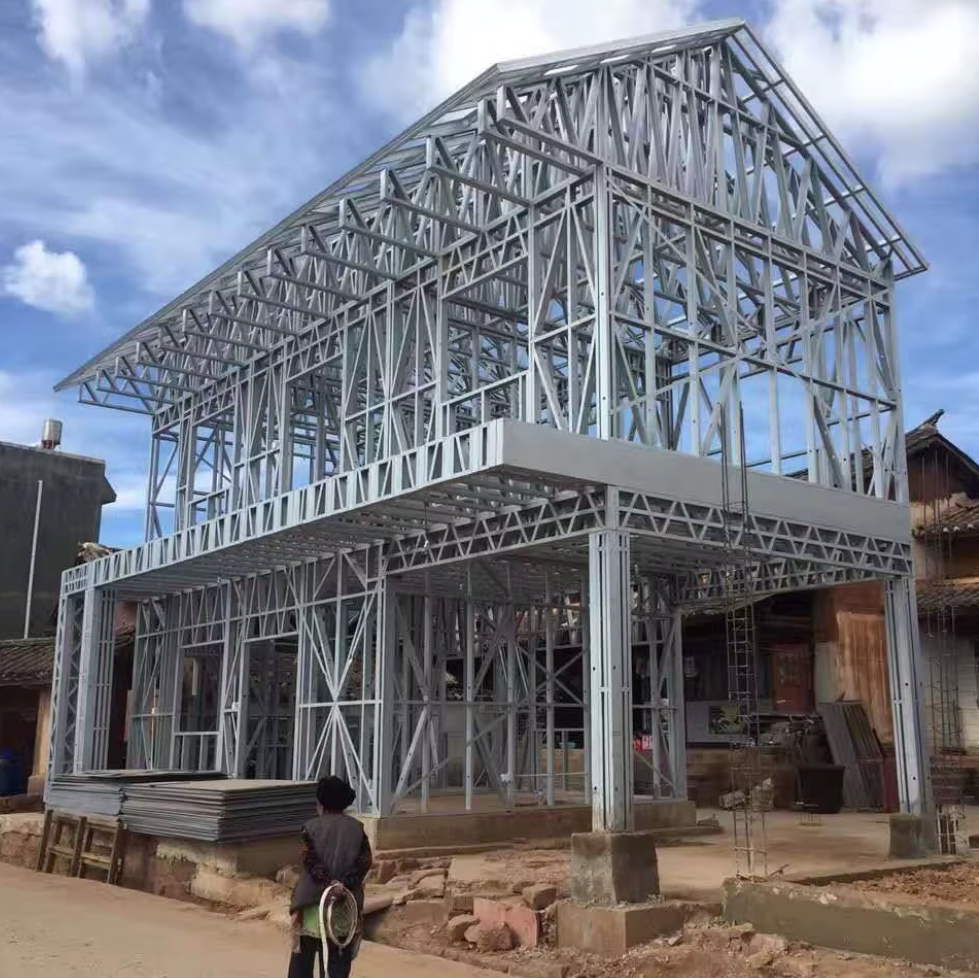 When compared with traditional brick-concrete houses, heavy steel villas provide significantly better seismic performance. According to seismic engineering data, steel structures can absorb 40% to 60% more seismic energy than brittle masonry systems. Steel demonstrates ductility and plastic deformation capacity, which prevents sudden collapse.
Construction efficiency also improves dramatically. A 300-square-meter heavy steel villa can complete its main frame installation within 15 to 25 days when prefabricated components arrive on site. Brick construction of similar scale often requires 60 to 90 days due to masonry curing and wet trade processes. Dry assembly reduces water usage and shortens project cycles, which lowers labor costs by 20% to 30% in many regions.
Compared with light steel villas, heavy steel systems offer higher wind resistance and greater span flexibility. Heavy steel frames can easily achieve clear spans of 8 to 12 meters without interior load-bearing walls. Light steel systems typically limit spans to 4 to 6 meters due to section strength constraints. This structural freedom allows open-plan layouts and multi-story configurations.
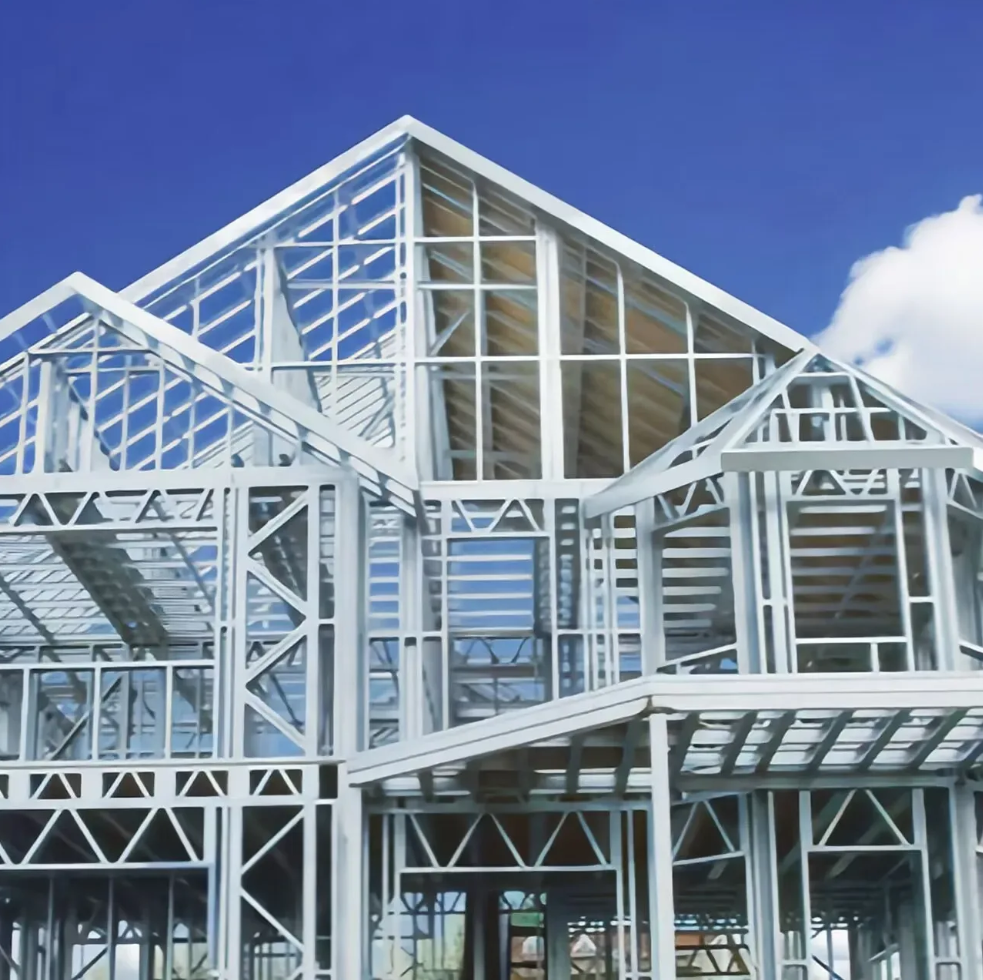 Thermal performance also improves when designers combine heavy steel frames with high-performance insulation panels such as rock wool or polyurethane sandwich panels. With a wall U-value below 0.4 W/m²·K, energy consumption for heating and cooling can drop by 30% compared with uninsulated masonry houses. In coastal and humid climates, galvanized or epoxy-coated steel members resist corrosion effectively, extending service life and maintaining structural integrity.
Risks and Disadvantages of Heavy Steel Villas
Despite their strengths, heavy steel villas involve higher upfront material costs. Steel prices fluctuate with global commodity markets, and structural steel often accounts for 25% to 35% of total building cost. In contrast, brick masonry materials remain locally sourced and relatively stable in price. Budget-sensitive homeowners may hesitate when initial investment exceeds traditional construction by 10% to 20%.
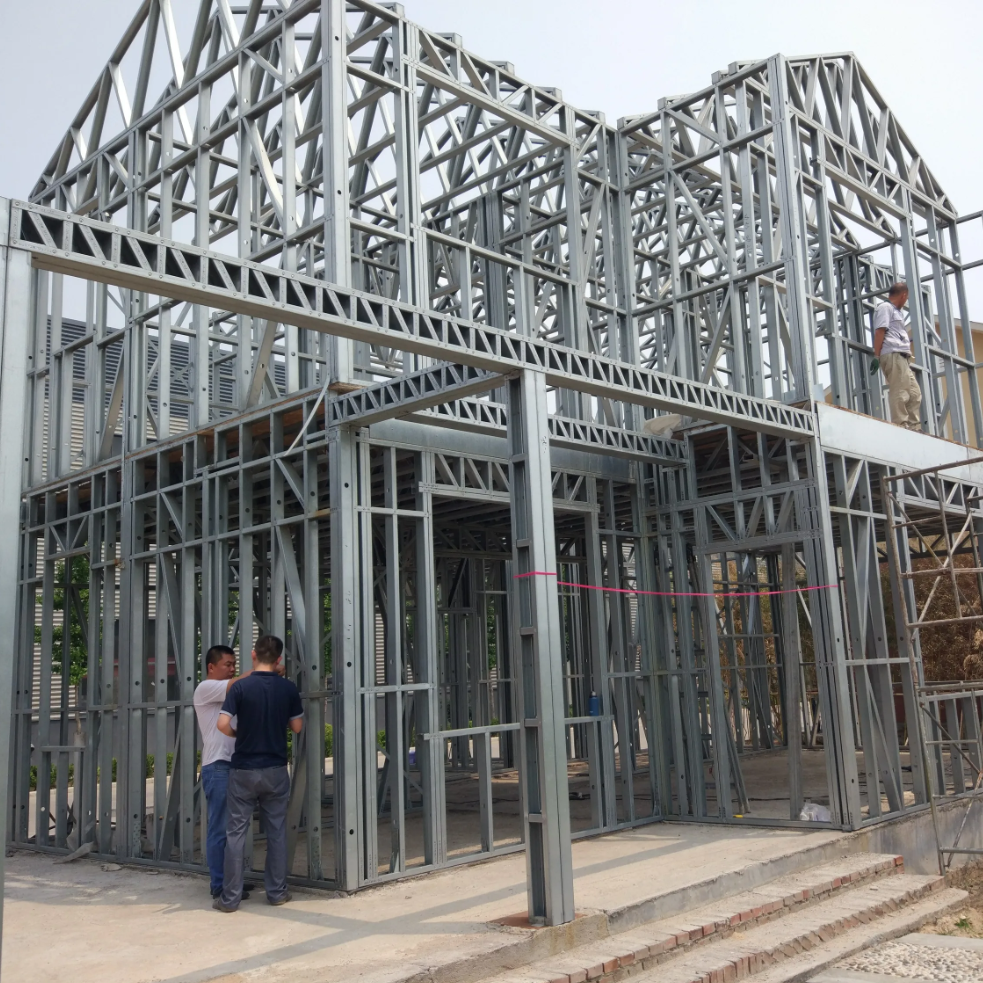 Thermal bridging represents another technical challenge. Steel has a thermal conductivity nearly 300 times higher than wood. Without proper insulation detailing, heat transfer through steel columns and beams can reduce energy efficiency. Designers must integrate thermal breaks, continuous insulation layers, and vapor control membranes. Poor detailing leads to condensation, mold growth, and long-term maintenance issues.
Fire protection requires careful planning. Although steel does not burn, it loses strength rapidly at temperatures above 500°C. Structural stability can decline by more than 50% under extreme heat exposure. Fire-resistant coatings or gypsum board encapsulation increase construction complexity and cost.
Acoustic performance needs additional treatment. Steel frames transmit vibration more easily than thick masonry walls. To solve these problems, designers and manufacturers generally recommend the installation of some asbestos sound insulation panels and sandwich panels. This can not only solve the problem of sound insulation, but also improve the warmth and fire resistance of the house.
Heavy steel villas therefore suit projects that prioritize structural safety, large spans, and long-term durability. Investors should evaluate cost structure, climate conditions, and technical expertise before selection. With proper engineering design and quality control, heavy steel villas deliver a robust and modern residential solution in demanding environments.
Post time: Feb-28-2026