

Outdoor cold room plays a vital role in modern logistics and food preservation. Businesses that require flexible installation and scalable capacity often choose outdoor cold rooms for efficiency, durability, and long-term cost control.
What Is an Outdoor Cold Room
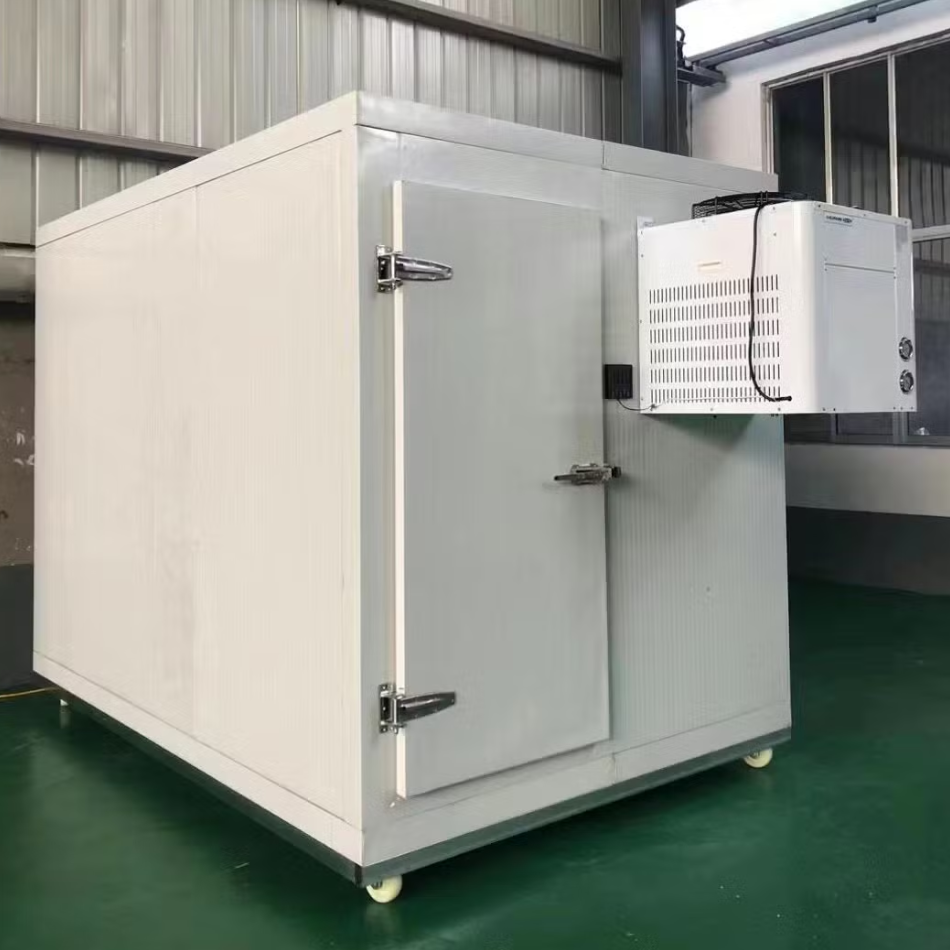
An outdoor cold room is a refrigerated storage facility installed outside the main building structure. Unlike indoor cold rooms, it stands independently and uses weather-resistant panels, reinforced roofing, and heavy-duty flooring systems. Contractors typically place these units in factory yards, logistics parks, farms, ports, and wholesale markets where interior space remains limited.
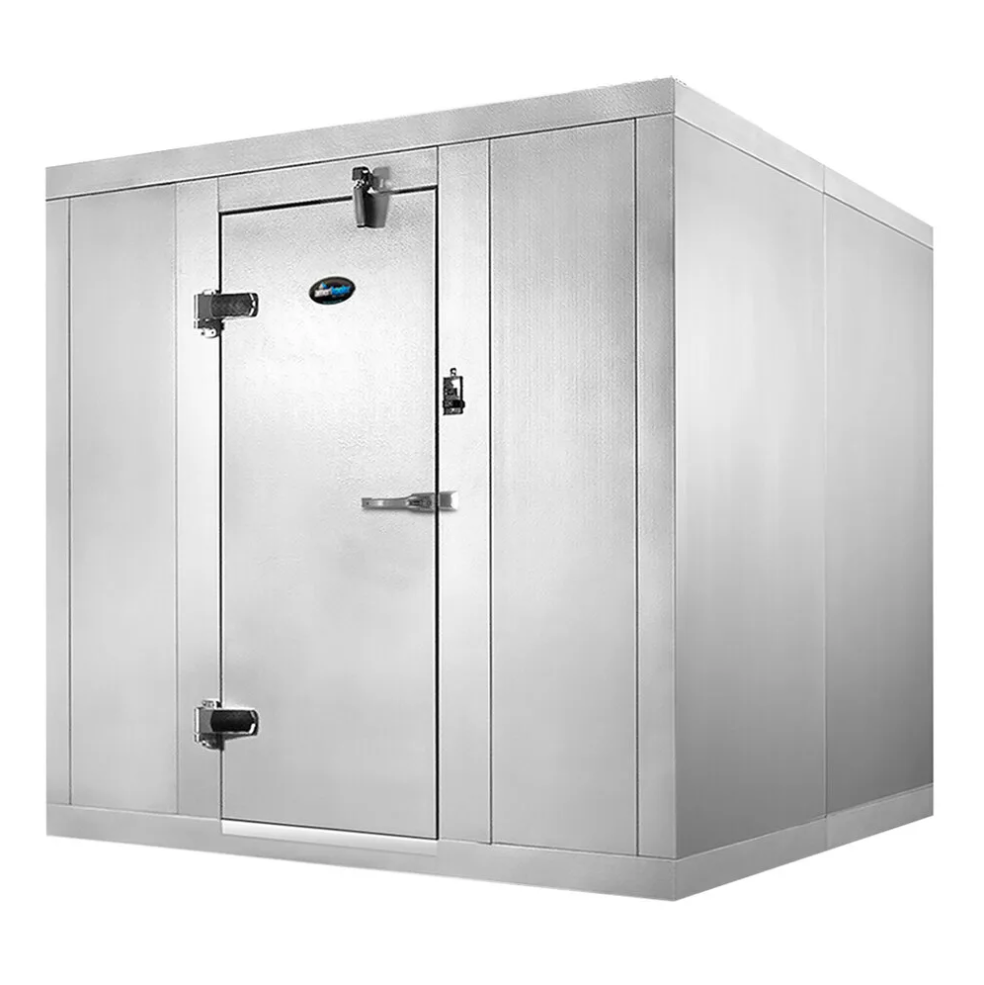 The core structure includes insulated sandwich panels with polyurethane or PIR foam cores. Standard panel thickness ranges from 75 mm to 200 mm depending on temperature requirements. For chilled storage at 0°C to 8°C, 100 mm insulation often meets energy performance targets. For frozen storage at -18°C to -25°C, 150 mm to 200 mm panels reduce thermal loss and stabilize internal temperature.
Refrigeration systems for outdoor cold rooms usually adopt air-cooled condensing units. Air-cooled systems simplify installation because they do not require cooling towers or large water supplies. Many facilities select scroll or semi-hermetic compressors with cooling capacities from 5 kW to 100 kW depending on room volume. A 200 cubic meter freezer room, for example, often requires around 25 kW of refrigeration capacity under standard climate conditions.
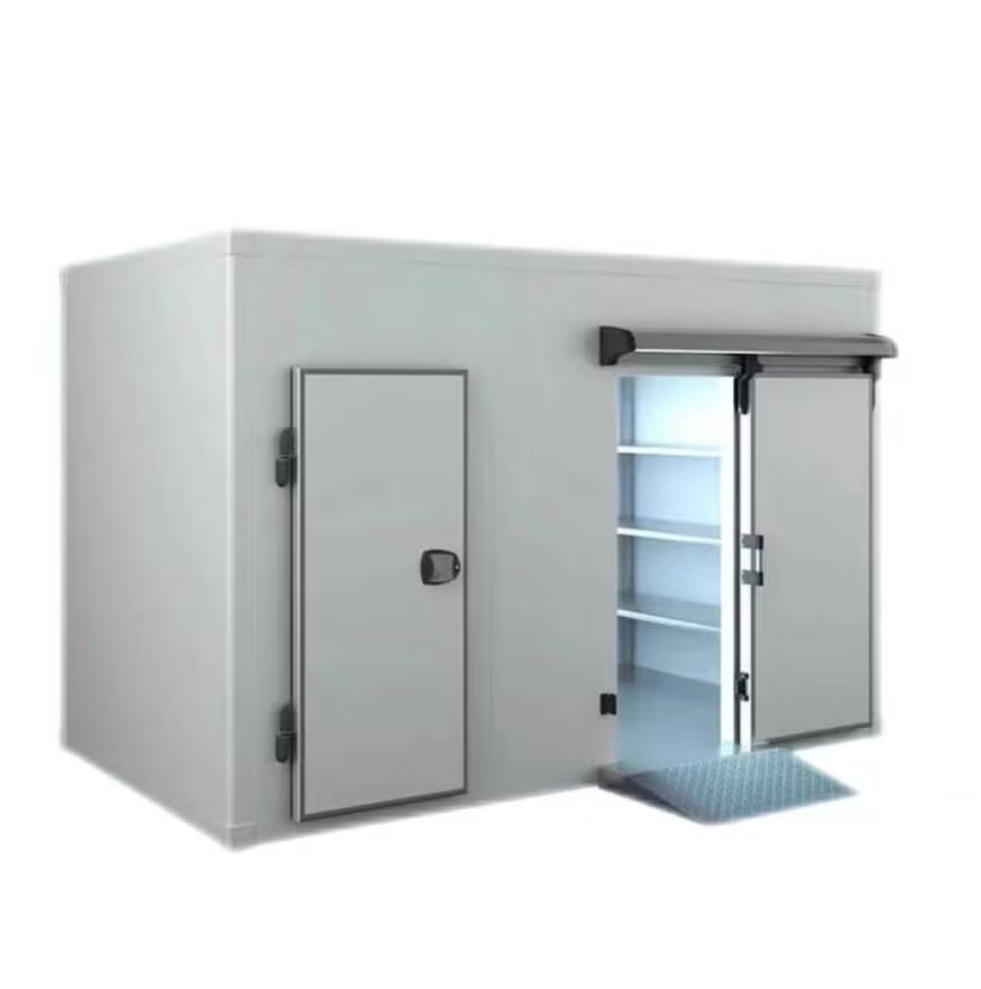 Structural stability becomes critical because the cold room faces wind, rain, and solar radiation directly. Engineers design steel frames to resist wind speeds of 100 to 150 km/h in most commercial projects. In coastal areas, galvanized steel with anti-corrosion coating extends service life beyond 15 years. Roof systems incorporate waterproof membranes and drainage slopes to prevent standing water.
Energy efficiency strongly influences operational cost. Outdoor cold rooms consume between 30% and 50% of total electricity in many food processing facilities. Proper sealing, high-density insulation, and energy-efficient compressors reduce annual power consumption significantly.
Key Advantages and Considerations for Outdoor Cold Storage
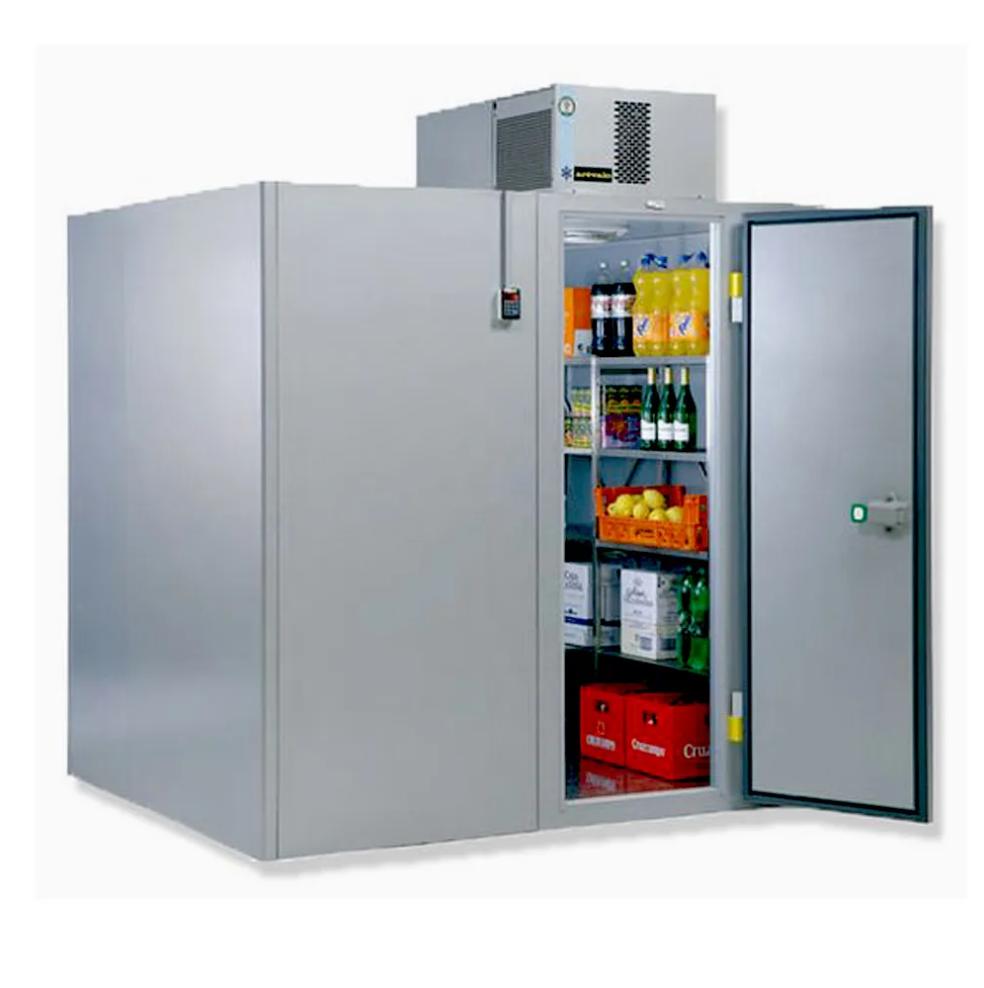 One major advantage of outdoor cold rooms lies in flexible expansion. Companies can add new modules without altering the main production building. This modular approach supports seasonal demand growth in agriculture, seafood, and meat processing industries. Installation cycles also remain short. A medium-sized outdoor cold room often reaches operational status within 20 to 30 days after foundation preparation.
Cost control represents another strong benefit. Outdoor installation reduces interior renovation expenses and avoids structural modification of existing buildings. Although initial investment may range from USD 150 to 300 per cubic meter depending on specifications, long-term operational savings often justify the expenditure. Dry construction methods reduce labor intensity and minimize site disruption.
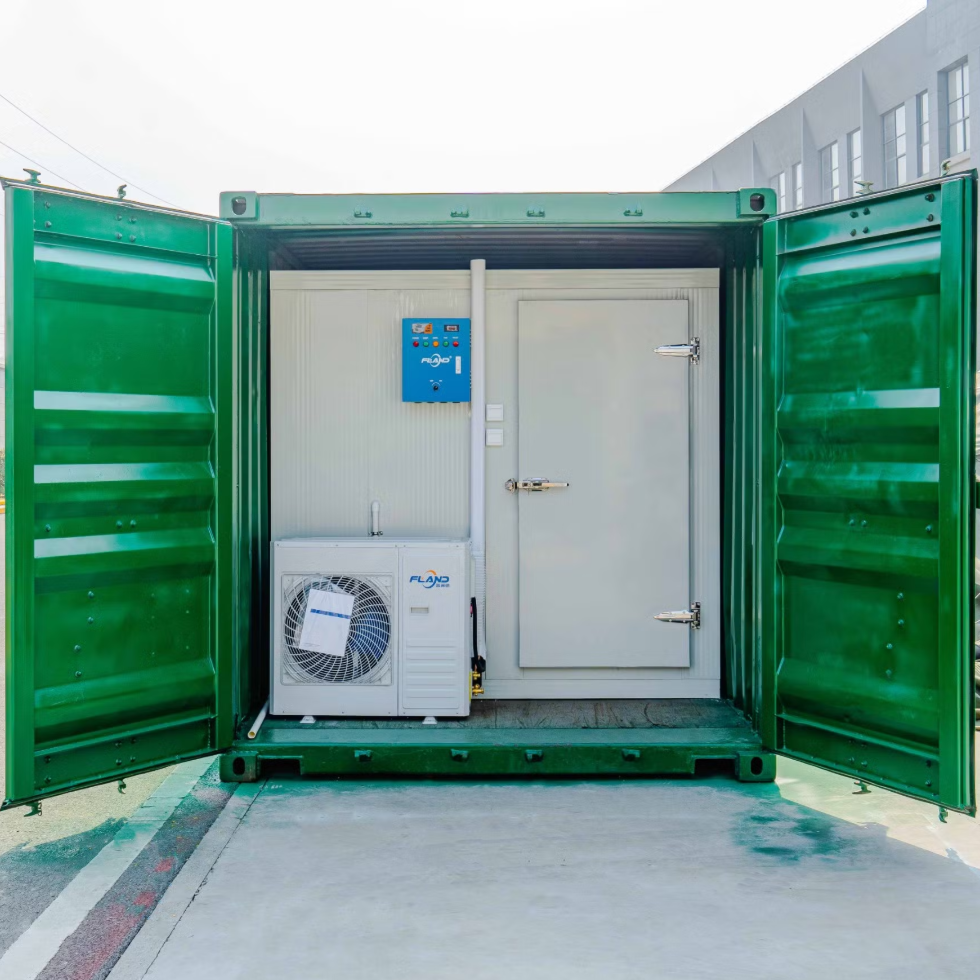 Outdoor placement also improves workflow efficiency in certain industries. Logistics vehicles can load and unload goods directly without navigating indoor corridors. This arrangement shortens handling time and reduces product exposure to ambient temperatures. In high-turnover environments, faster loading cycles help maintain product quality and reduce shrinkage losses.
However, outdoor cold rooms require careful environmental planning. Extreme heat in summer increases compressor workload and energy consumption. Designers must calculate peak ambient temperatures accurately and size equipment accordingly. In regions where summer temperatures exceed 40°C, refrigeration systems need higher capacity margins to maintain stable internal conditions.
 Foundation design also deserves attention. Heavy products such as frozen meat or seafood create high floor loads. A reinforced concrete slab with proper vapor barriers prevents frost heave and structural cracking. In sub-zero freezer applications, floor heating cables often protect the foundation from freezing damage.
Outdoor cold room provides scalable, durable, and cost-effective cold storage solutions for diverse industries. With proper engineering design, climate adaptation, and maintenance planning, they deliver stable temperature control and strong return on investment in demanding operating environments.
Post time: Feb-28-2026