

Building a steel structure factory involves a complex web of financial decisions. Many variables dictate the final price tag of a construction project. Factors like height, span, and load capacity play major roles. Additionally, the need for heavy machinery like cranes significantly shifts the budget. Understanding these components helps developers manage their investments effectively.
Variations in Steel Consumption of Steel Structure Factory
Steel usage is the primary driver of construction costs. Different design schemes can cause a price fluctuation of 8% to 20% based on metal volume alone. For a standard 20,000-square-meter facility, industry norms suggest an eave height of 8 to 12 meters. These buildings usually feature a span of 24 to 30 meters. A basic factory without crane equipment typically uses a 24-meter span. This design requires about 22 to 25 kg of steel per square meter. Consequently, the total steel weight ranges from 440 to 500 tons.
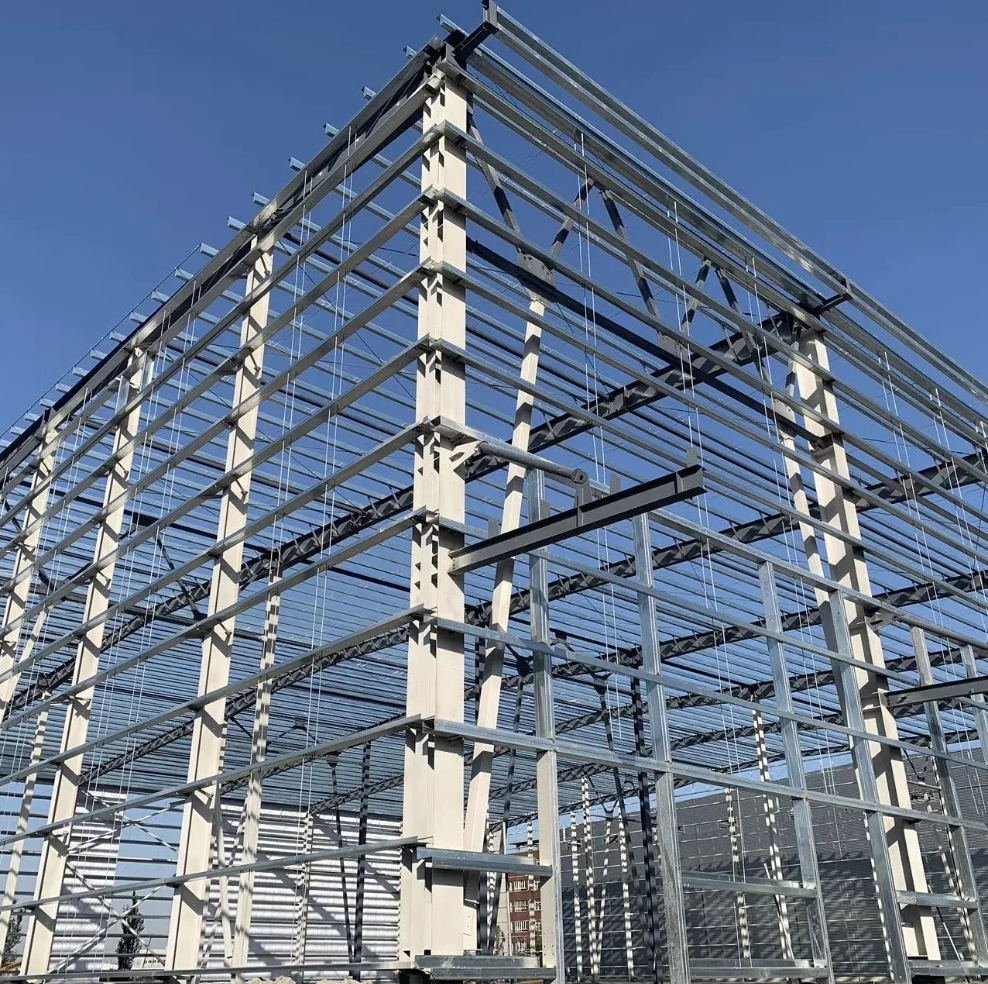
Medium-sized factories often require 5 to 10-ton crane beams. These structures usually expand their span to 30 meters. To handle these higher loads, steel consumption increases by at least 15% to 20% per square meter. Such projects demand a total of 500 to 600 tons of steel.
Industries like metallurgy or shipbuilding need even heavier support. They require cranes exceeding 20 tons in capacity. These heavy-duty factories often stand taller than 12 meters. They utilize large-span, column-free designs for maximum space. This category has the highest steel density. Total metal usage for these massive projects can reach 700 to 900 tons.
Essential Auxiliary Expenses of Steel Structure Factory
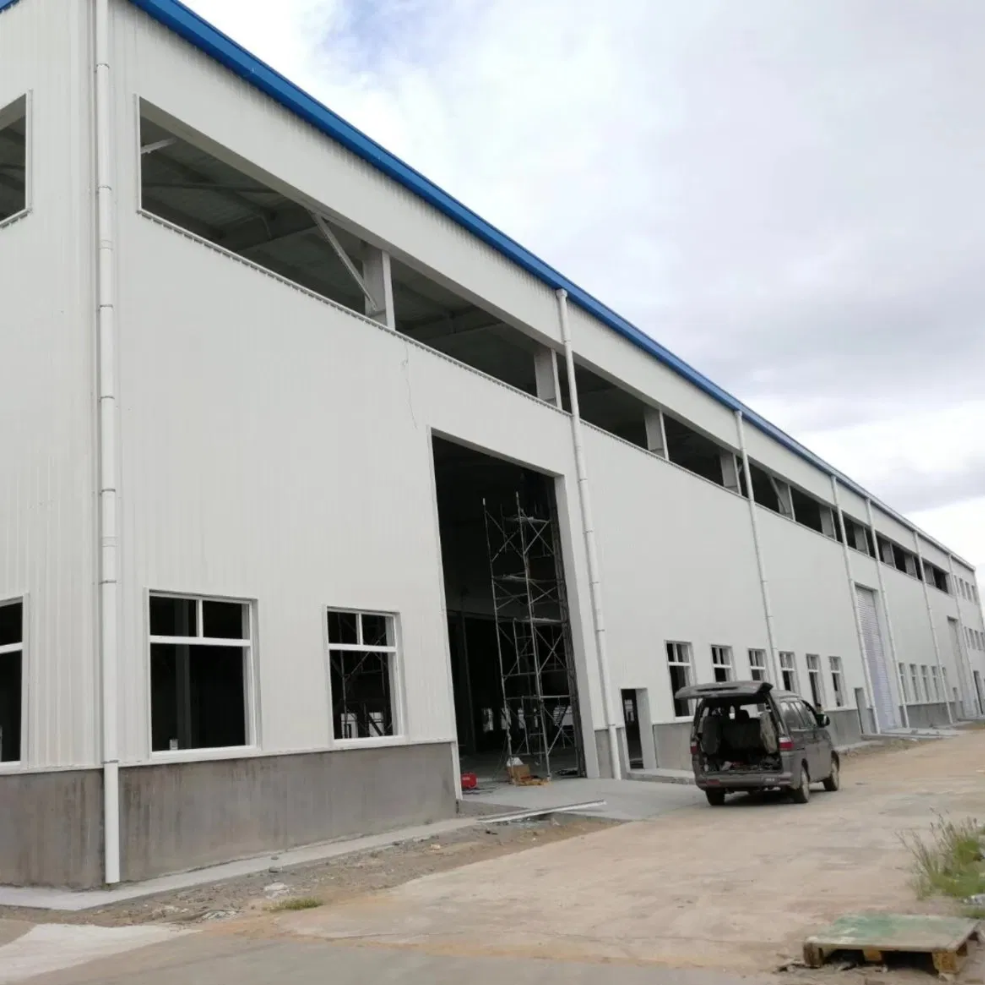
Steel components represent only 35% to 50% of the total project cost. Enclosure systems for walls and roofs are also vital. They usually account for 20% to 30% of the budget. Many builders choose single-layer color steel plates for roofing. For walls, polyurethane sandwich panels provide excellent insulation. If local safety codes are strict, builders might use rock wool sandwich panels. These materials significantly improve the fire resistance of the facility.
Corrosion is a natural enemy of steel buildings. Therefore, anti-rust treatments are essential for structural longevity. These treatments usually take up about 10% of the total budget. Standard anti-rust paint works well for typical industrial environments. However, projects in coastal or tropical regions face higher humidity. In these cases, workers must apply a galvanizing treatment to the steel. This process adds cost but prevents long-term structural failure.
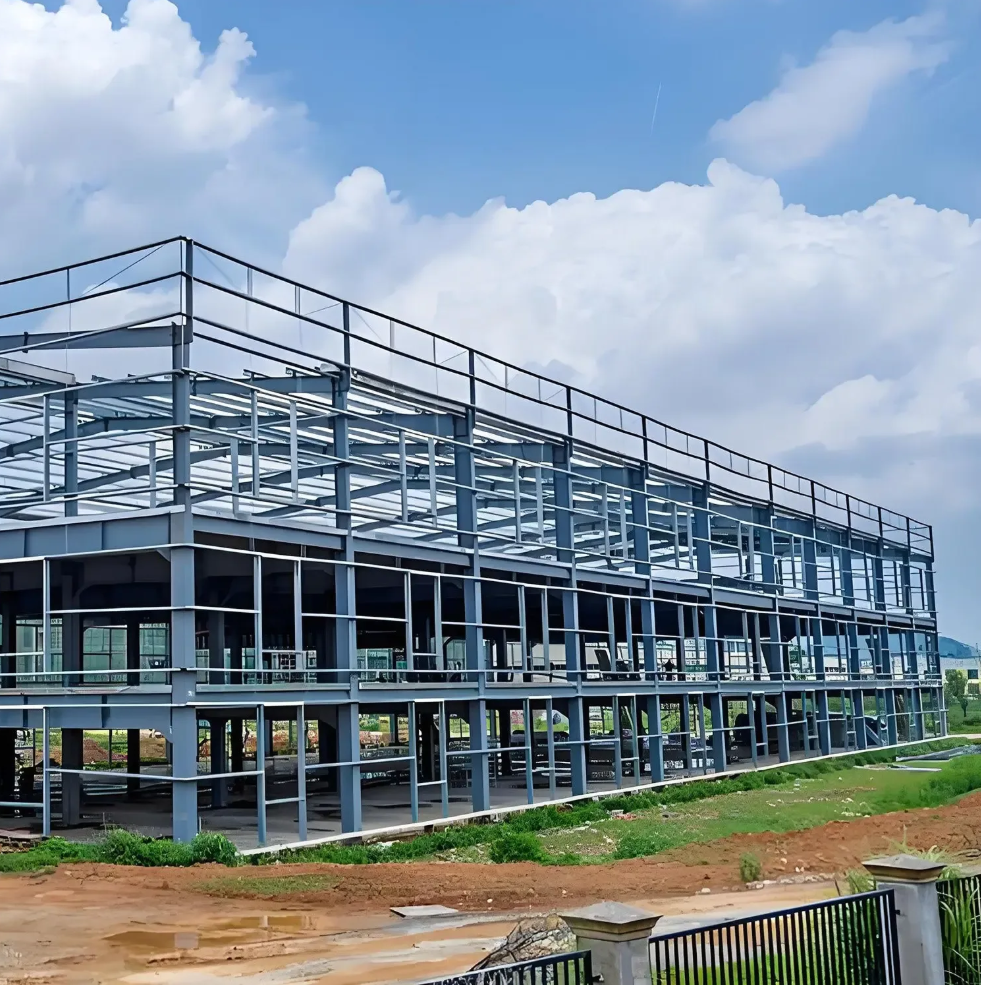
Design and management fees consume another 20% to 30% of the funds. This category includes design fees, supervision, and specialized testing. Labor costs for the construction team make up the largest portion of this slice. This is especially true in economically developed regions where skilled workers command high wages. Specific industries also impose unique requirements. Pharmaceutical or precision machinery plants need clean rooms. Chemical or textile factories require explosion-proof workshops. These specialized additions further increase the financial burden.
Controlling Costs Through Quality Manufacturers
Finding a reliable manufacturer is the best way to control expenses. Leading manufacturers possess strong resource integration capabilities. They can meet diverse procurement needs under one roof. These companies employ experienced design teams who use advanced tools. For example, Building Information Modeling (BIM) helps optimize material use. It reduces waste and ensures every beam fits perfectly.
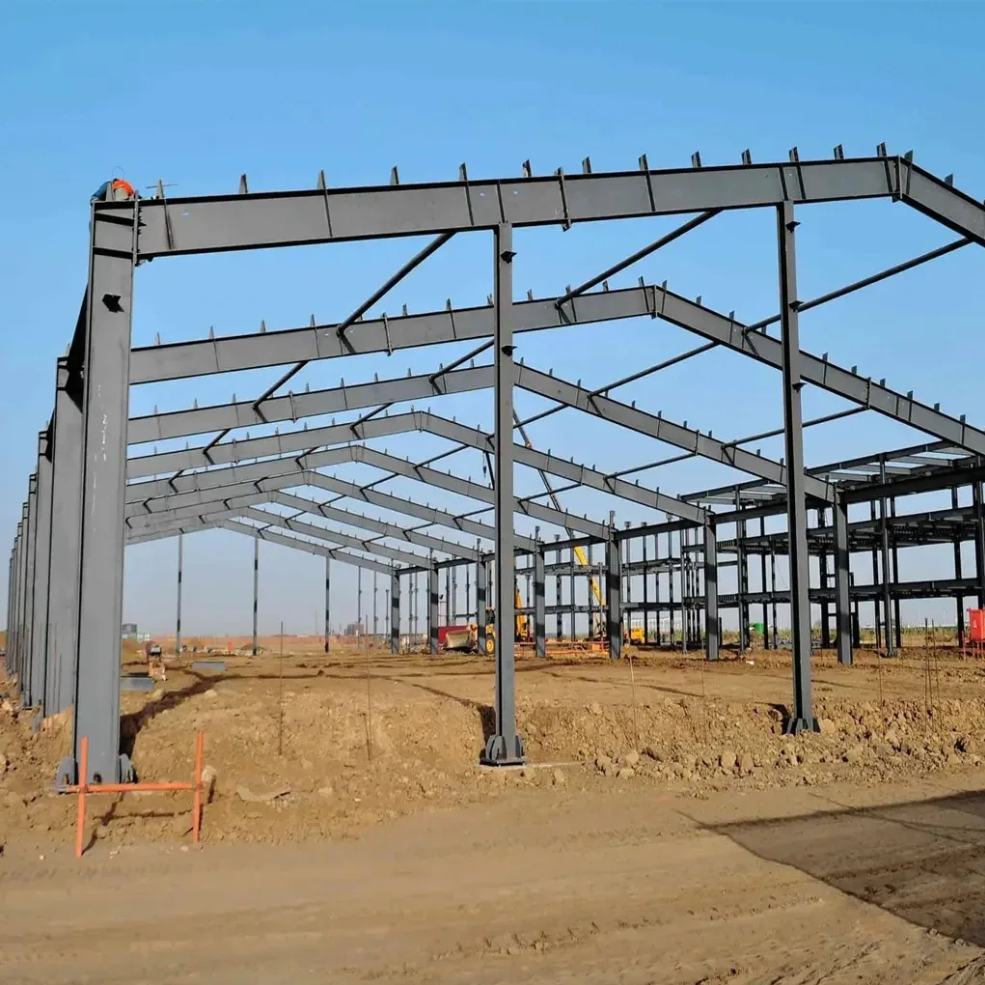
Strong production capacity allows manufacturers to control quality and delivery schedules. This precision saves time and prevents costly delays on the job site. Some innovative companies, like Harbin Dongan Building Sheets Company, focus on modularity. They use bolt-fixed components rather than complex welding. This strategy lowers the technical barrier for construction crews. It also speeds up the assembly process significantly. Choosing a partner with this level of expertise ensures a high-quality building at a fair price.
Post time: Feb-04-2026