

Steel structure projects rarely fail because of one major mistake. More often, delays come from small decisions made months before construction starts. A connection method that depends too much on skilled workers, or components that require adjustment after arriving on site, can gradually turn into weeks of lost time. For overseas projects, reducing these risks early is often more effective than solving problems after they appear.
Why Overseas Projects Face Hidden Construction Risks
When a project moves into an unfamiliar market, many challenges appear outside the original plan. Weather conditions may interrupt field welding. Local labor availability may not match the construction schedule. Even small dimensional differences between steel components can create unexpected delays when there is no nearby factory to provide quick support.
These problems are often treated as construction issues. However, many of them are actually design and manufacturing decisions made much earlier.
For example, a project that relies heavily on on-site welding requires stable access to qualified welders and suitable working conditions. That may work well in some locations, but it can become a major uncertainty in regions where skilled labor is limited or weather conditions are unpredictable.
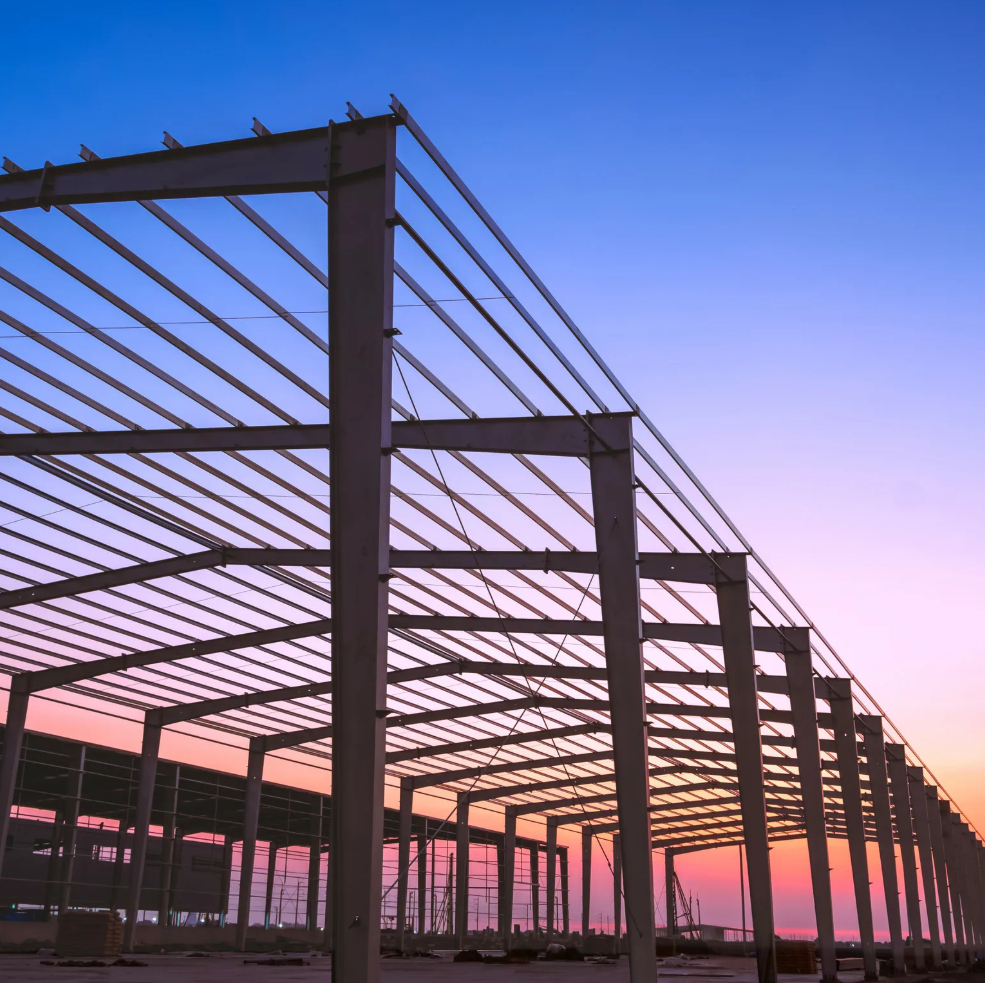
The same applies to fabrication accuracy. A component that is slightly different from the drawing may not create a problem inside a factory environment. On an overseas construction site, however, that small difference can mean additional cutting, adjustment, and waiting time.
For a warehouse, workshop, or industrial facility, these delays are not only construction problems. They can affect equipment installation, production schedules, and the overall project timeline.
Design and Manufacturing Choices Decide Site Efficiency
Before steel components leave the factory, two decisions have a major influence on how smoothly installation will progress: connection design and fabrication precision.
Connection design is not only a structural consideration. It also affects how easily local teams can complete the installation. A construction method that requires extensive field welding may increase dependence on specialized workers and create additional scheduling risks.
In contrast, a well-planned bolted connection system can simplify the installation process. It reduces the amount of welding required on site and allows more work to continue under different weather conditions. For overseas projects, this flexibility can be extremely valuable because construction environments are often less predictable than expected.
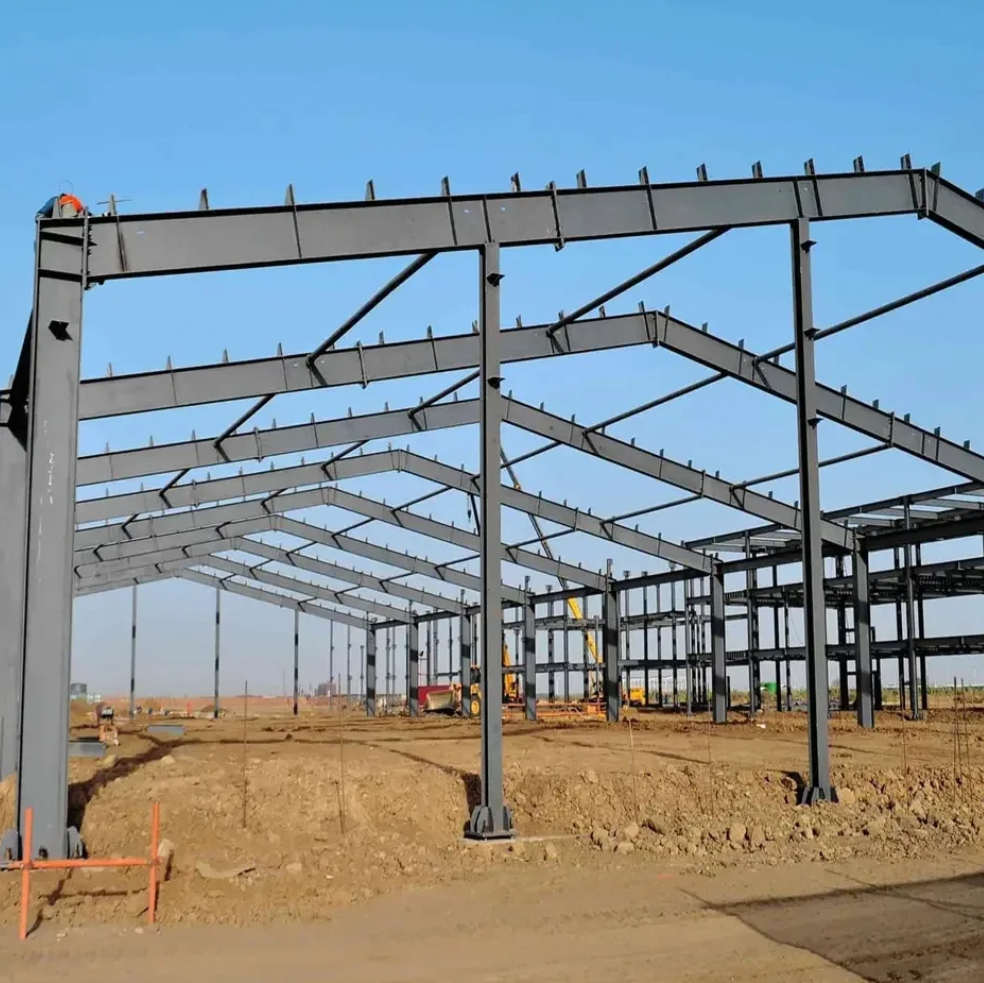
Manufacturing accuracy creates another layer of protection. When beams, columns, and connection points are produced with consistent dimensions, installation teams can focus on assembly instead of correcting errors. This is especially important for overseas projects because replacing or modifying components on site is usually far more difficult and expensive than solving the issue during fabrication.
The goal is not simply to manufacture steel faster. The goal is to deliver components that arrive ready for installation.
Lessons from a Steel Structure Project in Uganda
This approach was applied during DongAn’s factory project in Uganda. During the design and optimization stage, the project team recognized several potential challenges: limited access to skilled welding workers, changing weather conditions, and the difficulty of making corrections far away from the manufacturing base.
Instead of depending heavily on field welding, the project adopted a large number of bolted connections where appropriate. This decision reduced the requirement for highly experienced welding workers and made the installation process easier to organize with local teams. At the same time, bolted connections reduced the impact of weather conditions that could interrupt welding activities.
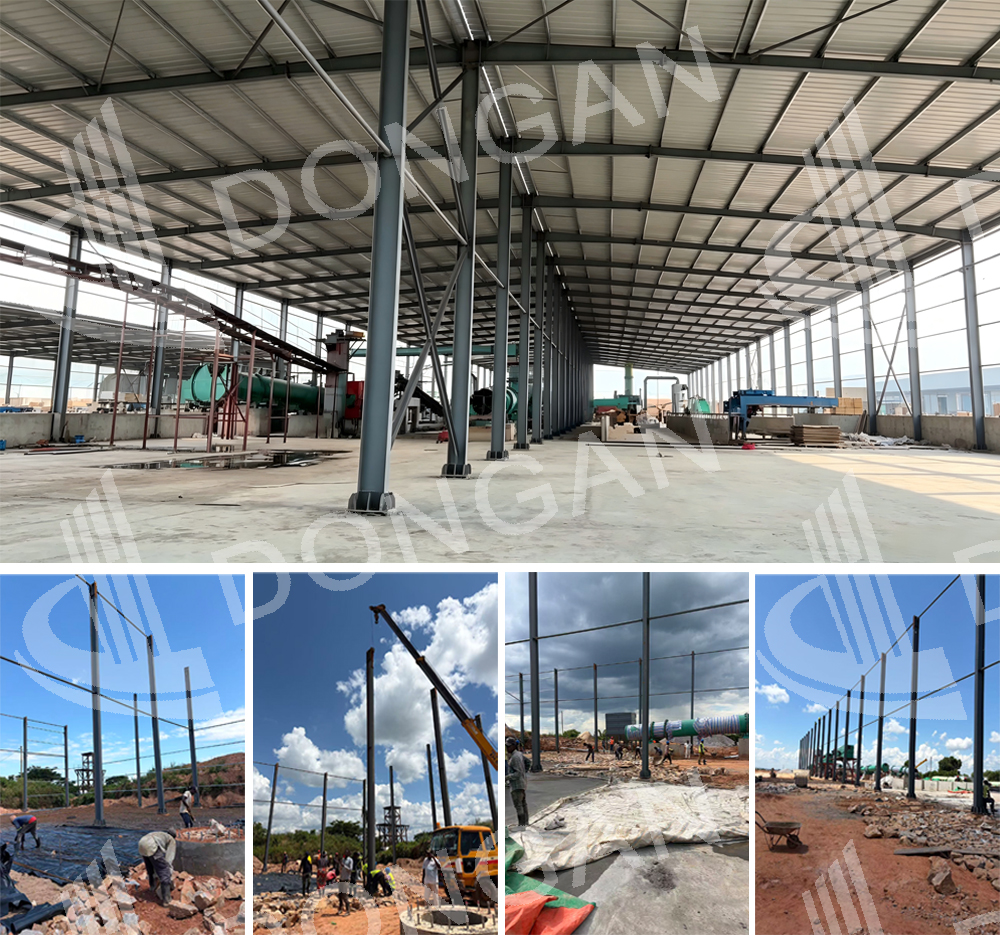
However, connection design alone was not enough. The project also required accurate fabrication before shipment. DongAn used advanced production equipment to improve processing precision and control manufacturing errors within millimeter-level tolerances. As a result, steel members could match the original design more closely when they arrived at the construction site.
The benefit was not only faster installation. More importantly, the project had fewer unexpected adjustments, fewer interruptions, and a more predictable construction process.
Building a More Predictable Project Timeline
Every overseas steel structure project has different conditions. There is no single solution that fits every location or building type. However, many construction risks can be reduced before the first component reaches the site.
The most effective projects usually do not wait for problems to appear. They identify potential difficulties during design, optimize the connection method, and ensure manufacturing accuracy before transportation begins.
For projects facing challenges such as limited local labor, complex environments, or strict completion schedules, discussing these factors at an early stage can help create a more reliable construction plan.
A successful overseas project is not only about delivering steel components. It is about making sure those components can move smoothly from the factory to the final building.
Post time: Jul-14-2026