

Coolroom panels support stable temperature control in food and medical storage. Many sites need strong insulation and fast installation. Users want panels that handle moisture, heat, and load. They also want simple cleaning and long service life. Coolroom panels meet these needs with a clear structure and steady performance.
Structure
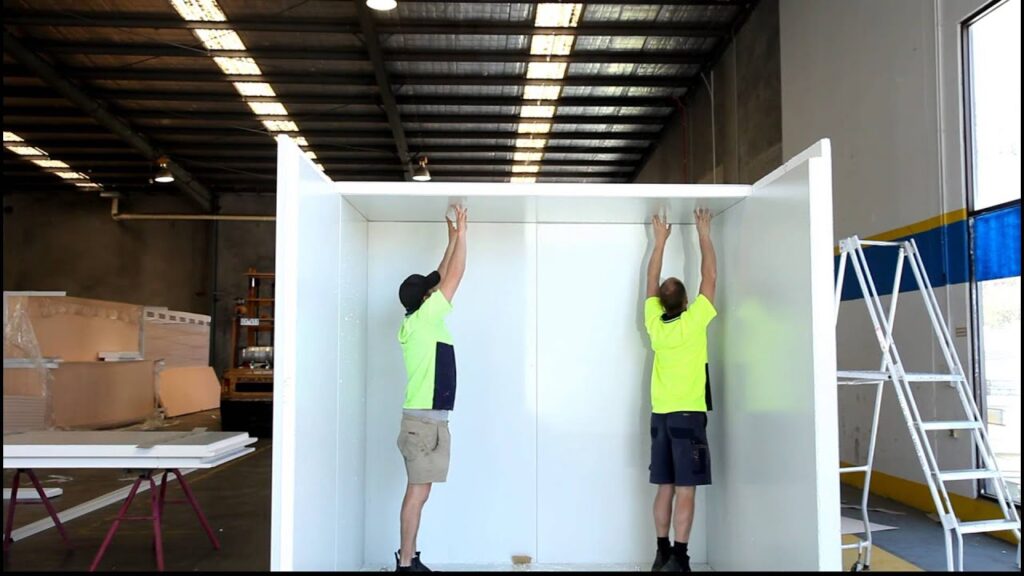
Coolroom panels use a sandwich structure. Each panel has two metal faces and one insulation core. The core sits between the steel sheets and creates strong thermal resistance. Most projects use panels from 50 mm to 150 mm thick. Thicker panels offer lower heat transfer. A 100-mm panel often reaches a K-value near 0.22 W/m²·K.
The outer steel sheet protects the core from impact and moisture. Many factories use 0.4- to 0.6-mm steel for the faces. Steel with a zinc layer of 80 g/m² gives strong corrosion resistance. The inner face uses food-grade coating. A common coating thickness stays near 25 microns. This layer supports washing and disinfection.
Panel joints also matter. Most panels use cam-lock or tongue-and-groove joints. Cam-locks help quick installation. Tongue-and-groove joints support airflow control. A typical joint gap stays under 2 mm after locking. Good joints keep air leakage low and improve cooling efficiency.
Materials
Coolroom panels use several core materials. Each core type offers unique strength and insulation performance. PUR foam stays common due to strong insulation. PUR foam reaches thermal conductivity near 0.022 W/m·K. A 75-mm PUR panel supports freezer rooms at minus 25°C.
PIR foam offers higher fire resistance. Many PIR panels reach a B-s1,d0 rating. PIR foam uses dense cross-linking. This structure slows flame spread and reduces smoke output. The foam density often stays between 35 and 45 kg/m³. This density provides steady compression strength.
Some cold rooms use rock wool cores. Rock wool reaches high fire ratings. Many rock wool panels reach A level. These panels support sites with strict fire rules. Rock wool density often stays near 120 kg/m³. This density increases sound control and fire safety.
Stainless steel also appears in special projects. Many food plants choose stainless steel for hygiene. Stainless steel sheets often come in 0.5 mm thickness. They support deep cleaning and prevent corrosion. Users choose stainless steel when humidity stays above 90% for long periods.
Performance Indicators
Coolroom panels must meet strict performance indicators. Thermal insulation ranks first. A panel with a K-value under 0.28 W/m²·K can support fresh food storage. A lower K-value reduces energy use. Using high quality coolroom panels can save near 15% cost of energy.
Panel strength also matters. A typical PUR panel reaches compression strength near 150 kPa. This value supports ceiling loads in medium rooms. A PIR panel offers similar strength with better fire behavior. Rock wool panels offer 80 to 100 kPa, which works for walls.
Moisture resistance plays a key role. Good panels absorb less than 3% water in tests. Low absorption protects the core from damage. It also keeps insulation stable. Moisture tests use 24-hour soaking at fixed humidity levels.
Air leakage control affects cooling cost. A well-sealed coolroom uses less than 0.4 m³/h·m² of leakage. Many factories check leakage with smoke tests or pressure tests. Good joints and sealants help reach these values.
Fire performance stays important in all buildings. A PIR panel can withstand 15 to 20 minutes before core ignition. Rock wool panels handle higher temperatures. They often reach 60 minutes of fire resistance depending on thickness. These indicators support safety planning.
Production Points
Panel production needs accurate control. Factories keep foam density within 5% of the target. A stable density gives reliable thermal performance. Continuous production lines inject foam under fixed pressure. A typical line runs at 8 to 12 meters per minute.
Steel sheets also need strict checks. Each sheet must meet thickness tolerance under 0.03 mm. Factories use coil weights of 4 to 7 tons. They clean and prime the sheets before forming. A clean surface supports strong bonding between steel and core foam.
The lamination process also matters. PUR or PIR chemicals react quickly. Teams control temperature near 45°C to 55°C during injection. This temperature keeps foam structure uniform. A uniform structure improves insulation and compression strength.
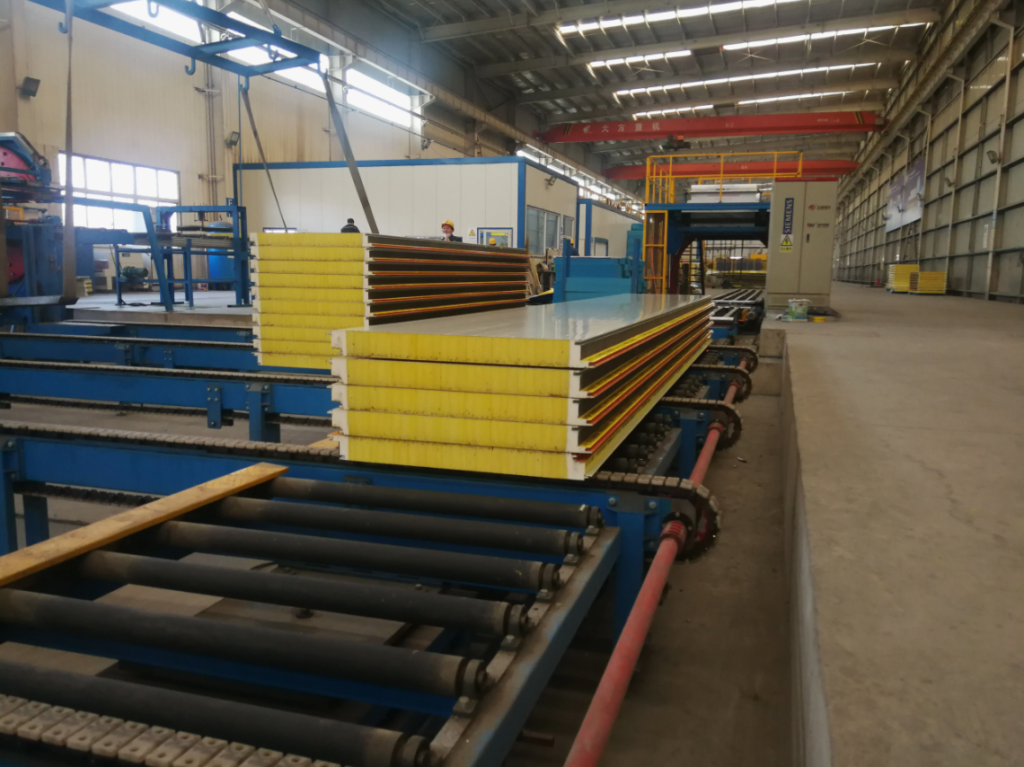
Cutting and shaping affect installation quality. Most factories use CNC cutting. The cutting error stays under 2 mm. This precision supports tight joints and reduces leakage.
Machines also shape cam-locks. A standard cam-lock size stays near 110 mm in diameter.
Quality checks take place after forming. Many factories test 3 to 5 panels every hour. They measure core density, bond strength, and panel thickness. Bond strength often stays above 0.12 MPa for PUR and PIR panels. Strong bonding prevents delamination.
Design Considerations
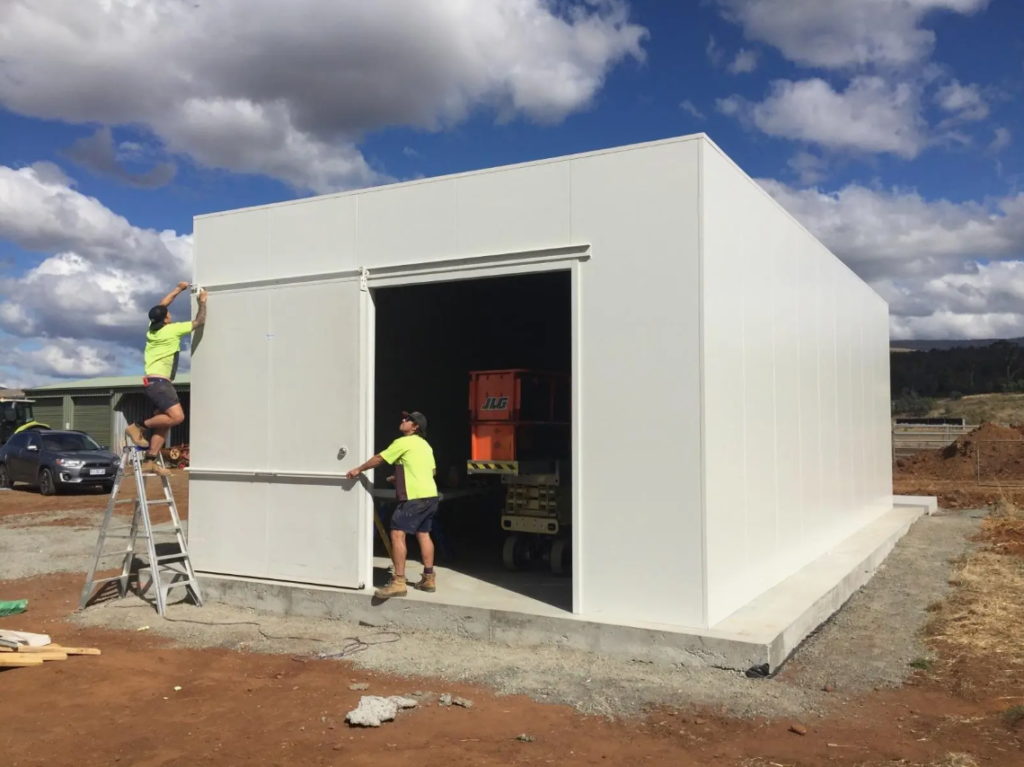
Designers must select panel thickness based on room temperature. A chiller at 2°C may use 75-mm panels. A freezer at minus 25°C may use 120-150 mm panels. These values reduce heat loss and limit compressor load.
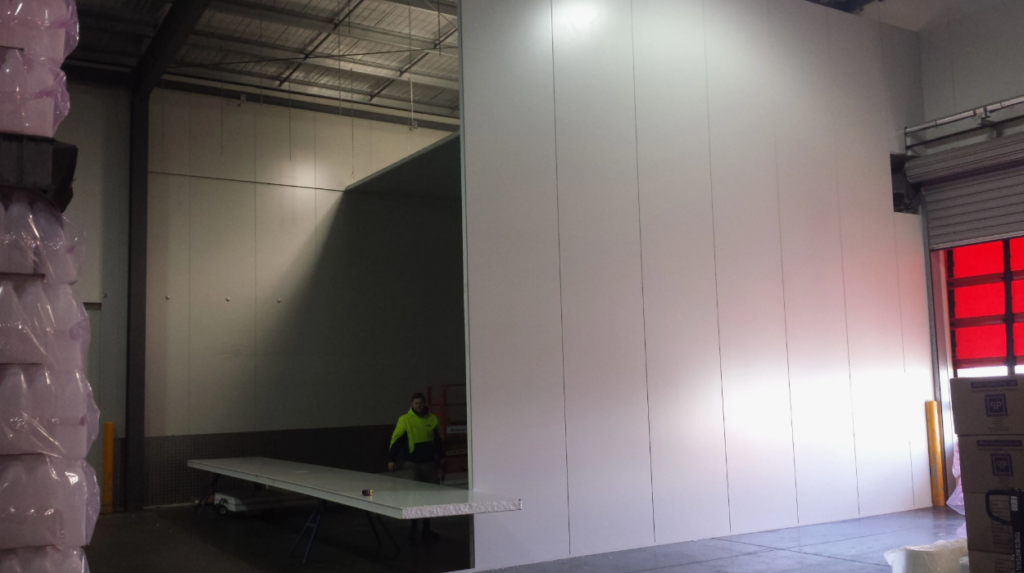
Designers also plan panel layout. Many rooms use panels 1 meter wide. Wide panels reduce joints and speed construction. A 12-meter-long wall uses only 12 panels. Fewer joints improve sealing.
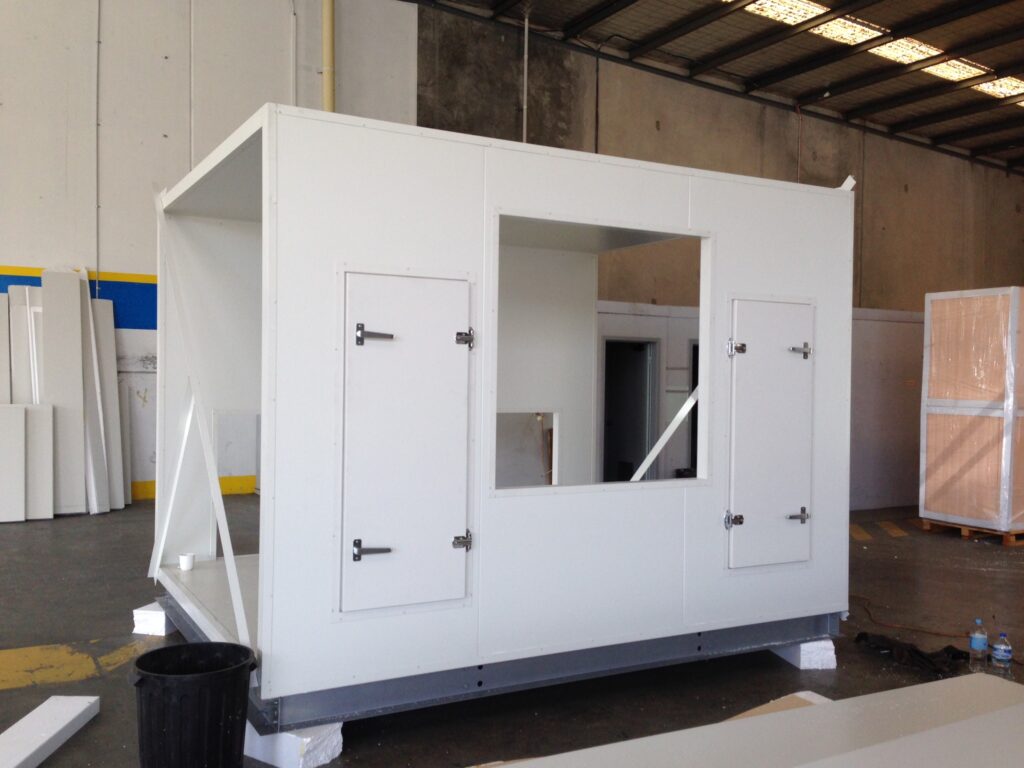
Support systems also matter. Ceilings need strong hangers. Many projects space hangers every 1.2 meters. Heavy evaporators may need steel frames. Designers also add PVC covings at corners. These covings improve hygiene and cleaning.
Door selection affects energy use. Insulated doors often match panel thickness. A 100-mm door carries similar insulation to a 100-mm wall panel. Good seals reduce leakage. Many doors use heater wires in low-temperature rooms. Heater wires prevent ice buildup.
Electrical conduits must stay outside the insulation. Hidden conduits may cause cold bridges. Cold bridges increase water buildup. Designers keep conduits in service areas. They also add vapor barriers to prevent moisture migration.
Coolroom panels support safe and efficient temperature control. They offer strong insulation, clean surfaces, and steady strength. They also reduce energy cost and support strict hygiene rules. With good material choices, careful design, and stable production, coolroom panels can deliver long service life.
Post time: Dec-04-2025