

Converting a factory into a cold storage warehouse sounds straightforward on paper — gut the old building, install insulation panels, add refrigeration equipment, and you’re done.
In reality, most projects don’t fail because of refrigeration. They fail much earlier — in structure and insulation decisions that were underestimated at the start.
Many teams only discover these issues mid-project, when fixing them is already expensive and disruptive.
Structural Reinforcement Comes First
Old factory buildings were designed for very different operating conditions. A cold storage warehouse introduces new loads, temperature stress, and long-term performance requirements. A proper structural assessment should always come first.
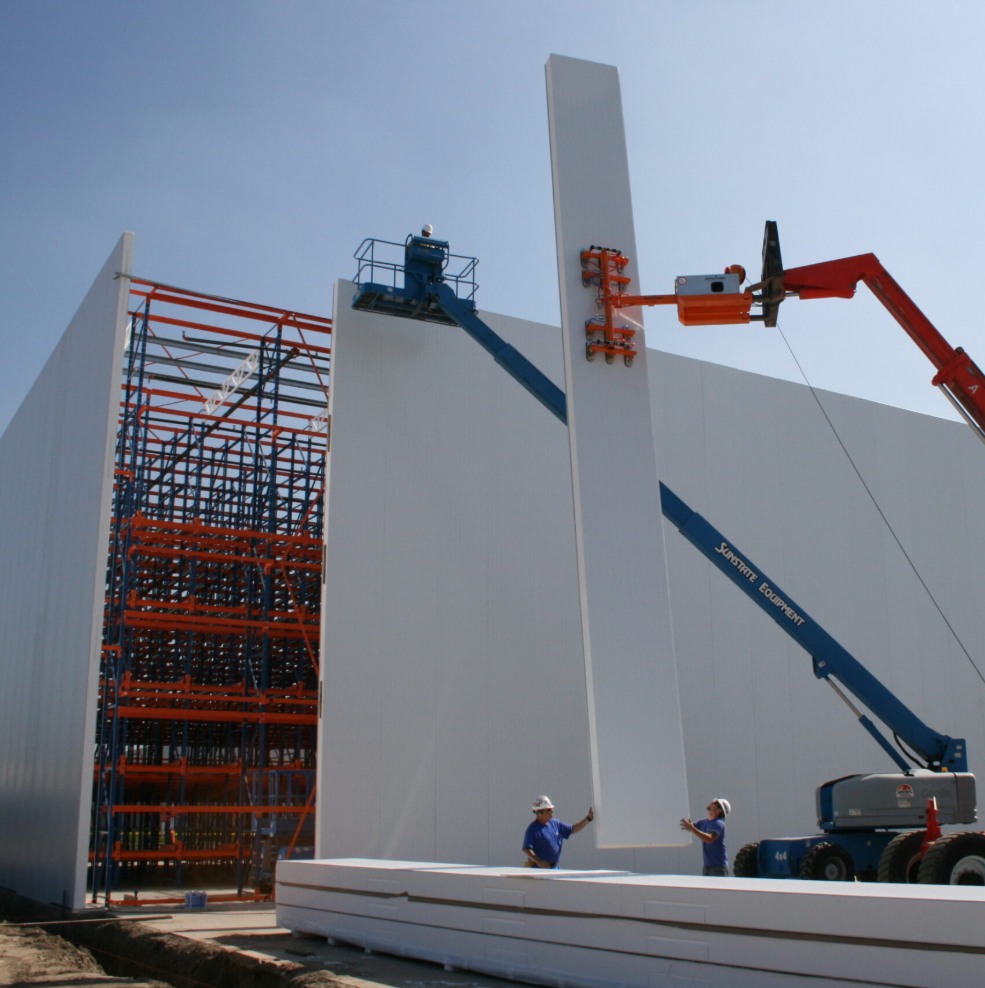
Roof load capacity is usually the first constraint. Suspended ceilings, insulation systems, and refrigeration pipelines all add significant dead load. Many older factories were never designed for this. Reinforcing the roof structure — or redesigning the suspension system — often becomes unavoidable.
Floor performance is another common blind spot. Forklifts operating in low temperatures create concentrated loads, while thermal contraction increases the risk of cracking. Without proper vapor barriers and thermal breaks beneath insulation layers, floor failure becomes a long-term issue rather than a one-time fix.
Connections between columns and walls also need careful inspection. Thermal cycling — repeated expansion and contraction — gradually weakens joints that were never designed for cold environments. Addressing this early is manageable. Fixing it after commissioning is not.
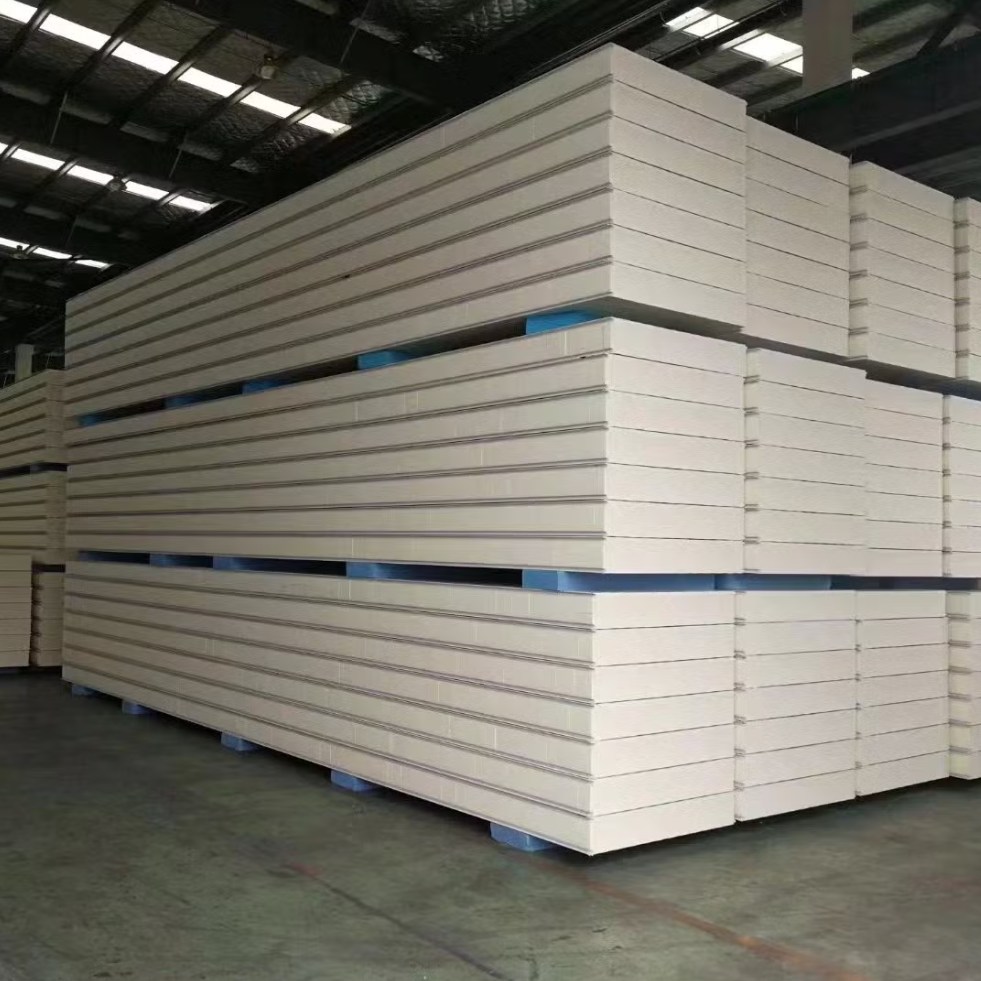
In one cold chain project we supported in Harbin, structural evaluation was a critical first step before panel installation. The facility, developed by a leading Chinese cold chain company, required not only insulation performance but long-term structural reliability under low-temperature operation.
Early coordination between structural design and insulation planning helped avoid later-stage modifications — a common source of cost overruns in conversion projects.
Local building codes are another factor often underestimated. Cold storage facilities are subject to different requirements than standard industrial buildings. Getting approvals aligned early saves time and prevents redesign later.
Thermal Insulation Is More Complex Than It Looks
Once the structure is confirmed, insulation becomes the next major challenge — and where many projects quietly go wrong.
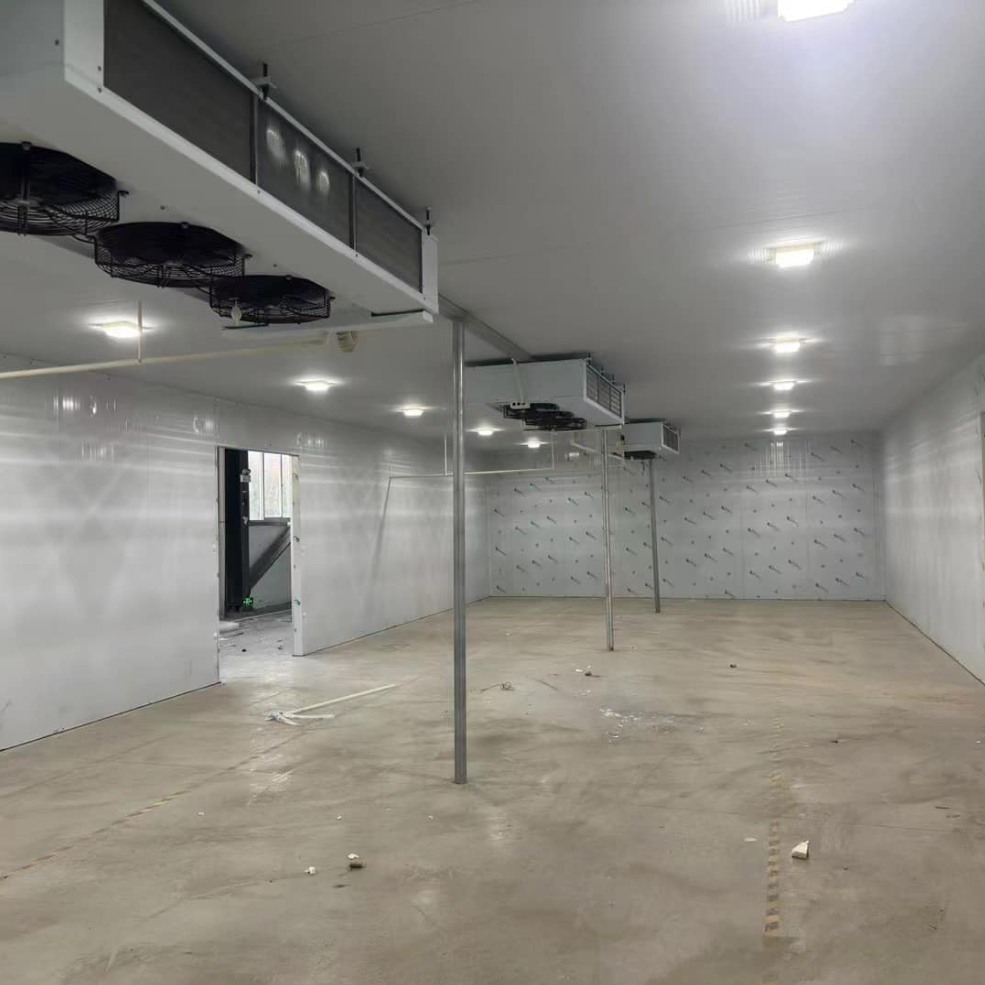
The most common mistake is treating insulation as a single-layer solution. In reality, a proper cold storage envelope includes a vapor barrier, insulation panels, and internal surfaces designed to handle moisture, cleaning, and temperature variation.
Missing or underspecifying any of these layers leads to condensation — and over time, structural damage. Precision detailing in thermal breaks can reduce long-term energy costs by 15-20%.
Panel selection plays a bigger role than many expect. In the Harbin project mentioned above, over 20,000 sqm of PU cold storage panels were used to ensure stable thermal performance across a large-scale facility. Panel density, joint design, and installation quality all contributed not just to insulation efficiency, but to long-term durability.
Junction details are another critical point. Thermal bridging typically occurs at wall-to-floor and wall-to-ceiling connections. These areas require precise detailing, not just standard coverage.
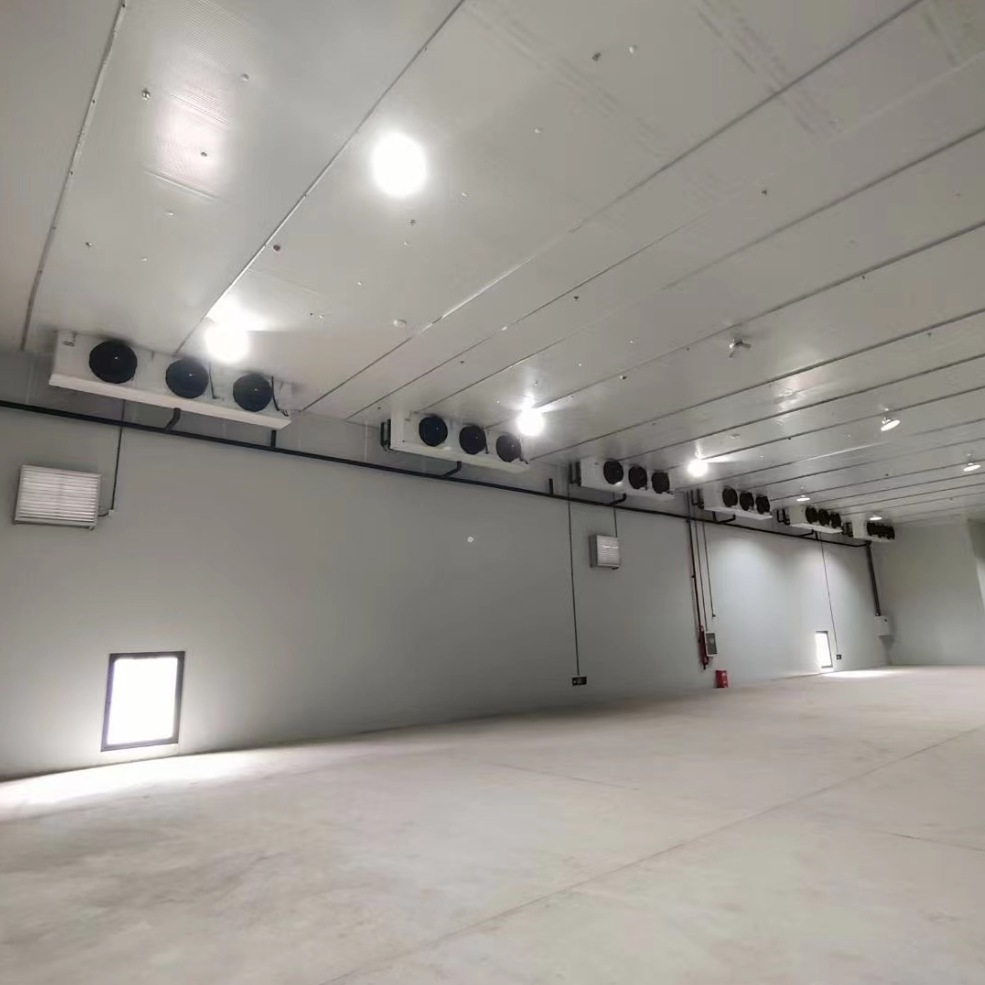
Door systems are equally important. Frequent opening cycles create continuous thermal exchange. Without proper frame systems and thermal breaks, doors quickly become major energy loss points.
Refrigeration layout must also be coordinated early. Evaporator placement, drainage routing, and electrical penetrations all interact with the panel system. Adjusting these after installation often compromises insulation integrity.
All these elements are interconnected. A change in panel thickness affects door specifications. A shift in equipment layout impacts vapor barrier design.Getting alignment early is not extra work — it’s what prevents rework.
If you’re working on a conversion project and want a second look at your structure or insulation approach, it’s often worth reviewing the details before moving forward.
Post time: Apr-04-2026