

A cold storage warehouse generates significant maintenance costs over its operational life — and most of those costs trace back to design decisions made long before construction begins. Many developers focus the design phase entirely on structural compliance, panel specification, and refrigeration capacity. Maintainability rarely enters the conversation until something breaks. By then, the design is fixed and the options are limited.
The practical opportunity sits entirely in the design period. That’s when maintainability costs nothing extra to build in.
Designing the Envelope and Structure for Access
The structural grid of a cold storage warehouse determines maintenance access for decades. Column positioning, aisle widths, and ceiling height all affect whether technicians can reach wall panels, pipe runs, and suspended equipment safely and efficiently. So these decisions deserve maintenance input during design — not just structural and cost input.
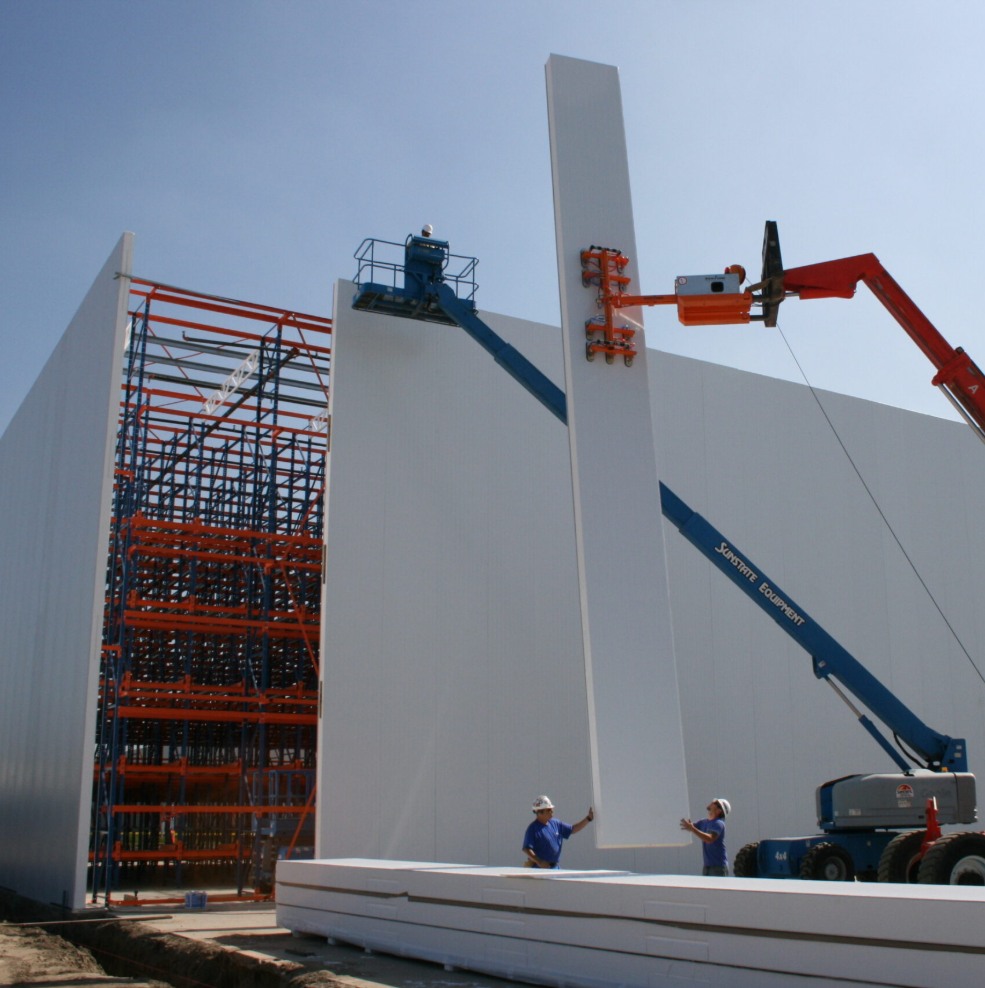
Panel specification is where designers most commonly overlook long-term serviceability. Panels with removable fixing systems allow individual damaged sections to be replaced without disturbing adjacent areas. Furthermore, specifying accessible joint seal systems means that localized thermal failures can be addressed quickly. The alternative — panels bonded or permanently fixed — turns a minor repair into a major project.
Vapor barrier continuity and inspection access also belong in the design conversation. A vapor barrier with no planned access points becomes impossible to inspect without demolition. Therefore, designing periodic inspection hatches into the wall and ceiling assembly costs almost nothing at the drawing stage and preserves the ability to catch moisture problems early.
Floor insulation and heating element layouts deserve careful planning too. In cold storage warehouse facilities operating below -15°C, sub-floor heating prevents ground frost heave. Designing that system with accessible junction points and zoned circuits means individual zones can be tested and repaired without affecting the entire floor.
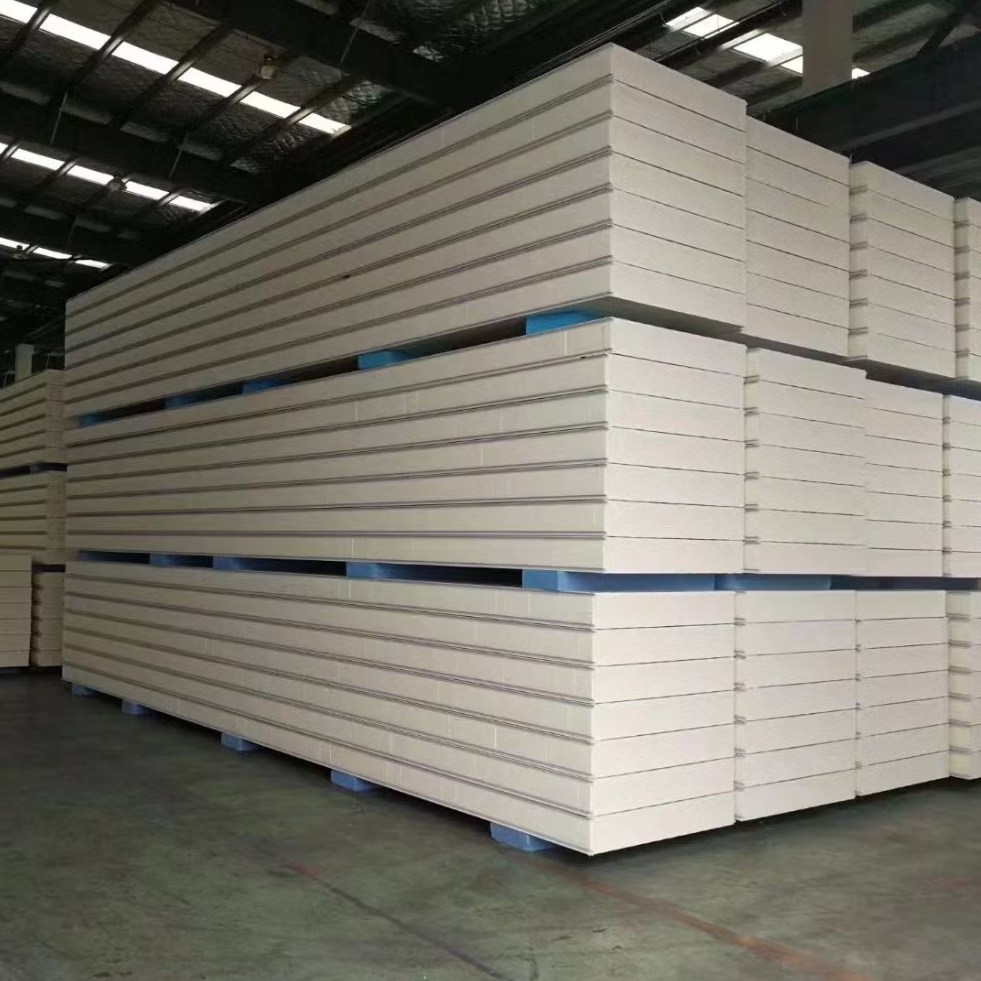
Additionally, drainage routing decisions made during design determine maintenance complexity for the facility’s entire life. Defrost drainage that runs in accessible service chases — rather than cast into floor slabs — can be inspected, cleared, and repaired without civil works.
Designing the Refrigeration System for Longevity
Refrigeration accounts for the largest share of ongoing cold storage warehouse maintenance expenditure. Consequently, how the refrigeration system is laid out during design directly determines how expensive that maintenance becomes.
Equipment room sizing is a frequently underestimated design variable. A compressor room designed only for the installation footprint of current equipment leaves no working clearance for future servicing or replacement. Designing generous access space around every major component adds minimal floor area but significantly reduces the cost of every future intervention.
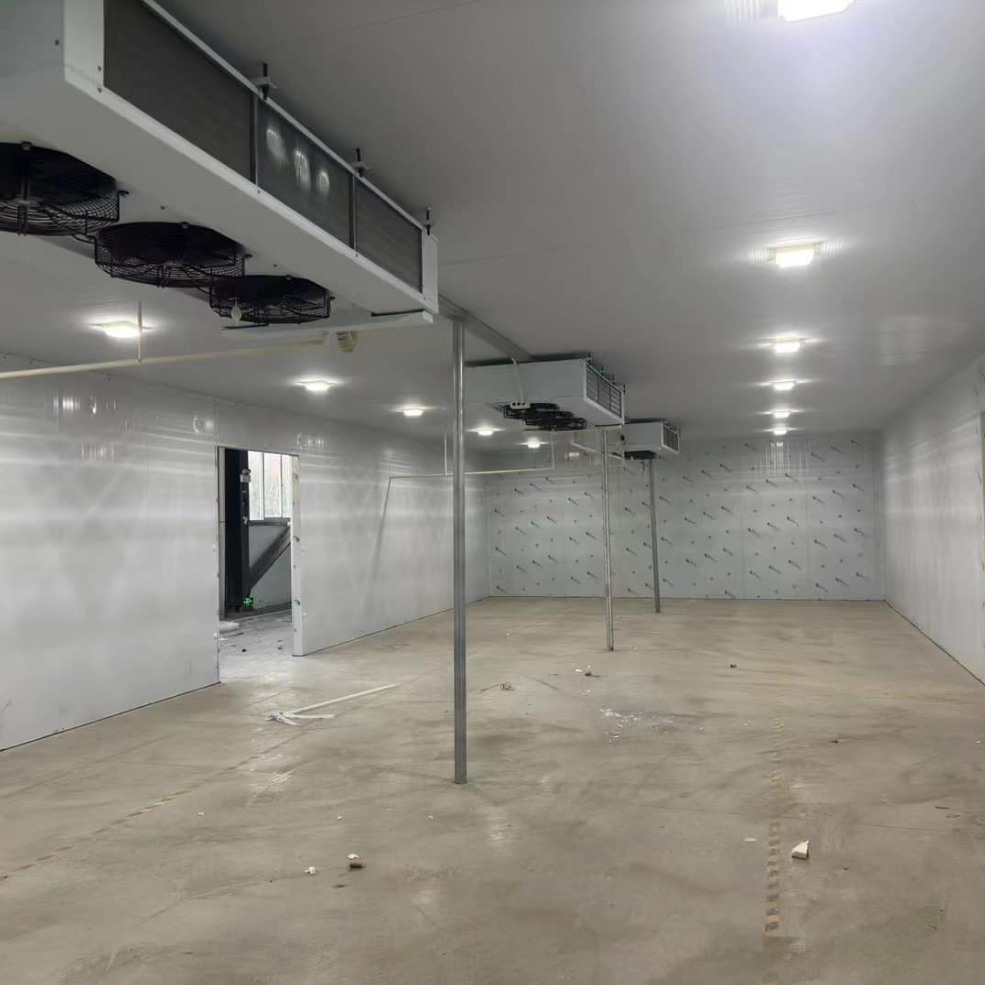
Pipework routing decisions also matter enormously. Refrigerant lines designed to run in labeled, exposed runs along accessible walls cost modestly more in materials than buried or encased alternatives. However, they reduce diagnostic time dramatically when faults occur. Moreover, incorporating service valves at logical intervals means technicians can isolate sections without shutting down the entire system.
Control and monitoring panel placement is another design choice with long-term consequences. Positioning these panels outside the cold zone allows technicians to work in ambient conditions — which improves both efficiency and accuracy during fault diagnosis.
Finally, design documentation standards should be established during the design phase itself. Specifying that as-built drawings, equipment schedules, and refrigerant records will be compiled and handed over at project completion ensures that future maintenance teams have the information they need from day one.
A well-designed cold storage warehouse costs no more to build and considerably less to maintain. If your project is currently in the design phase and these questions haven’t come up yet, raising them now is exactly the right move.
Post time: Apr-24-2026