

Cold storage panel installation may look similar from one project to another, but the details can change considerably by region. Panel joints, floor connections, sealing methods, lifting equipment, and even the preferred installation sequence can reflect local construction habits.
The panel itself may have similar thermal and structural functions, yet the installation process still needs to fit the site. Understanding these differences early can prevent small installation issues from turning into delays, rework, or material waste.
The Same Panel, Different Installation Habits
In some regions, installers prefer to assemble wall panels first and then complete the ceiling. This approach works well when the building provides enough access for lifting and positioning the upper panels.
Other teams may install the ceiling structure or supporting framework first and then work around it with wall panels. The choice often depends less on the panel itself and more on the equipment, labor, and site layout available.
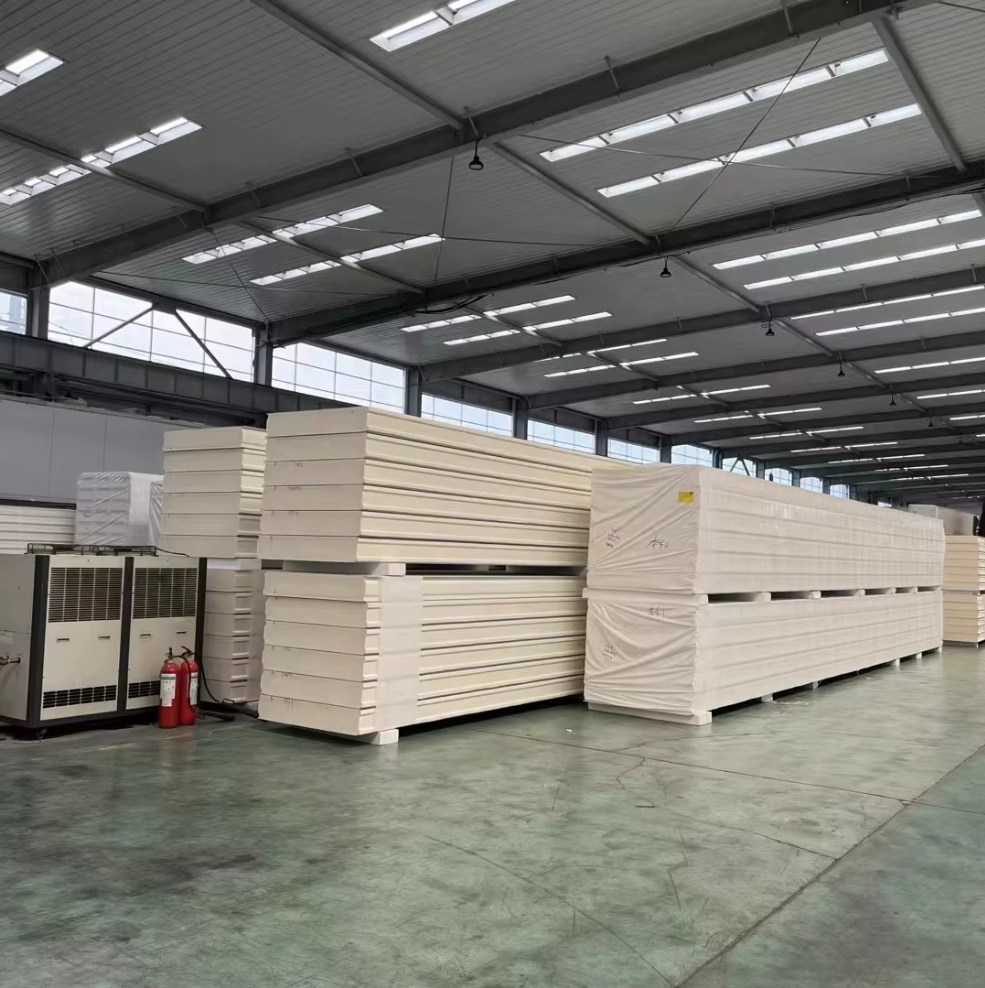
Joint treatment also varies. Some installation teams pay particular attention to mechanical fastening and joint compression. Others focus heavily on sealant application and vapor-tight connections. In a humid climate, continuous sealing can become especially important because moisture can enter through small gaps and affect insulation performance over time.
Cold room doors provide another practical example. Local teams may have different preferences for door positioning, thresholds, opening direction, and surrounding reinforcement. These details should match both the panel system and the way people and goods move through the room.
Climate and Site Conditions Change the Details
Climate is often a more obvious factor than national borders.
A cold storage project in a hot and humid coastal area may face very different installation concerns from one in a dry continental climate. The first may require careful attention to moisture control and condensation risks. The second may place more emphasis on temperature changes, dust, wind, or seasonal working conditions.
Very cold regions create another set of concerns. Installers may work under low temperatures that affect sealants, adhesives, protective materials, and working speed. Transportation and temporary storage also deserve attention. Panels need protection before installation, especially when the project schedule includes long periods between delivery and assembly.
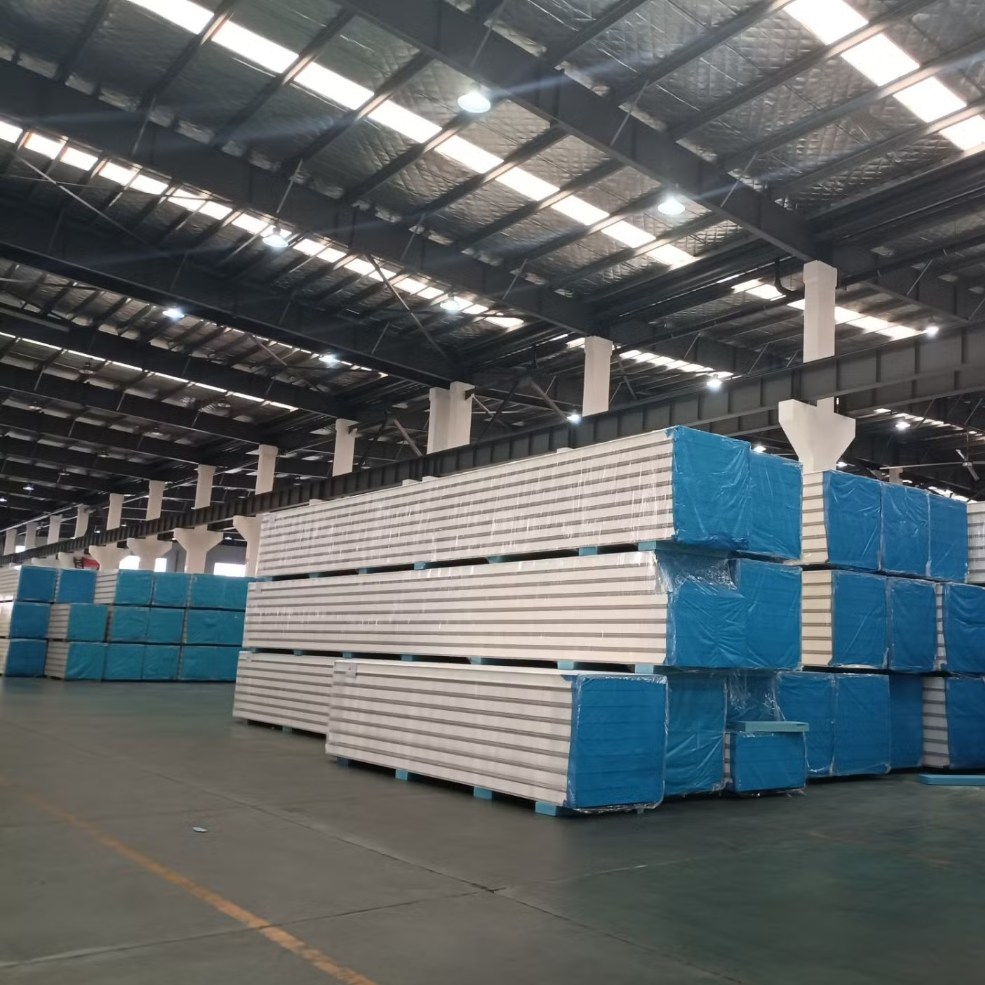
Local building structures can create differences as well. A cold room inside a reinforced-concrete building may require different fixing details from a standalone cold storage building with a steel frame. Existing walls, floor levels, columns, and service openings can all influence the final panel layout.
This is why a standard installation drawing may not answer every practical question. The interface between the panels and the surrounding building often deserves just as much attention as the panel specification itself.
Planning the Installation Across Regions
For projects involving materials supplied from another region, installation planning should start before production.
The cold storage panel layout needs to consider transportation, lifting, panel sequence, joint locations, and site access. Panel dimensions that look efficient on a drawing may become inconvenient if the site has restricted access or limited lifting equipment.
Installation teams can also have different expectations about accessories. Flashings, corner pieces, fasteners, sealants, profiles, and door components may need to follow familiar local practices. Supplying the main panels without considering these interfaces can leave the installer solving problems on site.
A practical approach is to review the project through three connected layers: the building structure, the panel system, and the installation process. If these three parts work together, regional differences become easier to manage.
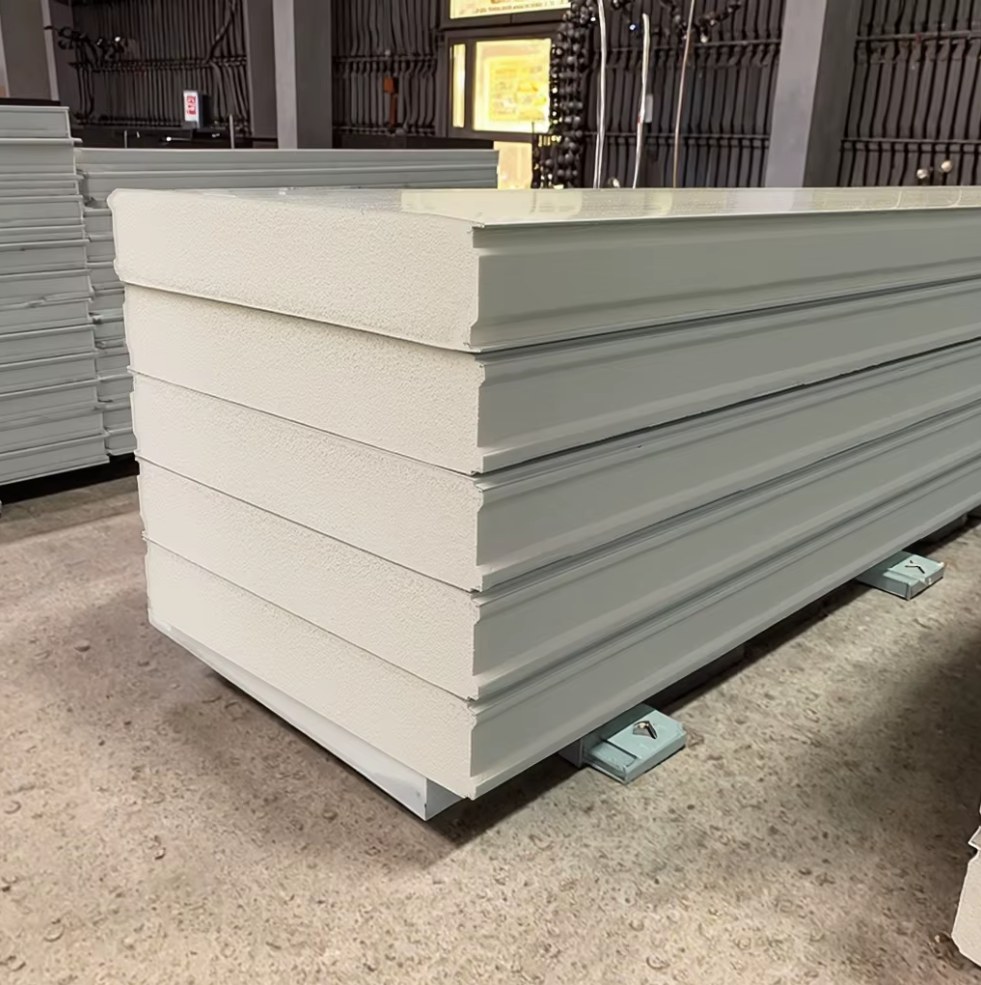
This also helps when comparing quotations. Two suppliers may offer panels with similar insulation performance, but their proposed panel lengths, joint details, accessories, and packing methods can lead to different installation workloads.
Where Regional Experience Actually Matters
Regional experience does not necessarily mean having a completely different panel for every market. More often, it means recognizing where a familiar system needs adjustment.
The cold storage panel specification still needs to meet the project’s insulation, fire, dimensional, and environmental requirements. The installation method then needs to fit the actual building and local working conditions.
For an overseas cold storage project, a useful question is therefore not simply, “Which panel should we use?” It is also, “How will this panel be installed here?”
That question can reveal practical issues before fabrication begins. It can also make communication between the design team, supplier, and installation crew much clearer.
In the end, regional differences rarely change the basic purpose of a cold storage system. They change how that system reaches its intended performance on site. A cold storage panel is only one part of that process; the surrounding details often determine whether installation remains straightforward or becomes a source of unexpected work.
Post time: Sep-17-2026