

Cold storage projects produce some of the widest cost variations in industrial construction — and buyers often can’t explain why two seemingly similar proposals differ by 30% or more. The answer almost never comes down to one factor. Instead, it sits across three distinct layers: the structural system, the insulation panels, and the refrigeration system. Understanding how each layer drives cost is the most practical thing a project owner can do before signing anything.
Structure and Panels — The Hidden Variables
The structural cost of a cold storage facility depends heavily on span, height, and the loads the building needs to carry. However, many buyers treat structure as a commodity. They compare steel tonnage without asking about grade, connection design, or whether the structure accounts for the additional dead load of suspended ceiling systems and refrigeration pipework. A cheaper structural quote often reflects a lighter specification — not a more efficient design.
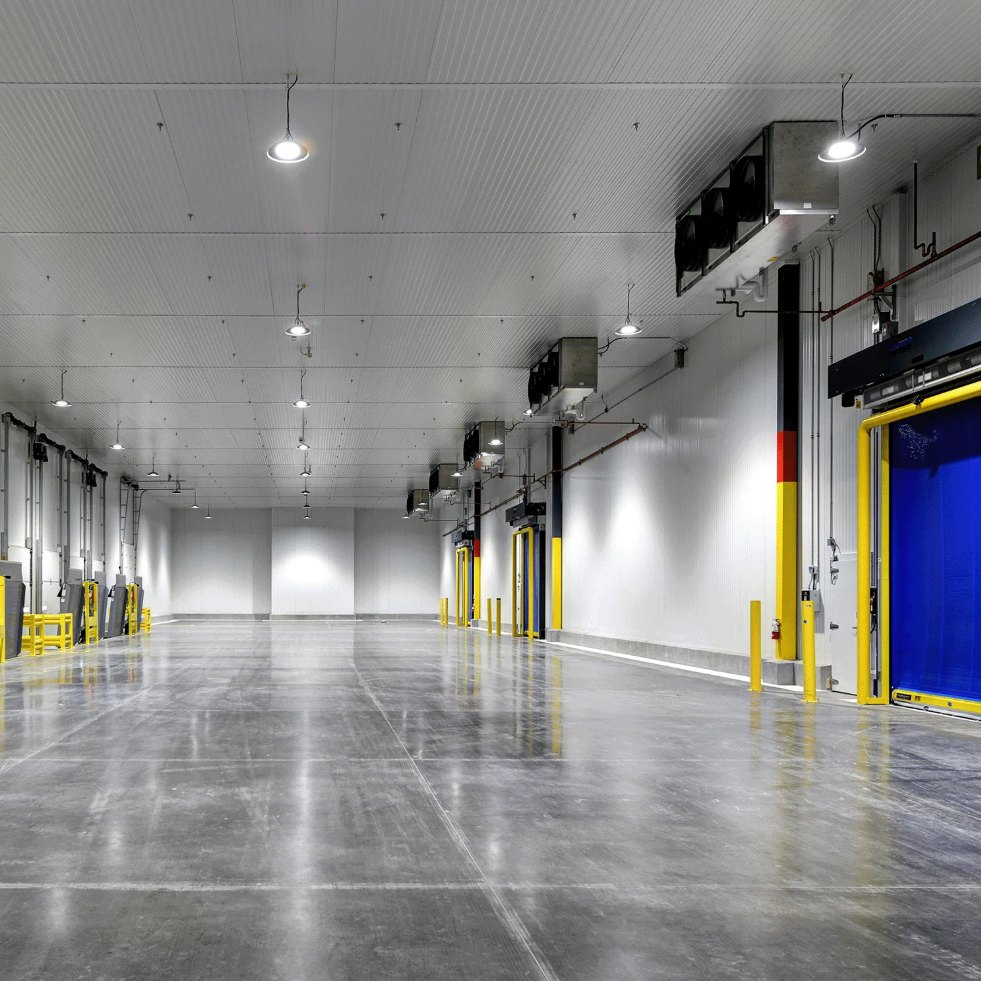
Panel selection creates even wider cost variation. A 100mm panel can carry a unit price ranging enormously depending on core material, foam density, facing thickness, joint system, and surface treatment. EPS panels cost less than PIR panels. Standard-density PU panels cost less than high-density PU panels. But in a cold storage environment operating at -25°C, using the wrong panel specification means higher energy bills, faster thermal degradation, and potential compliance failures over time. So the cheaper panel frequently becomes the more expensive decision within three to five years.
Furthermore, door systems, floor insulation, and vapor barrier specification all sit within the panel and envelope category. These are areas where cost-cutting is easy to hide in a proposal and painful to discover in operation.
The Refrigeration System Changes Everything
The refrigeration system typically represents 35–45% of total cold storage project cost. Consequently, it’s also where specification differences produce the largest absolute price gaps between competing proposals.
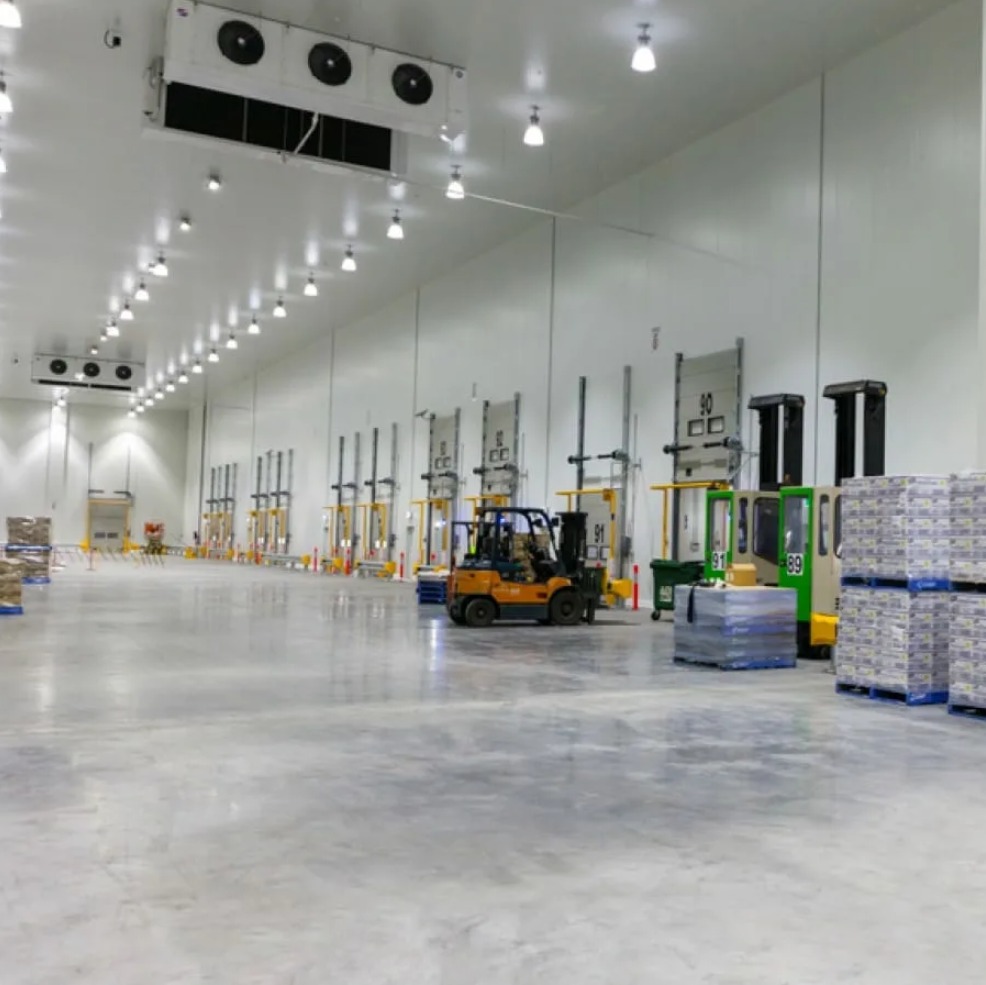
Compressor selection drives the first major variable. A single-stage compressor system costs less upfront but consumes significantly more energy at low operating temperatures than a two-stage or screw compressor system. For a large facility running continuously, that energy cost difference compounds quickly year over year.
Refrigerant type is another cost driver that often goes undiscussed. R404A systems are cheaper to install than NH3 ammonia systems but carry higher long-term operating costs and face tightening regulatory restrictions in many markets. A proposal that doesn’t specify the refrigerant clearly is a proposal worth questioning.
Control system complexity also separates quotes significantly. Basic on/off thermostat control costs far less than a full SCADA-integrated temperature management system. However, for cold storage serving pharmaceutical, seafood, or export-grade food clients, automated monitoring and logging isn’t optional — it’s a compliance requirement.
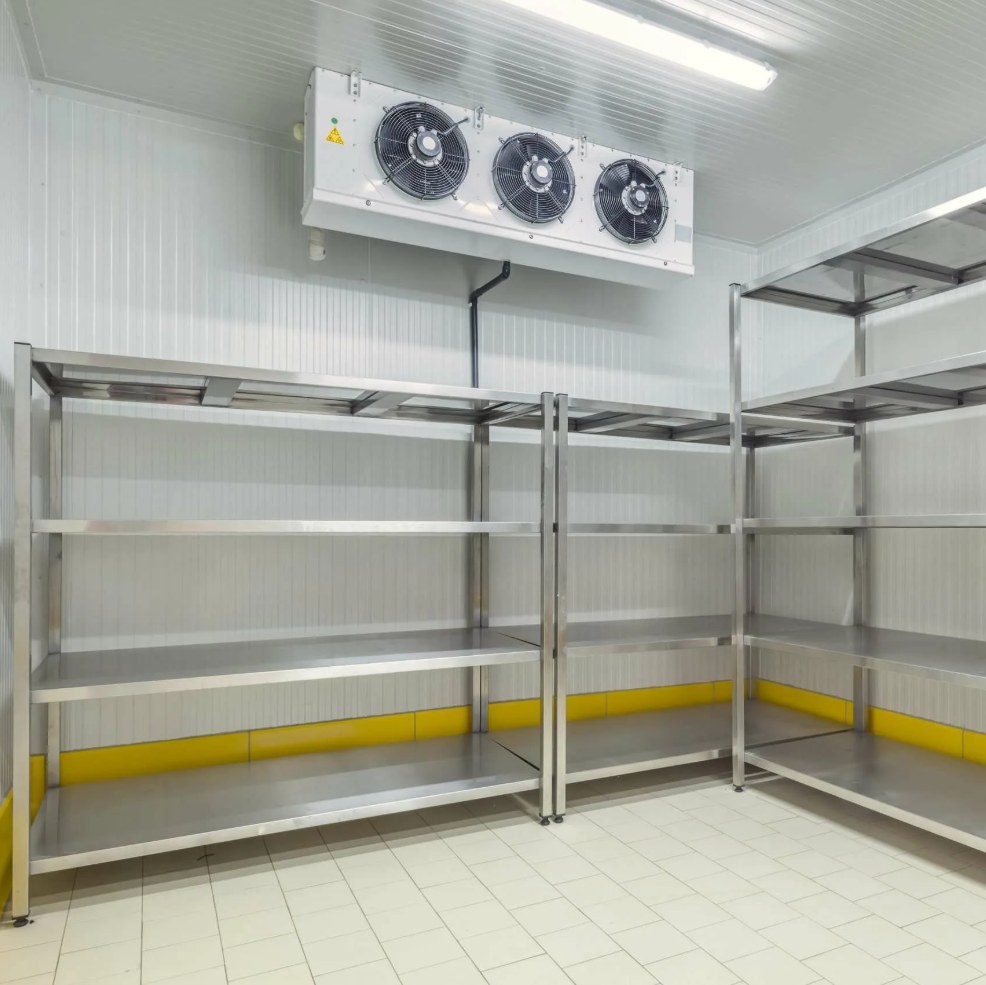
So when two cold storage proposals look very different in price, the right approach is to compare them line by line across all three layers: structural specification, panel and envelope system, and refrigeration design. A lower total price that uses underspecified panels and a single-stage compressor isn’t a better deal. It’s a different product.
If you’re currently reviewing proposals and finding it difficult to compare them on equal terms, that’s a common and solvable problem. A short technical conversation with an experienced supplier usually clarifies where the gaps are — and what they’ll cost you if left unaddressed.
Post time: Apr-22-2026